Angulo Guillem, Zeleznjak Jelena, Martínez-Vicente Pablo, Puñet-Ortiz Joan, Hengel Hartmut, Messerle Martin, Oxenius Annette, Jonjic Stipan, Krmpotić Astrid, Engel Pablo, Angulo Ana
Immunology Unit, Department of Biomedical Sciences, Faculty of Medicine and Health Sciences, University of Barcelona, Barcelona, Spain.
Center for Proteomics, Faculty of Medicine, University of Rijeka, Rijeka, Croatia.
Elife. 2021 Jan 18;10:e59350. doi: 10.7554/eLife.59350.
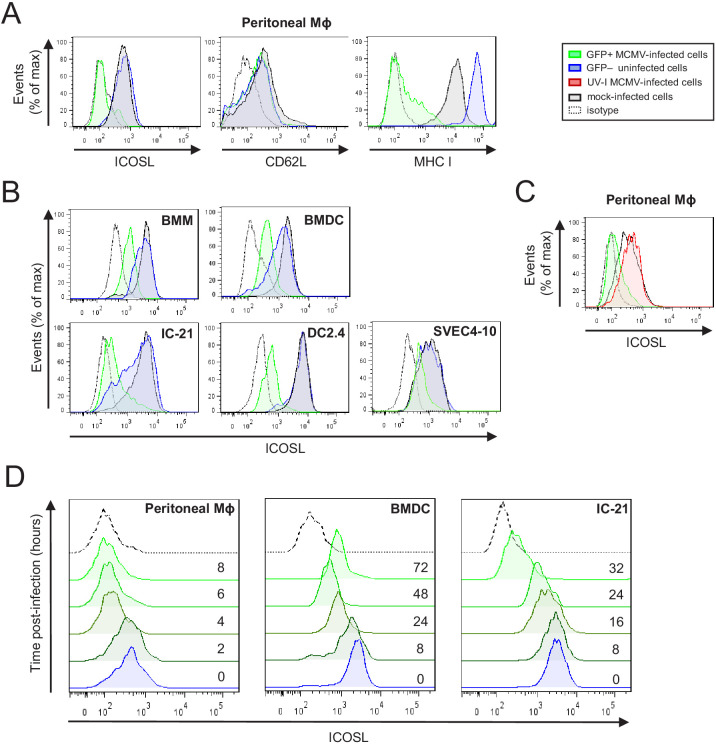
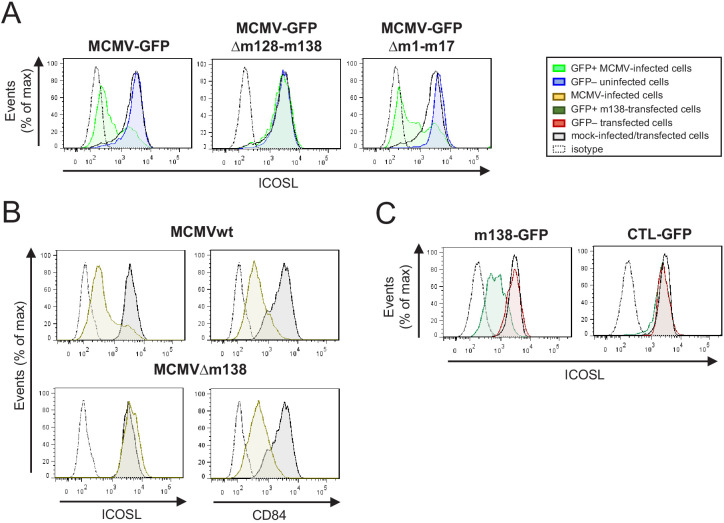
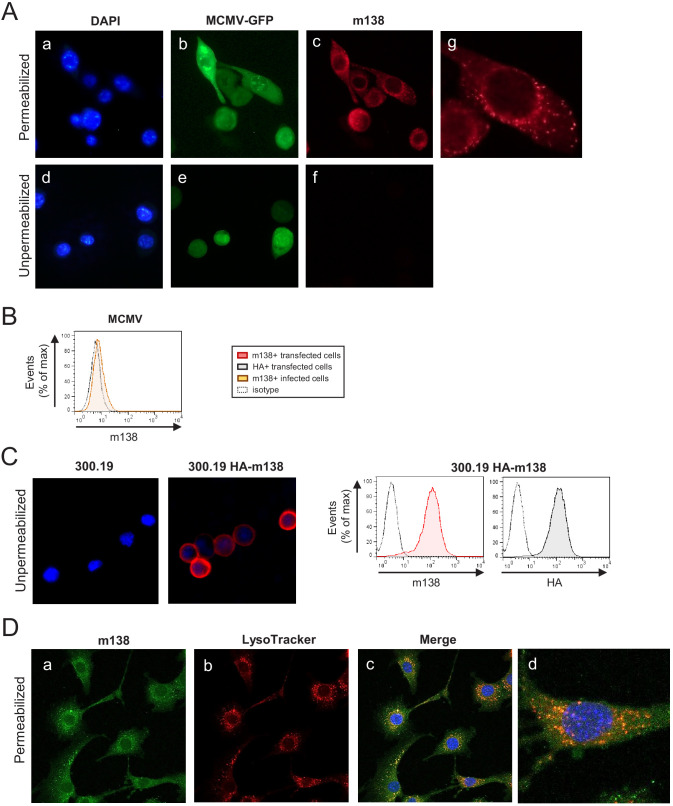
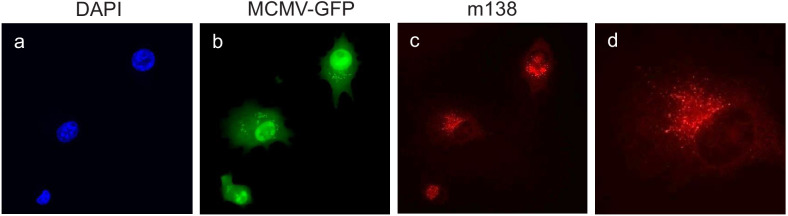
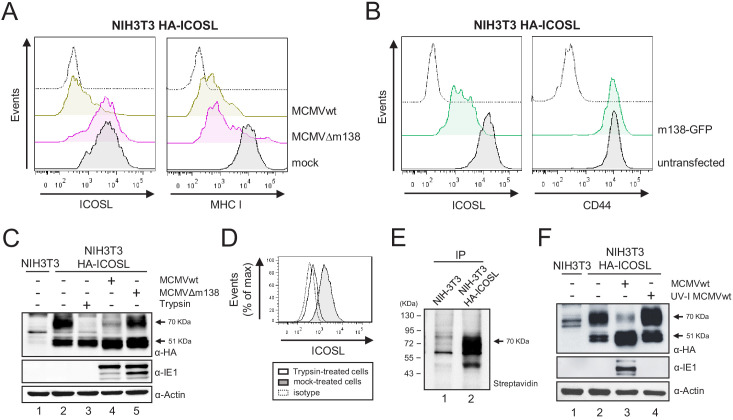
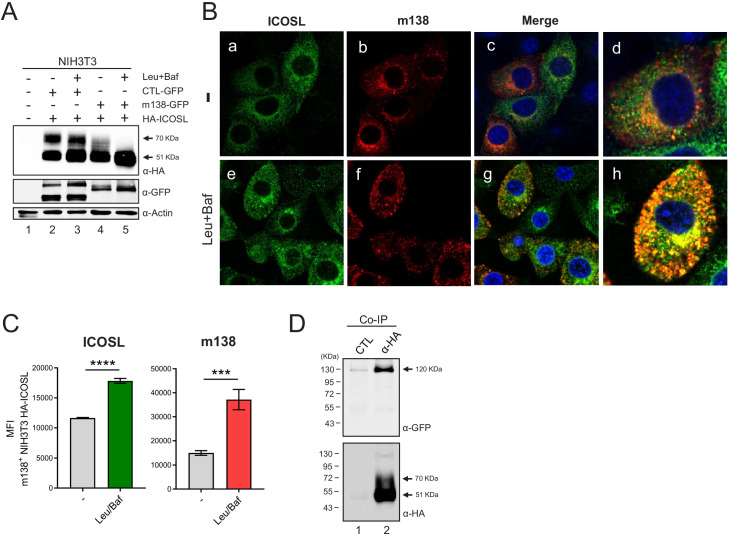
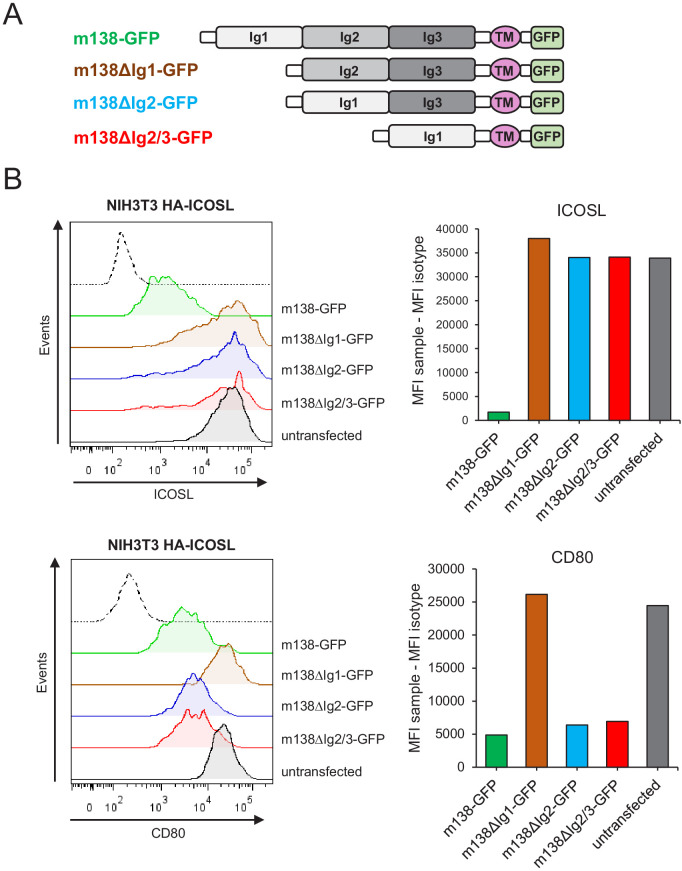
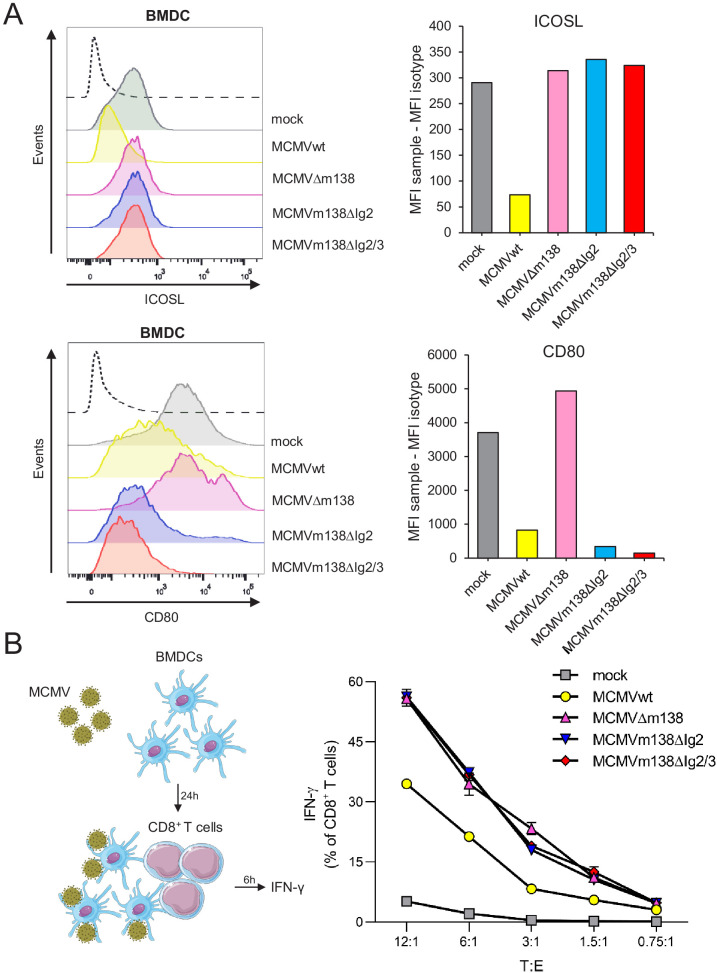
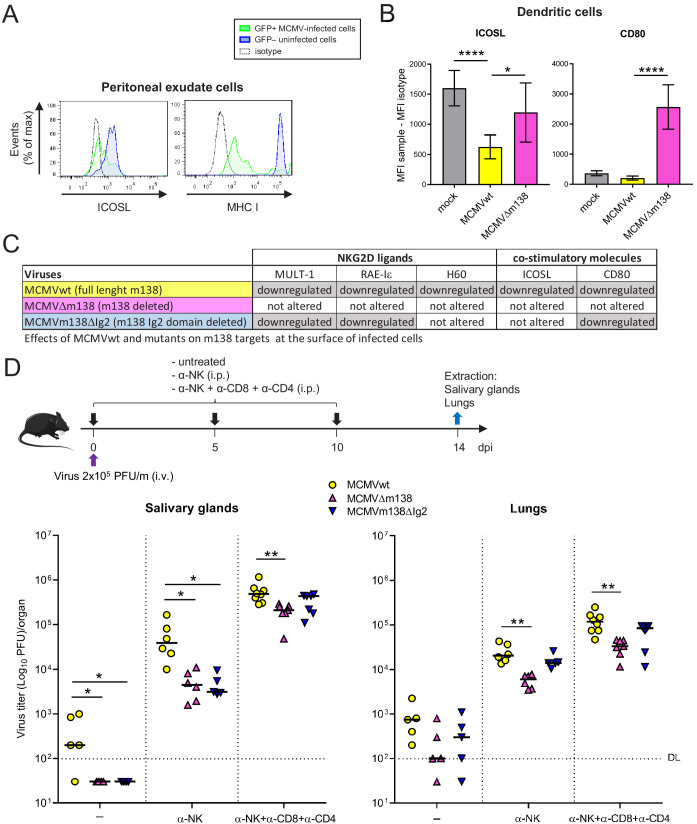
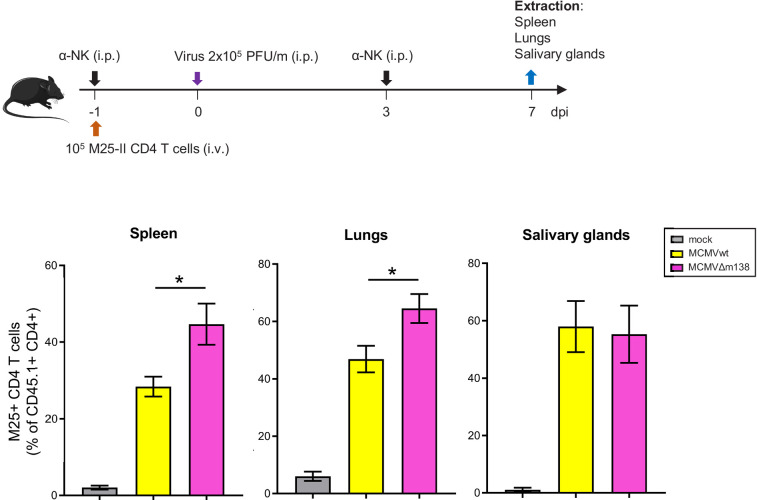
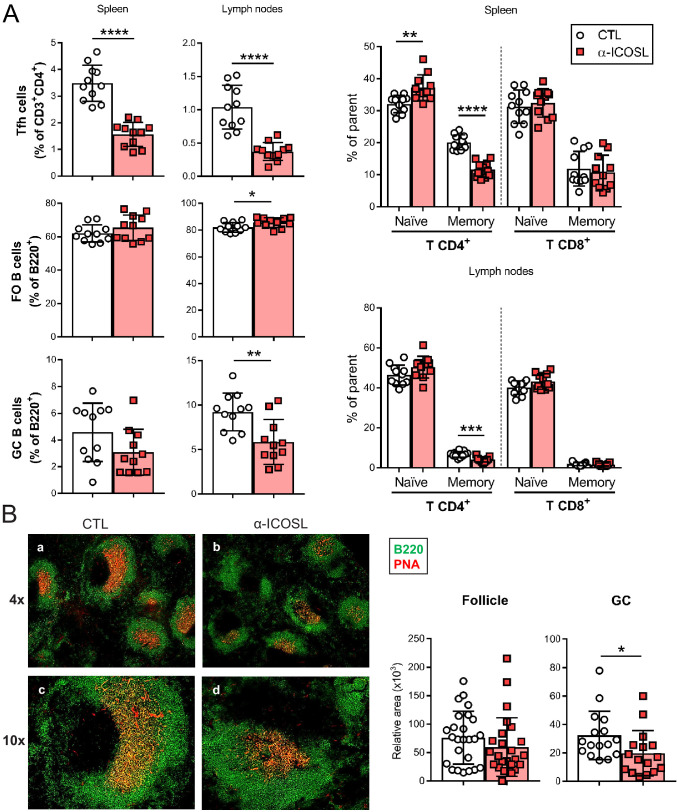
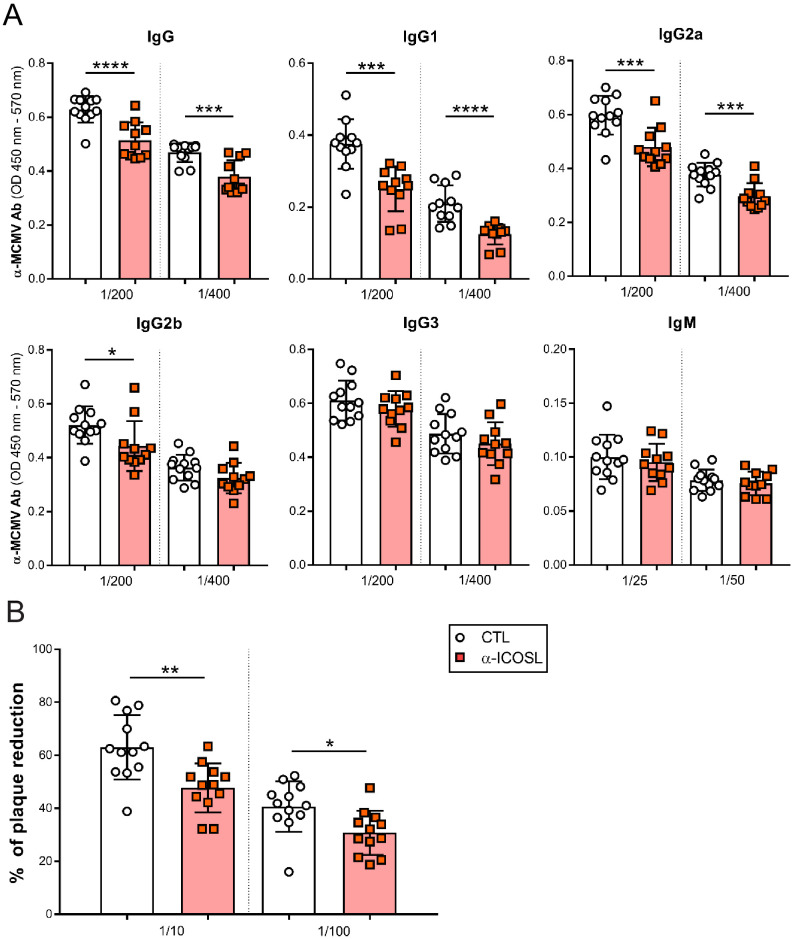
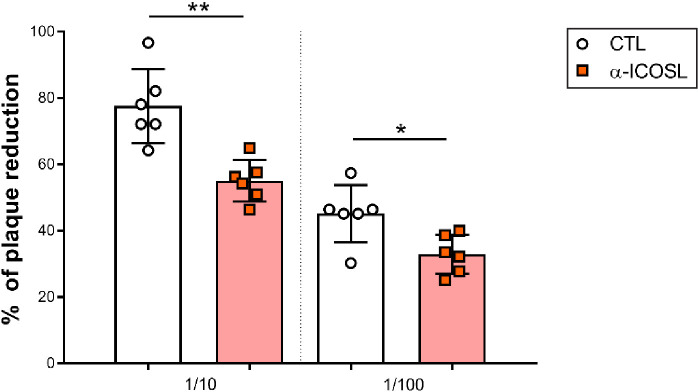
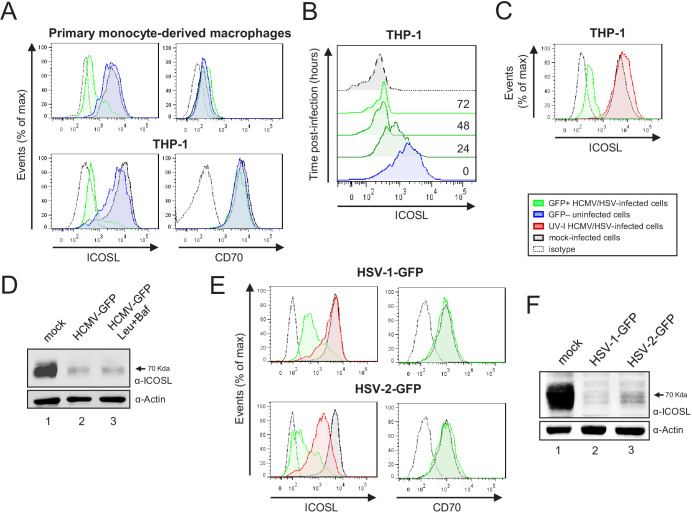
Viral infections are controlled, and very often cleared, by activated T lymphocytes. The inducible co-stimulator (ICOS) mediates its functions by binding to its ligand ICOSL, enhancing T-cell activation and optimal germinal center (GC) formation. Here, we show that ICOSL is heavily downmodulated during infection of antigen-presenting cells by different herpesviruses. We found that, in murine cytomegalovirus (MCMV), the immunoevasin m138/fcr-1 physically interacts with ICOSL, impeding its maturation and promoting its lysosomal degradation. This viral protein counteracts T-cell responses, in an ICOS-dependent manner, and limits virus control during the acute MCMV infection. Additionally, we report that blockade of ICOSL in MCMV-infected mice critically regulates the production of MCMV-specific antibodies due to a reduction of T follicular helper and GC B cells. Altogether, these findings reveal a novel mechanism evolved by MCMV to counteract adaptive immune surveillance, and demonstrates a role of the ICOS:ICOSL axis in the host defense against herpesviruses.
病毒感染可由活化的T淋巴细胞控制,并且通常能够清除。诱导性共刺激分子(ICOS)通过与其配体ICOSL结合来介导其功能,增强T细胞活化以及促进生发中心(GC)的最佳形成。在此,我们表明,在不同疱疹病毒感染抗原呈递细胞的过程中,ICOSL会大量下调。我们发现,在小鼠巨细胞病毒(MCMV)中,免疫逃逸蛋白m138/fcr-1与ICOSL发生物理相互作用,阻碍其成熟并促进其溶酶体降解。这种病毒蛋白以ICOS依赖的方式对抗T细胞反应,并在急性MCMV感染期间限制病毒的控制。此外,我们报告称,在感染MCMV的小鼠中阻断ICOSL会由于T滤泡辅助细胞和GC B细胞减少而严重调节MCMV特异性抗体的产生。总之,这些发现揭示了MCMV进化出的一种对抗适应性免疫监视的新机制,并证明了ICOS:ICOSL轴在宿主对抗疱疹病毒防御中的作用。