Centre for Neuroendocrinology and Department of Physiology, University of Otago School of Biomedical Sciences, Dunedin, New Zealand.
Department of Physiology, Development and Neuroscience, University of Cambridge, Cambridge, United Kingdom.
Elife. 2021 Jan 19;10:e62455. doi: 10.7554/eLife.62455.
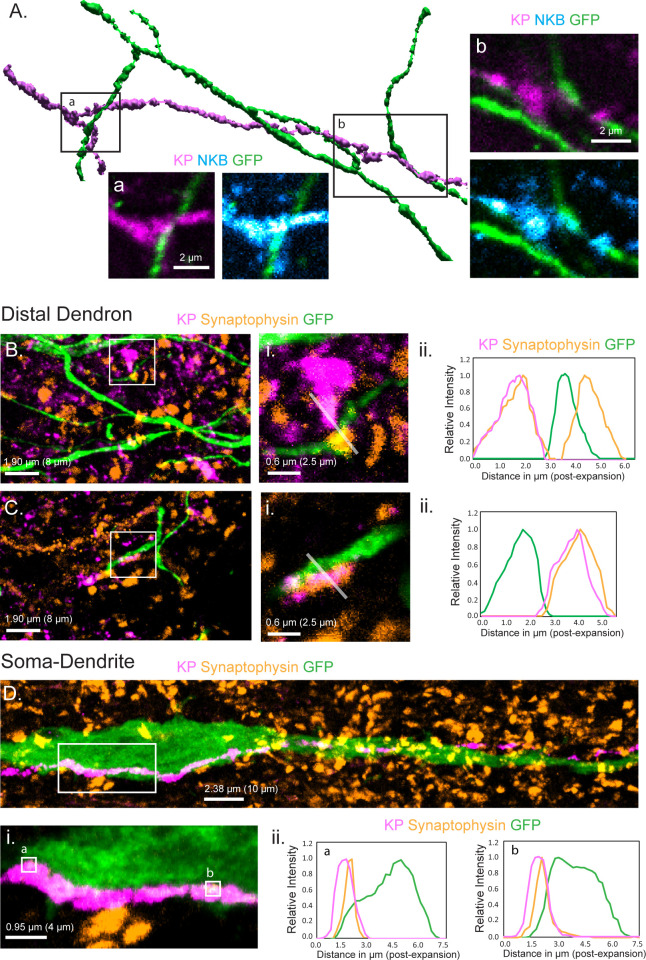
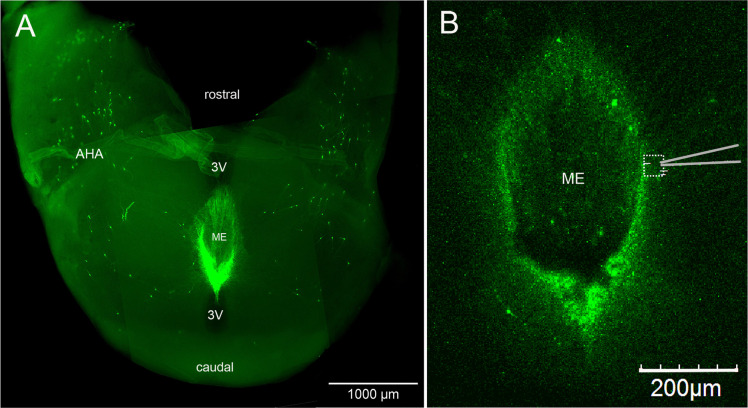
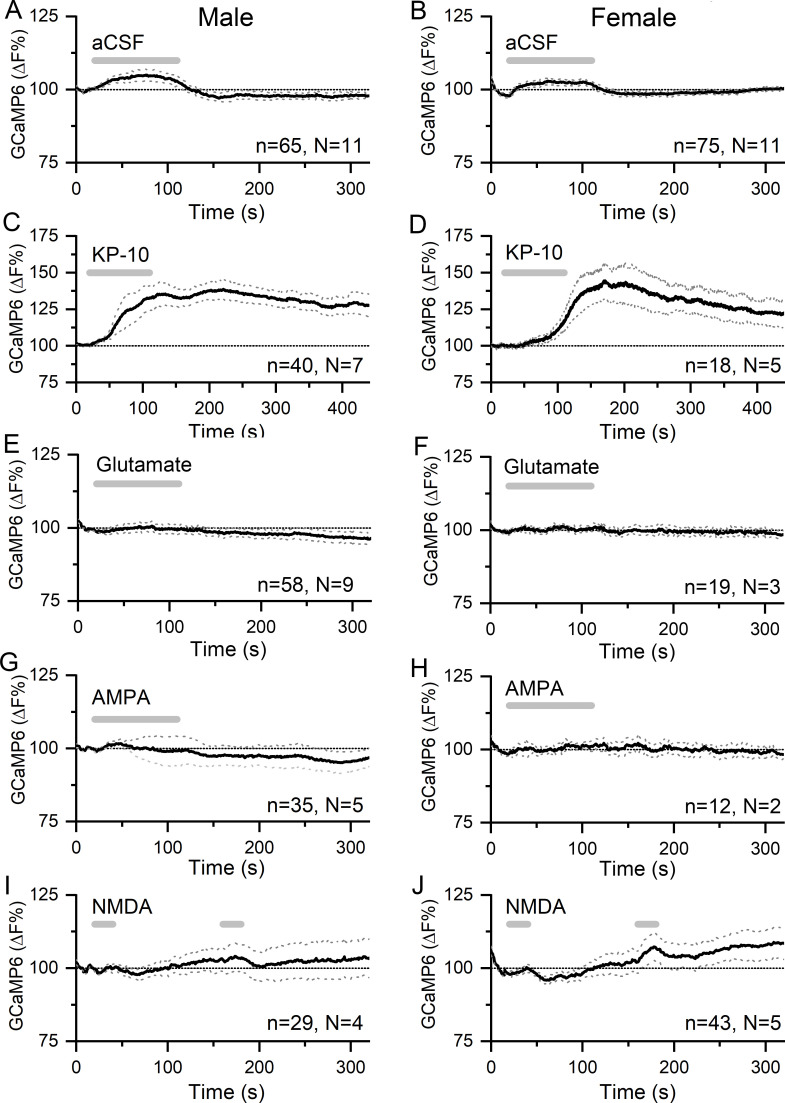
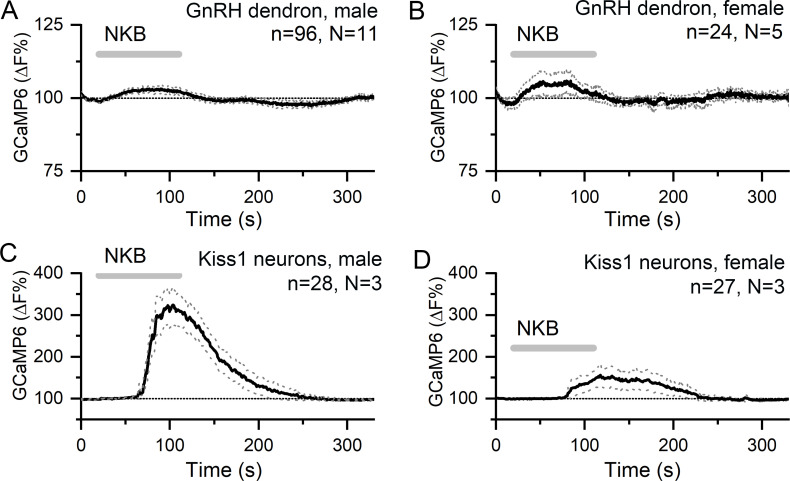
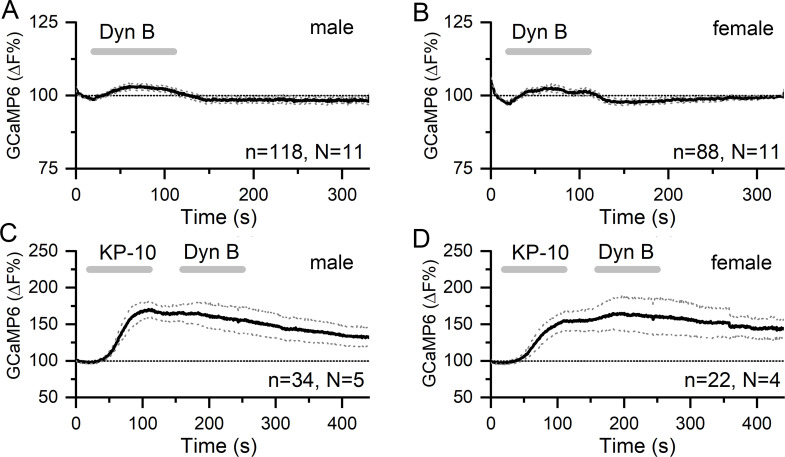
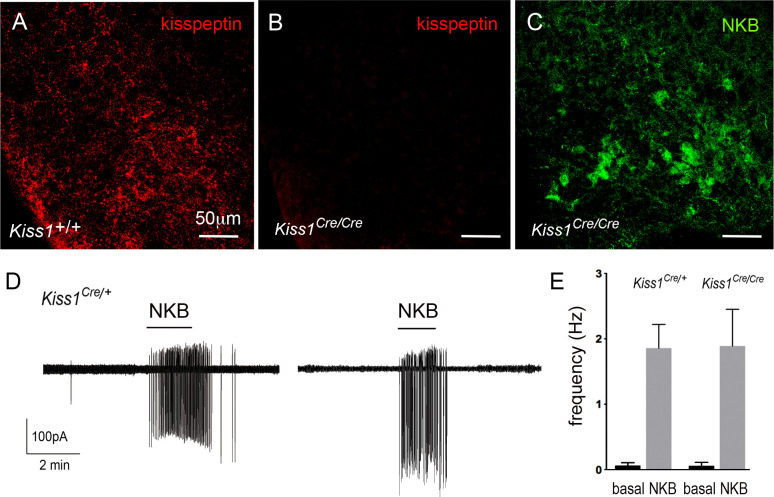
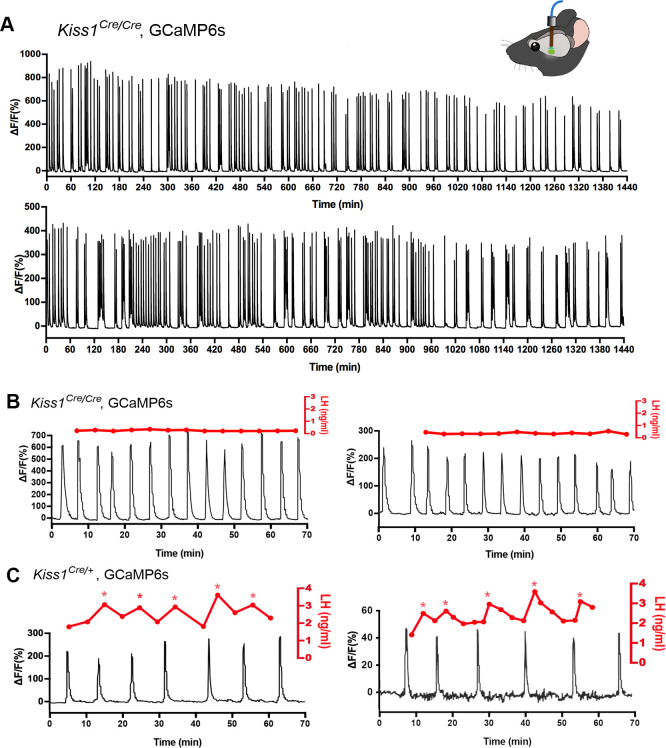
The necessity and functional significance of neurotransmitter co-transmission remains unclear. The glutamatergic 'KNDy' neurons co-express kisspeptin, neurokinin B (NKB), and dynorphin and exhibit a highly stereotyped synchronized behavior that reads out to the gonadotropin-releasing hormone (GnRH) neuron dendrons to drive episodic hormone secretion. Using expansion microscopy, we show that KNDy neurons make abundant close, non-synaptic appositions with the GnRH neuron dendron. Electrophysiology and confocal GCaMP6 imaging demonstrated that, despite all three neuropeptides being released from KNDy terminals, only kisspeptin was able to activate the GnRH neuron dendron. Mice with a selective deletion of kisspeptin from KNDy neurons failed to exhibit pulsatile hormone secretion but maintained synchronized episodic KNDy neuron behavior that is thought to depend on recurrent NKB and dynorphin transmission. This indicates that KNDy neurons drive episodic hormone secretion through highly redundant neuropeptide co-transmission orchestrated by differential post-synaptic neuropeptide receptor expression at the GnRH neuron dendron and KNDy neuron.
神经递质共传递的必要性和功能意义尚不清楚。谷氨酸能“KNDy”神经元共表达 kisspeptin、神经激肽 B(NKB)和强啡肽,并表现出高度刻板的同步行为,这种行为会读出到促性腺激素释放激素(GnRH)神经元树突,以驱动阵发性激素分泌。使用扩展显微镜,我们表明 KNDy 神经元与 GnRH 神经元树突形成大量密切的非突触贴合。电生理学和共聚焦 GCaMP6 成像表明,尽管所有三种神经肽都从 KNDy 末端释放,但只有 kisspeptin 能够激活 GnRH 神经元树突。从 KNDy 神经元中选择性缺失 kisspeptin 的小鼠未能表现出脉冲式激素分泌,但维持了同步的阵发性 KNDy 神经元行为,这种行为被认为依赖于反复的 NKB 和强啡肽传递。这表明 KNDy 神经元通过 GnRH 神经元树突和 KNDy 神经元上差异的突触后神经肽受体表达来协调高度冗余的神经肽共传递,从而驱动阵发性激素分泌。