Jayaseelan Dhinu J, Mischke John J, Strazzulla Raymond L
Program in Physical Therapy, Department of Health, Human Function and Rehabilitation Sciences, The George Washington University, Washington, DC 20006, USA.
School of Physical Therapy and Rehabilitation Science, University of Montana, Missoula, MT 59812, USA.
J Funct Morphol Kinesiol. 2019 Jun 5;4(2):34. doi: 10.3390/jfmk4020034.
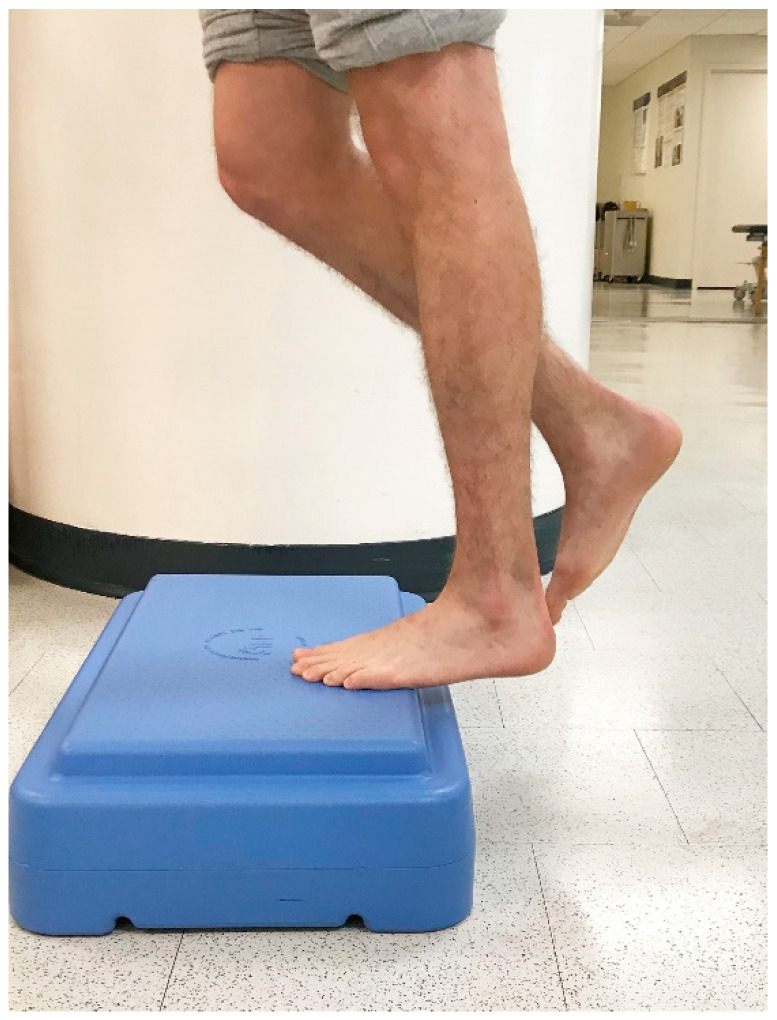
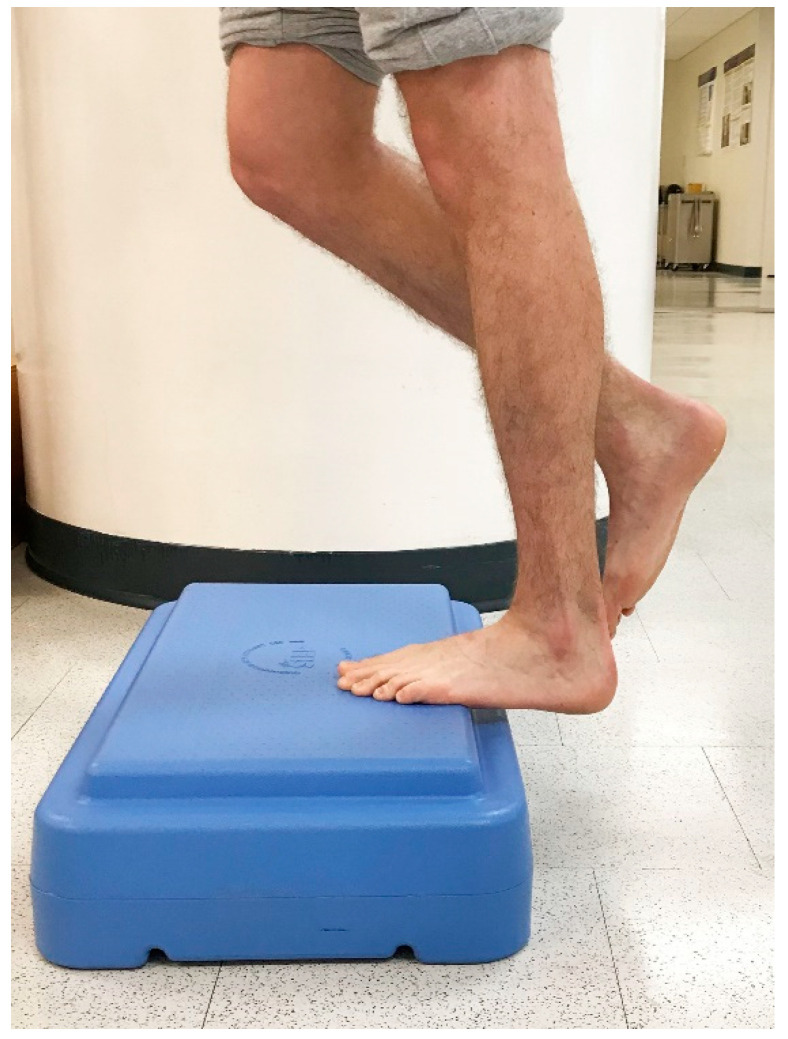
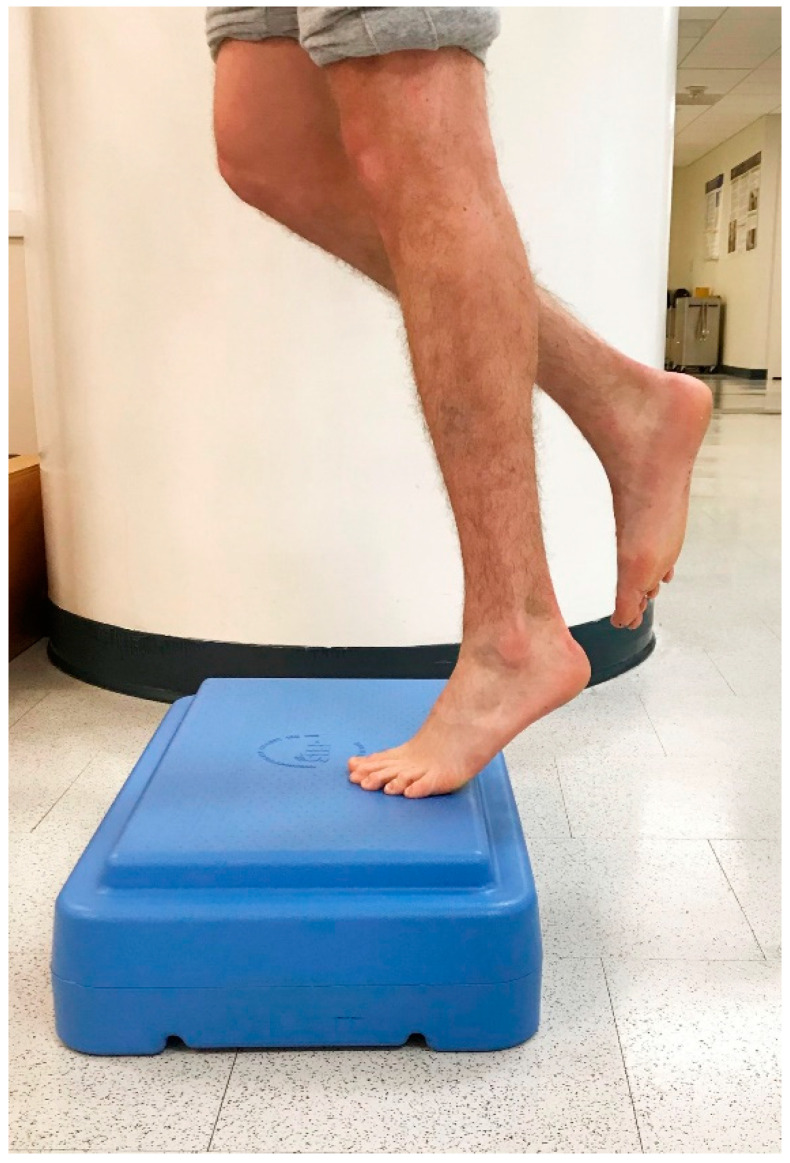
Achilles tendinopathy is a common health condition encountered in the orthopedic and sports medicine settings. Eccentric exercise is a common intervention in the management of pain and limited function for this patient population, although contemporary evidence suggests additional exercise methods may be effective as well.
Narrative review: Methods: A literature review was performed using the electronic databases Pubmed and PEDRO for articles through February 2019. Randomized clinical trials integrating eccentric exercise, with or without co-interventions, were evaluated. Outcomes related to pain and/or function were considered. A patient case is provided to highlight decision making processes related to clinical prescription of eccentrics for Achilles tendinopathy.
After screening titles and abstracts, seven studies were included for full review. Two articles compared eccentric exercise to a control group, four compared eccentrics to the use of modalities, while one used eccentric exercise as part of a multimodal intervention. In each case, eccentric exercise was effective in reducing pain and improving function. In comparison to other forms of exercise or additional interventions, eccentric exercise was frequently not more effective than other options.
Eccentric exercise has been associated with clinical benefit in improving pain and function for patients with Achilles tendinopathy. Despite the available evidence reporting effectiveness of eccentrics, other options may be equally useful. Appropriate load modification and exercise prescription for patients with Achilles tendinopathy requires systematic clinical reasoning and incorporation of patient values to optimize outcomes.
跟腱病是骨科和运动医学领域常见的健康问题。离心运动是针对该患者群体疼痛和功能受限进行管理的常用干预措施,尽管当代证据表明其他运动方法可能同样有效。
叙述性综述。方法:使用电子数据库PubMed和PEDRO对截至2019年2月的文章进行文献综述。评估了整合离心运动(有无联合干预)的随机临床试验。考虑了与疼痛和/或功能相关的结果。提供了一个患者案例,以突出与跟腱病离心运动临床处方相关的决策过程。
在筛选标题和摘要后,纳入了七项研究进行全面审查。两篇文章将离心运动与对照组进行了比较,四篇将离心运动与使用物理治疗方法进行了比较,而一篇将离心运动用作多模式干预的一部分。在每种情况下,离心运动在减轻疼痛和改善功能方面均有效。与其他形式的运动或额外干预相比,离心运动通常并不比其他选择更有效。
离心运动与改善跟腱病患者的疼痛和功能的临床益处相关。尽管现有证据表明离心运动有效,但其他选择可能同样有用。为跟腱病患者进行适当的负荷调整和运动处方需要系统的临床推理并纳入患者价值观以优化结果。