Department for Systems Medicine and Epigenetics, German Center for Neurodegenerative Diseases (DZNE), Göttingen, Germany.
Clinic of Cardiology and Pneumology, Georg-August-University, Göttingen, Germany.
EMBO Mol Med. 2021 Mar 5;13(3):e11900. doi: 10.15252/emmm.201911900. Epub 2021 Jan 20.
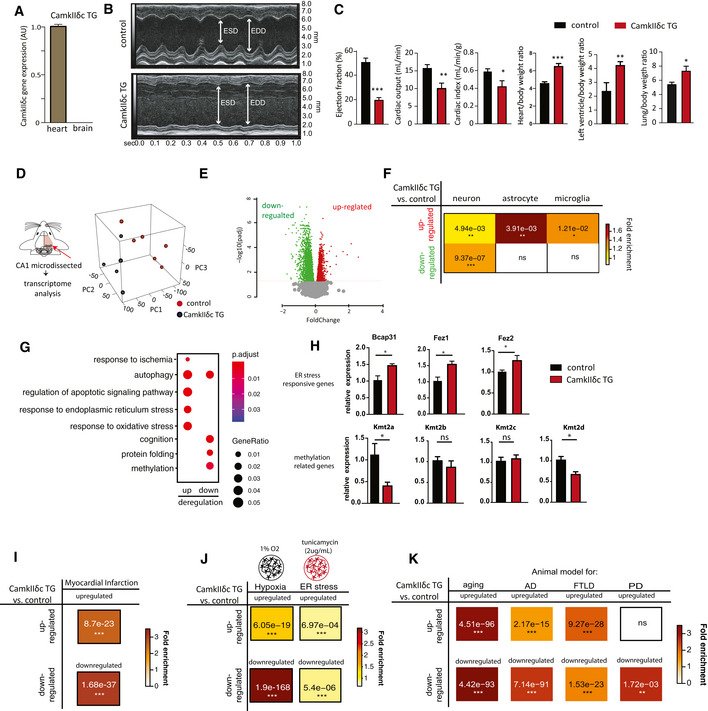
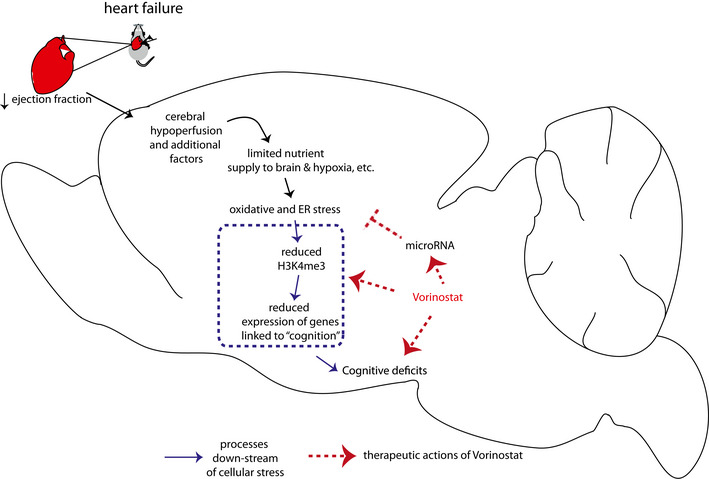
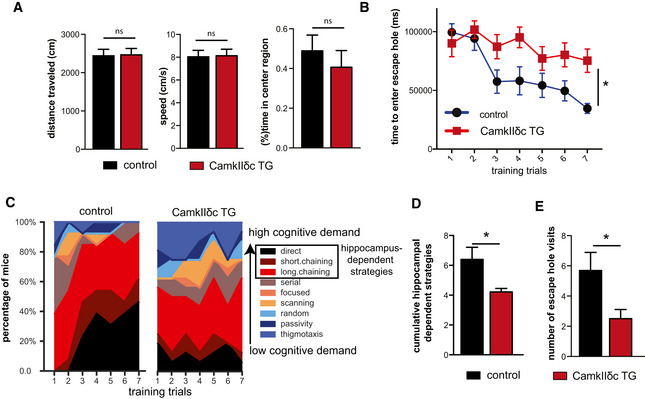
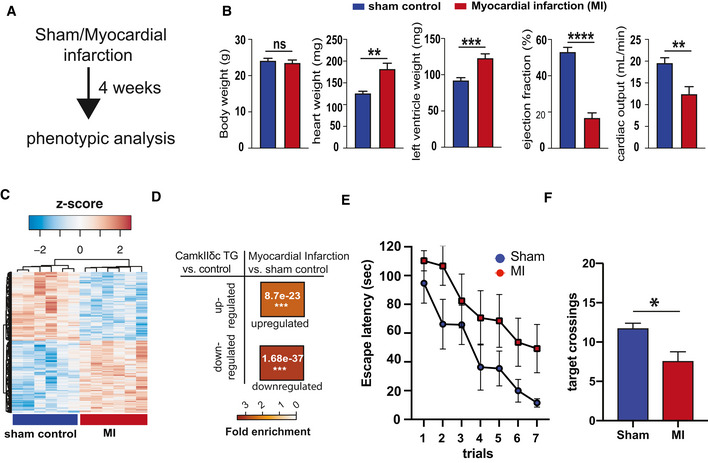
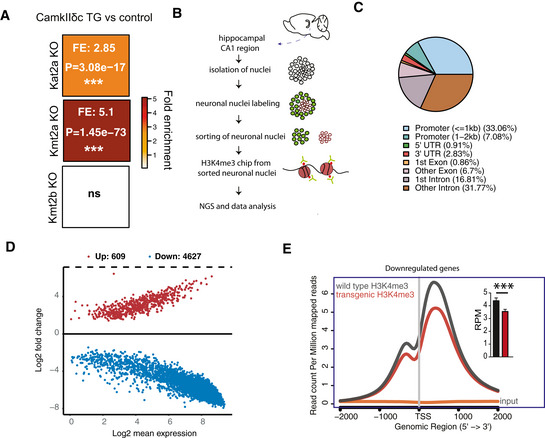
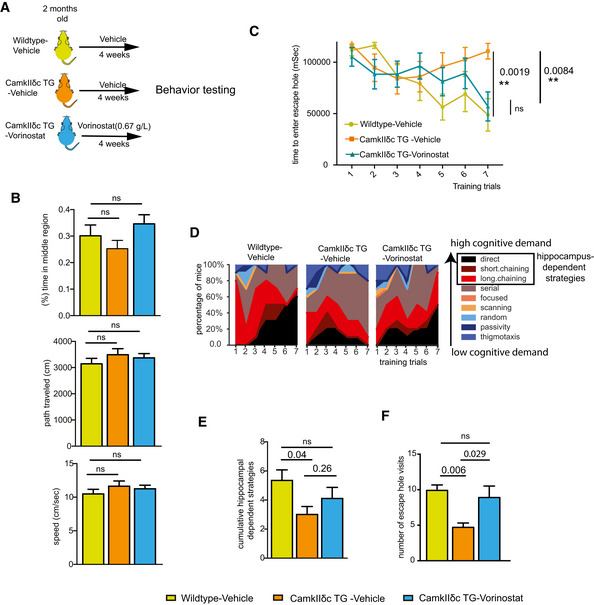
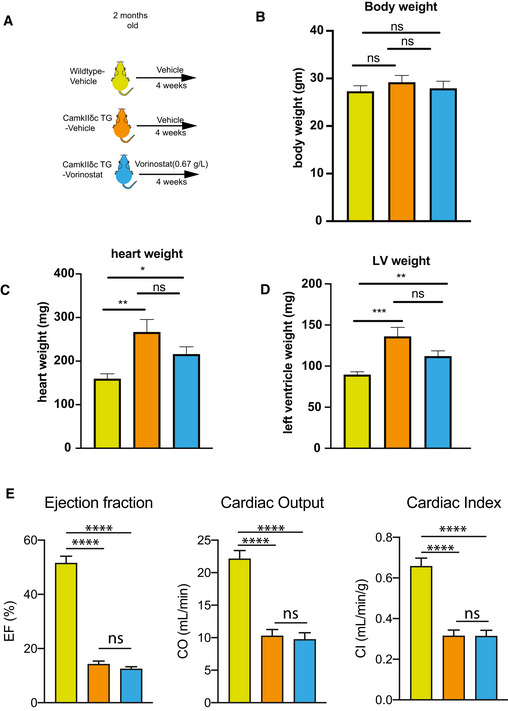
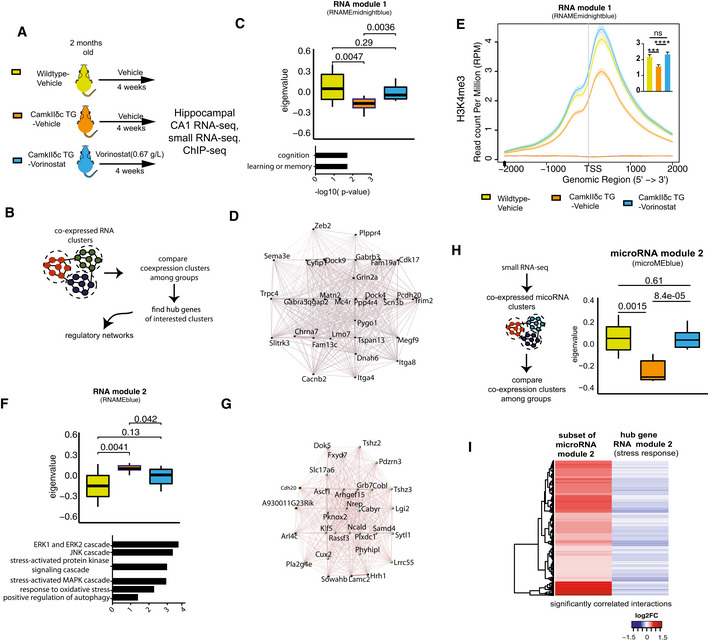
In current clinical practice, care of diseased patients is often restricted to separated disciplines. However, such an organ-centered approach is not always suitable. For example, cognitive dysfunction is a severe burden in heart failure patients. Moreover, these patients have an increased risk for age-associated dementias. The underlying molecular mechanisms are presently unknown, and thus, corresponding therapeutic strategies to improve cognition in heart failure patients are missing. Using mice as model organisms, we show that heart failure leads to specific changes in hippocampal gene expression, a brain region intimately linked to cognition. These changes reflect increased cellular stress pathways which eventually lead to loss of neuronal euchromatin and reduced expression of a hippocampal gene cluster essential for cognition. Consequently, mice suffering from heart failure exhibit impaired memory function. These pathological changes are ameliorated via the administration of a drug that promotes neuronal euchromatin formation. Our study provides first insight to the molecular processes by which heart failure contributes to neuronal dysfunction and point to novel therapeutic avenues to treat cognitive defects in heart failure patients.
在当前的临床实践中,对患病患者的护理通常局限于单独的学科。然而,这种以器官为中心的方法并不总是适用的。例如,认知功能障碍是心力衰竭患者的严重负担。此外,这些患者发生与年龄相关的痴呆症的风险增加。目前尚不清楚其潜在的分子机制,因此,缺乏改善心力衰竭患者认知的相应治疗策略。我们使用小鼠作为模型生物,证明心力衰竭导致海马基因表达的特异性变化,而海马是与认知密切相关的脑区。这些变化反映了细胞应激途径的增加,最终导致神经元常染色质丢失和对认知至关重要的海马基因簇表达减少。因此,患有心力衰竭的小鼠表现出记忆功能受损。通过给予促进神经元常染色质形成的药物,这些病理变化得到改善。我们的研究首次深入了解了心力衰竭导致神经元功能障碍的分子过程,并为治疗心力衰竭患者的认知缺陷提供了新的治疗途径。