Dyson Jessica Katharine, Blain Alasdair, Foster Shirley Mark David, Hudson Mark, Rushton Steven, Jeffreys Jones David Emrys
Translational and Clinical Research Institute, Newcastle University, Newcastle-upon-Tyne, UK.
Newcastle upon Tyne Hospitals NHS Foundation Trust, Newcastle-upon-Tyne, UK.
JHEP Rep. 2020 Nov 4;3(1):100202. doi: 10.1016/j.jhepr.2020.100202. eCollection 2021 Feb.
BACKGROUND & AIMS: Autoimmune liver disease (AILD) is thought to result from a complex interplay between genetics and the environment. Studies to date have focussed on primary biliary cholangitis (PBC) and demonstrated higher disease prevalence in more urban, polluted, and socially deprived areas. This study utilises a large cohort of patients with PBC and primary sclerosing cholangitis (PSC) to investigate potential environmental contributors to disease and to explore whether the geo-epidemiology of PBC and PSC are disease-specific or pertain to cholestatic AILD in general.
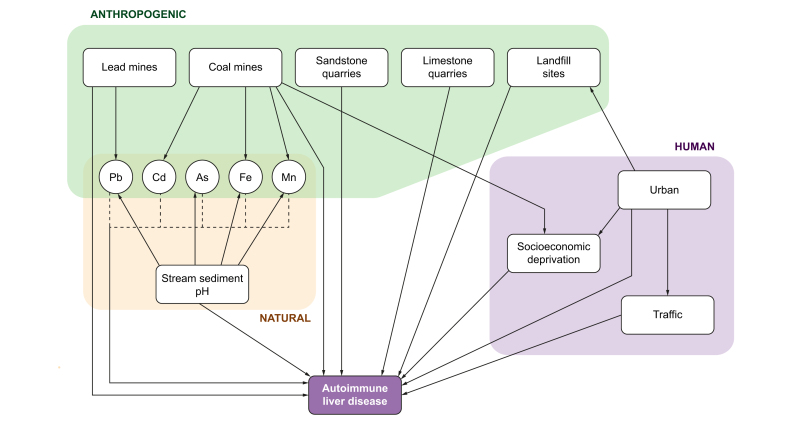
All adult patients with PBC and PSC in a tightly defined geographical area within the UK were identified. Point- and area-based analyses and structural equation modelling (SEM) were used to investigate for disease clustering and examine for relationships between prevalence, distribution of environmental contaminants, and socio-economic status.
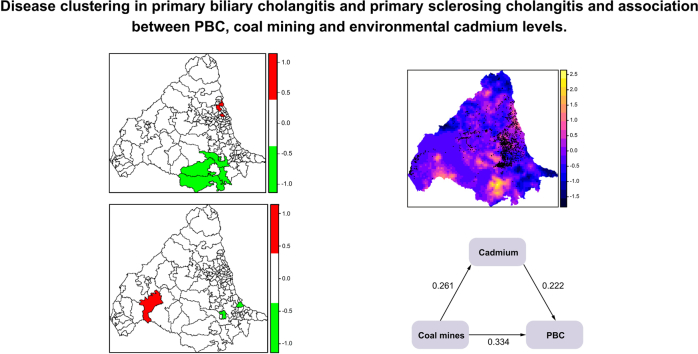
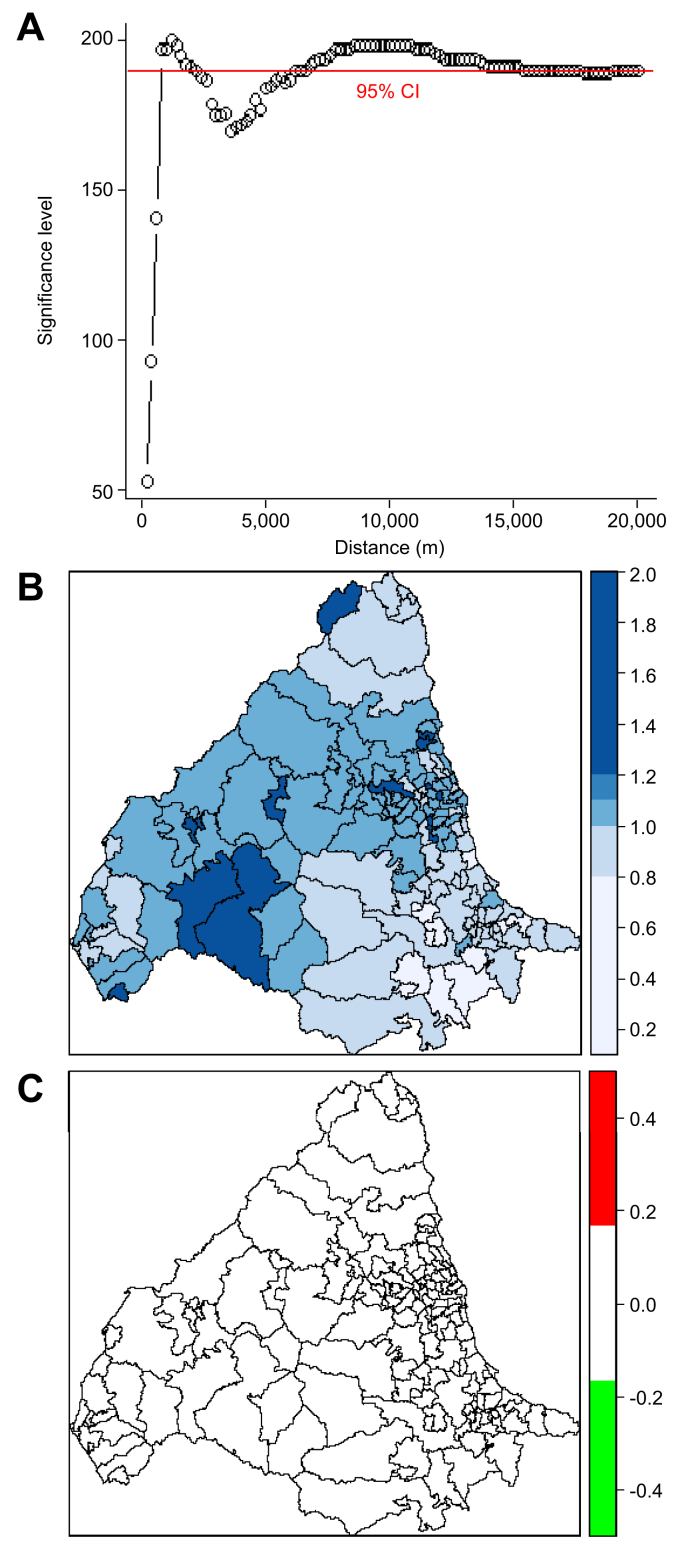
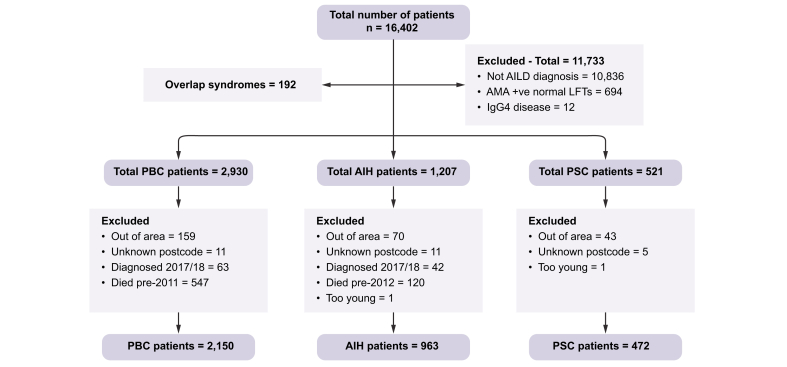
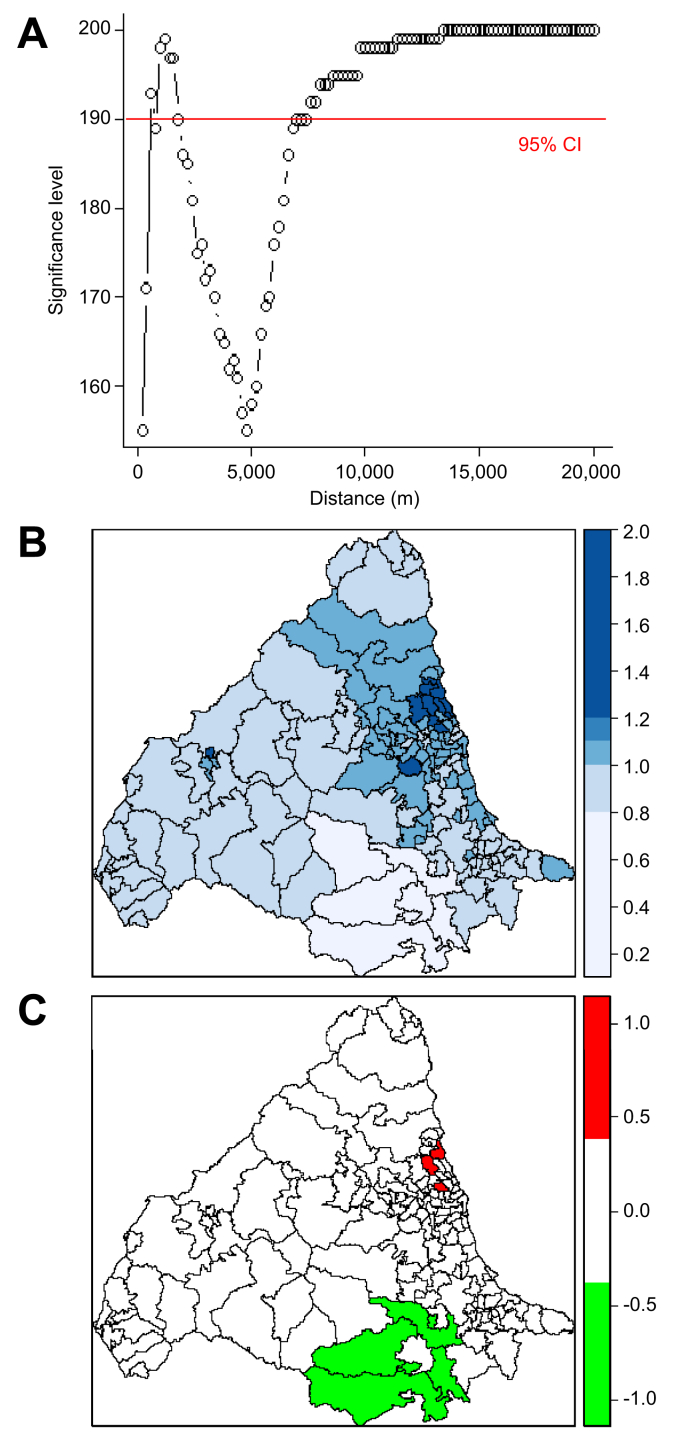
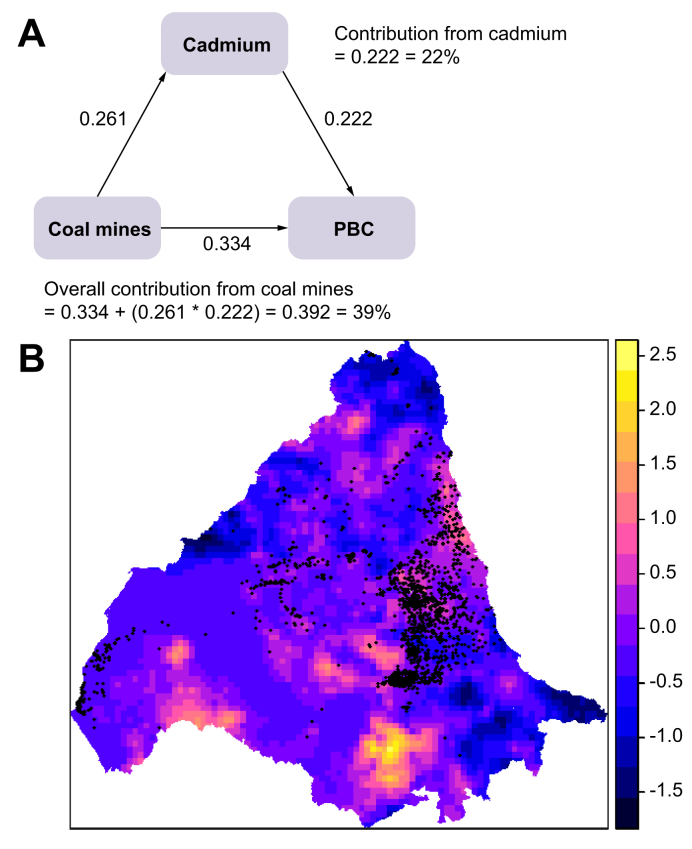
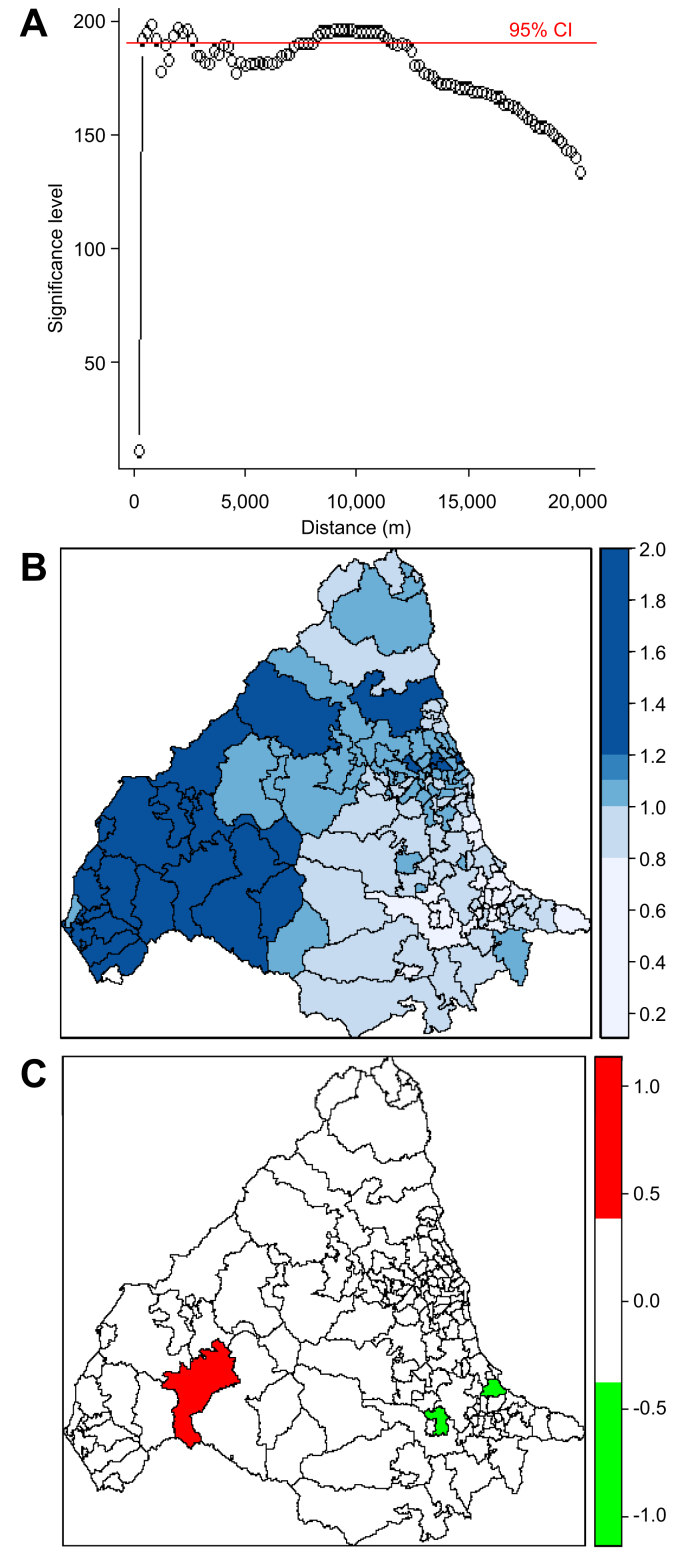
We identified 2,150 patients with PBC and 472 with PSC. Significant spatial clustering was seen for each disease. A high prevalence of PBC was found in urban, post-industrial areas with a strong coal-mining heritage and increased environmental cadmium levels, whereas a high PSC prevalence was found in rural areas and inversely associated with social deprivation.
This study demonstrates spatial clustering of PBC and PSC and adds to our understanding of potential environmental co-variates for both diseases. Disease clustering, within the same geographical area but over different scales, is confirmed for each disease with distinct risk profiles identified and associations with separate putative environmental factors and socio-economic status. This suggests that different triggers and alternative pathways determine phenotypic expression of autoimmunity in the affected population. Co-variate analysis points towards the existence of specific disease triggers.
This study looked for potential environmental triggers in patients with primary biliary cholangitis (PBC) and primary sclerosing cholangitis (PSC) living in the north-east of England and north Cumbria. We found that PBC was more common in urban areas with a history of coal mining and high levels of cadmium whereas PSC was more common in rural areas with lower levels of social deprivation.
自身免疫性肝病(AILD)被认为是遗传因素与环境因素复杂相互作用的结果。迄今为止的研究主要集中在原发性胆汁性胆管炎(PBC),并表明在城市、污染严重和社会贫困地区该病的患病率更高。本研究利用一大群原发性胆汁性胆管炎(PBC)和原发性硬化性胆管炎(PSC)患者,调查可能导致疾病的环境因素,并探讨PBC和PSC的地理流行病学是疾病特异性的,还是普遍适用于胆汁淤积性AILD。
确定了英国一个严格界定地理区域内所有成年PBC和PSC患者。采用基于点和区域的分析以及结构方程模型(SEM)来研究疾病聚集情况,并检验患病率、环境污染物分布和社会经济地位之间的关系。
我们确定了2150例PBC患者和472例PSC患者。每种疾病均出现显著的空间聚集现象。在有强大煤矿开采传统且环境镉含量增加的城市后工业化地区,PBC患病率较高,而在农村地区PSC患病率较高,且与社会贫困程度呈负相关。
本研究证明了PBC和PSC的空间聚集现象,并增进了我们对这两种疾病潜在环境协变量的理解。在同一地理区域但不同尺度上,每种疾病都证实了疾病聚集现象,确定了不同的风险特征,并与不同的假定环境因素和社会经济地位相关联。这表明不同的触发因素和替代途径决定了受影响人群自身免疫的表型表达。协变量分析表明存在特定的疾病触发因素。
本研究在居住在英格兰东北部和坎布里亚郡北部的原发性胆汁性胆管炎(PBC)和原发性硬化性胆管炎(PSC)患者中寻找潜在的环境触发因素。我们发现,PBC在有煤矿开采历史且镉含量高的城市地区更为常见,而PSC在社会贫困程度较低的农村地区更为常见。