Laboratory of Applied Chemistry and Chemical Engineering (LCAGC), University of Tizi-Ouzou, Tizi-Ouzou, Algeria.
High National School of Public Works (ENSTP), El Kouba, Algiers, Algeria.
Sci Rep. 2021 Jan 22;11(1):2090. doi: 10.1038/s41598-020-79069-5.
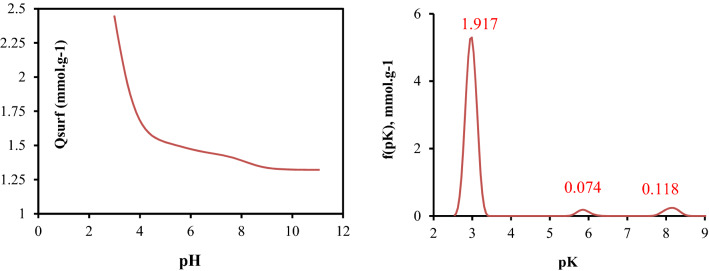
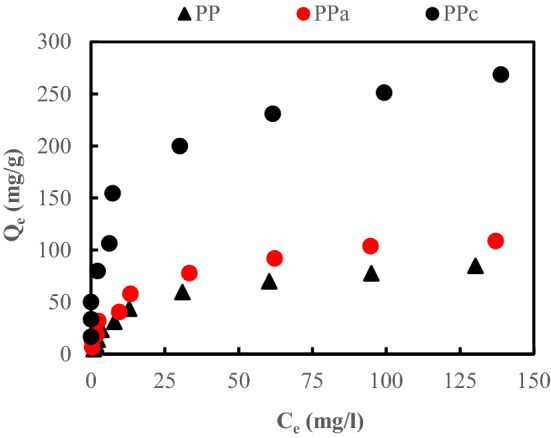
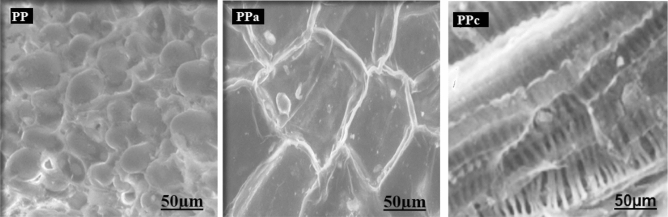
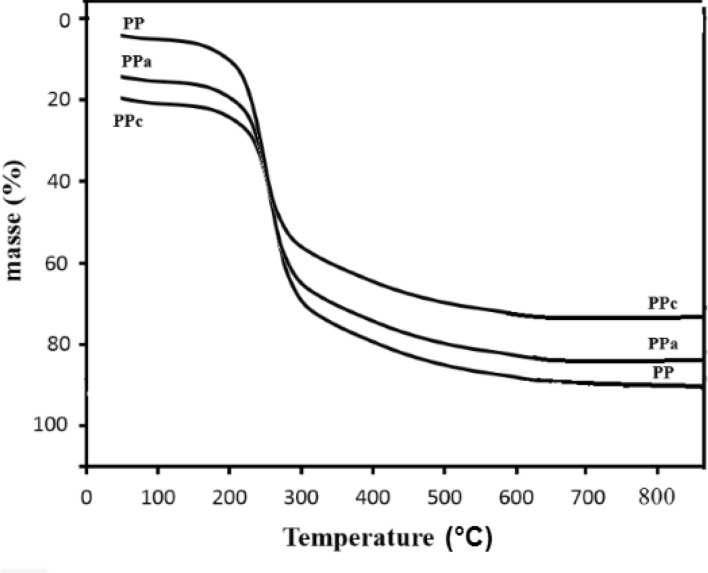
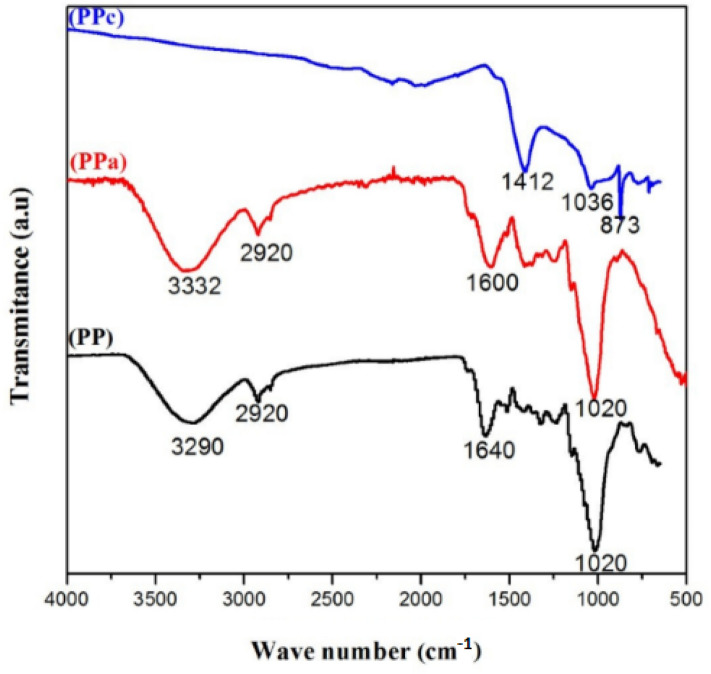
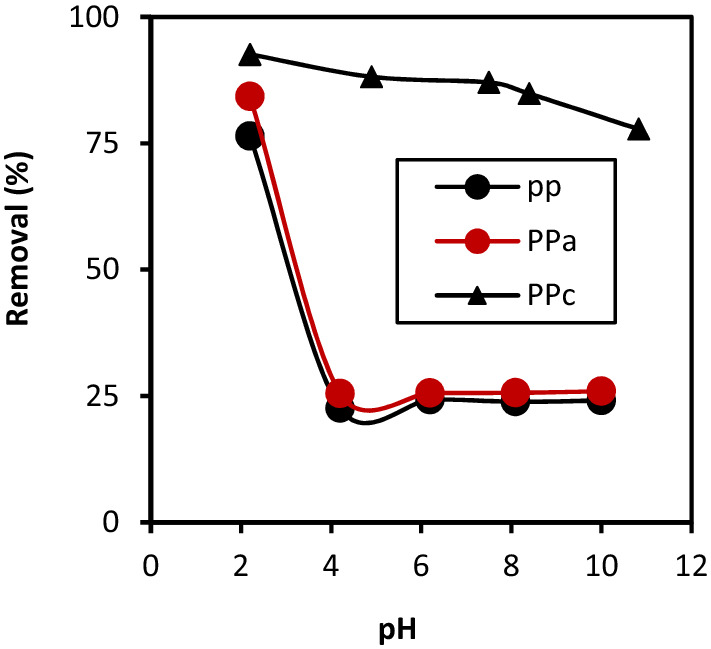
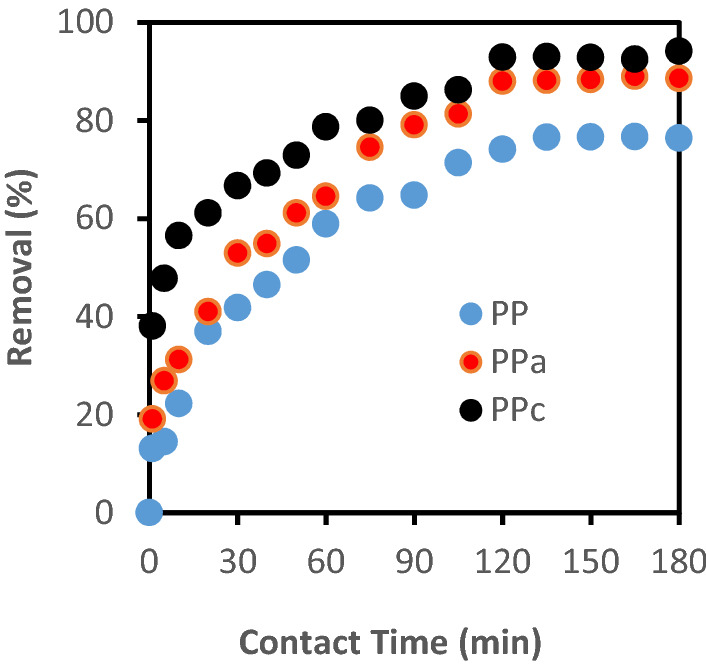
In the present study, the potato peel waste (PP) was used for the removal of the anionic dye Cibacron Blue P3R from an aqueous solution, activated with phosphoric acid (PPa) and calcined at 800 °C (PPc). The materials were characterized by Scanning Electron Microscope, Energy dispersive X-ray analysis and Fourier Transform Infrared Spectroscopy. The effects of various experimental parameters (pH, dye concentration, contact time) were also studied. The experimental results have shown that PPc has a greater capacity compared to pp and ppa. The capacity of PP bio-char (PPc) is 270.3 mg g compared to PP (100 mg g) and PPa (125 mg g). Equilibrium experiments at 180 min for all materials were carried out at optimum pH (2.2): 76.41, 88.6 and 94% for PP, PPa and PPc respectively; and the Langmuir models agreed very well with experimental data. The ability of sorbent for the sorption of CB dye follows this order: calcined > activated > native materials. Potato peel biochar (PPc) can be considered a promising adsorbent for removing persistent dyes from water.
在本研究中,利用磷酸(PPa)对马铃薯皮废料(PP)进行活化,并在 800°C 下煅烧(PPc),用于从水溶液中去除阴离子染料 Cibacron Blue P3R。通过扫描电子显微镜、能谱分析和傅里叶变换红外光谱对材料进行了表征。还研究了各种实验参数(pH、染料浓度、接触时间)的影响。实验结果表明,与 pp 和 ppa 相比,PPc 具有更大的容量。与 PP(100mg/g)和 PPa(125mg/g)相比,PP 生物炭(PPc)的容量为 270.3mg/g。在所有材料的最佳 pH(2.2)下进行 180 分钟的平衡实验,PP、PPa 和 PPc 的去除率分别为 76.41%、88.6%和 94%;并且 Langmuir 模型与实验数据非常吻合。吸附剂对 CB 染料的吸附能力依次为:煅烧>活化>天然材料。马铃薯皮生物炭(PPc)可被视为一种从水中去除持久性染料的有前途的吸附剂。