Yeganegi Masoud, Fattahi Pooia
University of Toronto, Toronto, Ontario Canada.
Jagiellonian University Medical College, Kraków, Poland.
SN Compr Clin Med. 2021;3(1):279-290. doi: 10.1007/s42399-021-00744-3. Epub 2021 Jan 16.
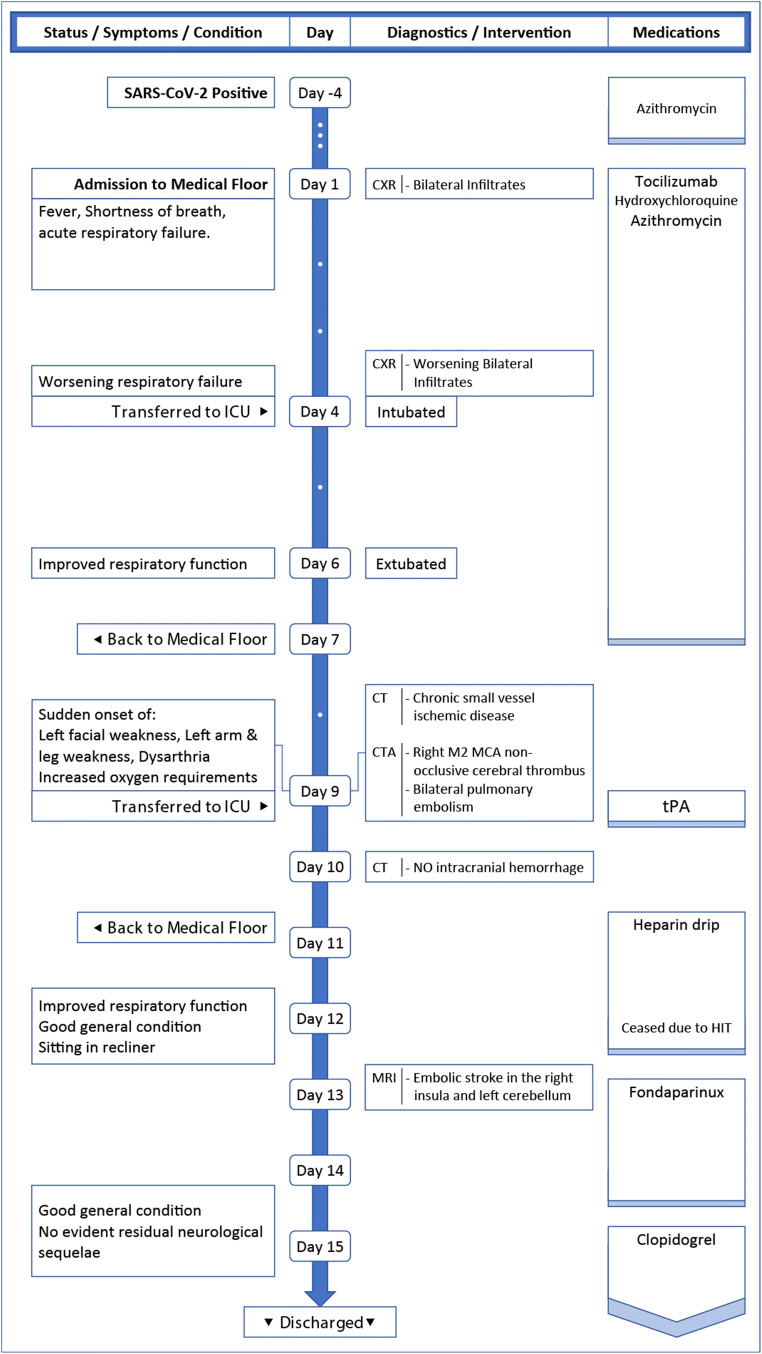
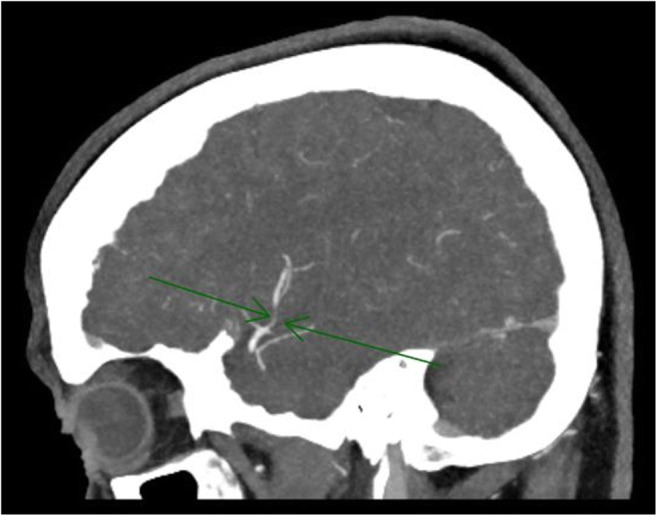
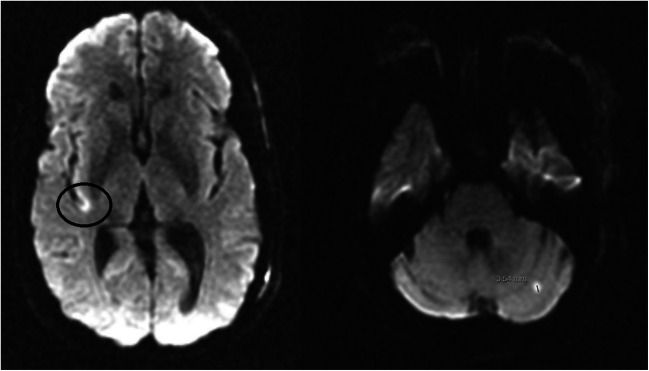
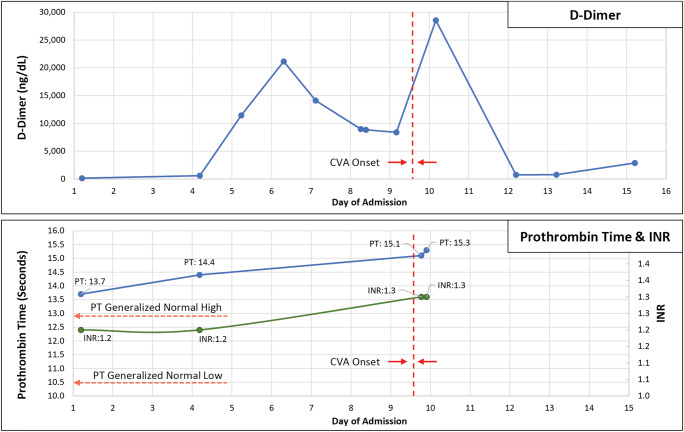
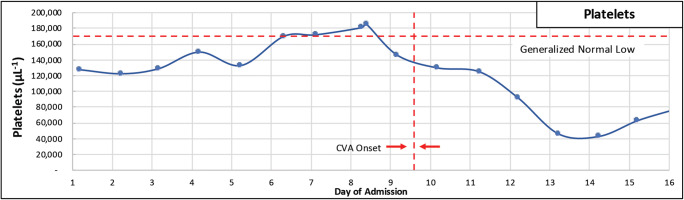
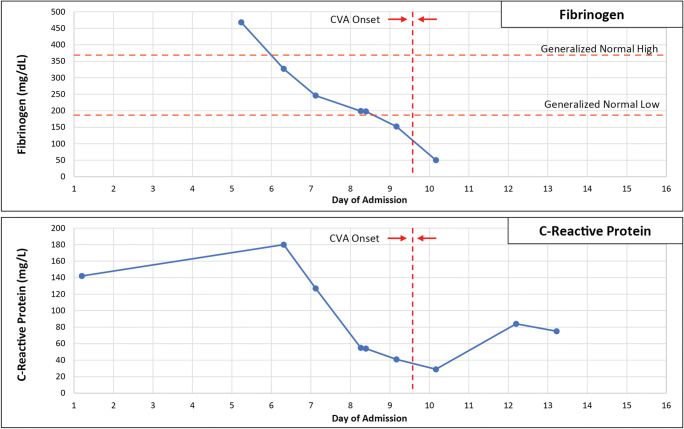
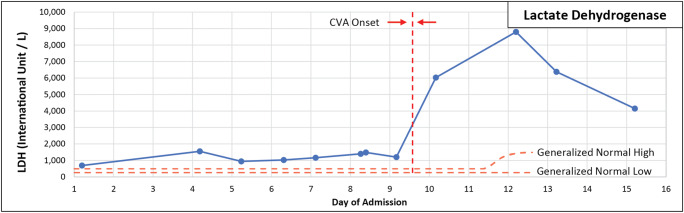
We discuss the current understanding of COVID-19's neurological implications, their basis, and the evolving clinical consensus with a focus on cerebrovascular stroke. We further illustrate the potential significance of these implications with the aid of an accompanying case report outlining the disease course and treatment of a COVID-19 patient suffering from ischemic stroke and pulmonary embolism. The ever-growing strain on the global healthcare system due to the spread of the novel coronavirus SARS-CoV-2 requires focused attention on urgent care of independent, coexisting, and associated comorbidities, including cerebrovascular accidents. For illustration purposes, we outline the case of a 68-year-old female presenting with COVID-19 subsequently complicated by bilateral pulmonary embolism and a right-sided cerebrovascular accident. The patient was successfully managed pharmacologically and discharged without significant neurological deficit. The evidence for a hypercoagulable state in this patient along with discussion of mechanistic bases, corroborative evidence from the literature, along with relevant guidance on screening, treatment, and prophylaxis is offered. Greater study of the pathogenesis of COVID-19-related cerebrovascular complications and revisiting current guidelines on their management including potentially heightened levels of thromboprophylaxis are warranted.
我们讨论了目前对新冠病毒(COVID-19)神经学影响的理解、其基础以及不断发展的临床共识,重点关注脑血管卒中。我们还借助一份病例报告进一步阐述了这些影响的潜在重要性,该病例报告概述了一名患有缺血性卒中和肺栓塞的COVID-19患者的病程及治疗情况。由于新型冠状病毒SARS-CoV-2的传播,全球医疗系统面临的压力与日俱增,这就需要重点关注对包括脑血管意外在内的独立、并存及相关合并症的紧急护理。为便于说明,我们概述了一名68岁女性的病例,该患者最初表现为COVID-19,随后并发双侧肺栓塞和右侧脑血管意外。该患者通过药物治疗成功治愈,出院时无明显神经功能缺损。我们提供了该患者高凝状态的证据,讨论了其机制基础、文献中的佐证证据以及关于筛查、治疗和预防的相关指导。有必要对COVID-19相关脑血管并发症的发病机制进行更多研究,并重新审视当前关于其管理的指南,包括可能提高的血栓预防水平。