Gregor Mendel Institute (GMI), Austrian Academy of Sciences, Vienna, Austria.
Department of Genetics, University of Leicester, Leicester, United Kingdom.
Elife. 2021 Jan 25;10:e61894. doi: 10.7554/eLife.61894.
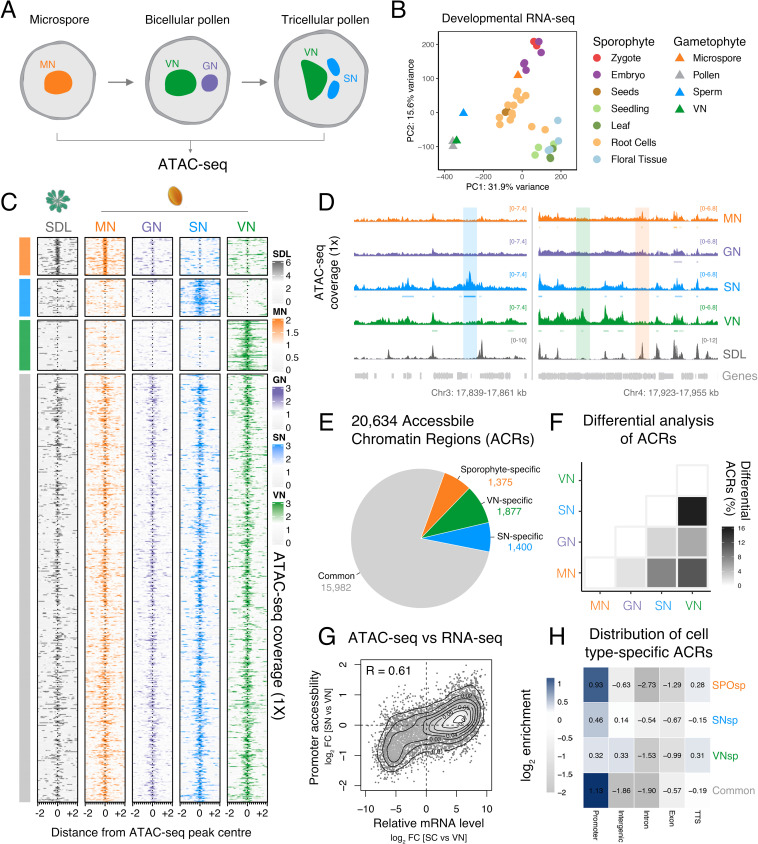
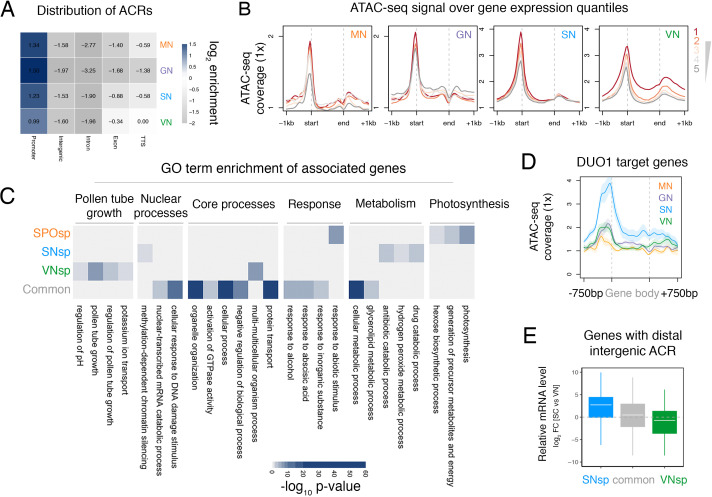
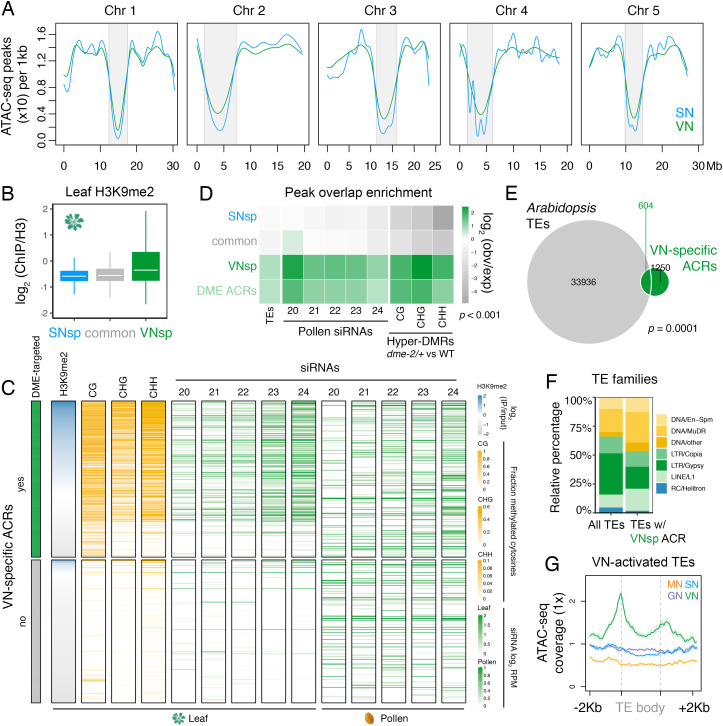
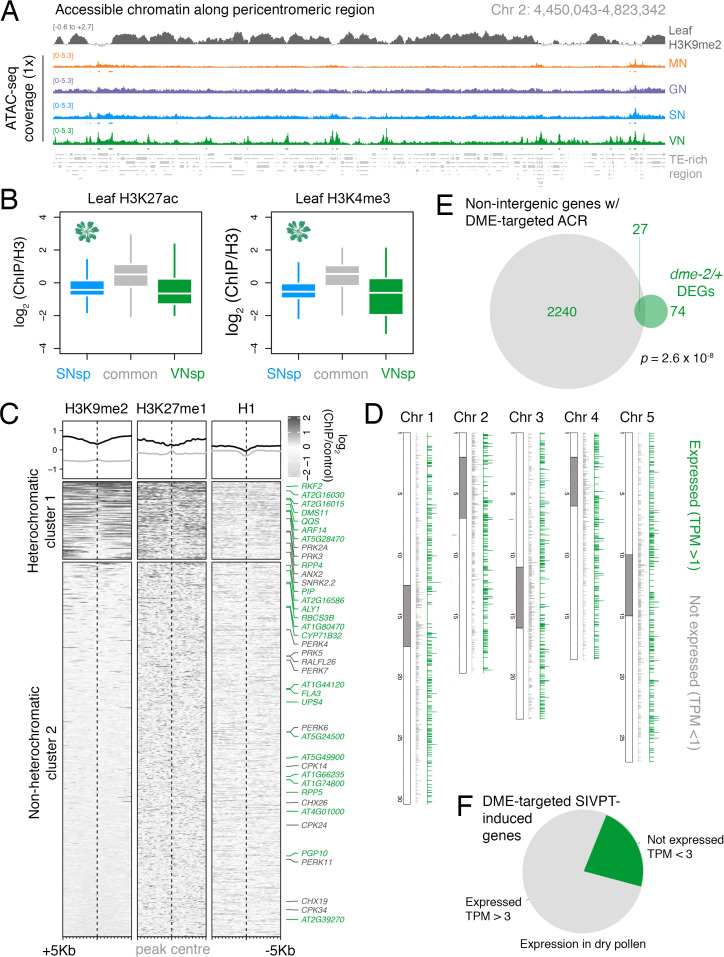
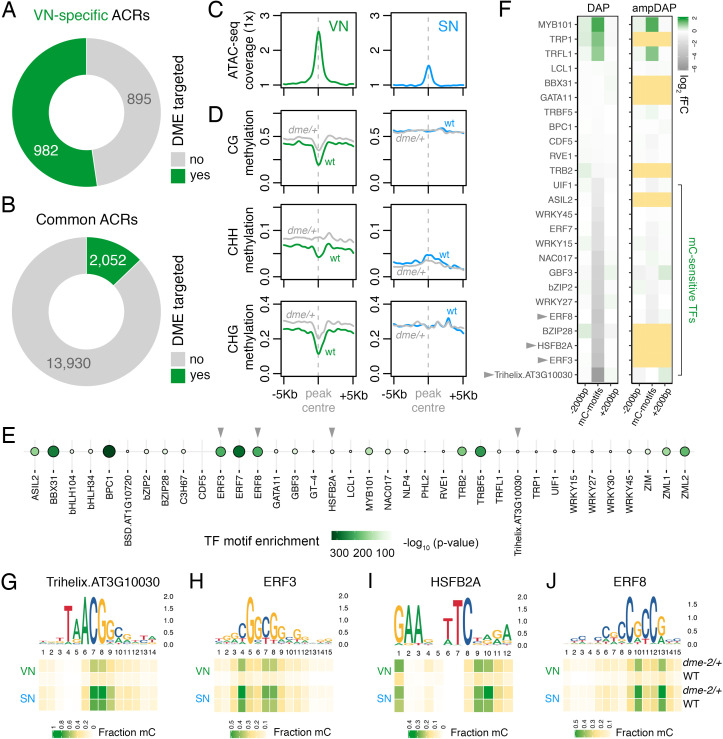
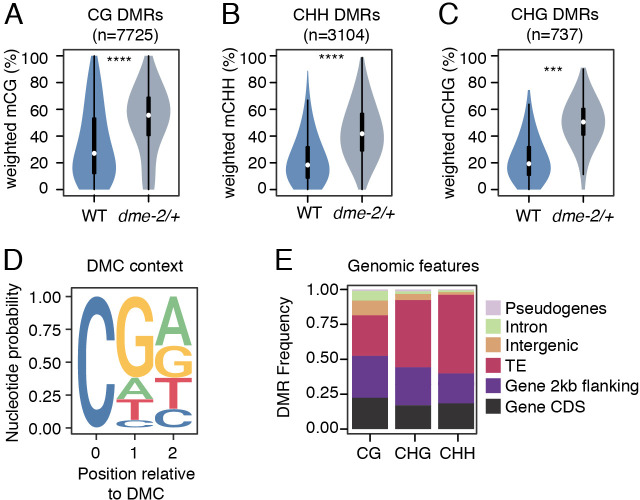
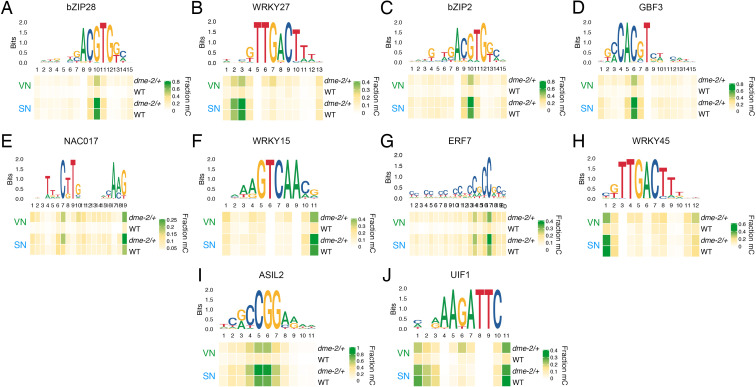
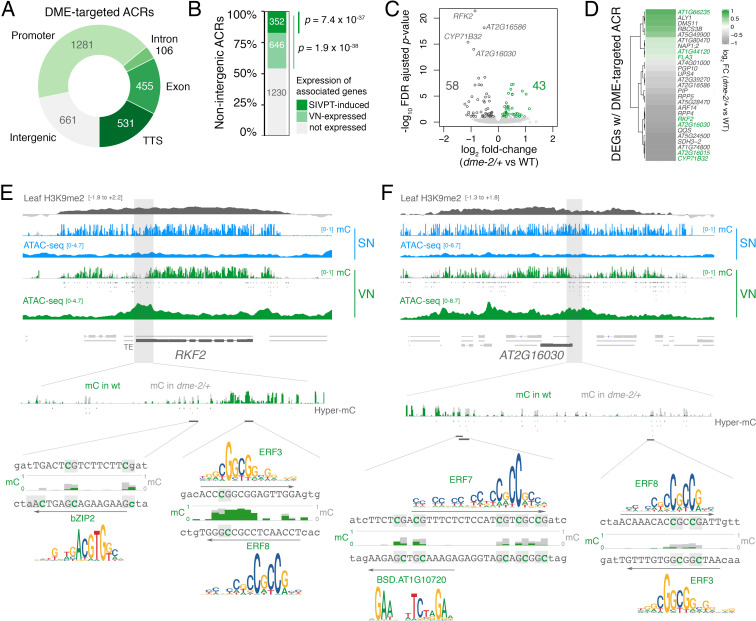
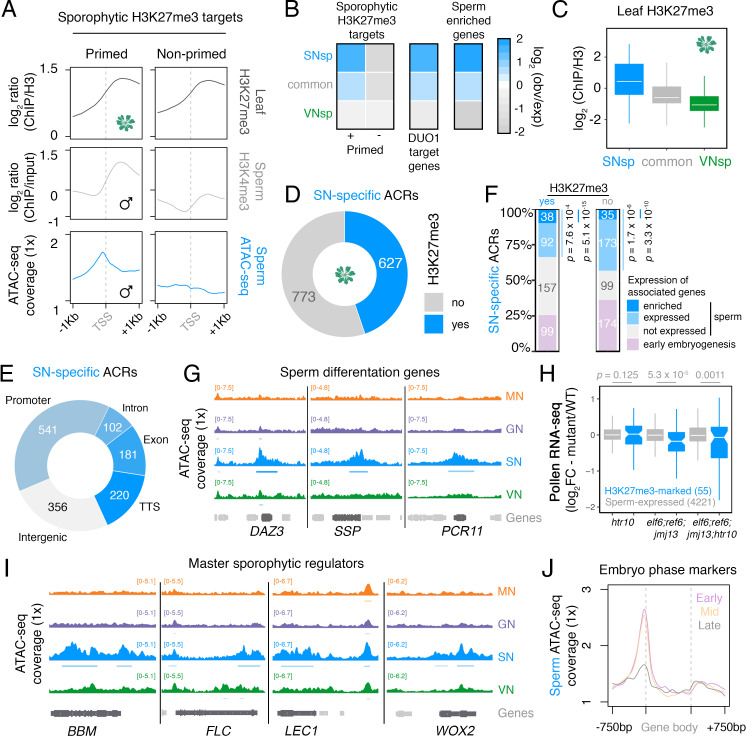
Alternation between morphologically distinct haploid and diploid life forms is a defining feature of most plant and algal life cycles, yet the underlying molecular mechanisms that govern these transitions remain unclear. Here, we explore the dynamic relationship between chromatin accessibility and epigenetic modifications during life form transitions in Arabidopsis. The diploid-to-haploid life form transition is governed by the loss of H3K9me2 and DNA demethylation of transposon-associated -regulatory elements. This event is associated with dramatic changes in chromatin accessibility and transcriptional reprogramming. In contrast, the global loss of H3K27me3 in the haploid form shapes a chromatin accessibility landscape that is poised to re-initiate the transition back to diploid life after fertilisation. Hence, distinct epigenetic reprogramming events rewire transcription through major reorganisation of the regulatory epigenome to guide the alternation of generations in flowering plants.
形态上明显不同的单倍体和二倍体生活形式的交替是大多数植物和藻类生命周期的一个决定性特征,但控制这些转变的潜在分子机制仍不清楚。在这里,我们探索了拟南芥生活形式转变过程中染色质可及性和表观遗传修饰之间的动态关系。二倍体到单倍体的生活形式转变是由 H3K9me2 的丧失和转座子相关调控元件的 DNA 去甲基化所控制的。这一事件与染色质可及性和转录重编程的巨大变化有关。相比之下,在单倍体形式中全局丧失 H3K27me3 形成了一个染色质可及性景观,为受精后重新向二倍体生活形式转变做好了准备。因此,不同的表观遗传重编程事件通过对调控表观基因组的主要重组来重新布线转录,以指导有花植物世代的交替。