Chen Rongfa, Fan Yegeng, Zhou Huiwen, Mo Shanping, Zhou Zhongfeng, Yan Haifeng, Luo Ting, Huang Xing, Weng Mengling, Lakshmanan Prakash, Li Yangrui, Qiu Lihang, Wu Jianming
Sugarcane Research Institute, Guangxi Academy of Agricultural Sciences/Sugarcane Research Center, Chinese Academy of Agricultural Sciences, No. 172, East Daxue Road, Nanning, 530007, Guangxi, China.
BMC Genomics. 2021 Jan 25;22(1):79. doi: 10.1186/s12864-020-07352-w.
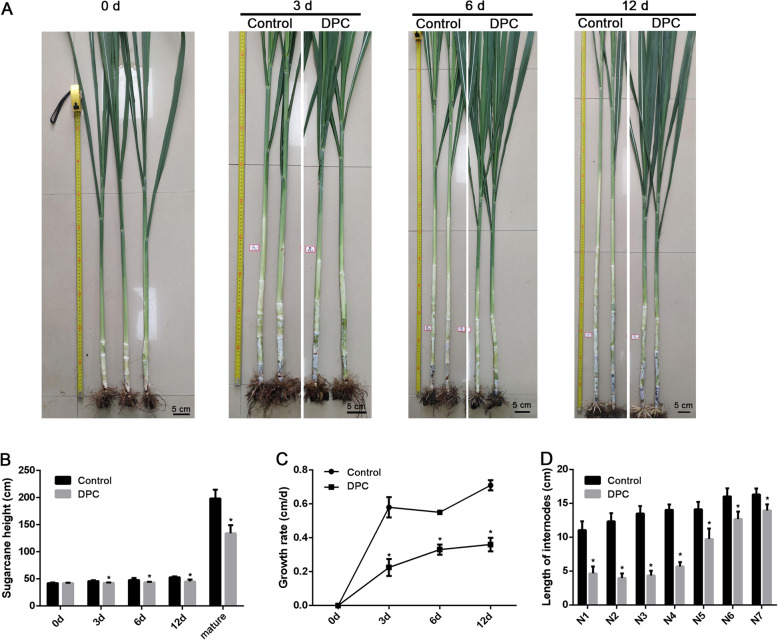
Mepiquat chloride (DPC) is a chemical that is extensively used to control internode growth and create compact canopies in cultured plants. Previous studies have suggested that DPC could also inhibit gibberellin biosynthesis in sugarcane. Unfortunately, the molecular mechanism underlying the suppressive effects of DPC on plant growth is still largely unknown.
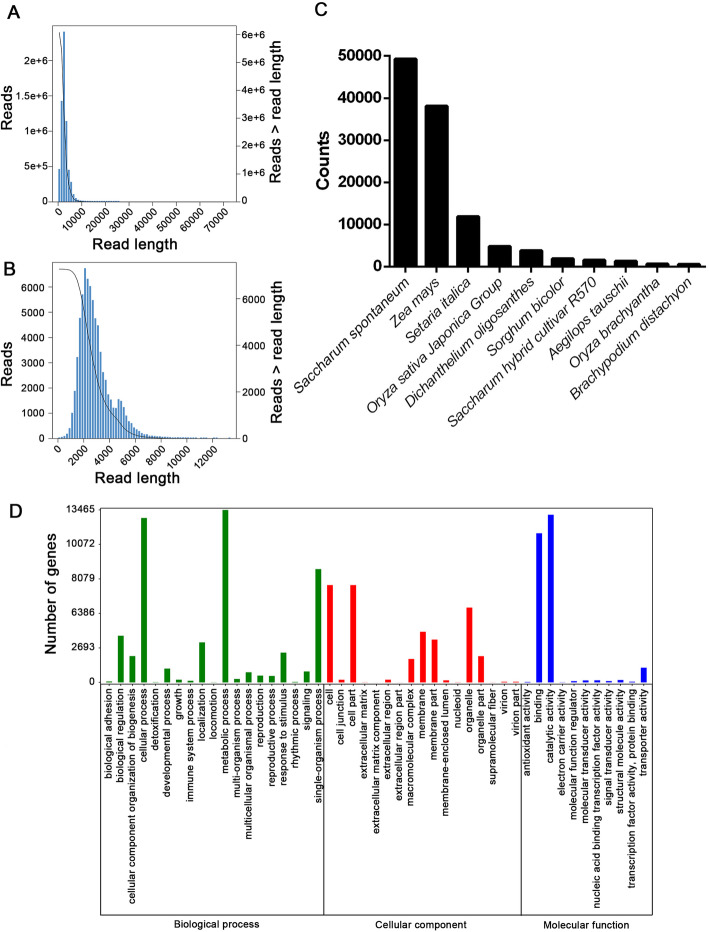
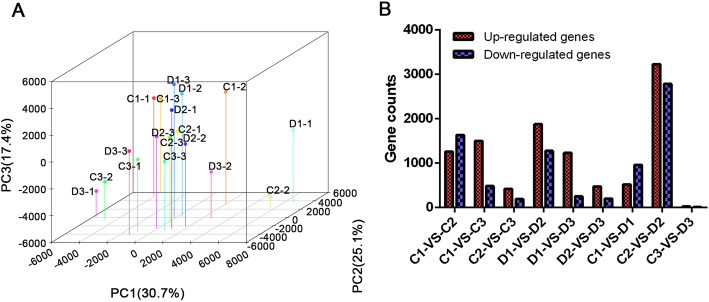
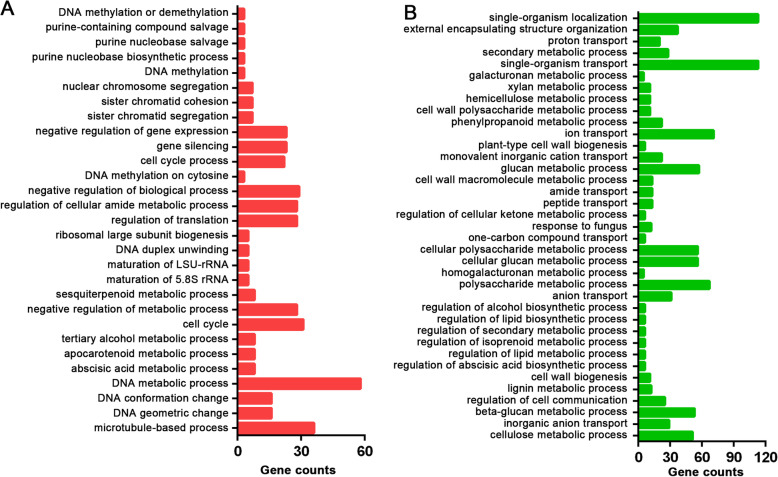
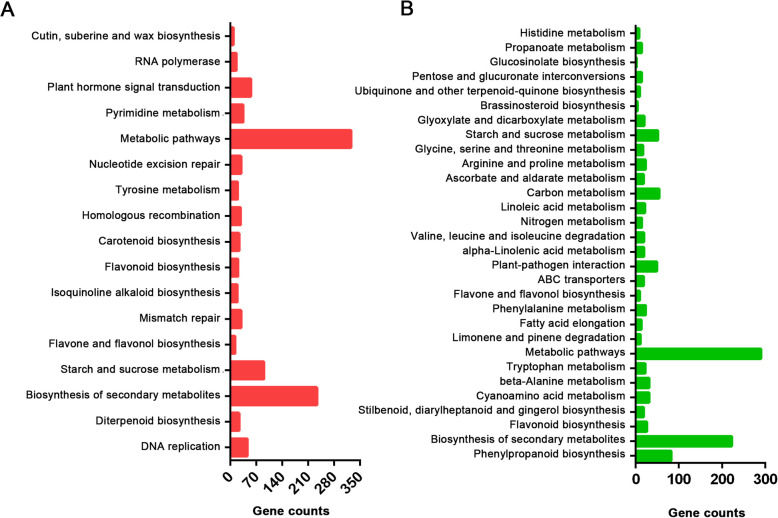
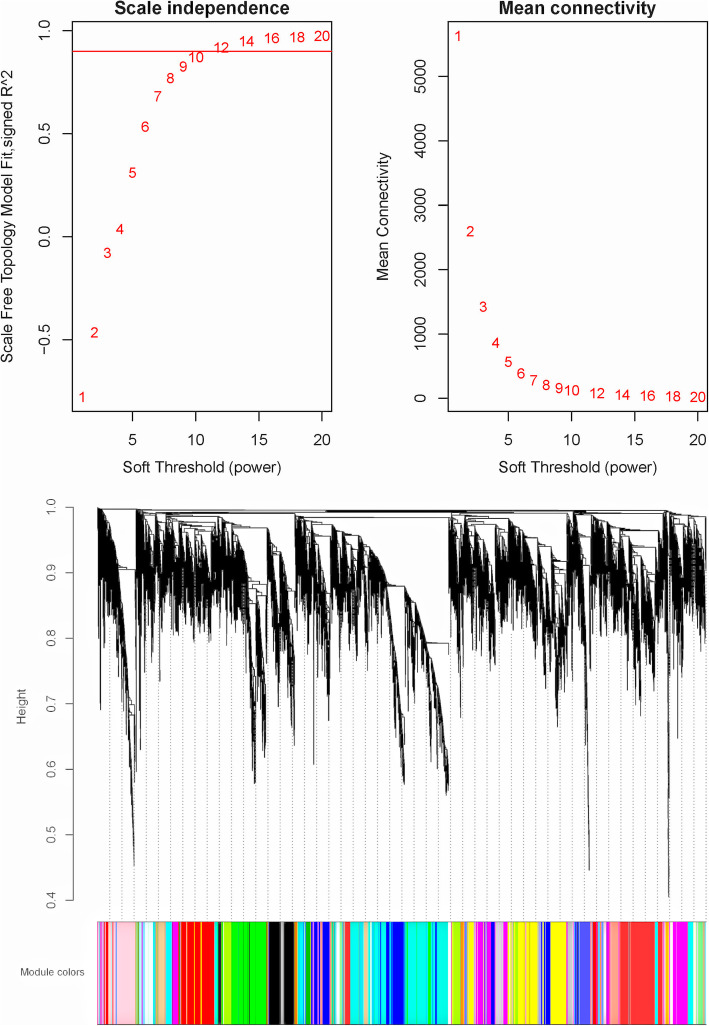
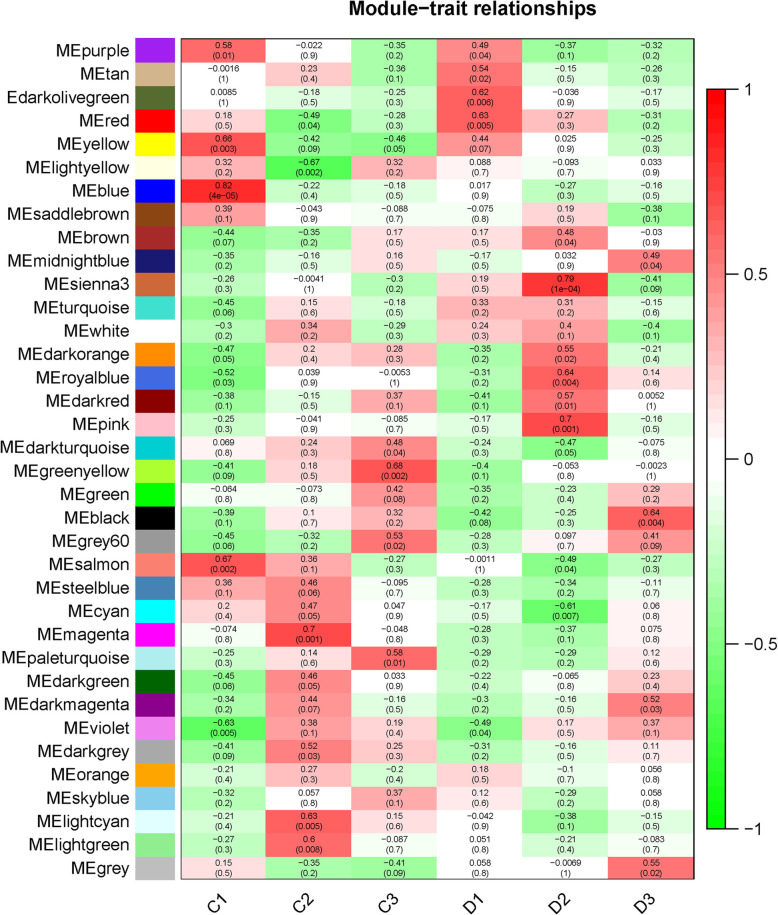
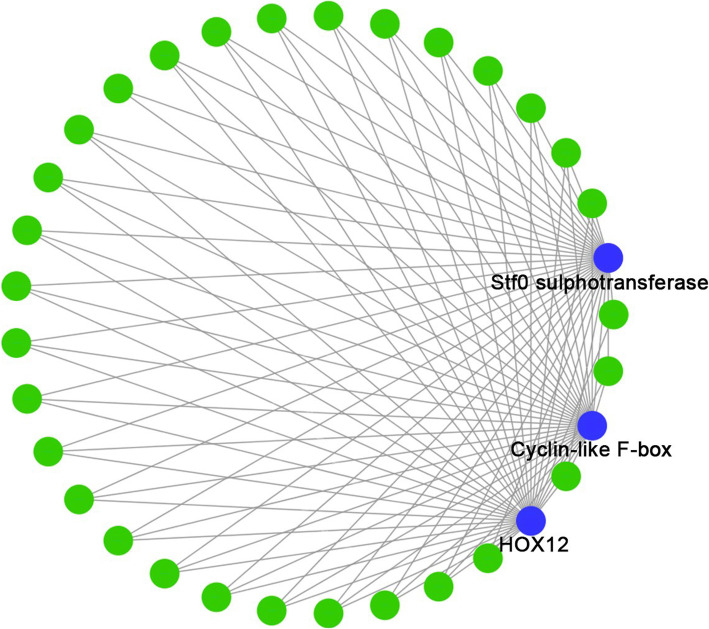
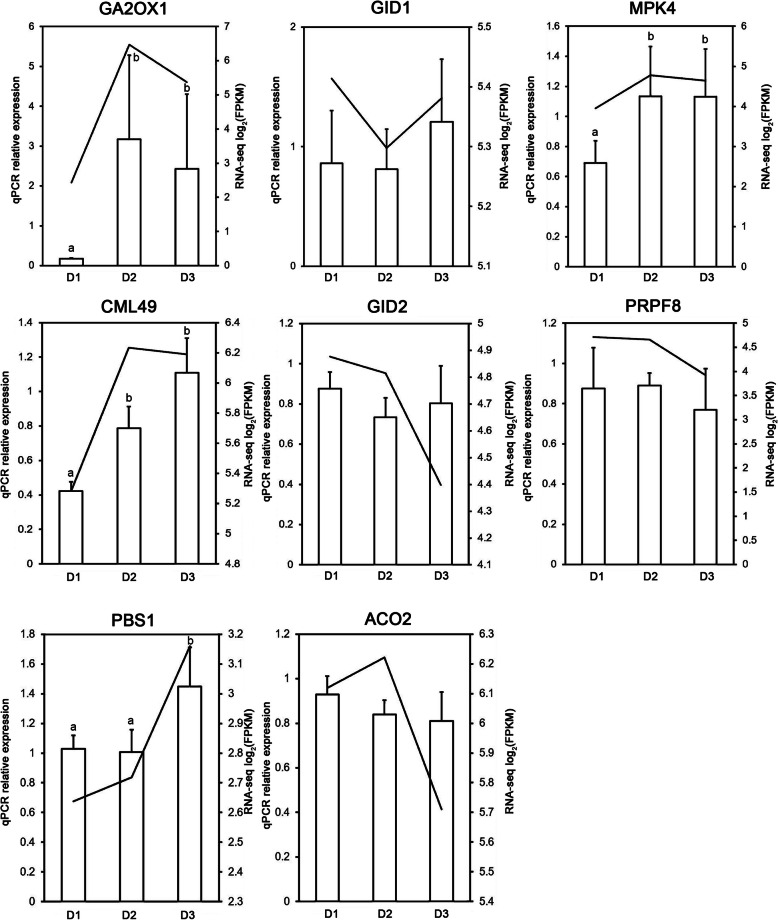
In the present study, we first obtained high-quality long transcripts from the internodes of sugarcane using the PacBio Sequel System. A total of 72,671 isoforms, with N50 at 3073, were generated. These long isoforms were used as a reference for the subsequent RNA-seq. Afterwards, short reads generated from the Illumina HiSeq 4000 platform were used to compare the differentially expressed genes in both the DPC and the control groups. Transcriptome profiling showed that most significant gene changes occurred after six days post DPC treatment. These genes were related to plant hormone signal transduction and biosynthesis of several metabolites, indicating that DPC affected multiple pathways, in addition to suppressing gibberellin biosynthesis. The network of DPC on the key stage was illustrated by weighted gene co-expression network analysis (WGCNA). Among the 36 constructed modules, the top positive correlated module, at the stage of six days post spraying DPC, was sienna3. Notably, Stf0 sulfotransferase, cyclin-like F-box, and HOX12 were the hub genes in sienna3 that had high correlation with other genes in this module. Furthermore, the qPCR validated the high accuracy of the RNA-seq results.
Taken together, we have demonstrated the key role of these genes in DPC-induced growth inhibition in sugarcane.
矮壮素(DPC)是一种广泛用于控制栽培植物节间生长并形成紧凑冠层的化学物质。先前的研究表明,DPC还可抑制甘蔗中的赤霉素生物合成。不幸的是,DPC对植物生长抑制作用的分子机制仍 largely未知。
在本研究中,我们首先使用PacBio Sequel系统从甘蔗节间获得了高质量的长转录本。共产生了72,671个异构体,N50为3073。这些长异构体被用作后续RNA测序的参考。之后,使用Illumina HiSeq 4000平台产生的短读段来比较DPC组和对照组中差异表达的基因。转录组分析表明,DPC处理后六天发生了最显著的基因变化。这些基因与植物激素信号转导和几种代谢物的生物合成有关,表明DPC除了抑制赤霉素生物合成外,还影响多个途径。通过加权基因共表达网络分析(WGCNA)说明了DPC在关键阶段的网络。在构建的36个模块中,喷施DPC后六天阶段的顶级正相关模块是sienna3。值得注意的是,Stf0磺基转移酶、类细胞周期蛋白F-box和HOX12是sienna3中的枢纽基因,与该模块中的其他基因具有高度相关性。此外,qPCR验证了RNA测序结果的高度准确性。
综上所述,我们证明了这些基因在DPC诱导的甘蔗生长抑制中的关键作用。