Institute of Human Genetics, Polish Academy of Sciences, Strzeszynska 32, 60-479, Poznan, Poland.
Central Microbiology Laboratory, H. Swiecicki Clinical Hospital, Poznan University of Medical Sciences, Poznan, Poland.
Sci Rep. 2021 Jan 25;11(1):2166. doi: 10.1038/s41598-021-81628-3.
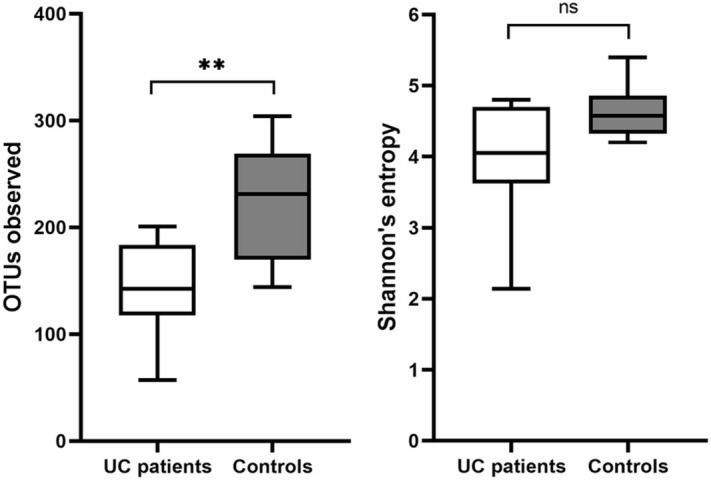
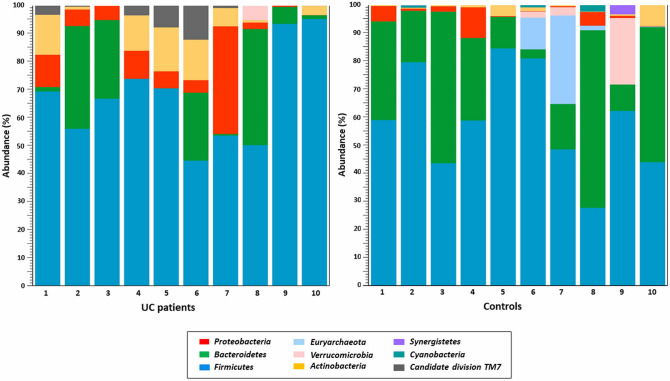
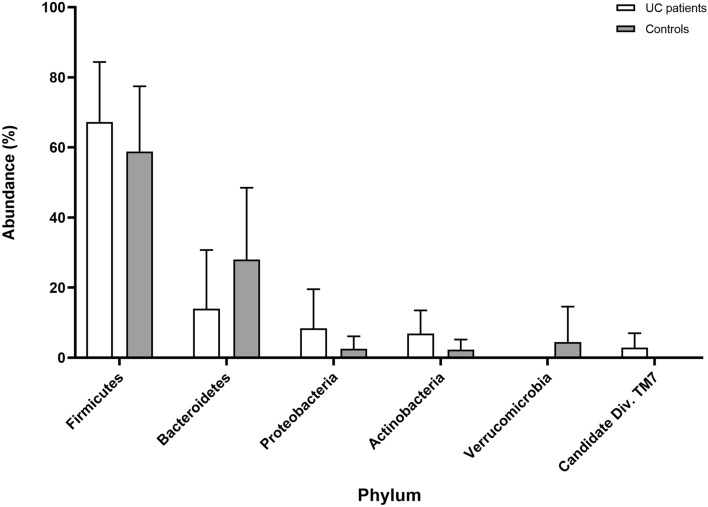
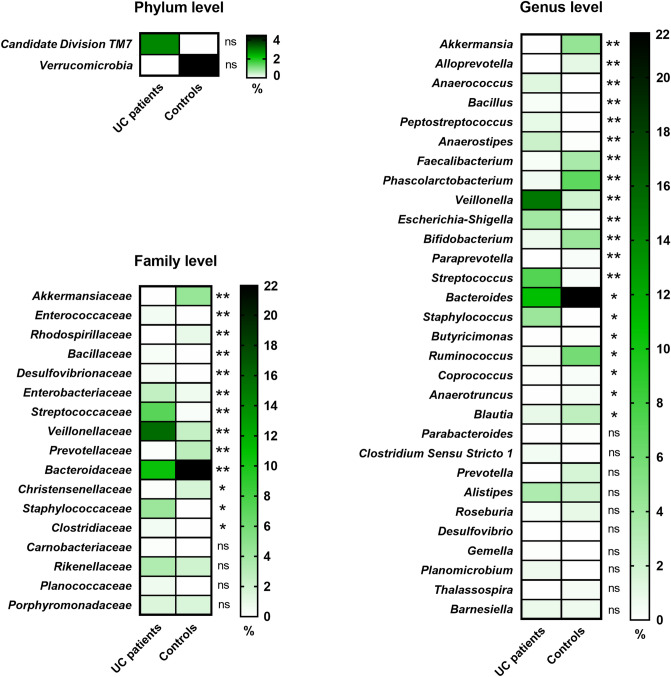
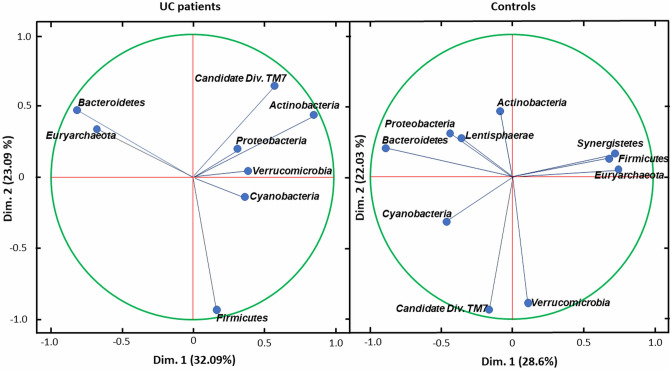
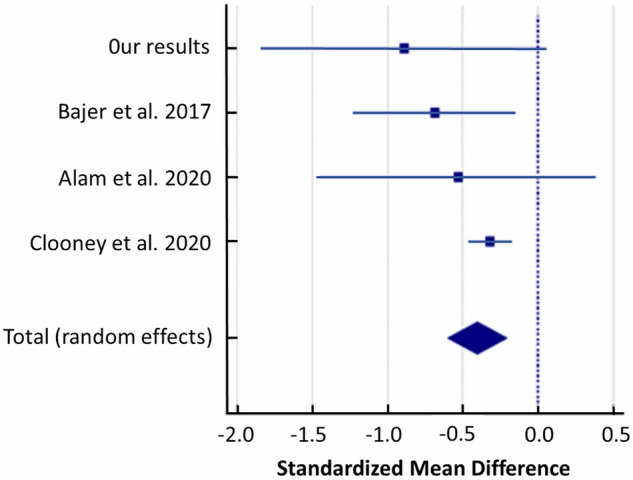
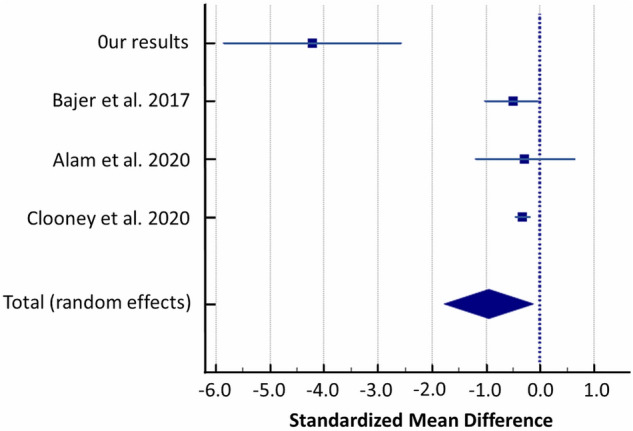
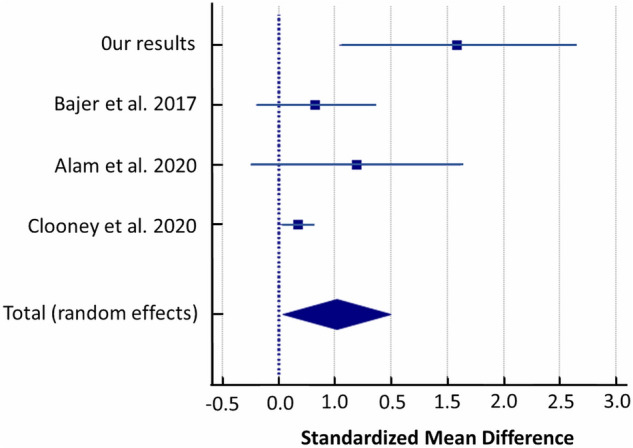
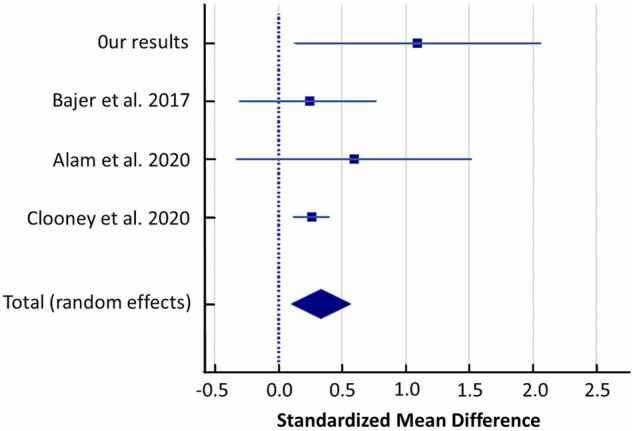
Ulcerative colitis (UC) is a chronic immune-mediated disorder, whose etiology is not fully understood and for which no effective treatment is available. Recently, research has focused on the dysbiosis of gut microbiome in UC. However, the results so far remain inconsistent and insufficient to understand the microbial component in UC pathogenesis. In this study, we determine specific changes in the gut microbial profile in Polish UC patients compared to healthy subjects for the first time. Using 16S rRNA gene-based analysis we have described the intestinal microbial community in a group of 20 individuals (10 UC patients and 10 controls). Our results after multiple hypothesis testing correction demonstrated substantially lower gut microbiome diversity in UC cases compared to the controls and considerable differences at the phylum level, as well as among 13 bacterial families and 20 bacterial genera (p < 0.05). UC samples were more abundant in Proteobacteria (8.42%), Actinobacteria (6.89%) and Candidate Division TM7 (2.88%) than those of healthy volunteers (2.57%, 2.29% and 0.012%, respectively). On the other hand, Bacteroidetes and Verrucomicrobia were presented at a lower level in UC relative to the controls (14% and 0% vs 27.97% and 4.47%, respectively). In conclusion, our results show a reduced gut microbial diversity in Polish UC patients, a reduction of taxa with an anti-inflammatory impact and an increased abundance of potentially pathogenic bacteria.
溃疡性结肠炎(UC)是一种慢性免疫介导的疾病,其病因尚未完全阐明,目前也没有有效的治疗方法。最近,研究集中在 UC 患者肠道微生物组的失调上。然而,迄今为止的研究结果仍然不一致,不足以了解微生物在 UC 发病机制中的作用。在这项研究中,我们首次确定了波兰 UC 患者与健康受试者之间肠道微生物谱的特定变化。我们使用基于 16S rRNA 基因的分析方法,描述了 20 名个体(10 名 UC 患者和 10 名对照)的肠道微生物群落。经过多次假设检验校正后,我们的结果表明,UC 患者的肠道微生物多样性明显低于对照组,而且在门水平以及 13 个细菌科和 20 个细菌属之间存在很大差异(p < 0.05)。UC 样本中变形菌门(8.42%)、放线菌门(6.89%)和候选门 TM7(2.88%)的丰度高于健康志愿者(分别为 2.57%、2.29%和 0.012%)。另一方面,与对照组相比,UC 患者中厚壁菌门和疣微菌门的丰度较低(分别为 14%和 0%,27.97%和 4.47%)。总之,我们的结果表明,波兰 UC 患者的肠道微生物多样性降低,具有抗炎作用的分类群减少,潜在致病性细菌的丰度增加。