Ezzat Leïla, Lamy Thomas, Maher Rebecca L, Munsterman Katrina S, Landfield Kaitlyn M, Schmeltzer Emily R, Clements Cody S, Vega Thurber Rebecca L, Burkepile Deron E
Department of Ecology, Evolution and Marine Biology, University of California Santa Barbara, Santa Barbara, CA, USA.
Department of Microbiology, Oregon State University, Corvallis, OR, USA.
Anim Microbiome. 2020 Feb 10;2(1):5. doi: 10.1186/s42523-020-0024-0.
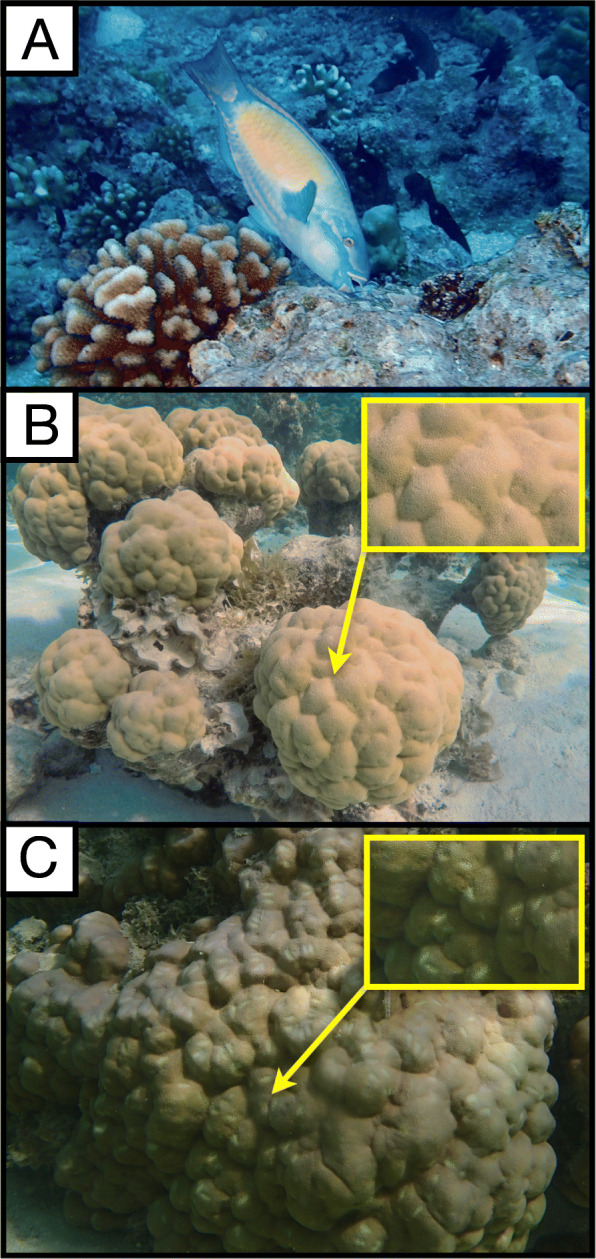
Coral-associated microbial communities are sensitive to multiple environmental and biotic stressors that can lead to dysbiosis and mortality. Although the processes contributing to these microbial shifts remain inadequately understood, a number of potential mechanisms have been identified. For example, predation by various corallivore species, including ecologically-important taxa such as parrotfishes, may disrupt coral microbiomes via bite-induced transmission and/or enrichment of potentially opportunistic bacteria. Here, we used a combination of mesocosm experiments and field-based observations to investigate whether parrotfish corallivory can alter coral microbial assemblages directly and to identify the potentially relevant pathways (e.g. direct transmission) that may contribute to these changes.
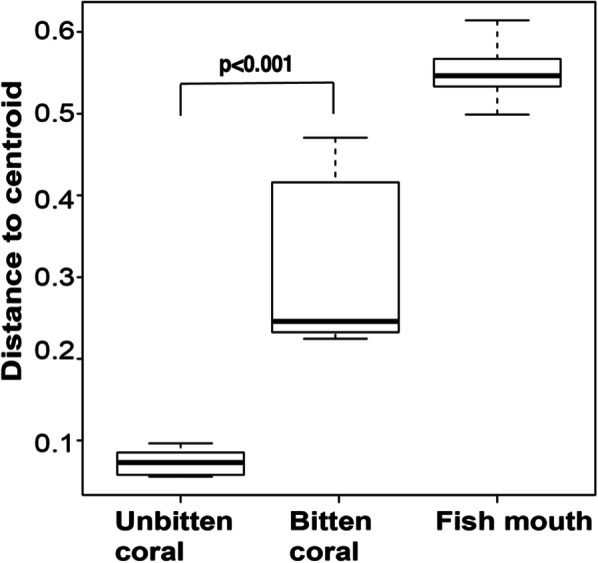
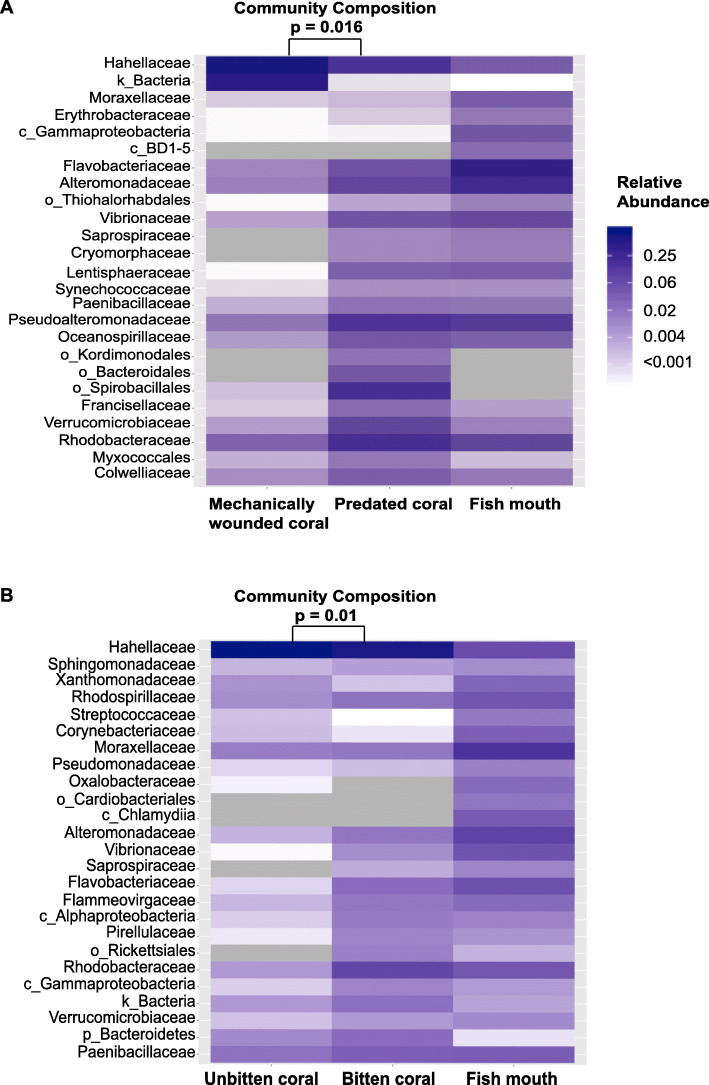
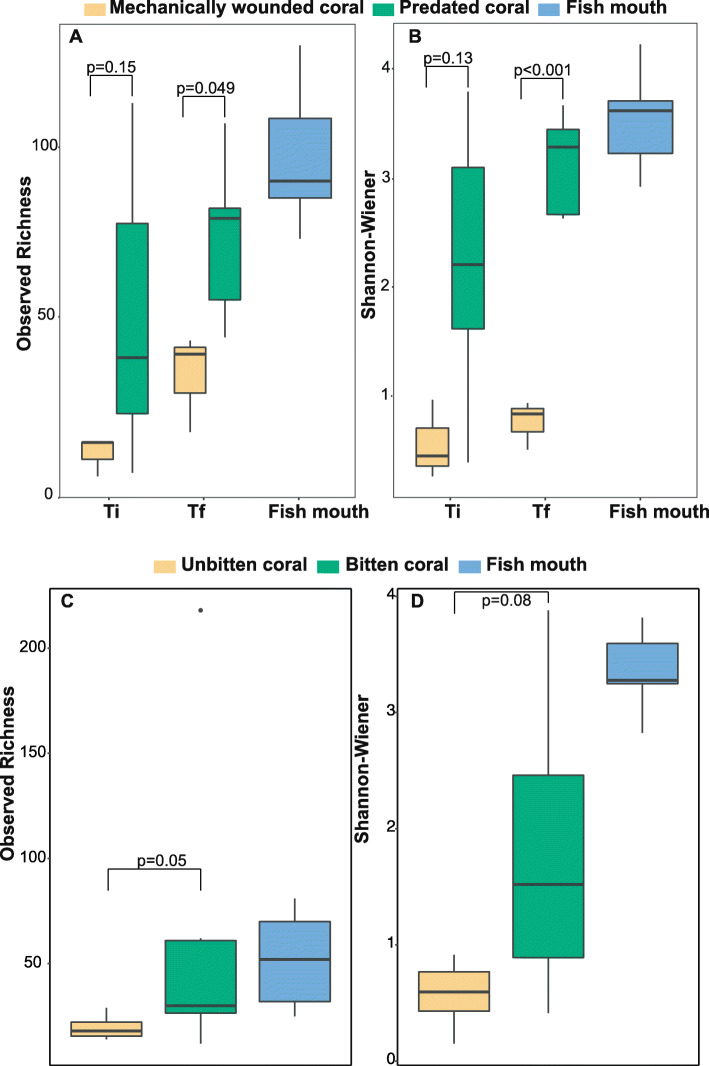
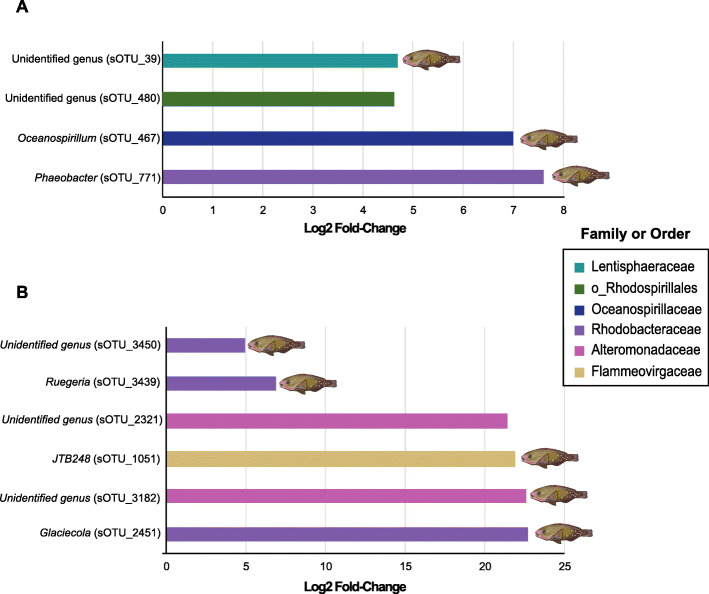
Our mesocosm experiment demonstrated that predation by the parrotfish Chlorurus spilurus on Porites lobata corals resulted in a 2-4x increase in bacterial alpha diversity of the coral microbiome and a shift in bacterial community composition after 48 h. These changes corresponded with greater abundance of both potentially beneficial (i.e. Oceanospirillum) and opportunistic bacteria (i.e. Flammeovirgaceae, Rhodobacteraceae) in predated compared to mechanically wounded corals. Importantly, many of these taxa were detectable in C. spilurus mouths, but not in corals prior to predation. When we sampled bitten and unbitten corals in the field, corals bitten by parrotfishes exhibited 3x greater microbial richness and a shift in community composition towards greater abundance of both potential beneficial symbionts (i.e. Ruegeria) and bacterial opportunists (i.e. Rhodospiralles, Glaciecola). Moreover, we observed 4x greater community variability in naturally bitten vs. unbitten corals, a potential indicator of dysbiosis. Interestingly, some of the microbial taxa detected in naturally bitten corals, but not unbitten colonies, were also detected in parrotfish mouths.
Our findings suggest that parrotfish corallivory may represent an unrecognized route of bacterial transmission and/or enrichment of rare and distinct bacterial taxa, both of which could impact coral microbiomes and health. More broadly, we highlight how underappreciated pathways, such as corallivory, may contribute to dysbiosis within reef corals, which will be critical for understanding and predicting coral disease dynamics as reefs further degrade.
与珊瑚相关的微生物群落对多种环境和生物应激源敏感,这些应激源可导致生态失调和死亡。尽管导致这些微生物变化的过程仍未得到充分理解,但已确定了一些潜在机制。例如,包括具有重要生态意义的类群如鹦嘴鱼在内的各种食珊瑚动物的捕食,可能通过咬伤诱导的传播和/或潜在机会性细菌的富集来破坏珊瑚微生物群。在这里,我们结合了中宇宙实验和实地观察,以研究鹦嘴鱼的食珊瑚行为是否能直接改变珊瑚微生物群落,并确定可能导致这些变化的潜在相关途径(如直接传播)。
我们的中宇宙实验表明,鹦嘴鱼黄斑绿鹦嘴鱼对多孔鹿角珊瑚的捕食导致珊瑚微生物群的细菌α多样性增加2至4倍,并在48小时后导致细菌群落组成发生变化。与机械损伤的珊瑚相比,这些变化对应于被捕食珊瑚中潜在有益细菌(即嗜盐单胞菌属)和机会性细菌(即噬纤维菌科、红杆菌科)的丰度更高。重要的是,这些分类群中的许多在黄斑绿鹦嘴鱼口中可检测到,但在捕食前的珊瑚中未检测到。当我们在野外对被咬和未被咬的珊瑚进行采样时,被鹦嘴鱼咬过的珊瑚显示出微生物丰富度高出3倍,并且群落组成向潜在有益共生体(即吕杰氏菌属)和细菌机会主义者(即红螺菌目、嗜冷杆菌属)丰度更高的方向转变。此外,我们观察到自然被咬珊瑚与未被咬珊瑚的群落变异性高出4倍,这是生态失调的一个潜在指标。有趣的是,在自然被咬珊瑚中检测到但在未被咬群体中未检测到的一些微生物分类群,在鹦嘴鱼口中也被检测到。
我们的研究结果表明,鹦嘴鱼的食珊瑚行为可能代表了一种未被认识的细菌传播和/或稀有独特细菌分类群富集的途径,这两者都可能影响珊瑚微生物群和健康。更广泛地说,我们强调了像食珊瑚行为这样未被充分认识的途径可能如何导致珊瑚礁珊瑚的生态失调,这对于理解和预测随着珊瑚礁进一步退化的珊瑚疾病动态至关重要。