Cherednichenko V S, Cherednichenko A V, Cherednichenko Al V, Zheksenbaeva A K, Madibekov A S
Al-Farabi Kazakh National University, Almaty, Kazakhstan.
Heliyon. 2021 Jan 6;7(1):e05844. doi: 10.1016/j.heliyon.2020.e05844. eCollection 2021 Jan.
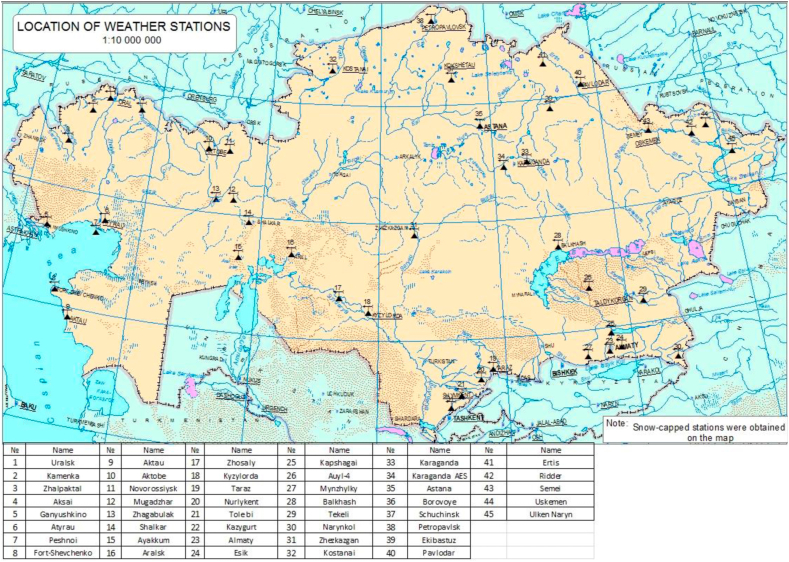
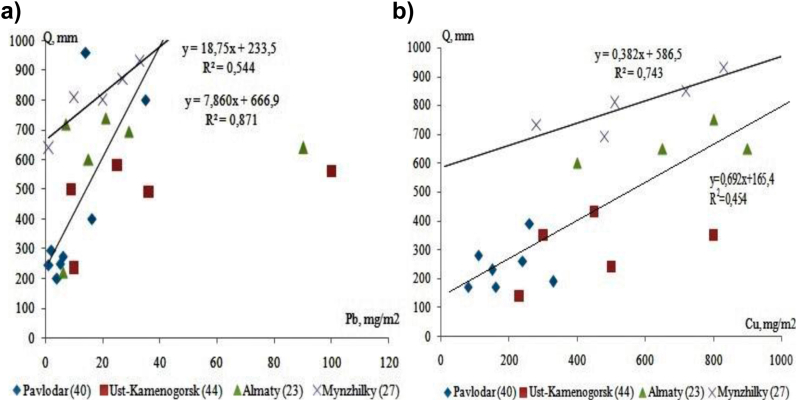
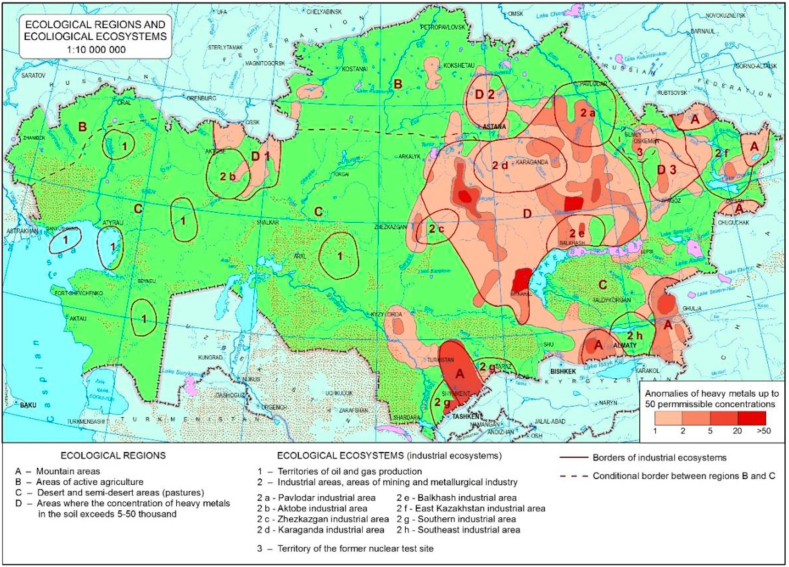
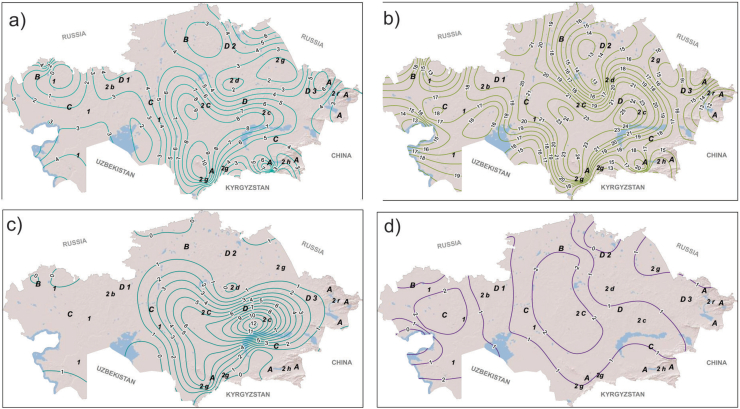
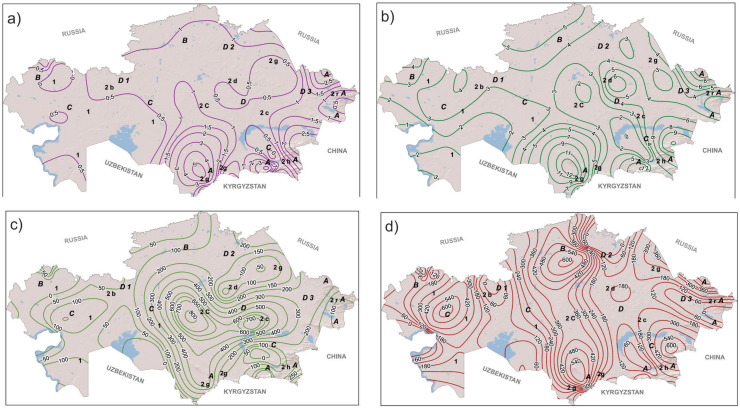
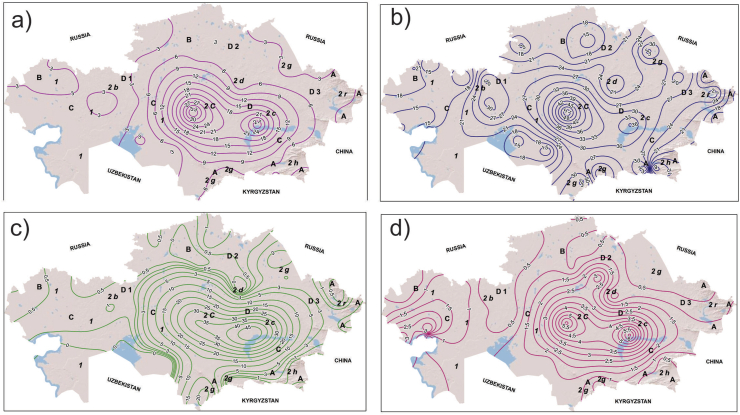
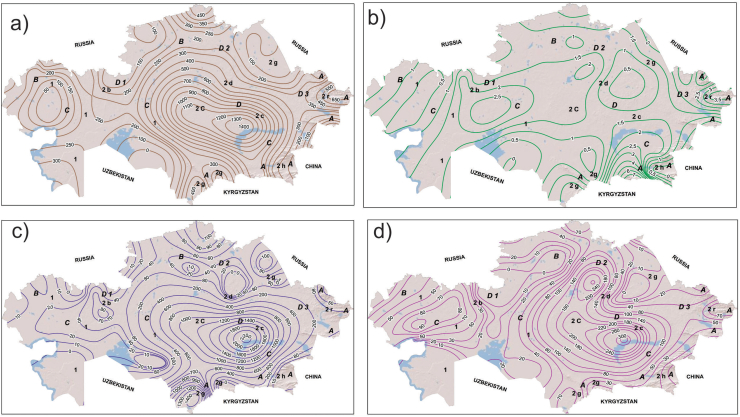
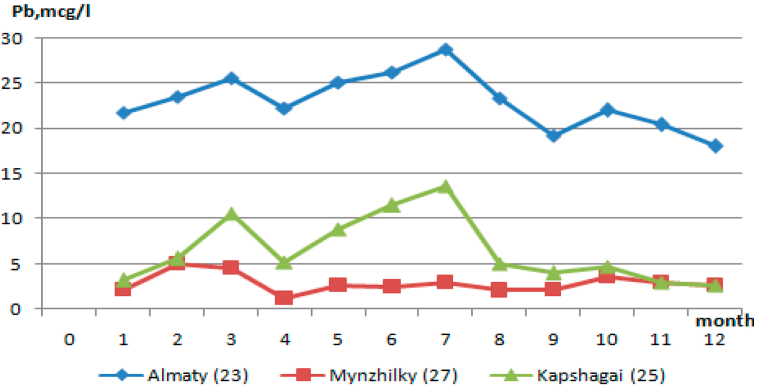
The active development of industry, primarily mining and metallurgical, as well as energy, is accompanied by significant emissions of pollutants into the atmosphere. We collected data and analyzed the intake of heavy metals (HM) of lead (Pb), copper (Cu) and arsenic (As), cadmium (Cd) in precipitation (wet deposition) on typical natural Kazakhstan ecosystems. The average Pb, Cu, As and Cd wet deposition was 3.80 ± 1.52, 16.11 ± 1.48, 0.96 ± 0.84 and 0.88 ± 0.44 μg/L, respectively, with a large variation among the different sites of Kazakhstan. In addition, we identified the most significant industrial areas in the republic and determined the concentrations of the listed metals in the precipitation for each of them. The relationship between these concentrations and industrial activity in the regions, and the presence of a mutual correlation between them were also investigated. We obtained that the atmospheric deposition of Pb, Cu and As were higher in the central industrial areas (Dzhezkazgan, Balkhash), as well as in the south (Chimkent) and in the east (Ust-Kamenogorsk), where large mining and metallurgical enterprises are located. In these cities, there are high concentrations of pollutants (PS) in the atmosphere, exceeding the maximum permissible concentrations (MPC) by several times. Significant sedimentation of pollutants, primarily HM, is noted, adversely affecting soils and surface runoff. The total deposition of heavy metals on snow cover was determined. We obtained that the average total deposition for Pb, Cu, As and Cd was 4.4 ± 1.28, 20.6 ± 1.43, 3.23 ± 0.81 and 1.03 ± 0.47 μg/L. Calculations performed for comparable time intervals showed that dry deposition is two to five times greater than wet deposition and the smaller the precipitation in the region, the greater the dry deposition, ceteris paribus. At the level of climate assessments, it is shown that there is a transboundary transfer of heavy metals from both the territory of Kazakhstan from the territory of Russia.
工业的积极发展,主要是采矿、冶金以及能源行业的发展,伴随着大量污染物排放到大气中。我们收集了数据并分析了哈萨克斯坦典型自然生态系统降水中铅(Pb)、铜(Cu)、砷(As)和镉(Cd)等重金属的摄入量。铅、铜、砷和镉的平均湿沉降量分别为3.80±1.52、16.11±1.48、0.96±0.84和0.88±0.44μg/L,在哈萨克斯坦不同地点之间差异很大。此外,我们确定了该共和国最重要的工业区,并测定了每个工业区降水中上述金属的浓度。还研究了这些浓度与各地区工业活动之间的关系以及它们之间的相互关联性。我们发现,在中部工业区(杰兹卡兹甘、巴尔喀什)以及南部(奇姆肯特)和东部(乌斯季卡缅诺戈尔斯克),铅、铜和砷的大气沉降量较高,这些地区有大型采矿和冶金企业。在这些城市,大气中的污染物浓度很高,超过最大允许浓度数倍。注意到污染物,主要是重金属有大量沉降,对土壤和地表径流产生不利影响。测定了雪盖上重金属的总沉降量。我们得出,铅、铜、砷和镉的平均总沉降量分别为4.4±1.28、20.6±1.43、3.23±0.81和1.03±0.47μg/L。在可比时间间隔内进行的计算表明,干沉降比湿沉降大两到五倍,在其他条件相同的情况下,该地区降水量越小,干沉降就越大。在气候评估层面,结果表明存在重金属从哈萨克斯坦领土向俄罗斯领土的跨界转移。