Sergeeva Anna, Mettler-Altmann Tabea, Liu Hongjiu, Mai Hans-Jörg, Bauer Petra
Institute of Botany Heinrich Heine University Düsseldorf Germany.
Cluster of Excellence on Plant Science (CEPLAS) Heinrich Heine University Düsseldorf Germany.
Plant Direct. 2021 Jan 19;5(1):e00302. doi: 10.1002/pld3.302. eCollection 2021 Jan.
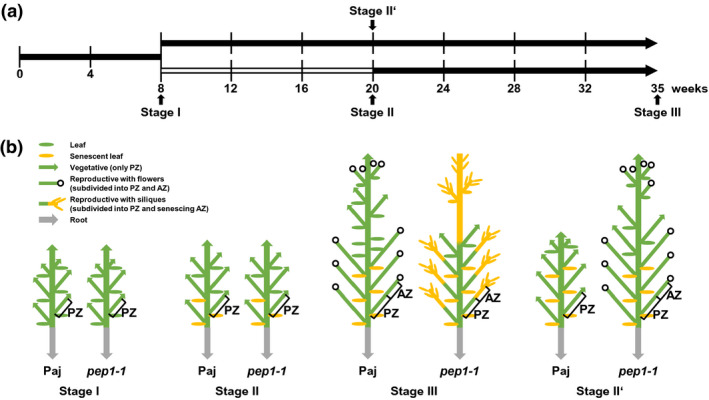
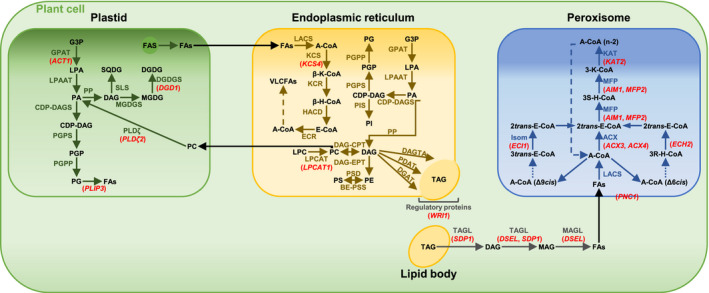
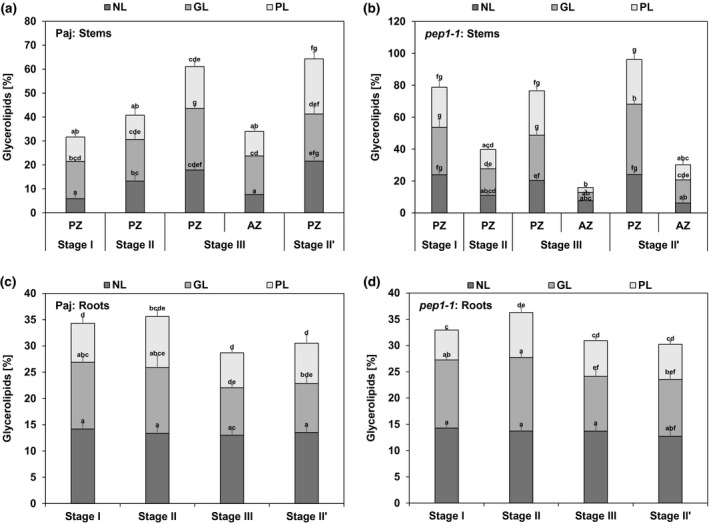
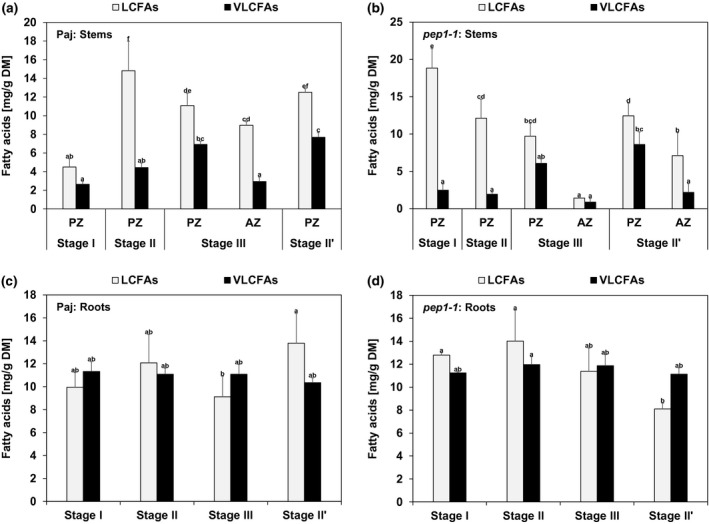
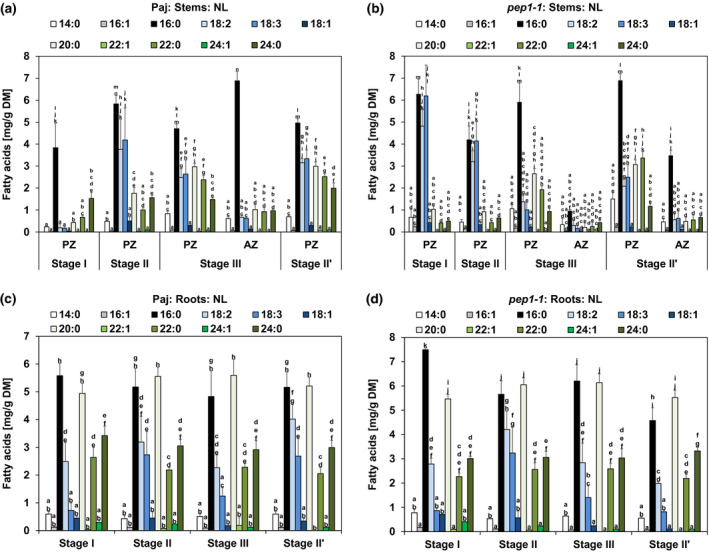
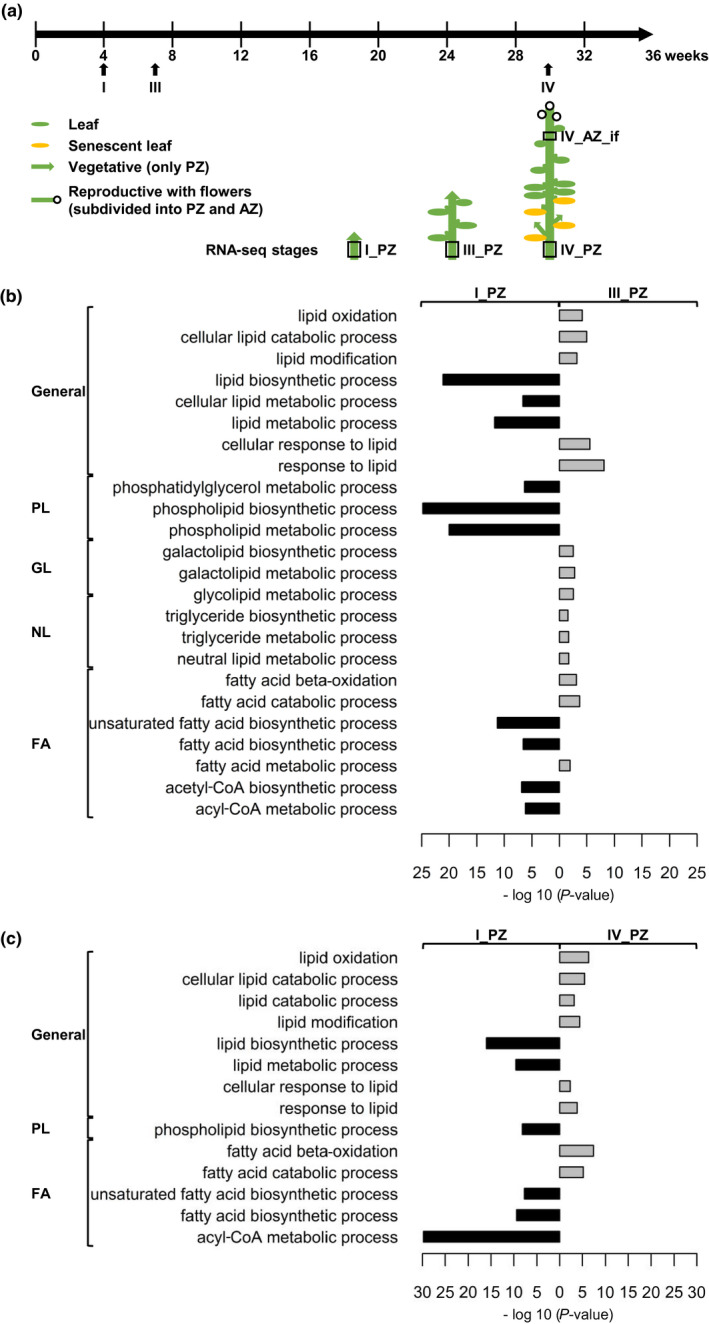
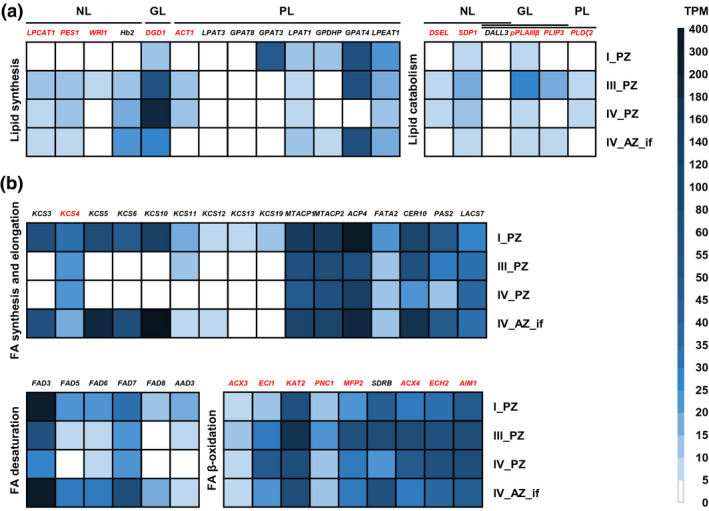
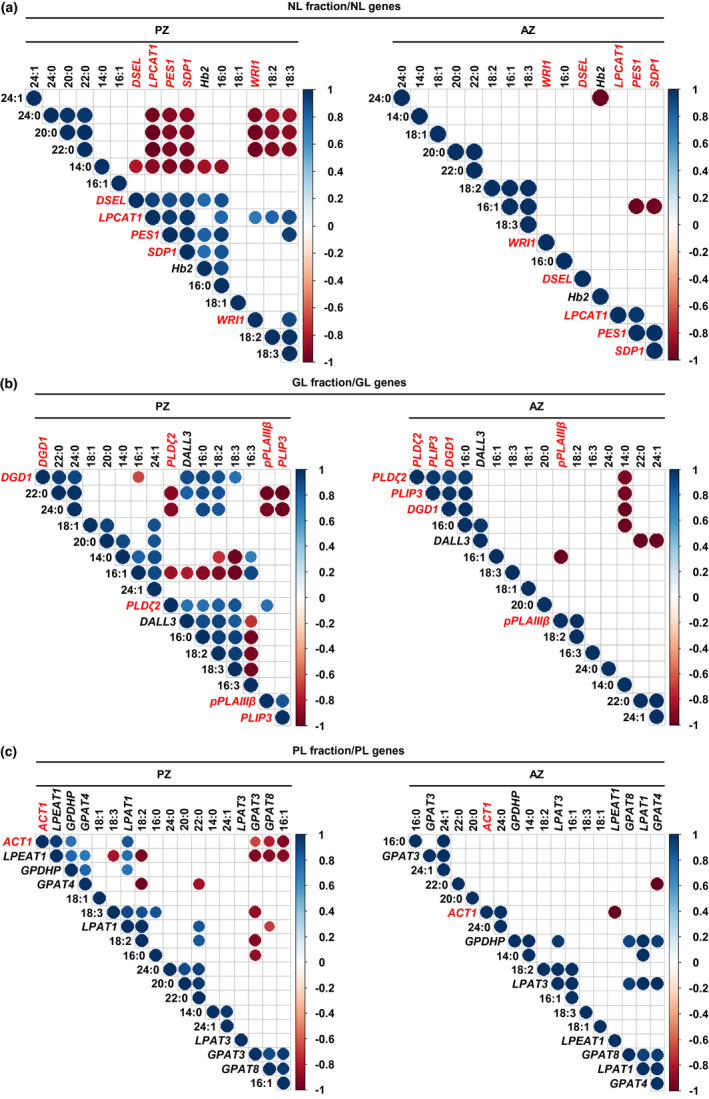
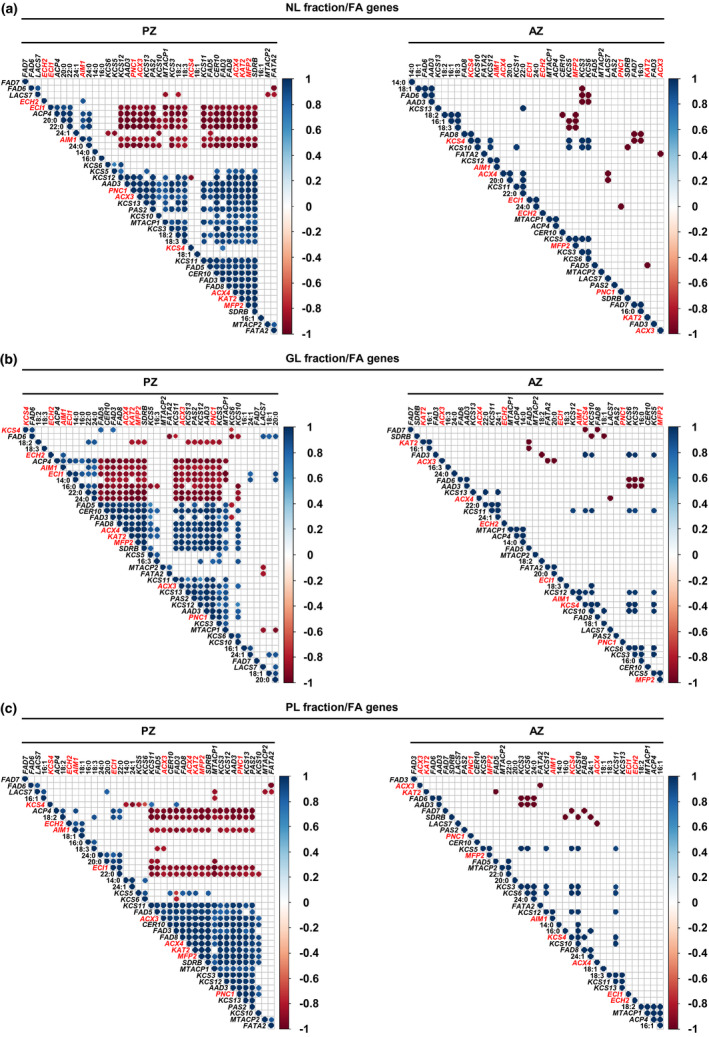
The perennial life style is a successful ecological strategy, and is a recently developed model Brassicaceae species for studying it. One aspect, poorly investigated until today, concerns the differing patterns of allocation, storage, and metabolism of nutrients between perennials and annuals and the yet unknown signals that regulate this process. has a complex lateral stem architecture with a proximal vegetative perennial (PZ) and a distal annual flowering zone (AZ) inside the same stems. Lipid bodies (LBs) with triacylglycerols (TAGs) accumulate in the PZ. To identify potential processes of lipid metabolism linked with the perennial lifestyle, we analyzed lipid species in the PZ versus AZ. Glycerolipid fractions, including neutral lipids with mainly TAGs, phospholipids, and glycolipids, were present at higher levels in the PZ as compared to AZ or roots. Concomitantly, contents of specific long-chain and very long-chain fatty acids increased during formation of the PZ. Corresponding gene expression data, gene ontology term enrichment, and correlation analysis with lipid species pinpoint glycerolipid-related genes to be active during the development of the PZ. Possibilities that lipid metabolism genes may be targets of regulatory mechanisms specifying PZ differentiation in are discussed.
多年生生活方式是一种成功的生态策略,并且是一种最近开发的用于研究它的十字花科模式物种。直到今天,一个研究较少的方面涉及多年生植物和一年生植物之间营养物质分配、储存和代谢的不同模式以及调节这一过程的未知信号。它具有复杂的侧枝结构,在同一茎内有近端的多年生营养区(PZ)和远端的一年生开花区(AZ)。含有三酰甘油(TAGs)的脂质体(LBs)在PZ中积累。为了确定与多年生生活方式相关的脂质代谢潜在过程,我们分析了PZ与AZ中的脂质种类。与AZ或根相比,甘油脂质组分,包括主要含TAGs的中性脂质、磷脂和糖脂,在PZ中的含量更高。同时,在PZ形成过程中,特定长链和极长链脂肪酸的含量增加。相应的基因表达数据、基因本体术语富集以及与脂质种类的相关性分析表明,甘油脂质相关基因在PZ发育过程中活跃。本文讨论了脂质代谢基因可能是指定PZ分化的调节机制靶点的可能性。