Sünnetçi Eda, Durankuş Ferit, Albayrak Yakup, Erdoğan Mümin Alper, Atasoy Özüm, Erbaş Oytun
Department of Pediatrics, Istanbul Training and Education Hospital, Istanbul, Turkey.
Department of Psychiatry, Faculty of Medicine, Tekirdağ Namık Kemal University, Tekirdağ, Turkey.
Clin Psychopharmacol Neurosci. 2021 Feb 28;19(1):84-92. doi: 10.9758/cpn.2021.19.1.84.
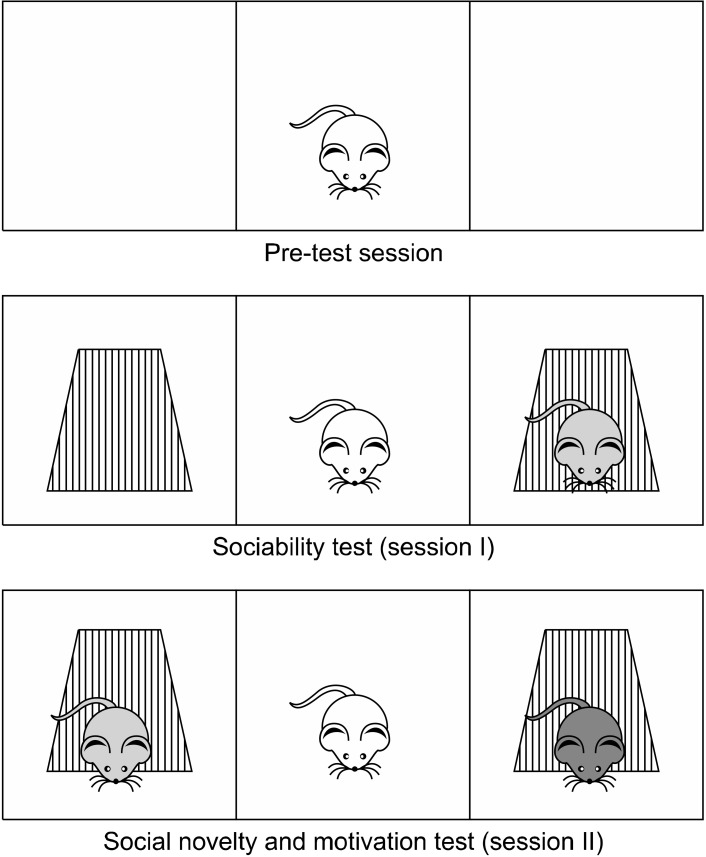
Autism spectrum disorder (ASD) is a severely disabling psychiatric disease characterized by impairments in communication and social skills. Although efforts have been made to explore the etiology of ASD, its pathophysiology remains unclear. This issue is rendered more challenging by confounding data about the effects of vaccination on disease etiology. In this study, therefore, we investigated the neurodevelopmental effects of maternal tetanus toxoid administration on rat offspring. We hypothesized that the vaccine affects the sociability and preference for social novelty of rat offspring as well as the production of immunological and neurotrophic factors, including tumor necrosis factor-alfa (TNF-α), neuregulin-1 (NRG-1), neuron growth factor (NGF), and oxytocin.
The study involved 12 female and 4 male adult Sprague-Dawley rats (238 ± 10 g), which were assigned to two groups. Group 1 (control group) was given 0.5 ml of normal saline (0.9% NaCl) on the 10th day of pregnancy, whereas Group 2 (experimental group) was administered 0.5 ml of tetanus vaccine (tetanus toxoid, 40 IU).
Maternal tetanus toxoid administration exerted beneficial effects on the sociability and explorative behaviors of the rats. The brain tissue levels of TNF-α, NGF, NRG-1, and oxytocin were higher in the experimental group than those among the controls. All these significant differences were found in both the male and female rats.
This study is the first to demonstrate the advantages of tetanus toxoid administration in relation to the sociability and explorative behaviors of rat offspring. The results showed that the vaccine also influences NRG-1, neuregulin, and oxytocin production.
自闭症谱系障碍(ASD)是一种严重致残的精神疾病,其特征为沟通和社交技能受损。尽管人们已努力探索ASD的病因,但其病理生理学仍不清楚。关于疫苗接种对疾病病因影响的数据相互矛盾,这使得该问题更具挑战性。因此,在本研究中,我们调查了母体接种破伤风类毒素对大鼠后代神经发育的影响。我们假设该疫苗会影响大鼠后代的社交能力和对社交新奇性的偏好,以及免疫和神经营养因子的产生,包括肿瘤坏死因子-α(TNF-α)、神经调节蛋白-1(NRG-1)、神经生长因子(NGF)和催产素。
该研究涉及12只成年雌性和4只成年雄性Sprague-Dawley大鼠(体重238±10克),将它们分为两组。第1组(对照组)在妊娠第10天给予0.5毫升生理盐水(0.9%氯化钠),而第2组(实验组)给予0.5毫升破伤风疫苗(破伤风类毒素,40国际单位)。
母体接种破伤风类毒素对大鼠的社交能力和探索行为产生了有益影响。实验组脑组织中TNF-α、NGF、NRG-1和催产素的水平高于对照组。在雄性和雌性大鼠中均发现了所有这些显著差异。
本研究首次证明了接种破伤风类毒素对大鼠后代社交能力和探索行为的益处。结果表明,该疫苗还影响NRG-1、神经调节蛋白和催产素的产生。