Department of Drug Discovery and Development, Harrison School of Pharmacy, Auburn University, 720 S Donahue Drive, Auburn, AL 36849, USA.
Int J Mol Sci. 2021 Jan 27;22(3):1231. doi: 10.3390/ijms22031231.
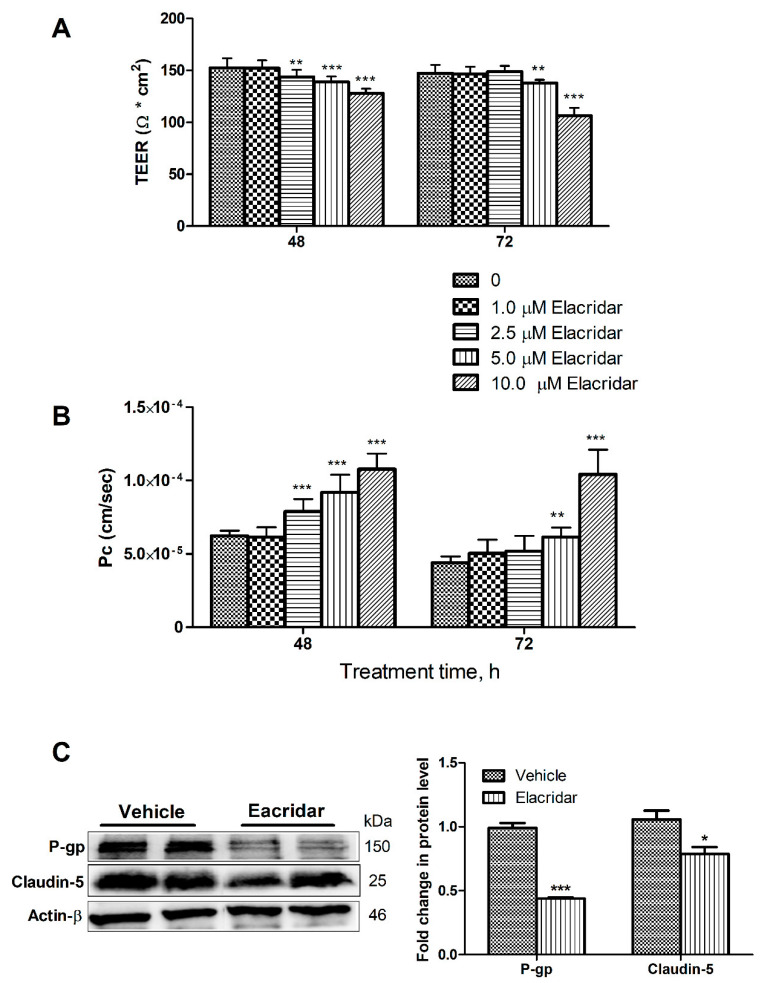
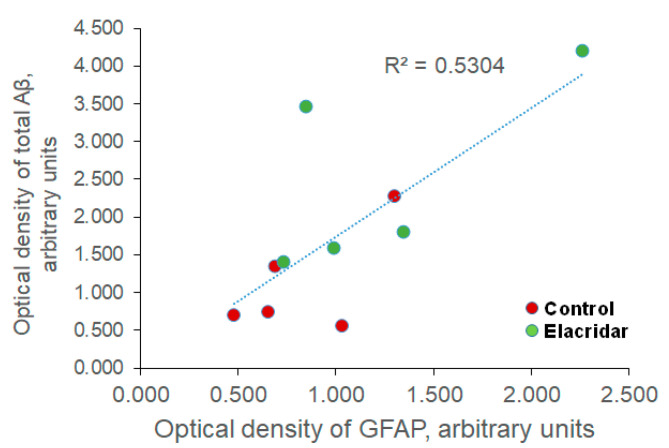
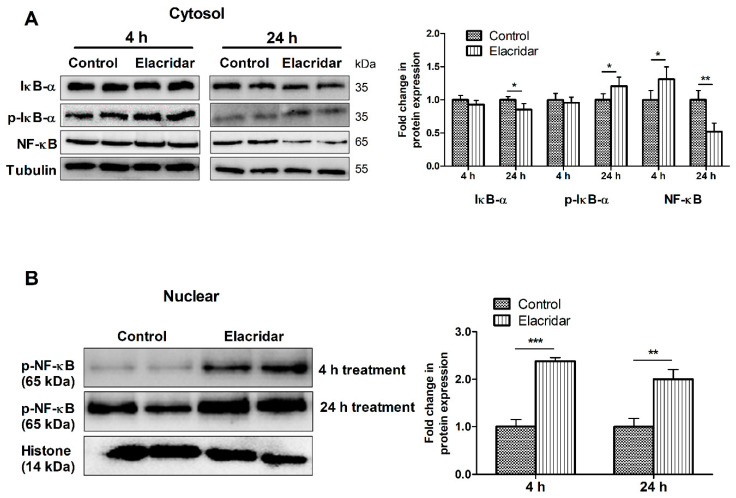
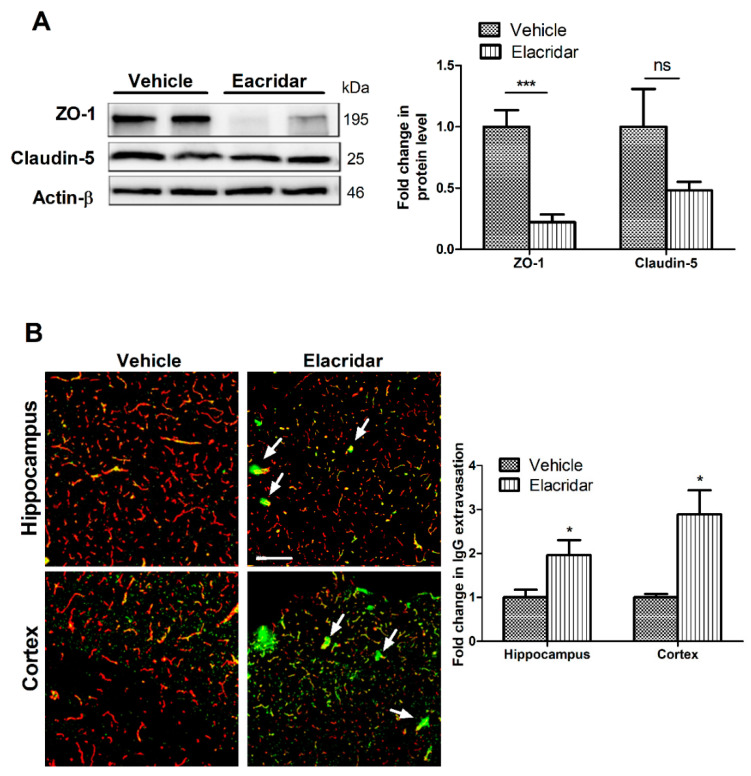
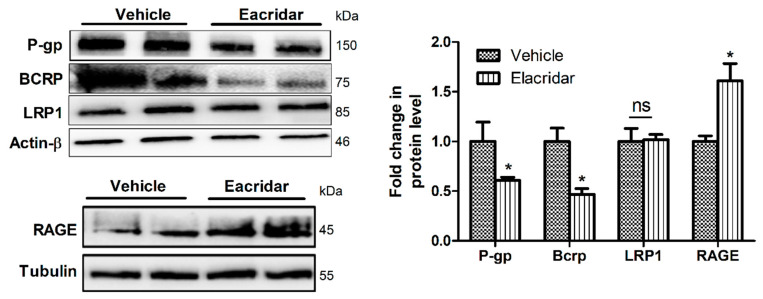
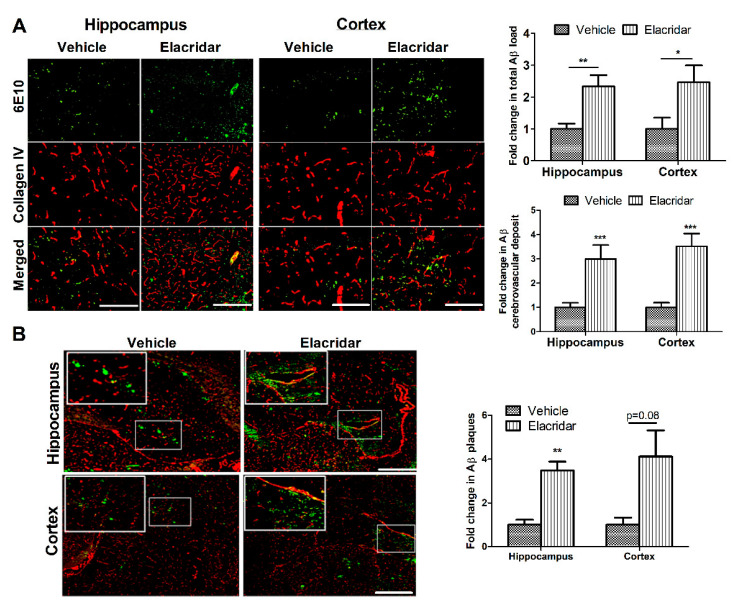
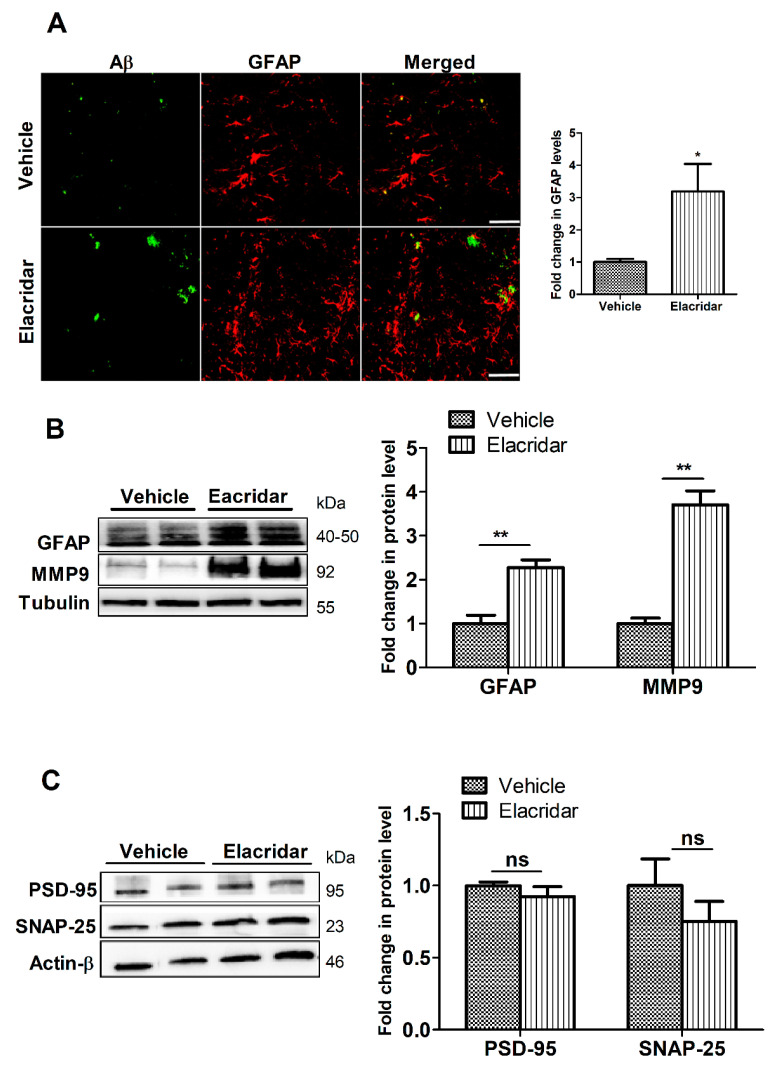
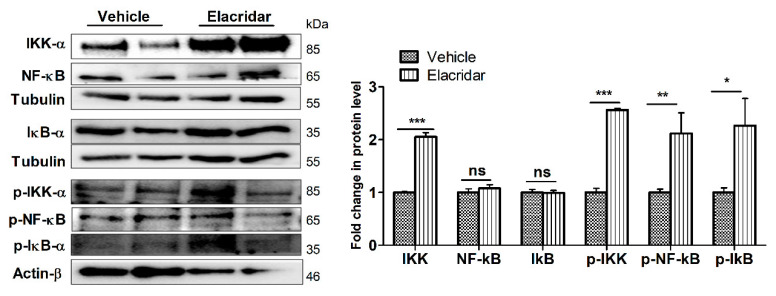
In Alzheimer's disease (AD), several studies have reported blood-brain barrier (BBB) breakdown with compromised function. P-glycoprotein (P-gp) and breast cancer resistance protein (BCRP) are transport proteins localized at the BBB luminal membrane and play an important role in the clearance of amyloid-β (Aβ). The purpose of this study was to investigate the effect of pharmacological inhibition of Aβ efflux transporters on BBB function and Aβ accumulation and related pathology. Recently, we have developed an in vitro high-throughput screening assay to screen for compounds that modulate the integrity of a cell-based BBB model, which identified elacridar as a disruptor of the monolayer integrity. Elacridar, an investigational compound known for its P-gp and BCRP inhibitory effect and widely used in cancer research. Therefore, it was used as a model compound for further evaluation in a mouse model of AD, namely TgSwDI. TgSwDI mouse is also used as a model for cerebral amyloid angiopathy (CAA). Results showed that P-gp and BCRP inhibition by elacridar disrupted the BBB integrity as measured by increased IgG extravasation and reduced expression of tight junction proteins, increased amyloid deposition due to P-gp, and BCRP downregulation and receptor for advanced glycation end products (RAGE) upregulation, increased CAA and astrogliosis. Further studies revealed the effect was mediated by activation of NF-κB pathway. In conclusion, results suggest that BBB disruption by inhibiting P-gp and BCRP exacerbates AD pathology in a mouse model of AD, and indicate that therapeutic drugs that inhibit P-gp and BCRP could increase the risk for AD.
在阿尔茨海默病(AD)中,有几项研究报告称血脑屏障(BBB)破裂,功能受损。P-糖蛋白(P-gp)和乳腺癌耐药蛋白(BCRP)是定位于 BBB 腔膜的转运蛋白,在清除淀粉样β(Aβ)中发挥重要作用。本研究旨在研究抑制 Aβ外排转运蛋白对 BBB 功能和 Aβ积累及相关病理学的影响。最近,我们开发了一种体外高通量筛选测定法,用于筛选调节基于细胞的 BBB 模型完整性的化合物,该测定法鉴定出 elacridar 是破坏单层完整性的化合物。Elacridar 是一种研究化合物,因其对 P-gp 和 BCRP 的抑制作用而广为人知,广泛用于癌症研究。因此,它被用作 AD 小鼠模型(即 TgSwDI)进一步评估的模型化合物。TgSwDI 小鼠也被用作脑淀粉样血管病(CAA)的模型。结果表明,elacridar 抑制 P-gp 和 BCRP 会破坏 BBB 完整性,如 IgG 漏出增加和紧密连接蛋白表达减少、由于 P-gp 和 BCRP 下调以及晚期糖基化终产物受体(RAGE)上调导致的淀粉样蛋白沉积增加、CAA 和星形胶质细胞增生增加。进一步的研究表明,这种作用是通过激活 NF-κB 途径介导的。总之,结果表明,抑制 P-gp 和 BCRP 会破坏 BBB,从而加剧 AD 小鼠模型中的 AD 病理学,并表明抑制 P-gp 和 BCRP 的治疗药物可能会增加 AD 的风险。