Li Xin, Chai Yingfang, Yang Hongbin, Tian Zhen, Li Chengyang, Xu Rangwei, Shi Chunmei, Zhu Feng, Zeng Yunliu, Deng Xiuxin, Wang Pengwei, Cheng Yunjiang
National R&D Centre for Citrus Preservation, Key Laboratory of Horticultural Plant Biology (Ministry of Education), College of Horticulture and Forestry Science, Huazhong Agricultural University, Wuhan, 430070, People's Republic of China.
Hortic Res. 2021 Feb 1;8(1):31. doi: 10.1038/s41438-021-00470-w.
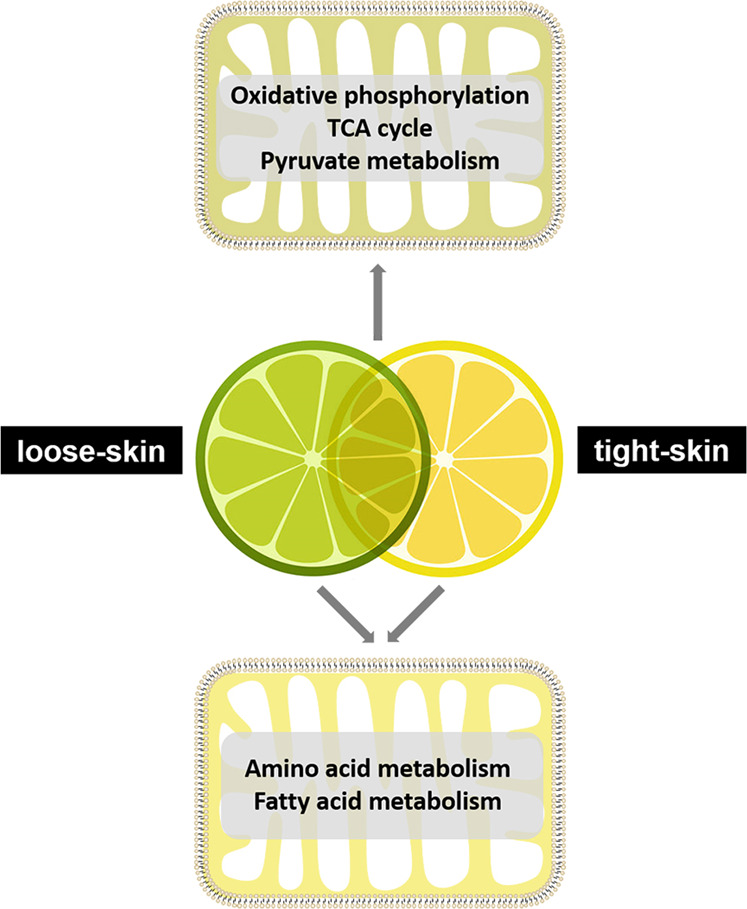
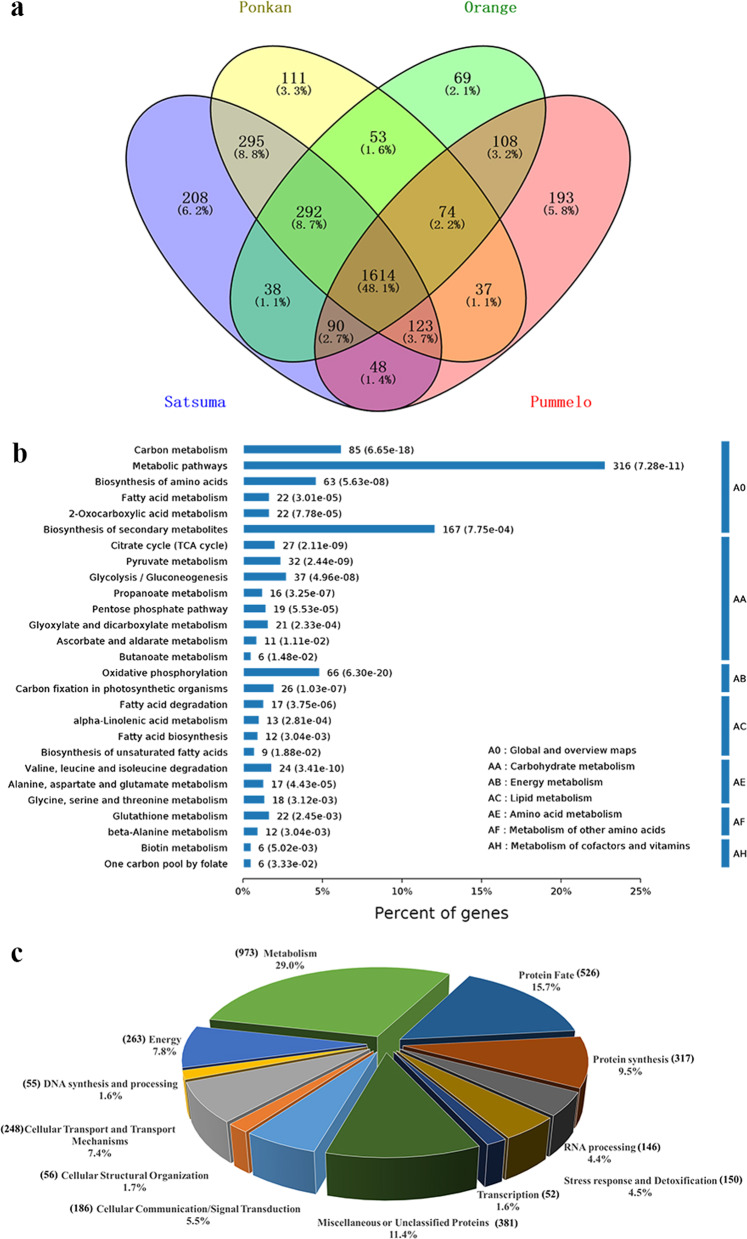
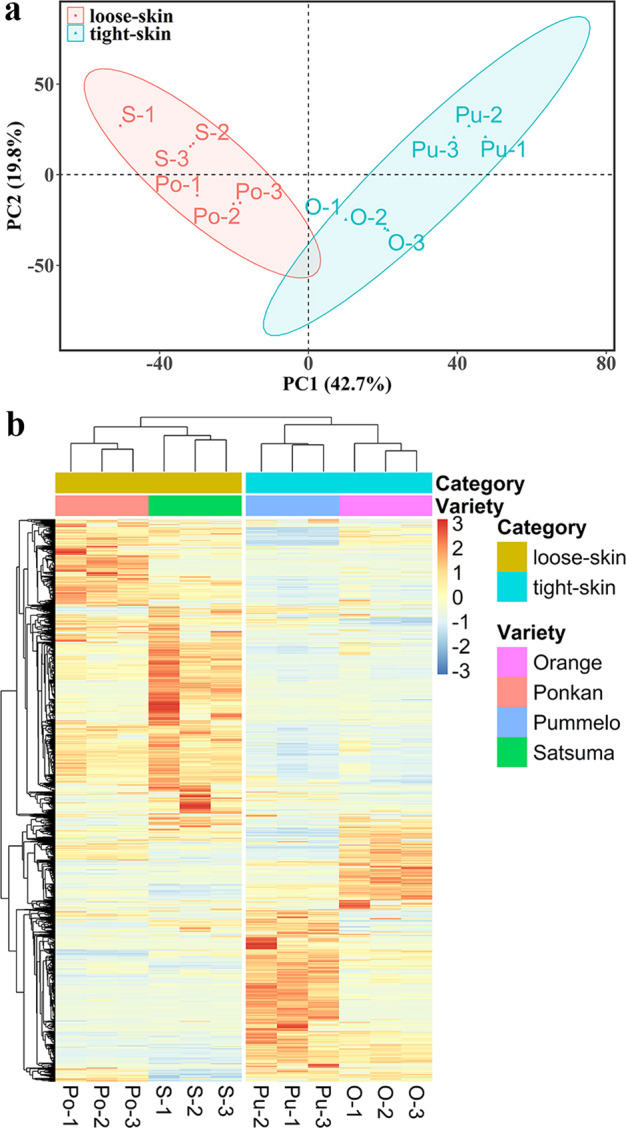
Mitochondria are crucial for the production of primary and secondary metabolites, which largely determine the quality of fruit. However, a method for isolating high-quality mitochondria is currently not available in citrus fruit, preventing high-throughput characterization of mitochondrial functions. Here, based on differential and discontinuous Percoll density gradient centrifugation, we devised a universal protocol for isolating mitochondria from the pulp of four major citrus species, including satsuma mandarin, ponkan mandarin, sweet orange, and pummelo. Western blot analysis and microscopy confirmed the high purity and intactness of the isolated mitochondria. By using this protocol coupled with a label-free proteomic approach, a total of 3353 nonredundant proteins were identified. Comparison of the four mitochondrial proteomes revealed that the proteins commonly detected in all proteomes participate in several typical metabolic pathways (such as tricarboxylic acid cycle, pyruvate metabolism, and oxidative phosphorylation) and pathways closely related to fruit quality (such as γ-aminobutyric acid (GABA) shunt, ascorbate metabolism, and biosynthesis of secondary metabolites). In addition, differentially abundant proteins (DAPs) between different types of species were also identified; these were found to be mainly involved in fatty acid and amino acid metabolism and were further confirmed to be localized to the mitochondria by subcellular localization analysis. In summary, the proposed protocol for the isolation of highly pure mitochondria from different citrus fruits may be used to obtain high-coverage mitochondrial proteomes, which can help to establish the association between mitochondrial metabolism and fruit storability or quality characteristics of different species and lay the foundation for discovering novel functions of mitochondria in plants.
线粒体对于初级和次级代谢产物的产生至关重要,而这些代谢产物在很大程度上决定了果实的品质。然而,目前在柑橘类果实中尚无一种分离高质量线粒体的方法,这阻碍了对线粒体功能进行高通量表征。在此,基于差速和不连续的 Percoll 密度梯度离心法,我们设计了一种通用方案,用于从四种主要柑橘品种(包括温州蜜柑、椪柑、甜橙和柚)的果肉中分离线粒体。蛋白质免疫印迹分析和显微镜检查证实了分离得到的线粒体具有高纯度和完整性。通过将该方案与无标记蛋白质组学方法相结合,共鉴定出 3353 种非冗余蛋白质。对这四种线粒体蛋白质组的比较表明,在所有蛋白质组中均检测到的蛋白质参与了几种典型的代谢途径(如三羧酸循环、丙酮酸代谢和氧化磷酸化)以及与果实品质密切相关的途径(如γ-氨基丁酸(GABA)分流、抗坏血酸代谢和次级代谢产物的生物合成)。此外,还鉴定了不同品种之间丰度差异的蛋白质(DAPs);发现这些蛋白质主要参与脂肪酸和氨基酸代谢,并通过亚细胞定位分析进一步证实其定位于线粒体。总之,所提出的从不同柑橘果实中分离高纯度线粒体的方案可用于获得高覆盖度的线粒体蛋白质组,这有助于建立线粒体代谢与不同品种果实耐贮性或品质特征之间的关联,并为发现植物中线粒体的新功能奠定基础。