Sterman Yoav, Tarazi Ezri, Berman Ofer, Gur Yuval, Parnas Haim, Tareef Rami, Arwas Shmuel
Technion, Haifa 3200003, Israel.
Saf Sci. 2021 Apr;136:105162. doi: 10.1016/j.ssci.2021.105162. Epub 2021 Jan 11.
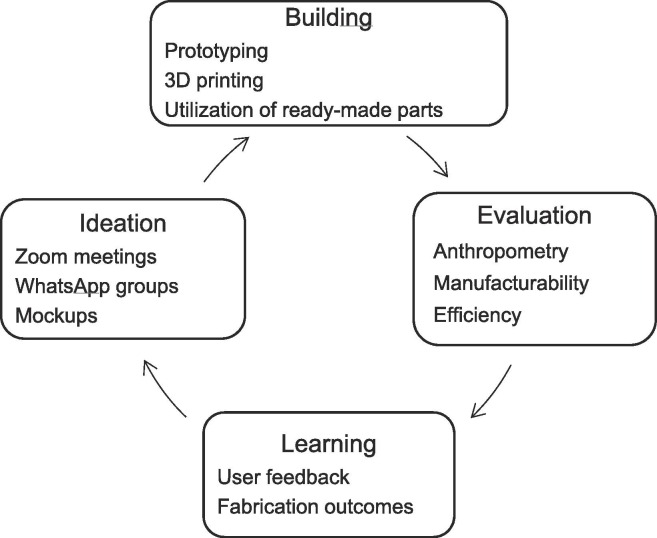
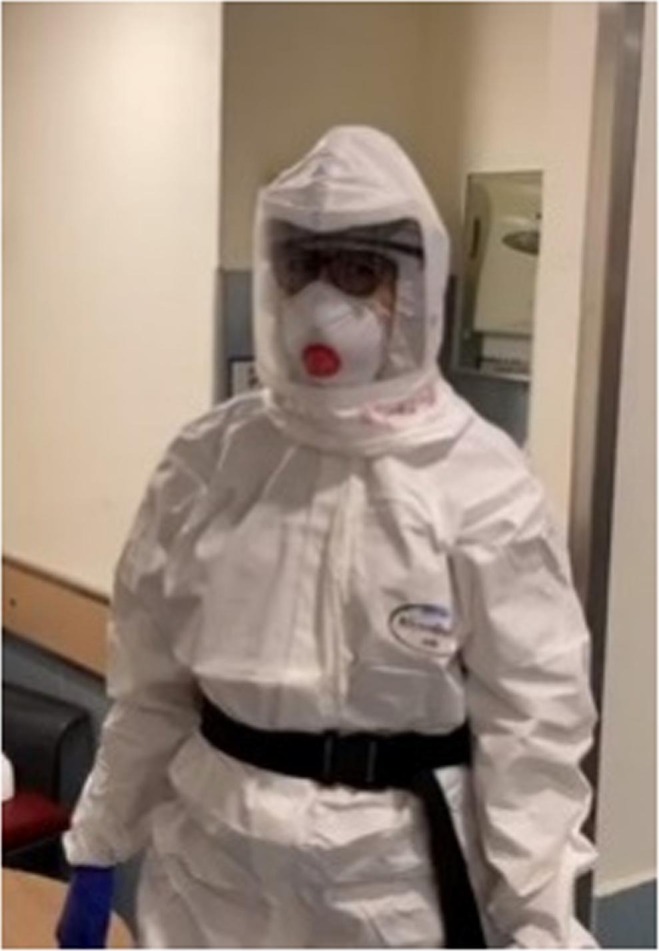
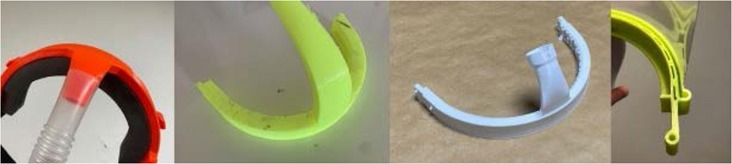
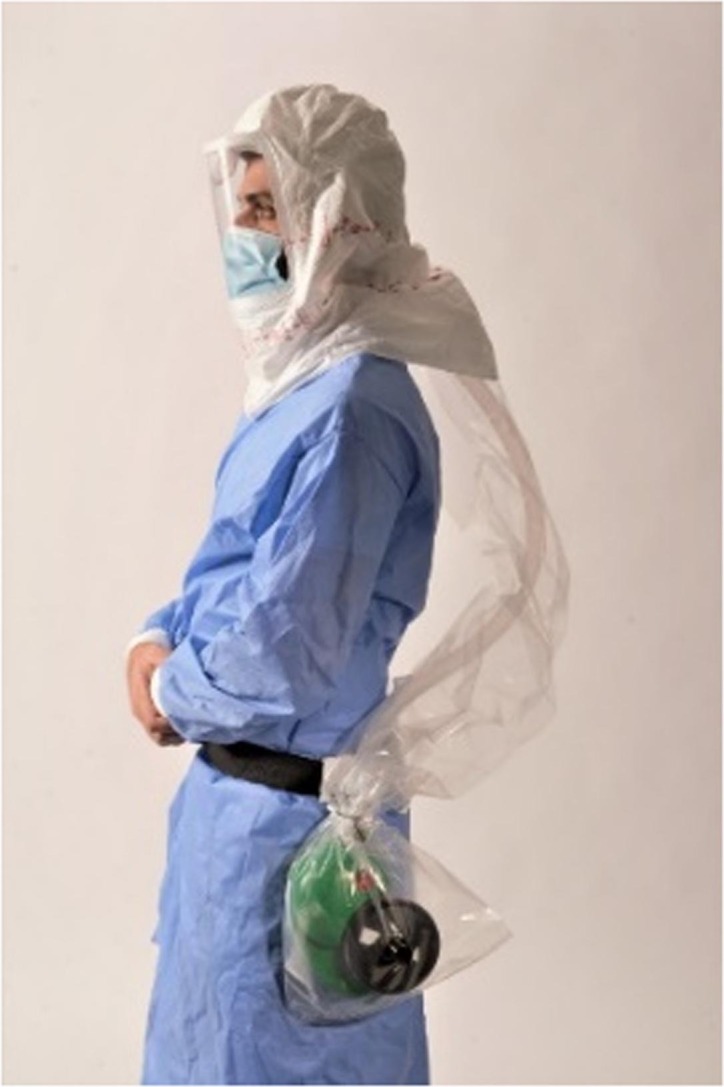
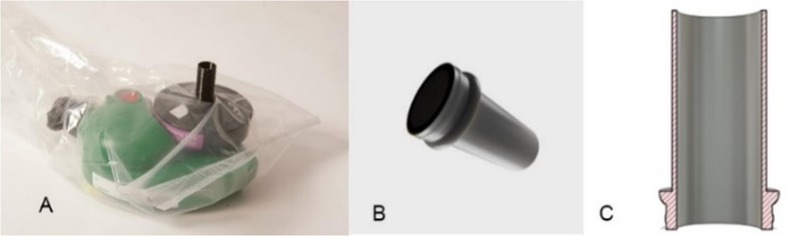
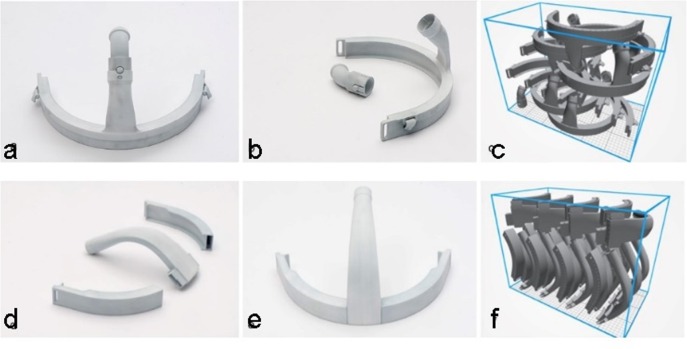
The COVID-19 pandemic has highlighted the difficulties of countries and healthcare systems in preparing for major emergency situations. In the first month of the pandemic there was a global shortage of personal protective equipment (PPE), thereby causing a rise in infection cases and deaths among healthcare workers (HCWs) in some countries. Moreover, the PPE used in hospitals today is not designed for prolonged use, and causes problems such as headaches and vision difficulties. To address these problems, a case study of an active PPE system for HCWs that is based on 3D printing and the use of ready-made parts is presented here. This case study demonstrates a new approach toward the design and manufacturing of PPE in emergency situations that relies on rapid development and domestic manufacturing of products through 3D printing technologies. The system was developed during the first months of the pandemic under restrictive quarantine conditions, and was fabricated and then tested by HCWs at several hospitals. Apart from sterilization difficulties, the system received positive feedback in user testing.
新冠疫情凸显了各国及医疗体系在应对重大紧急情况时所面临的困难。在疫情的第一个月,全球个人防护装备(PPE)短缺,导致一些国家的医护人员感染病例和死亡人数上升。此外,如今医院使用的个人防护装备并非为长时间使用而设计,会引发头痛和视力问题等。为解决这些问题,本文介绍了一个基于3D打印和使用现成部件的医护人员主动式个人防护装备系统的案例研究。该案例研究展示了一种在紧急情况下设计和制造个人防护装备的新方法,这种方法依赖于通过3D打印技术快速开发和国内生产产品。该系统是在疫情的头几个月在严格的隔离条件下开发的,由几家医院的医护人员制造并进行了测试。除了消毒困难外,该系统在用户测试中获得了积极反馈。