Ulivieri Fabio Massimo, Rinaudo Luca
Fondazione Istituto di Ricovero e Cura a Carattere Scientifico (IRCCS) Ca' Granda Ospedale Maggiore Policlinico, Unità Operativa (UO) Medicina Nucleare, Milan, Italy.
Technologic Srl, Turin, Italy.
Front Med (Lausanne). 2021 Jan 15;7:590139. doi: 10.3389/fmed.2020.590139. eCollection 2020.
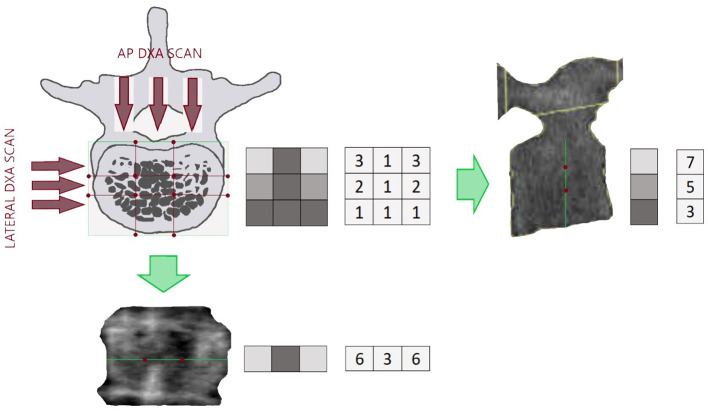
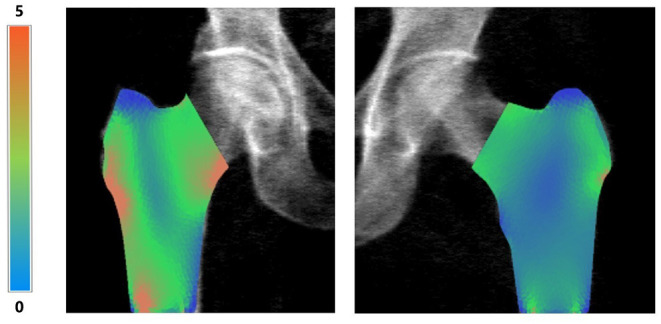
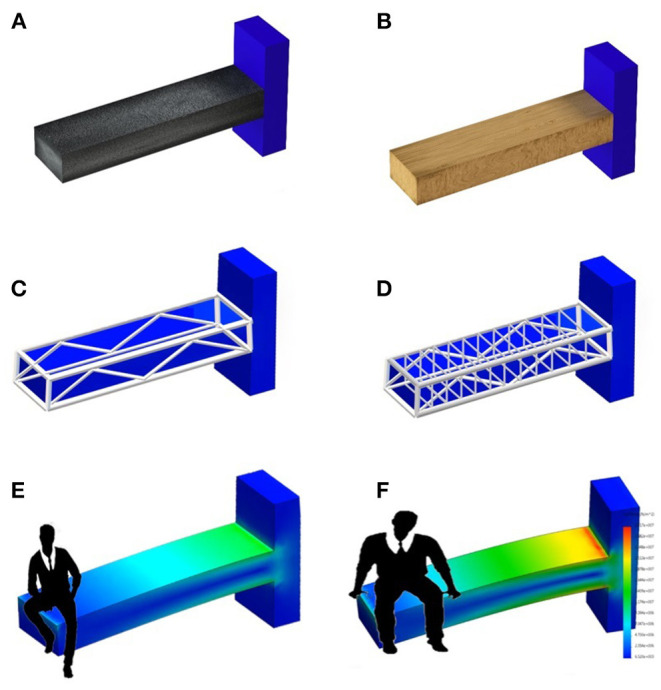
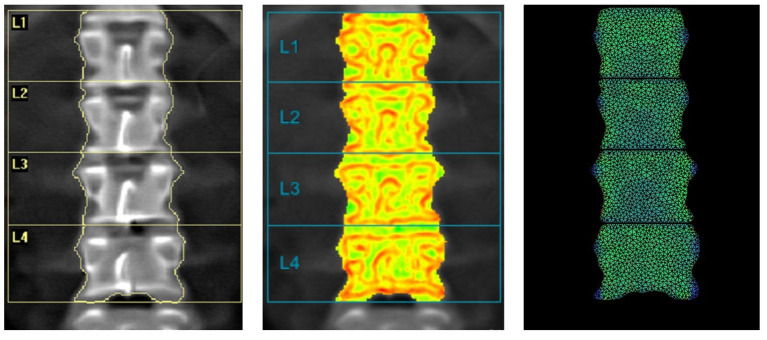
For a proper assessment of osteoporotic fragility fracture prediction, all aspects regarding bone mineral density, bone texture, geometry and information about strength are necessary, particularly in endocrinological and rheumatological diseases, where bone quality impairment is relevant. Data regarding bone quantity (density) and, partially, bone quality (structure and geometry) are obtained by the gold standard method of dual X-ray absorptiometry (DXA). Data about bone strength are not yet readily available. To evaluate bone resistance to strain, a new DXA-derived index based on the Finite Element Analysis (FEA) of a greyscale of density distribution measured on spine and femoral scan, namely Bone Strain Index (BSI), has recently been developed. Bone Strain Index includes local information on density distribution, bone geometry and loadings and it differs from bone mineral density (BMD) and other variables of bone quality like trabecular bone score (TBS), which are all based on the quantification of bone mass and distribution averaged over the scanned region. This state of the art review illustrates the methodology of BSI calculation, the findings of its in reproducibility and the preliminary data about its capability to predict fragility fracture and to monitor the follow up of the pharmacological treatment for osteoporosis.
为了对骨质疏松性脆性骨折预测进行恰当评估,有必要考虑骨密度、骨纹理、几何形状以及强度信息等所有方面,尤其是在骨质量受损相关的内分泌和风湿性疾病中。关于骨量(密度)以及部分骨质量(结构和几何形状)的数据可通过双能X线吸收法(DXA)这一金标准方法获得。而关于骨强度的数据目前尚不易获取。为了评估骨骼对应变的抵抗力,最近基于对脊柱和股骨扫描测得的密度分布灰度进行有限元分析(FEA)开发了一种新的源自DXA的指标,即骨应变指数(BSI)。骨应变指数包含密度分布、骨几何形状和负荷的局部信息,它不同于骨密度(BMD)以及其他骨质量变量,如小梁骨评分(TBS),后两者均基于扫描区域内骨量及其分布的量化。这篇综述阐述了骨应变指数的计算方法、其再现性的研究结果以及关于其预测脆性骨折和监测骨质疏松药物治疗随访能力的初步数据。