Strathclyde Institute of Pharmacy & Biomedical Sciences, University of Strathclyde, John Arbuthnott Building, 161 Cathedral St, Glasgow, G4 0RE, Scotland, UK.
Purinergic Signal. 2021 Mar;17(1):9-23. doi: 10.1007/s11302-021-09763-0. Epub 2021 Feb 1.
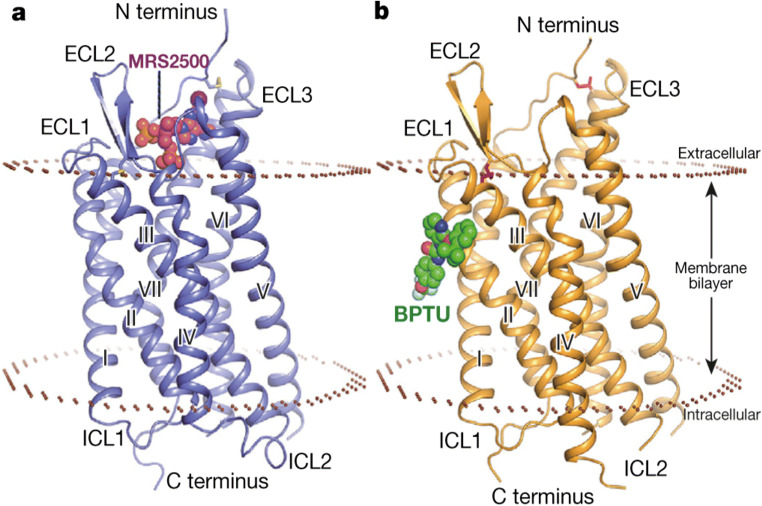
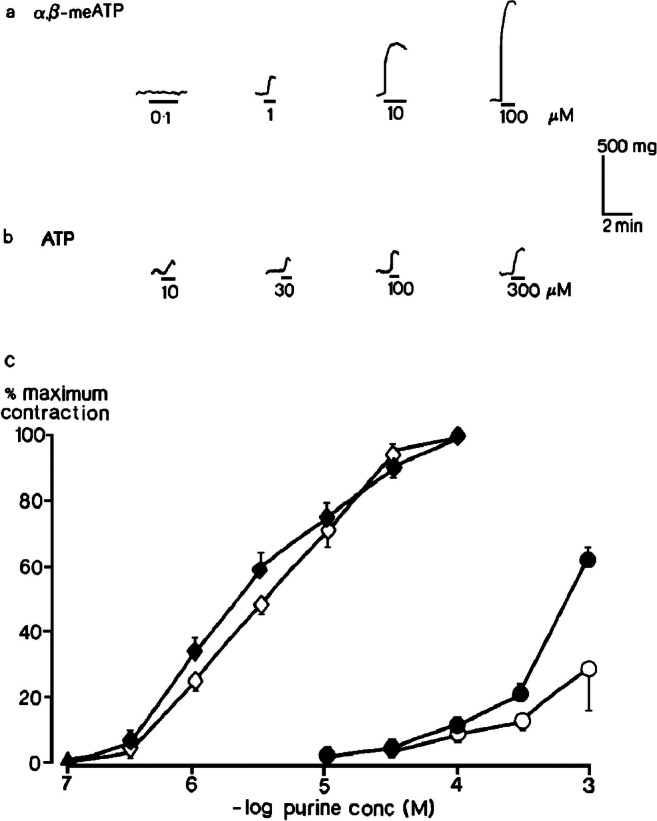
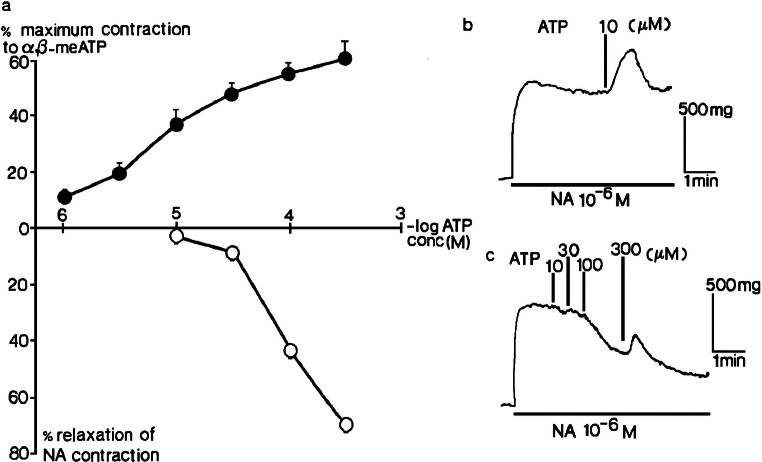
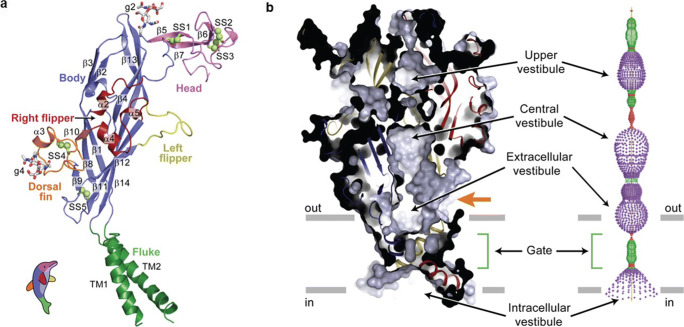
P2 receptors are present in virtually all tissues and cell types in the human body, and they mediate the physiological and pharmacological actions of extracellular purine and pyrimidine nucleotides. They were first characterised and named by Geoff Burnstock in 1978, then subdivided into P and P purinoceptors in 1985 on the basis of pharmacological criteria in functional studies on native receptors. Molecular cloning of receptors in the 1990s revealed P2X receptors to comprise seven different subunits that interact to produce functional homo- and heterotrimeric ligand-gated cation channels. A family of eight P2Y G protein-coupled receptors were also cloned, which can form homo- and heterodimers. Deep insight into the molecular mechanisms of agonist and antagonist action has been provided by more recent determination of the tertiary and quaternary structures of several P2X and P2Y receptor subtypes. Agonists and antagonists that are highly selective for individual subtypes are now available and some are in clinical use. This has all come about because of the intelligence, insight and drive of the force of nature that was Geoff Burnstock.
P2 受体几乎存在于人体所有组织和细胞类型中,它们介导细胞外嘌呤和嘧啶核苷酸的生理和药理学作用。它们于 1978 年由 Geoff Burnstock 首次鉴定并命名,然后根据对天然受体进行功能研究的药理学标准,于 1985 年进一步细分为 P1 和 P2 嘌呤受体。20 世纪 90 年代受体的分子克隆揭示 P2X 受体由七个不同的亚基组成,这些亚基相互作用产生功能性同型和异型配体门控阳离子通道。还克隆了八个 P2Y G 蛋白偶联受体家族,它们可以形成同型和异型二聚体。最近确定了几种 P2X 和 P2Y 受体亚型的三级和四级结构,为激动剂和拮抗剂的作用机制提供了更深入的了解。现在已经有了对个别亚型具有高度选择性的激动剂和拮抗剂,有些已经在临床应用。这一切都要归功于 Geoff Burnstock 这位充满智慧、洞察力和动力的自然力量。