Department of PathologyUniversity of PittsburghSchool of Medicine and University of Pittsburgh Medical CenterPittsburghPA.
Pittsburgh Liver Research CenterUniversity of PittsburghSchool of Medicine and University of Pittsburgh Medical CenterPittsburghPA.
Hepatology. 2021 Aug;74(2):741-759. doi: 10.1002/hep.31730. Epub 2021 Jun 21.
HCC remains a major unmet clinical need. Although activating catenin beta-1 (CTNNB1) mutations are observed in prominent subsets of HCC cases, these by themselves are insufficient for hepatocarcinogenesis. Coexpression of mutant CTNNB1 with clinically relevant co-occurrence has yielded HCCs. Here, we identify cooperation between β-catenin and nuclear factor erythroid 2-related factor 2 (Nrf2) signaling in HCC.
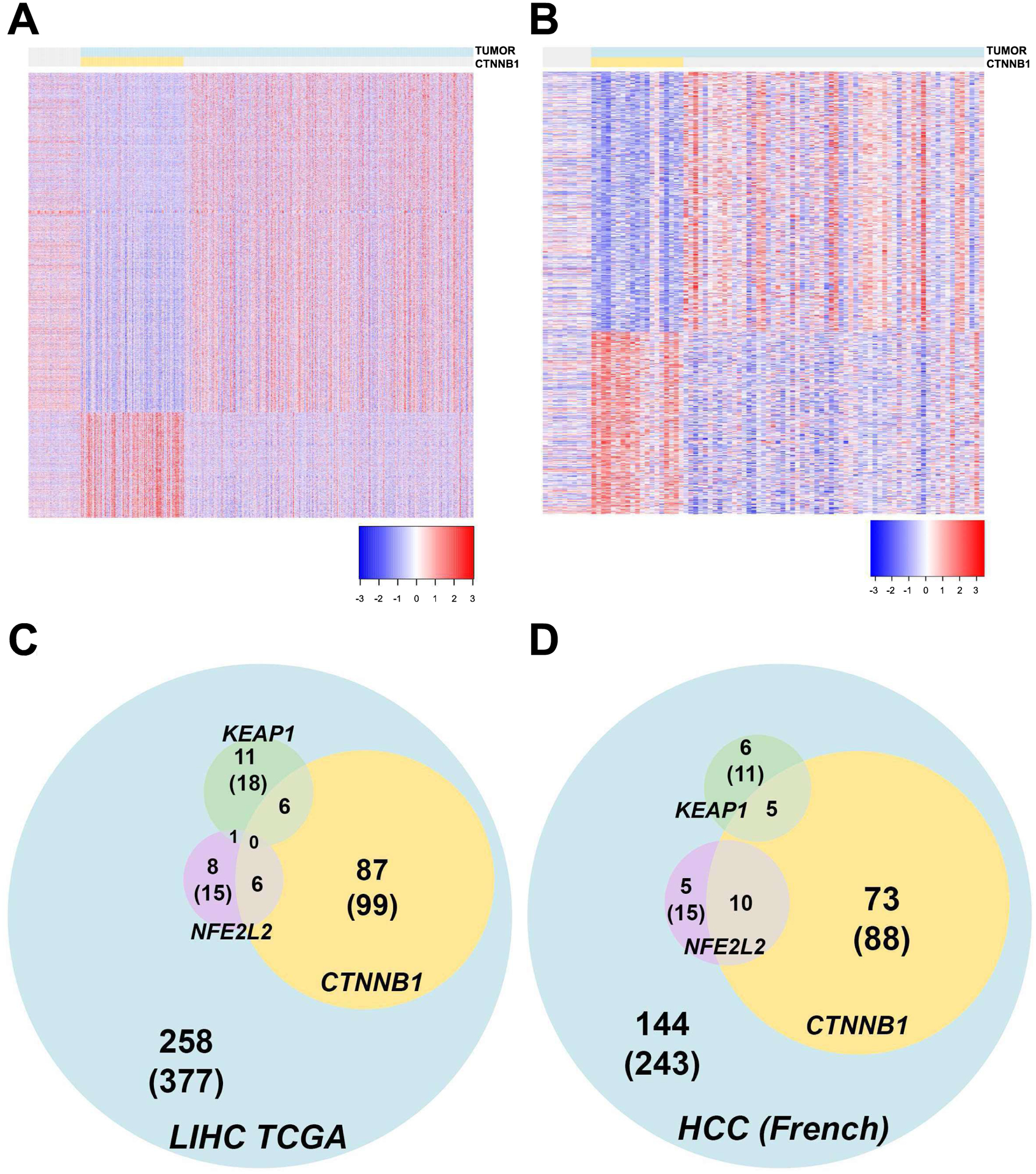
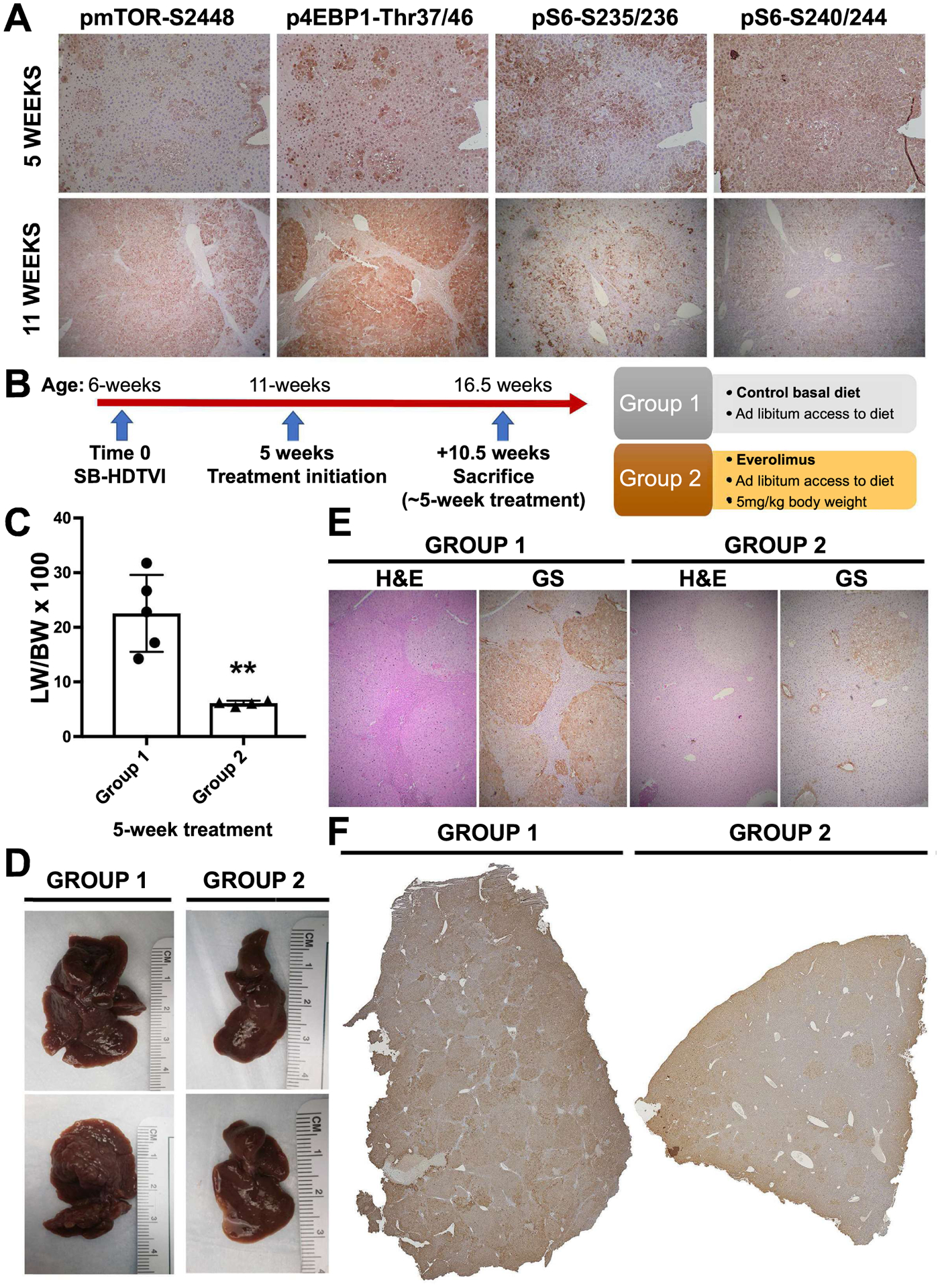
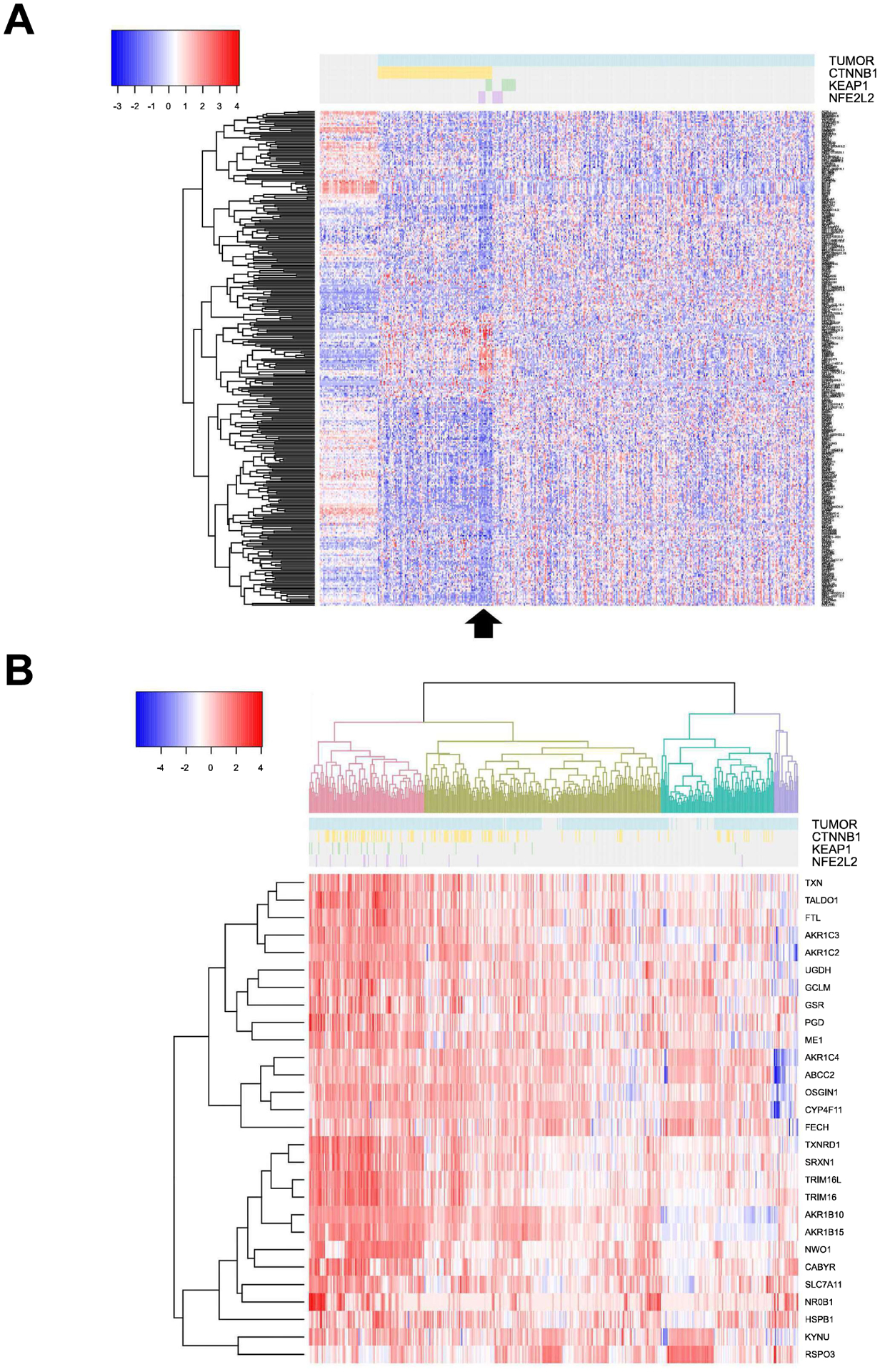
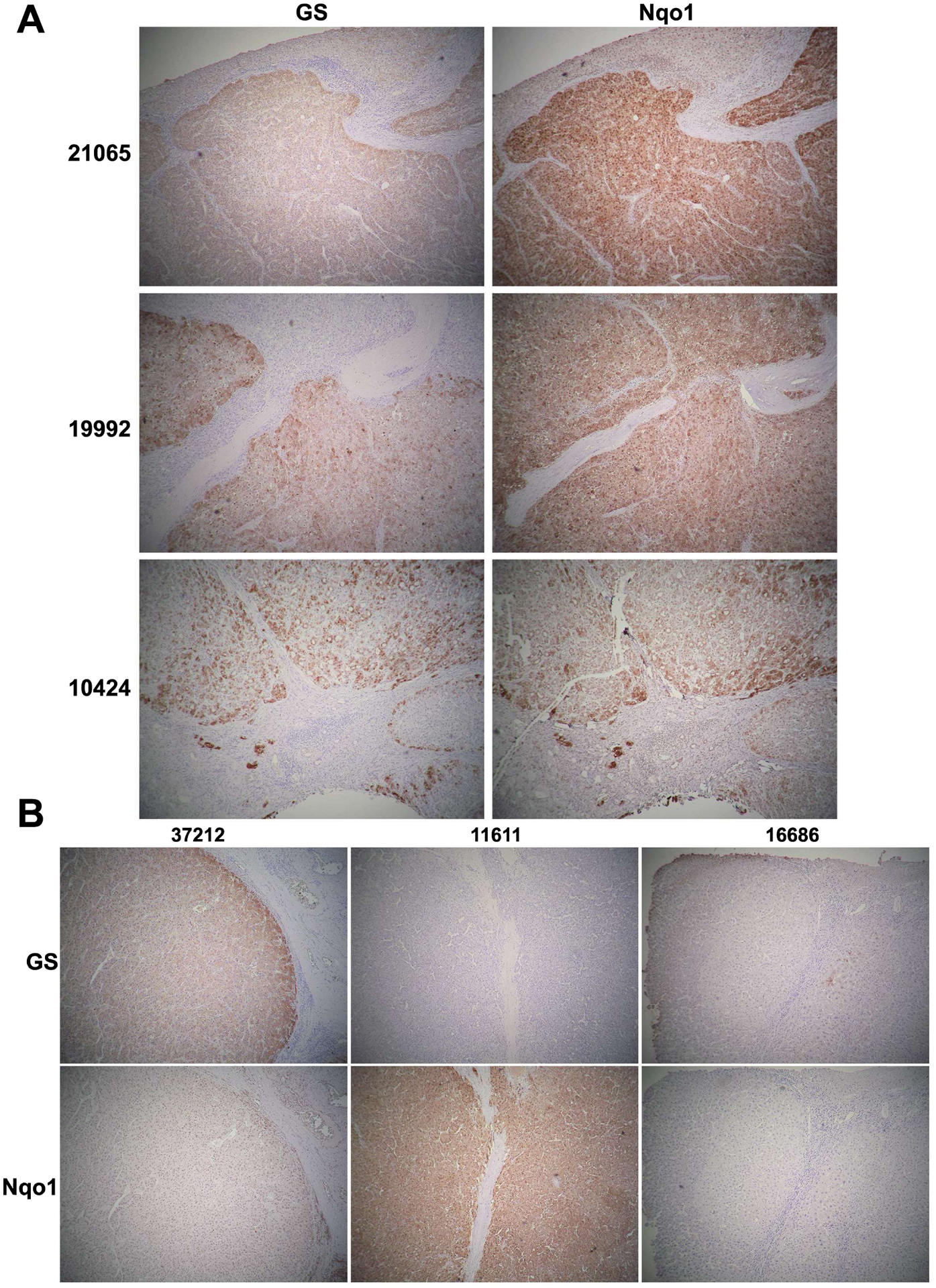
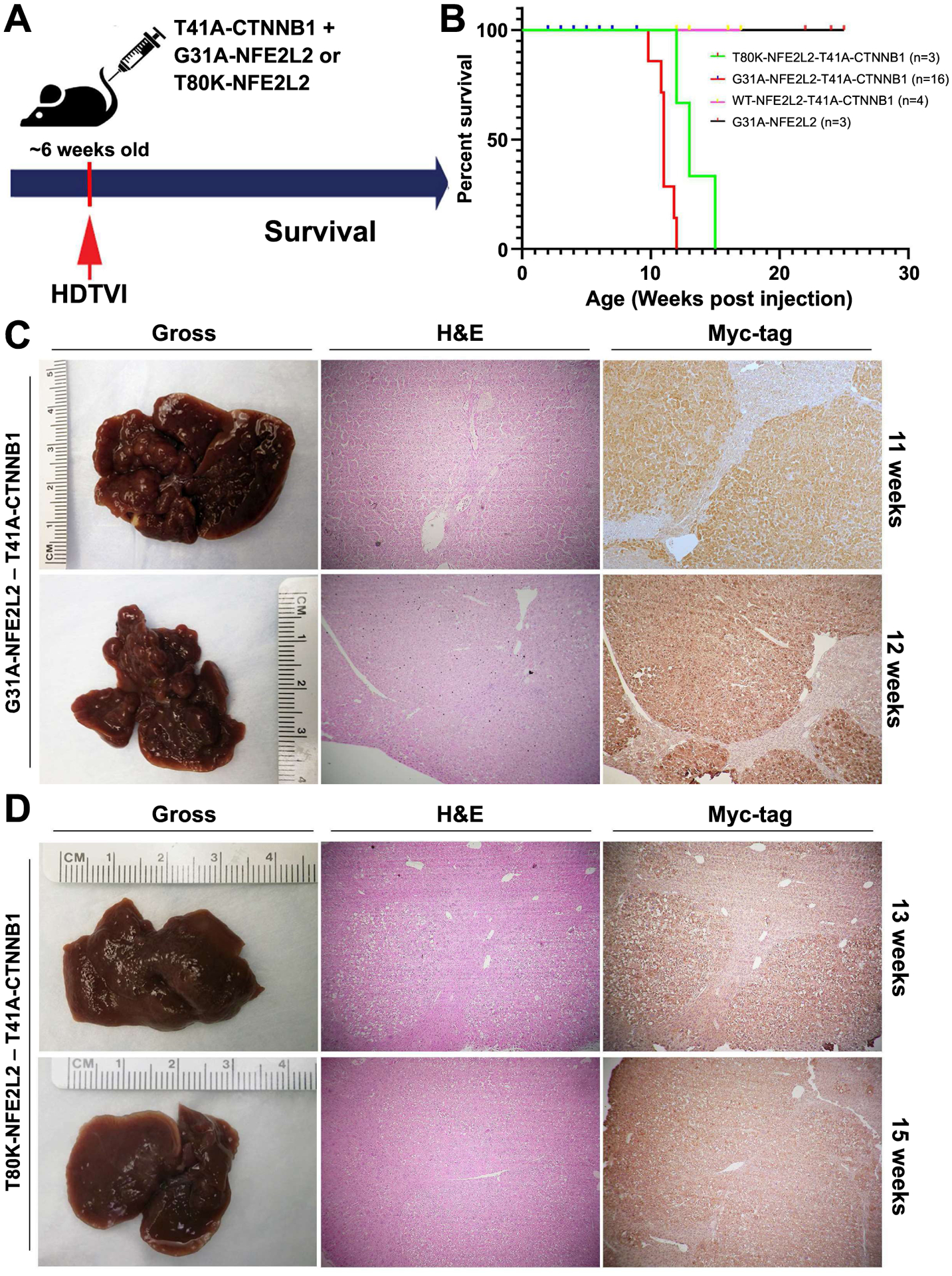
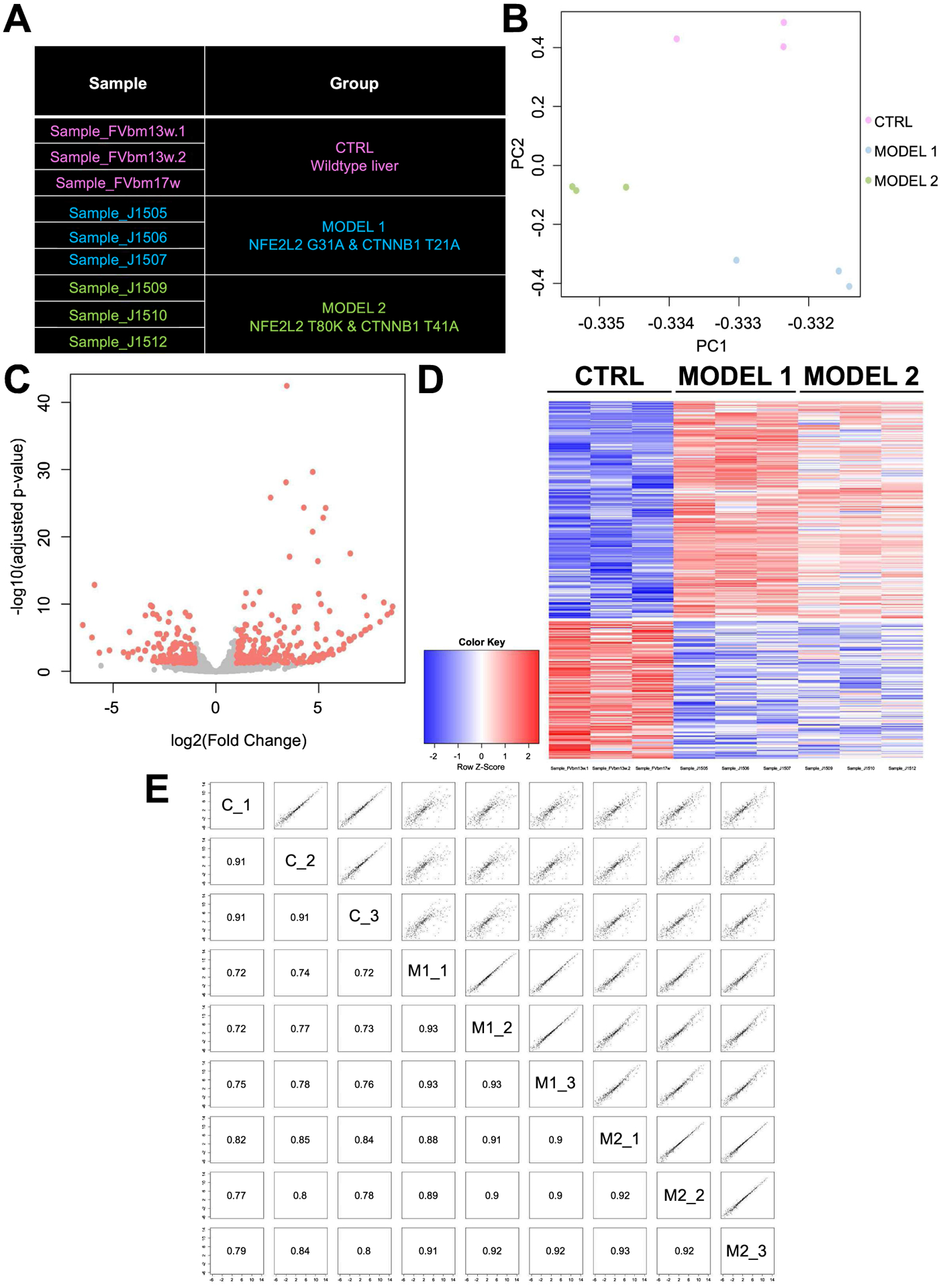
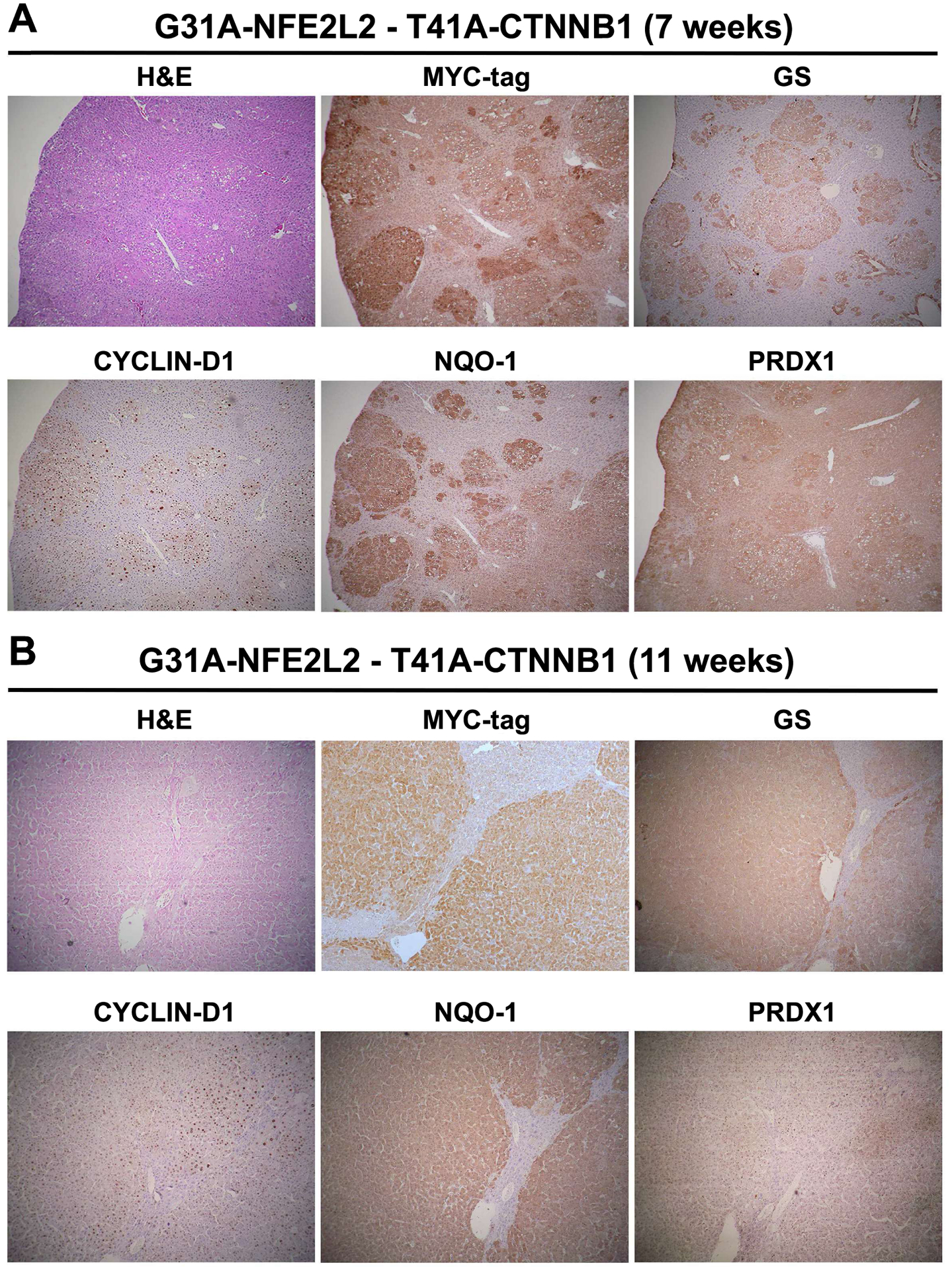
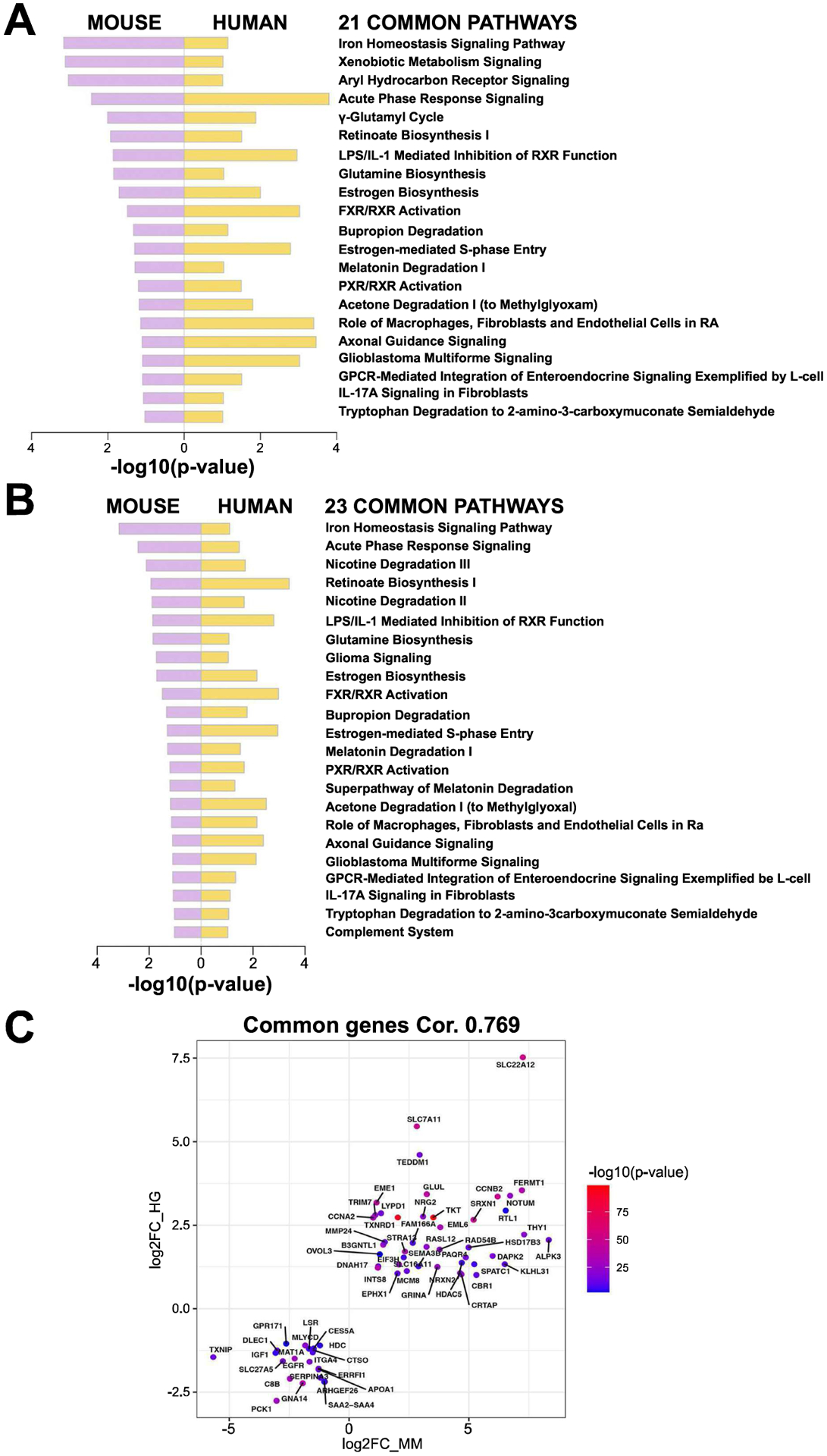
Public HCC data sets were assessed for concomitant presence of CTNNB1 mutations and either mutations in nuclear factor erythroid-2-related factor-2 (NFE2L2) or Kelch like-ECH-associated protein 1 (KEAP1), or Nrf2 activation by gene signature. HCC development in mice and similarity to human HCC subsets was assessed following coexpression of T41A-CTNNB1 with either wild-type (WT)-, G31A-, or T80K-NFE2L2. Based on mammalian target of rapamycin complex 1 activation in CTNNB1-mutated HCCs, response of preclinical HCC to mammalian target of rapamycin (mTOR) inhibitor was investigated. Overall, 9% of HCC cases showed concomitant CTNNB1 mutations and Nrf2 activation, subsets of which were attributable to mutations in NFE2L2/KEAP1. Coexpression of mutated CTNNB1 with mutant NFE2L2, but not WT-NFE2L2, led to HCC development and mortality by 12-14 weeks. These HCCs were positive for β-catenin targets, like glutamine synthetase and cyclin-D1, and Nrf2 targets, like NAD(P)H quinone dehydrogenase 1 and peroxiredoxin 1. RNA-sequencing and pathway analysis showed high concordance of preclinical HCC to human HCC subset showing activation of unique (iron homeostasis and glioblastoma multiforme signaling) and expected (glutamine metabolism) pathways. NFE2L2-CTNNB1 HCC mice were treated with mTOR inhibitor everolimus (5-mg/kg diet ad libitum), which led to >50% decrease in tumor burden.
Coactivation of β-catenin and Nrf2 is evident in 9% of all human HCCs. Coexpression of mutant NFE2L2 and mutant CTNNB1 led to clinically relevant HCC development in mice, which responded to mTOR inhibitors. Thus, this model has both biological and therapeutic implications.
肝癌仍然是一个未满足的主要临床需求。虽然在肝癌的显著亚群中观察到激活的连环蛋白β-1(CTNNB1)突变,但这些突变本身不足以引起肝癌发生。突变 CTNNB1 与临床相关的共同表达产生了肝癌。在这里,我们确定了β-连环蛋白和核因子红细胞 2 相关因子 2(Nrf2)信号在肝癌中的合作。
评估了公共肝癌数据集,以评估 CTNNB1 突变与核因子红细胞-2 相关因子-2(NFE2L2)或 Kelch 样-ECH 相关蛋白 1(KEAP1)的突变,或通过基因特征评估 Nrf2 激活的同时存在。在 T41A-CTNNB1 与野生型(WT)、G31A-或 T80K-NFE2L2 共表达后,评估了小鼠肝癌的发展以及与人类肝癌亚群的相似性。基于哺乳动物雷帕霉素靶蛋白复合物 1 在 CTNNB1 突变型 HCC 中的激活,研究了临床前 HCC 对哺乳动物雷帕霉素(mTOR)抑制剂的反应。总体而言,9%的 HCC 病例表现出 CTNNB1 突变和 Nrf2 激活的同时存在,其中一些归因于 NFE2L2/KEAP1 的突变。突变 CTNNB1 与突变 NFE2L2 而非 WT-NFE2L2 的共表达导致 12-14 周时 HCC 的发展和死亡。这些 HCC 对β-连环蛋白靶标(如谷氨酰胺合成酶和细胞周期蛋白 D1)和 Nrf2 靶标(如 NAD(P)H 醌脱氢酶 1 和过氧化物酶 1)呈阳性。RNA 测序和途径分析显示,临床前 HCC 与人类 HCC 亚群具有高度一致性,该亚群表现出独特(铁稳态和多形性胶质母细胞瘤信号)和预期(谷氨酰胺代谢)途径的激活。用 mTOR 抑制剂依维莫司(5-mg/kg 饮食自由)治疗 NFE2L2-CTNNB1 HCC 小鼠,导致肿瘤负担减少>50%。
9%的人类 HCC 中都存在β-连环蛋白和 Nrf2 的共激活。突变 NFE2L2 和突变 CTNNB1 的共表达导致了临床上相关的 HCC 在小鼠中的发展,这些 HCC 对 mTOR 抑制剂有反应。因此,这种模型具有生物学和治疗学意义。