Shen Yilan, Chen Wei, Han Lei, Bian Qi, Fan Jiajun, Cao Zhonglian, Jin Xin, Ding Tao, Xian Zongshu, Guo Zhiyong, Zhang Wei, Ju Dianwen, Mei Xiaobin
Department of Nephrology, Changhai Hospital, Second Military Medical University, Shanghai 200433, China.
Department of Biological Medicines, Fudan University School of Pharmacy, Shanghai 201203, China.
Acta Pharm Sin B. 2021 Jan;11(1):127-142. doi: 10.1016/j.apsb.2020.07.002. Epub 2020 Jul 13.
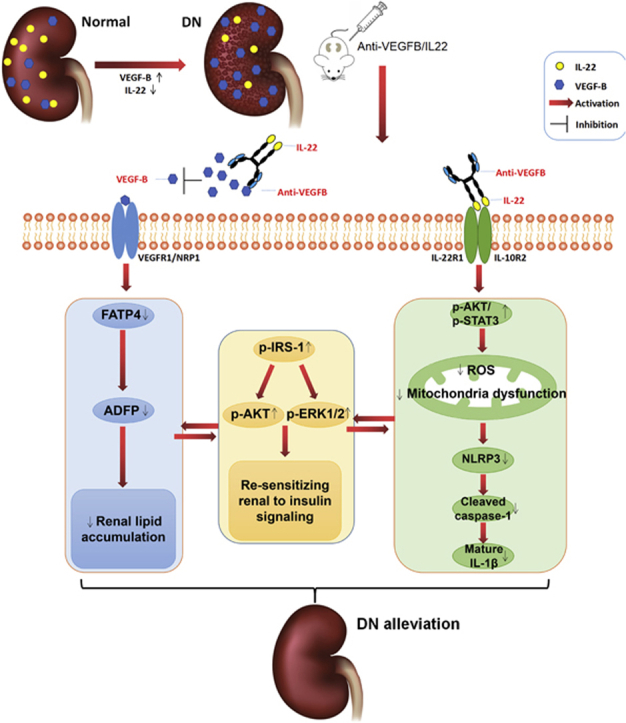
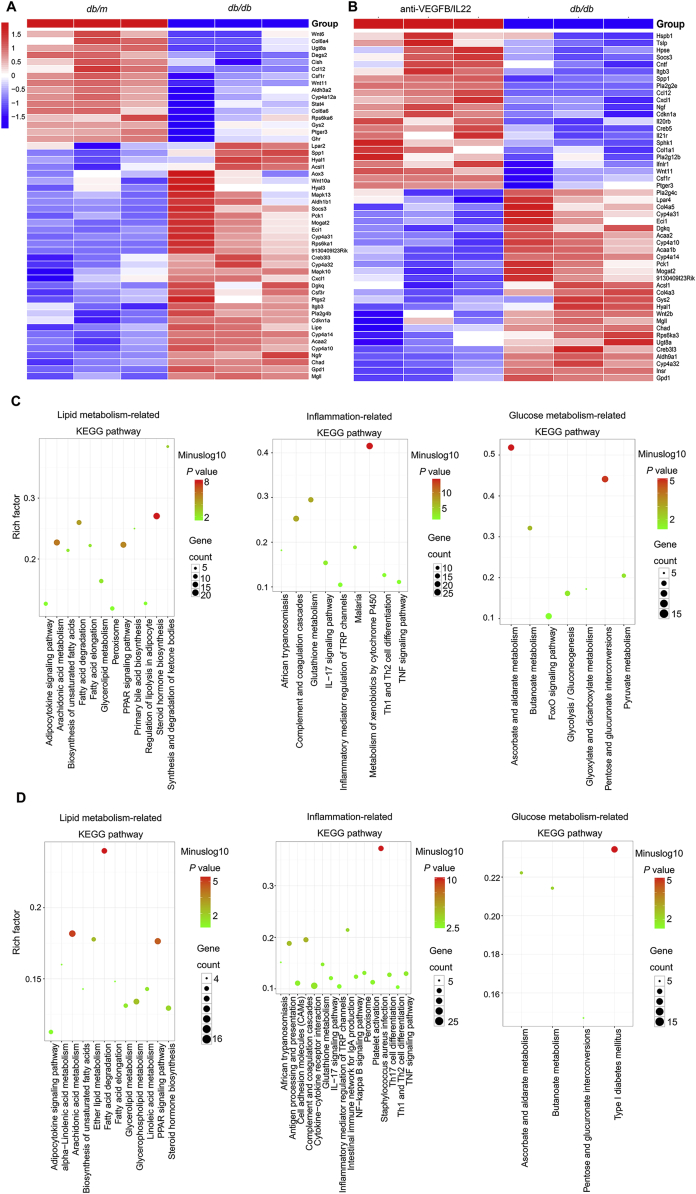
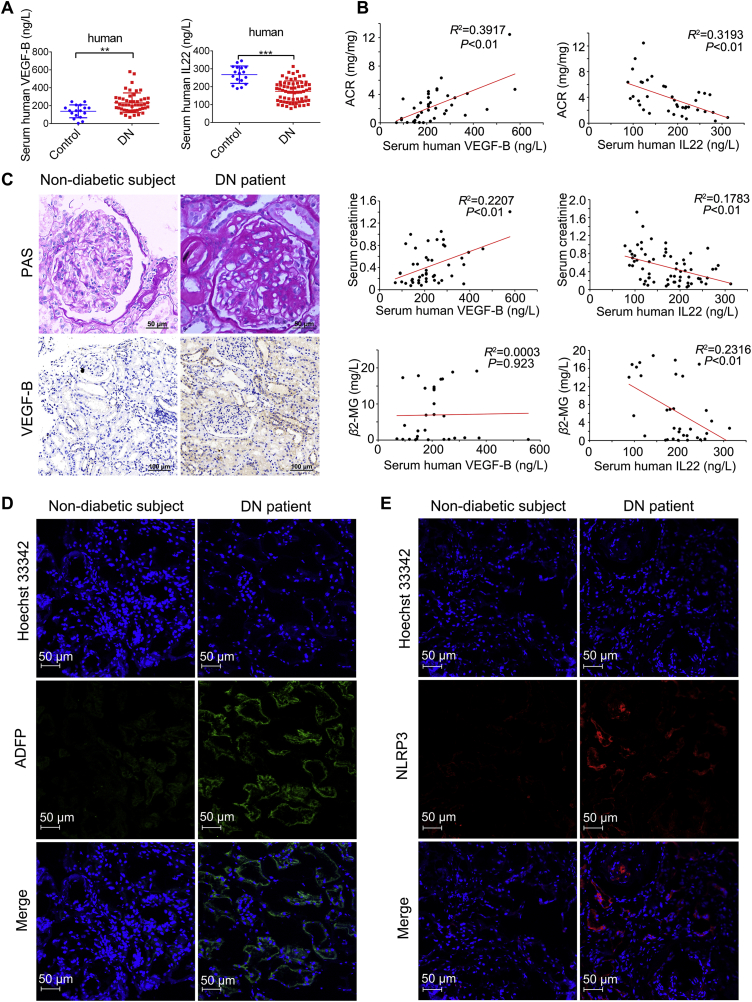
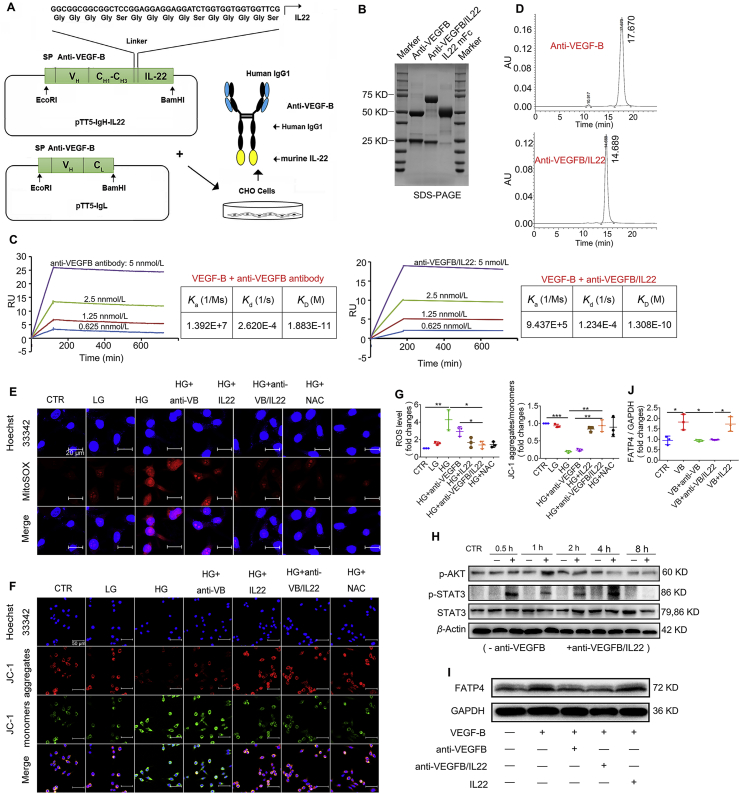
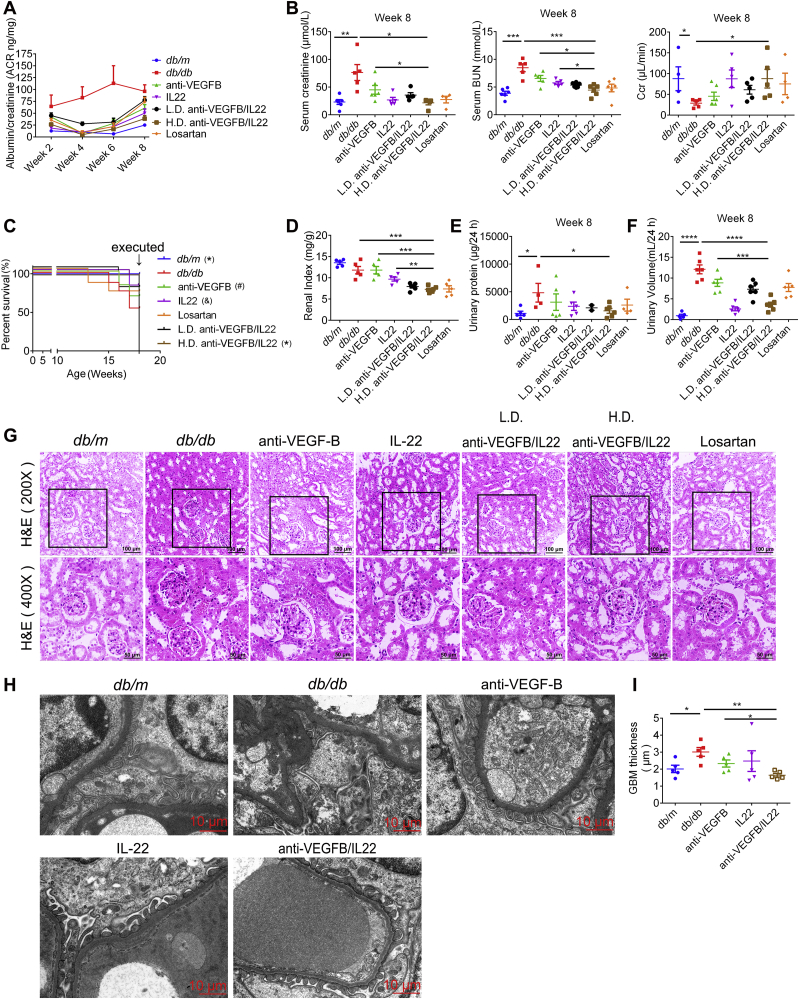
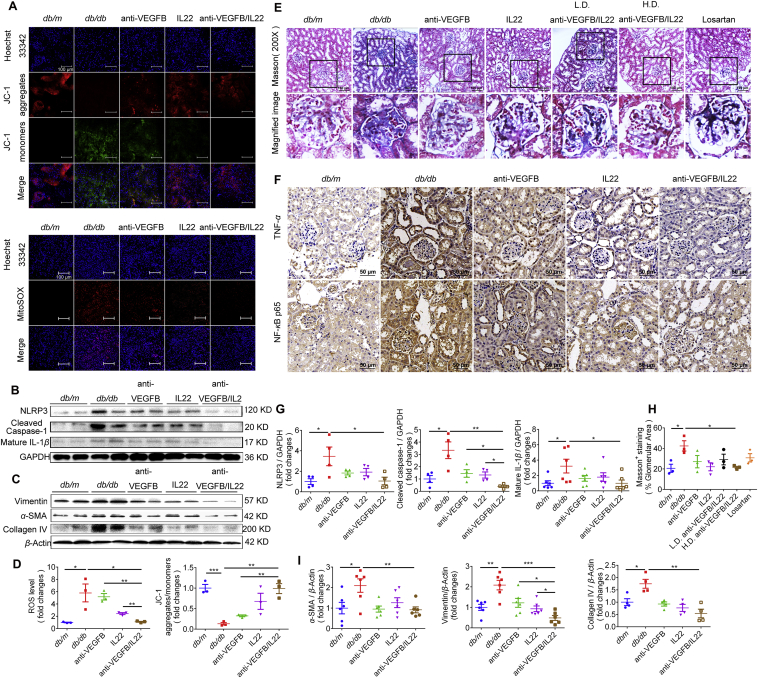
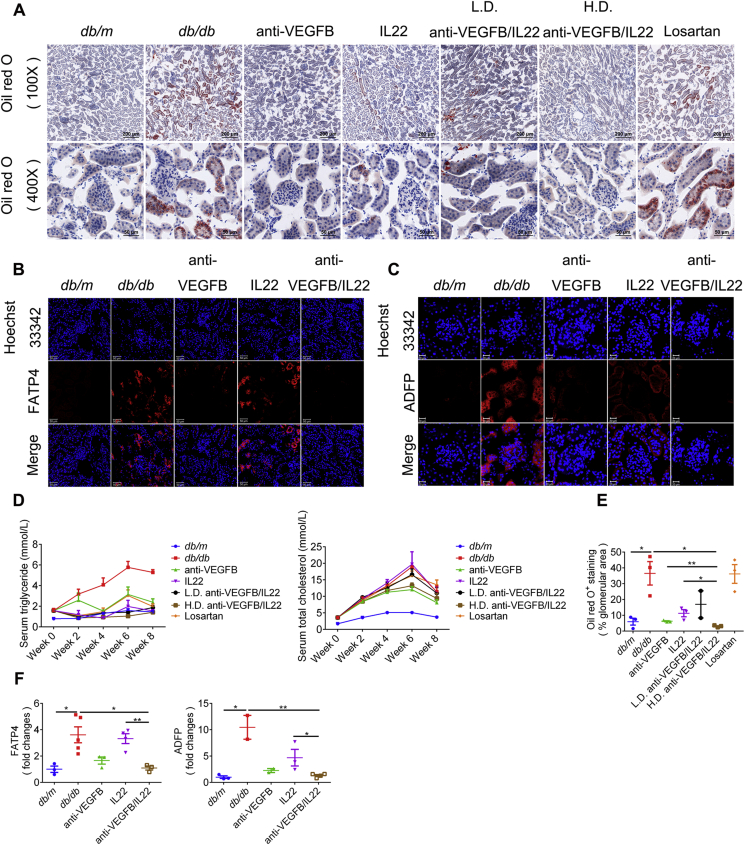
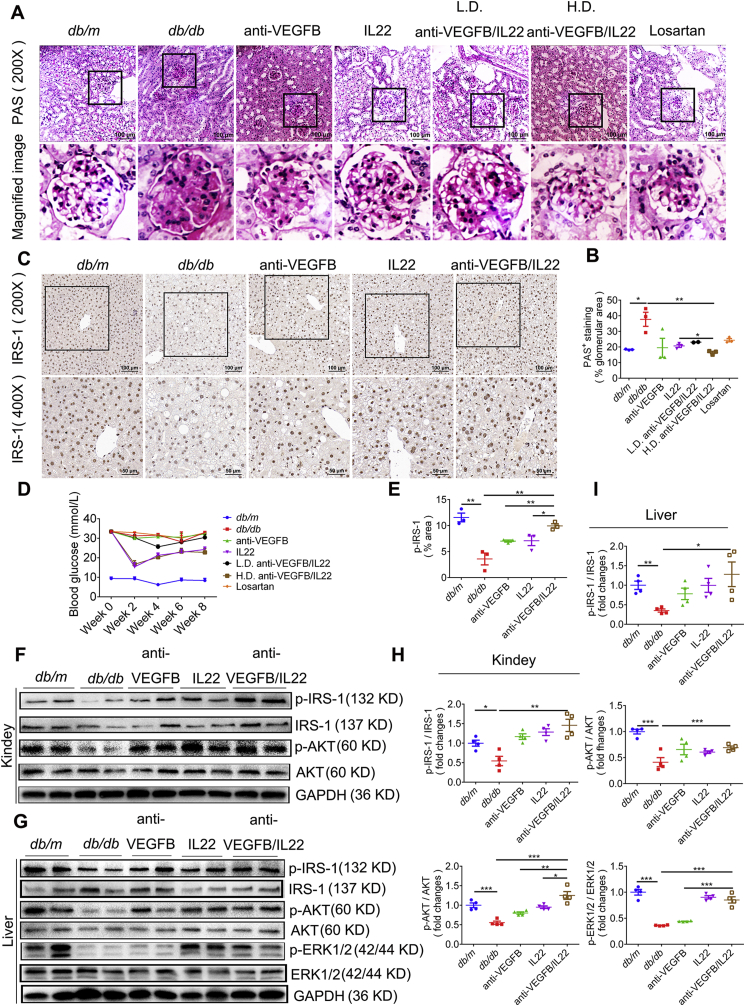
Diabetic nephropathy (DN) is considered the primary causes of end-stage renal disease (ESRD) and is related to abnormal glycolipid metabolism, hemodynamic abnormalities, oxidative stress and chronic inflammation. Antagonism of vascular endothelial growth factor B (VEGF-B) could efficiently ameliorate DN by reducing renal lipotoxicity. However, this pharmacological strategy is far from satisfactory, as it ignores numerous pathogenic factors, including anomalous reactive oxygen species (ROS) generation and inflammatory responses. We found that the upregulation of VEGF-B and downregulation of interleukin-22 (IL-22) among DN patients were significantly associated with the progression of DN. Thus, we hypothesized that a combination of a VEGF-B antibody and IL-22 could protect against DN not only by regulating glycolipid metabolism but also by reducing the accumulation of inflammation and ROS. To meet these challenges, a novel anti-VEGFB/IL22 fusion protein was developed, and its therapeutic effects on DN were further studied. We found that the anti-VEGFB/IL22 fusion protein reduced renal lipid accumulation by inhibiting the expression of fatty acid transport proteins and ameliorated inflammatory responses the inhibition of renal oxidative stress and mitochondrial dysfunction. Moreover, the fusion protein could also improve diabetic kidney disease by increasing insulin sensitivity. Collectively, our findings indicate that the bifunctional VEGF-B antibody and IL-22 fusion protein could improve the progression of DN, which highlighted a novel therapeutic approach to DN.
糖尿病肾病(DN)被认为是终末期肾病(ESRD)的主要病因,与糖脂代谢异常、血流动力学异常、氧化应激和慢性炎症有关。拮抗血管内皮生长因子B(VEGF-B)可通过降低肾脏脂毒性有效改善DN。然而,这种药理学策略远不能令人满意,因为它忽略了许多致病因素,包括活性氧(ROS)生成异常和炎症反应。我们发现,DN患者中VEGF-B的上调和白细胞介素-22(IL-22)的下调与DN的进展显著相关。因此,我们假设VEGF-B抗体和IL-22联合使用不仅可以通过调节糖脂代谢,还可以通过减少炎症和ROS的积累来预防DN。为应对这些挑战,我们开发了一种新型抗VEGFB/IL22融合蛋白,并进一步研究了其对DN的治疗效果。我们发现,抗VEGFB/IL22融合蛋白通过抑制脂肪酸转运蛋白的表达减少肾脏脂质积累,并通过抑制肾脏氧化应激和线粒体功能障碍改善炎症反应。此外,融合蛋白还可以通过提高胰岛素敏感性来改善糖尿病肾病。总的来说,我们的研究结果表明,双功能VEGF-B抗体和IL-22融合蛋白可以改善DN的进展,这突出了一种治疗DN的新方法。