3D Seismic Lab-School of Earth and Ocean Sciences, Cardiff University-Main Building, Park Place, Cardiff, CF10 3AT, UK.
Laboratory of Applied Geology and Hydrogeology, Department of Agriculture, Hellenic Mediterranean University, P.O. Box 1939, 71004, Heraklion, Crete, Greece.
Sci Rep. 2021 Feb 3;11(1):2927. doi: 10.1038/s41598-021-82421-y.
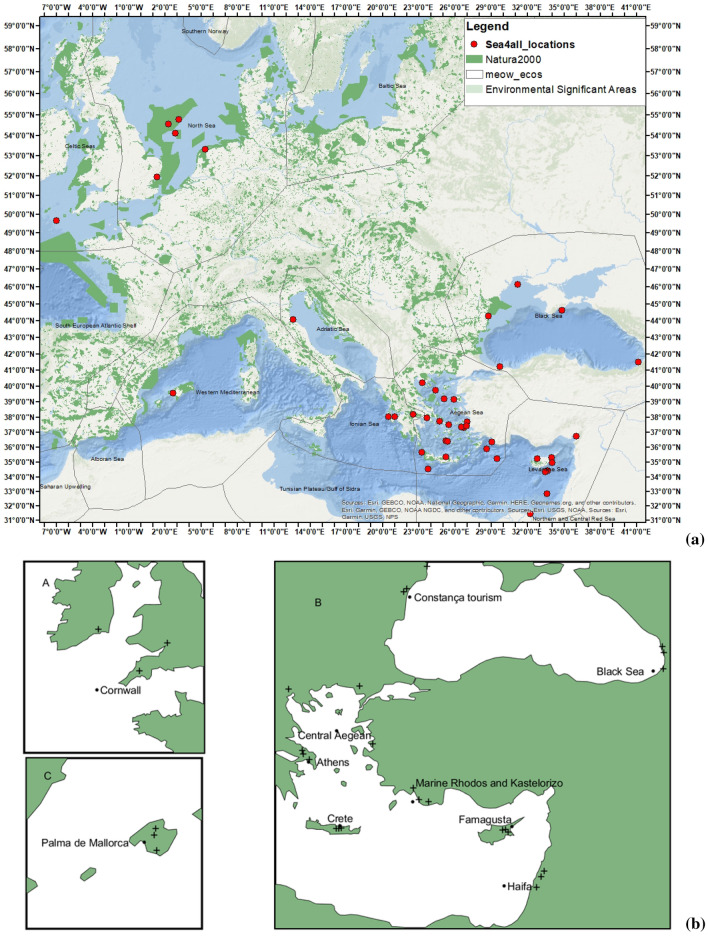
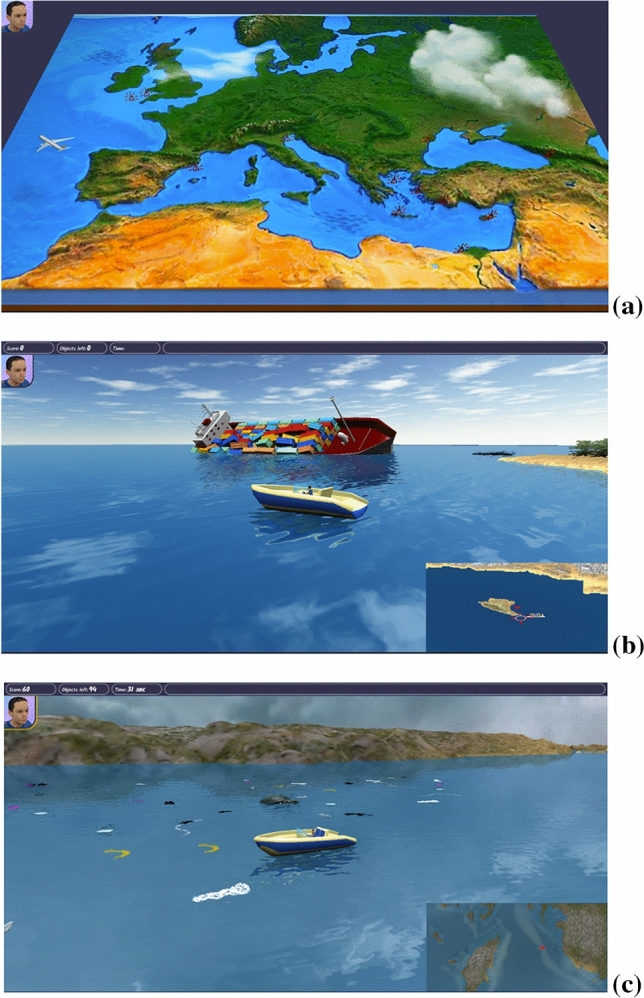
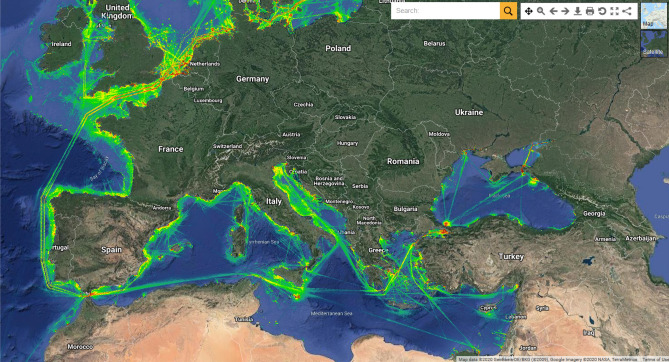
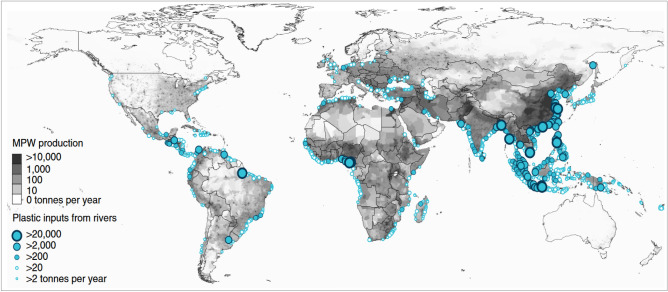
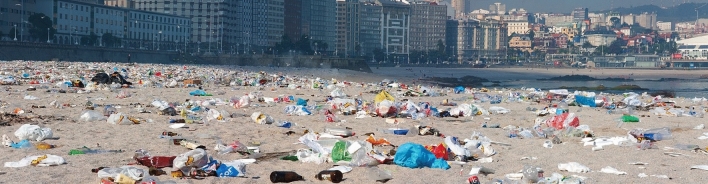
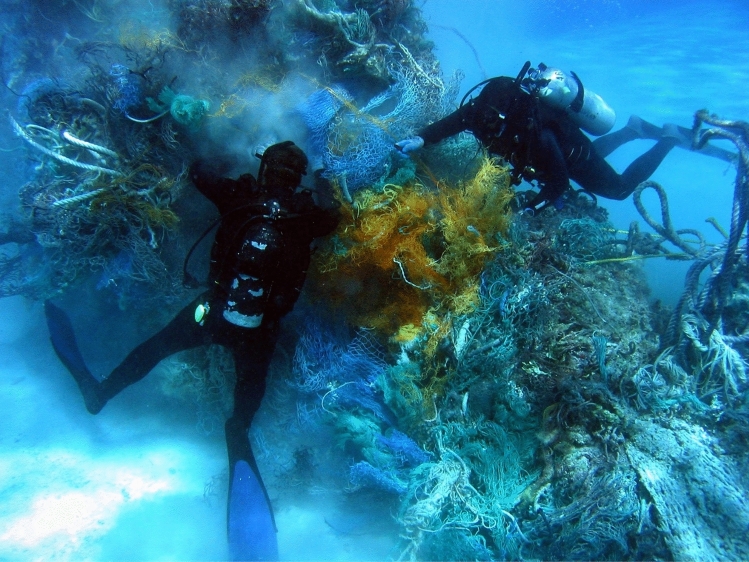
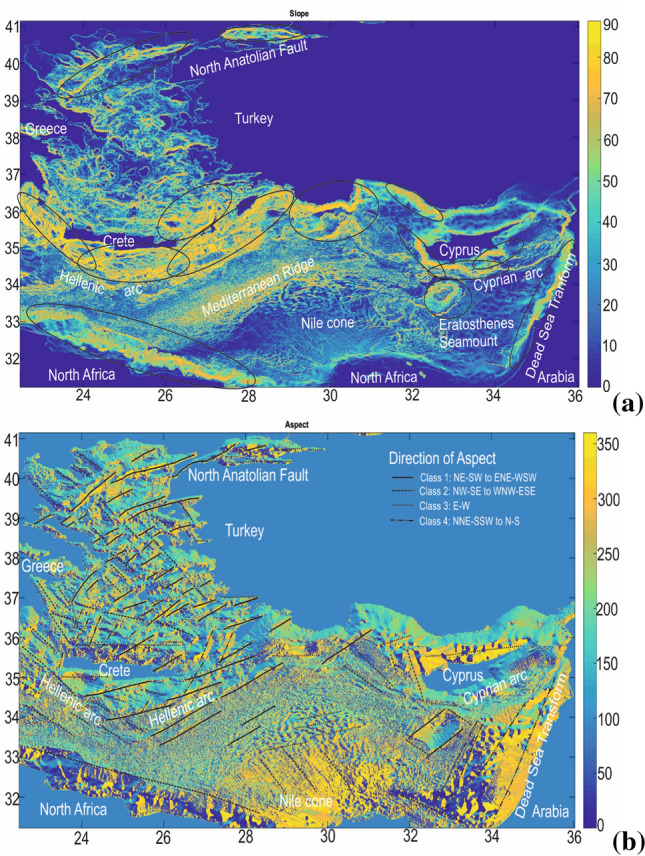
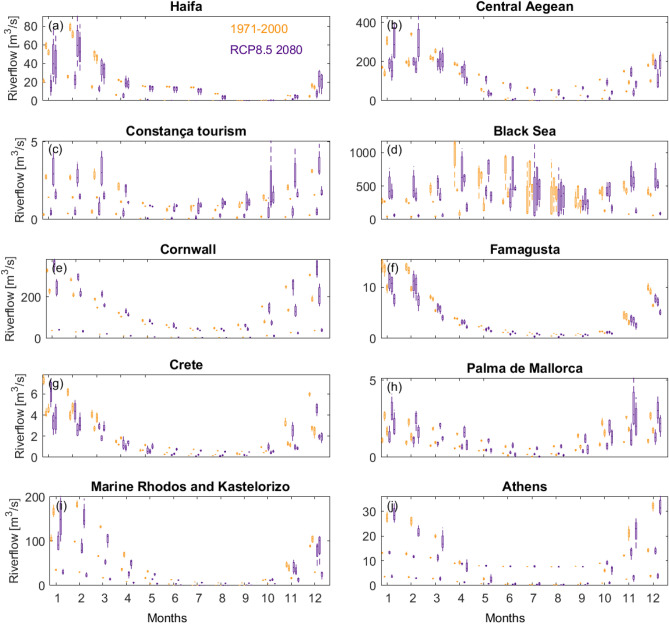
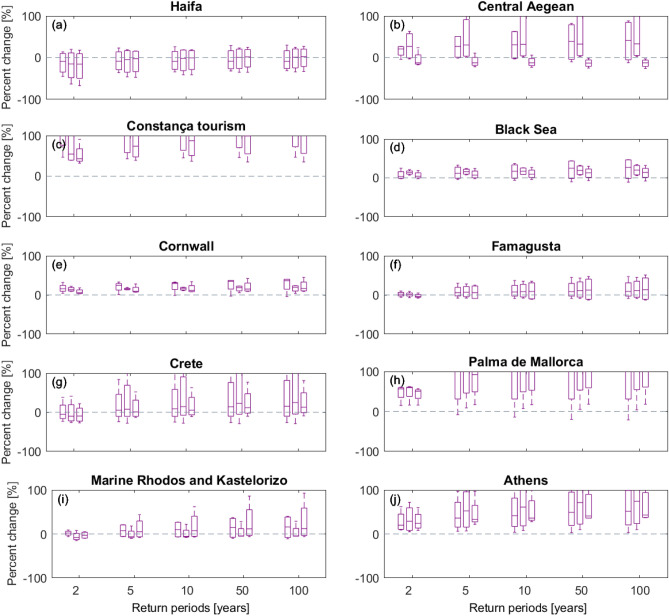
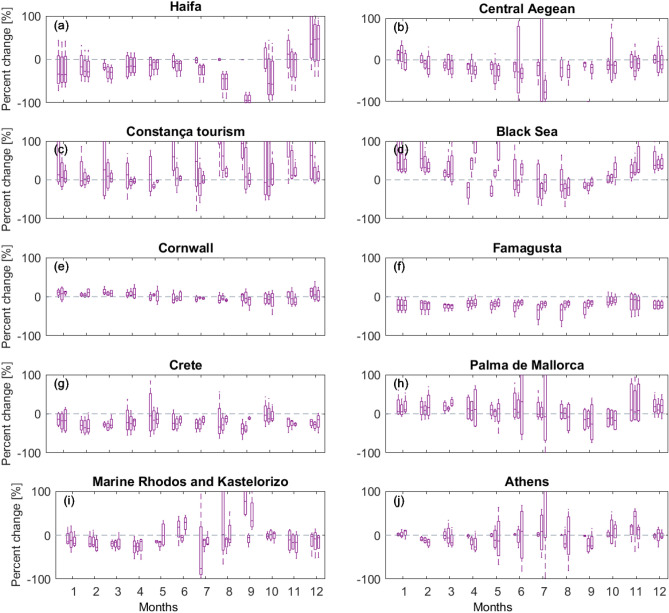
Marine pollution impacts coastal nations around the world, and more so: (a) in confined maritime areas with significant marine traffic, (b) where exploitation of natural and mineral resources is taking place, or (c) in regions witnessing pressure from tourism, local population growth, and industry. In this work, Digital Elevation Models, hydrographic, and climatic data are used together with computer simulations to understand the control of climate change on marine pollution. The results show that different climate change signals can potentially alter the flow and concentration of pollution in the European Seas, when compared to the present day. Ultimately, this work identifies the main sources of marine pollution as: (1) rivers and streams near cities and industrialised areas, (2) coastal areas experiencing sudden demographic pressures, (3) offshore shipping lanes in which oil and other marine debris are released, and (4) areas of rugged seafloor where industrial fishing takes place. This paper finishes by describing new educational material prepared to teach school children around the world. It explains why how a new training curriculum and e-game developed by Sea4All can be crucial in future Environmental Education and Education for a Sustainable Development.
海洋污染影响着全世界的沿海国家,尤其是在以下地区:(a) 海上交通繁忙的封闭海域,(b) 正在开发自然资源和矿产资源的地区,或 (c) 面临旅游、当地人口增长和工业压力的地区。在这项工作中,数字高程模型、水文和气候数据与计算机模拟一起使用,以了解气候变化对海洋污染的控制。研究结果表明,与当今相比,不同的气候变化信号可能会改变欧洲海域的污染流动和浓度。最终,这项工作确定了海洋污染的主要来源是:(1) 城市和工业区附近的河流和溪流,(2) 突然面临人口压力的沿海地区,(3) 石油和其他海洋碎片释放的近海航运航道,以及 (4) 工业捕鱼活动频繁的崎岖海底地区。本文最后描述了为全世界的学童编写的新教育材料。它解释了为什么 Sea4All 开发的新培训课程和电子游戏在未来的环境教育和可持续发展教育中至关重要。