Kohri Michinari
Department of Applied Chemistry and Biotechnology, Graduate School of Engineering, Chiba University, Chiba, Japan.
Sci Technol Adv Mater. 2021 Jan 22;21(1):833-848. doi: 10.1080/14686996.2020.1852057.
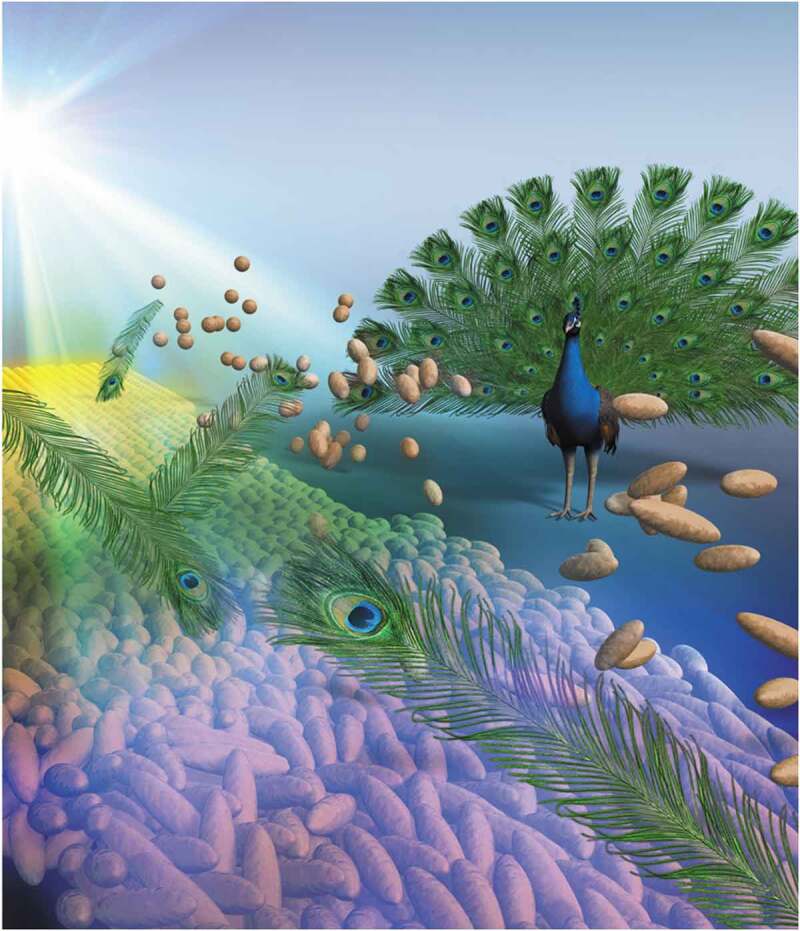
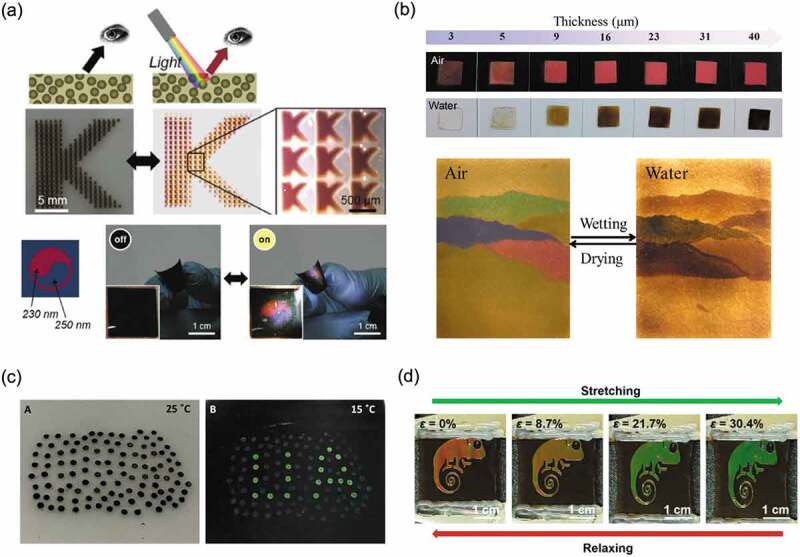
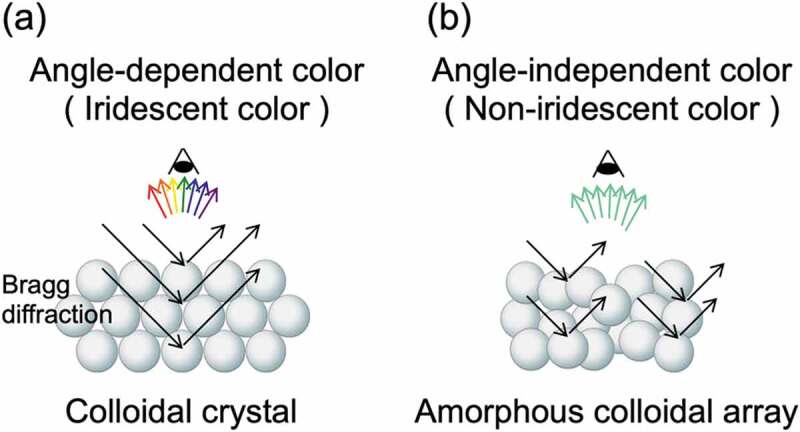
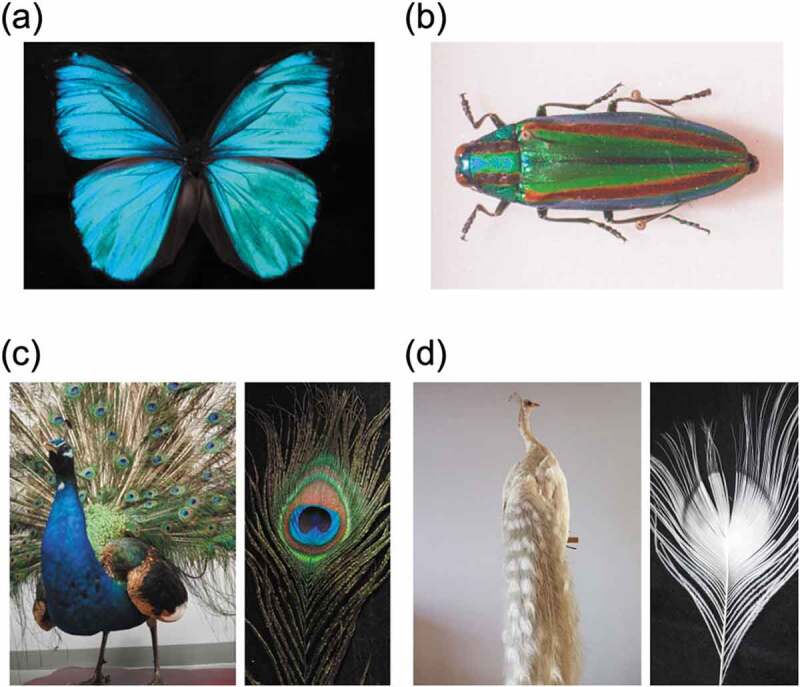
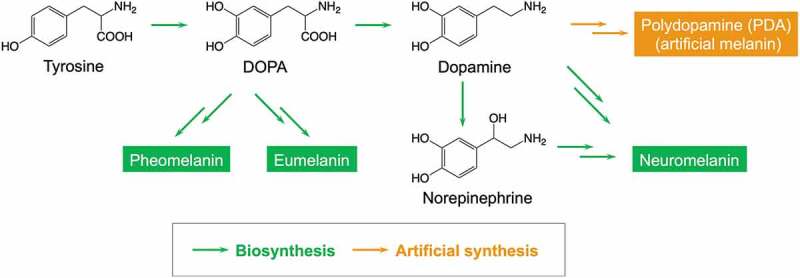
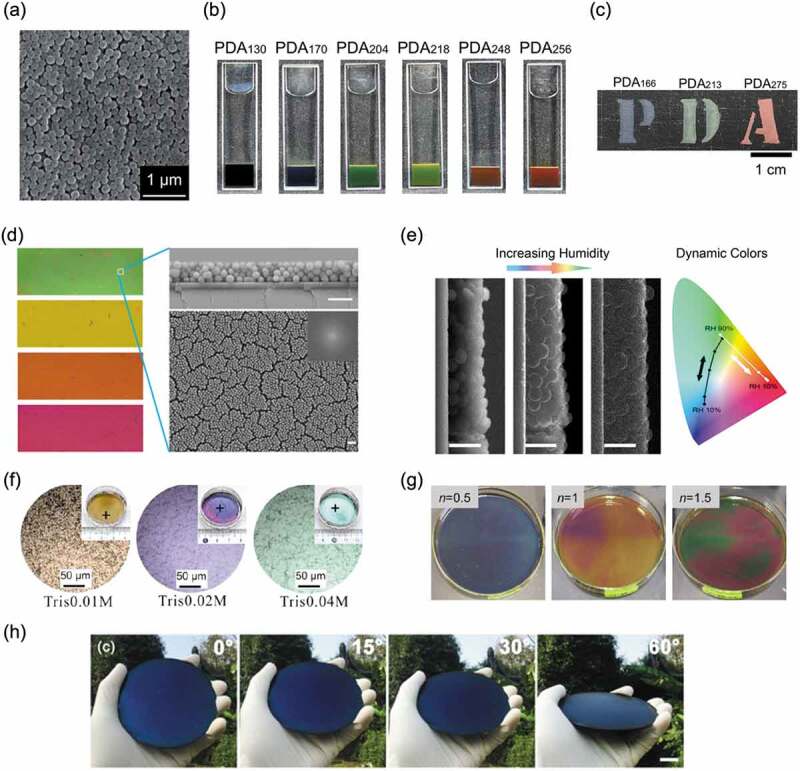
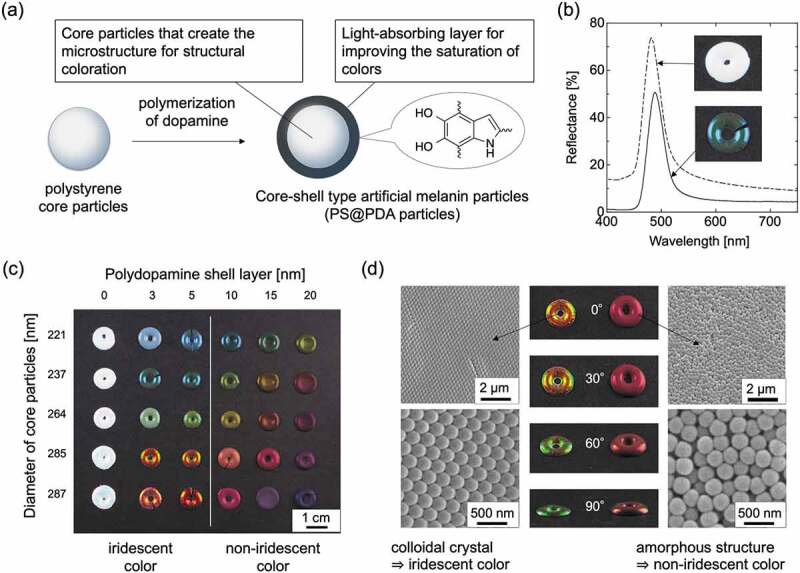
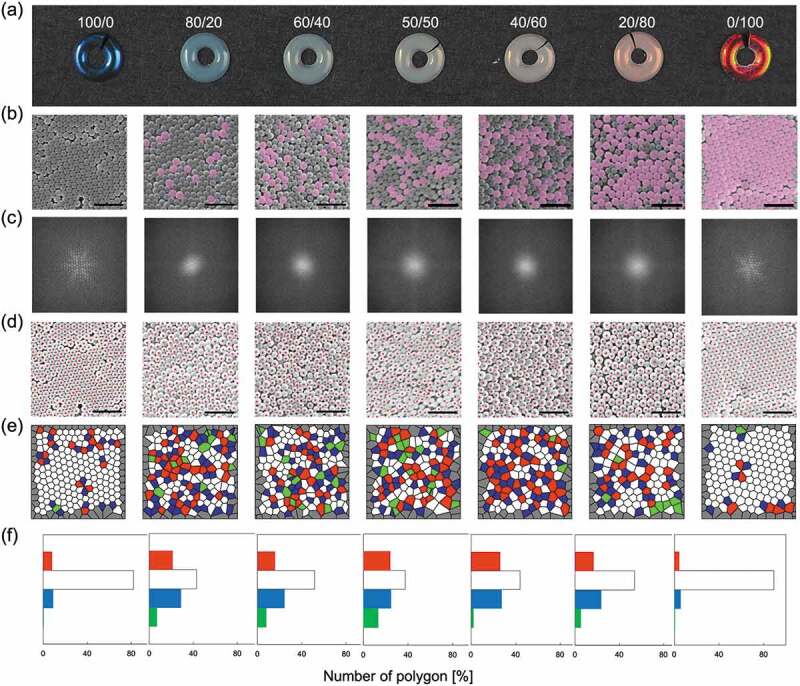
Structural color is a color derived from optical interaction between light and a microstructure and is often seen in nature. Natural melanin plays an important role in bright structural coloration. For example, the vivid colors of peacock feathers are due to structural colors. The periodic arrangement of melanin granules inside the feathers leads to light interference, and the black granules absorb scattered light well, resulting in bright structural color. In recent years, polydopamine (PDA) has attracted attention as a melanin mimetic material. This review article summarizes recent research on structural coloration using PDA-based artificial melanin materials. It also outlines possible applications using bright structural colors realized by artificial melanin materials and future perspectives.
结构色是一种由光与微观结构之间的光学相互作用产生的颜色,在自然界中很常见。天然黑色素在明亮的结构着色中起着重要作用。例如,孔雀羽毛的鲜艳颜色就归因于结构色。羽毛内部黑色素颗粒的周期性排列导致光干涉,而黑色颗粒能很好地吸收散射光,从而产生明亮的结构色。近年来,聚多巴胺(PDA)作为一种黑色素模拟材料受到关注。这篇综述文章总结了近期使用基于PDA的人工黑色素材料进行结构着色的研究。它还概述了利用人工黑色素材料实现的明亮结构色的可能应用以及未来展望。