Liu Ning, Yan Limei, Shan Fengping, Wang Xiaonai, Qu Na, Handley Mike K, Ma Mingxing
Department of Obstetrics and Gynecology, Shengjing Hospital of China Medical University, No. 36 Sanhao Street, Heping District, Shenyang 110004, Liaoning, China.
Department of Immunology, College of Basic Medical Science, China Medical University, No. 77 Puhe Road, Shenyang North New Area, Shenyang 110122, Liaoning, China.
Transl Oncol. 2021 Apr;14(4):101028. doi: 10.1016/j.tranon.2021.101028. Epub 2021 Feb 1.
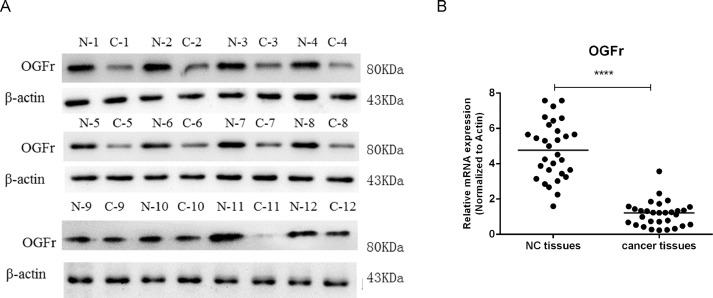
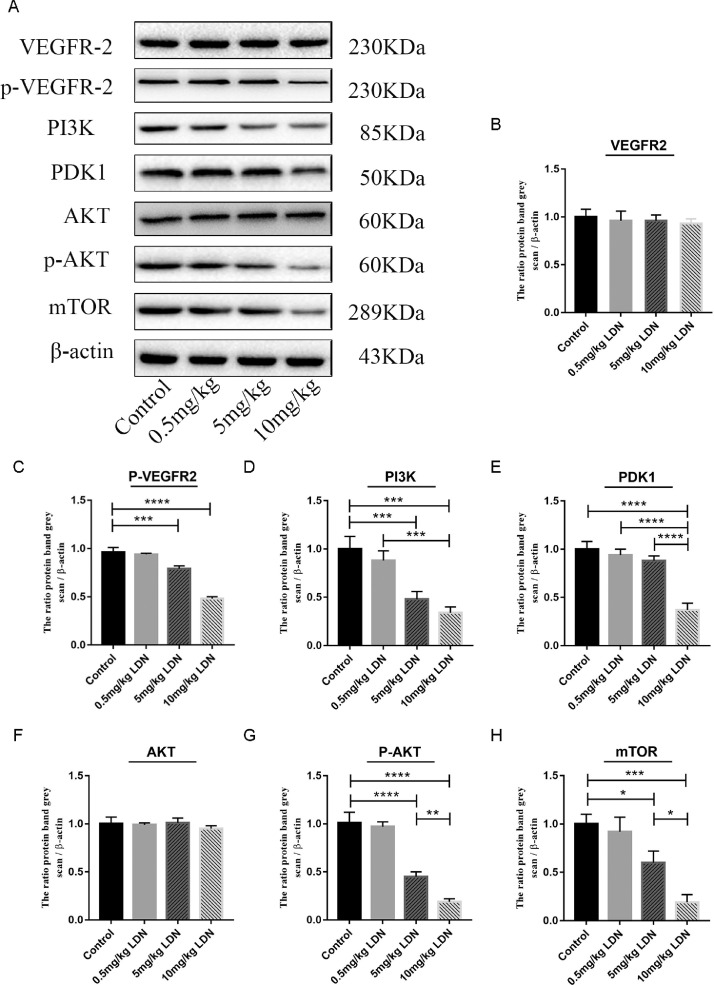
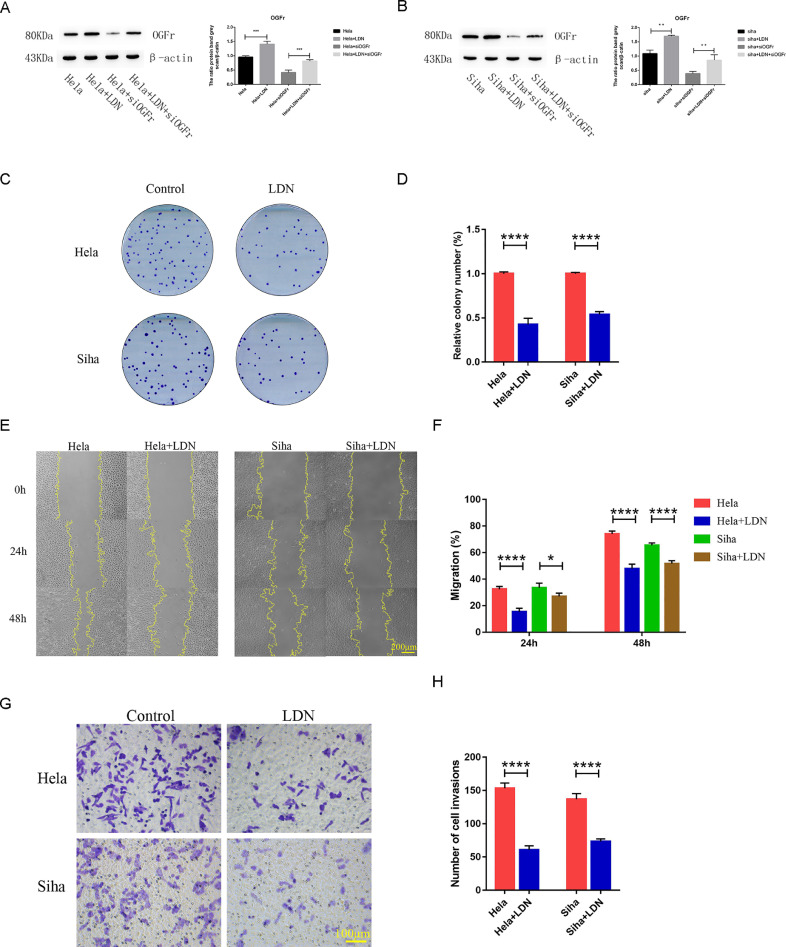
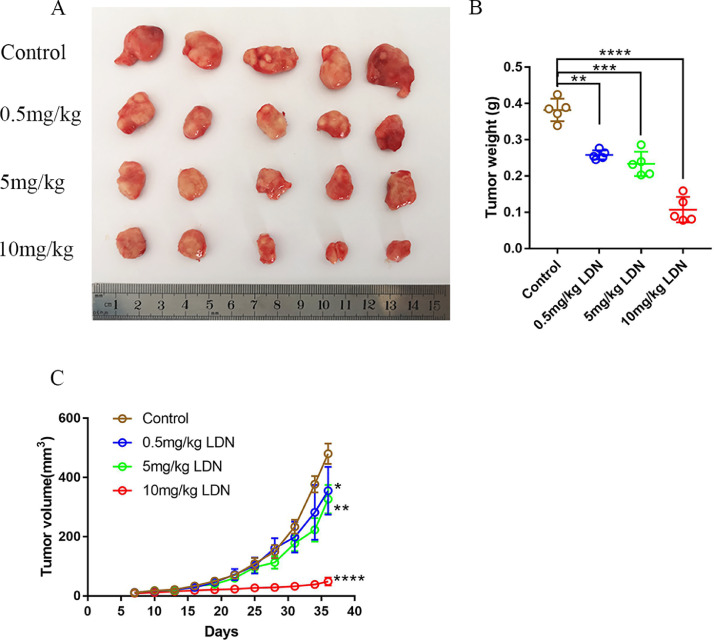
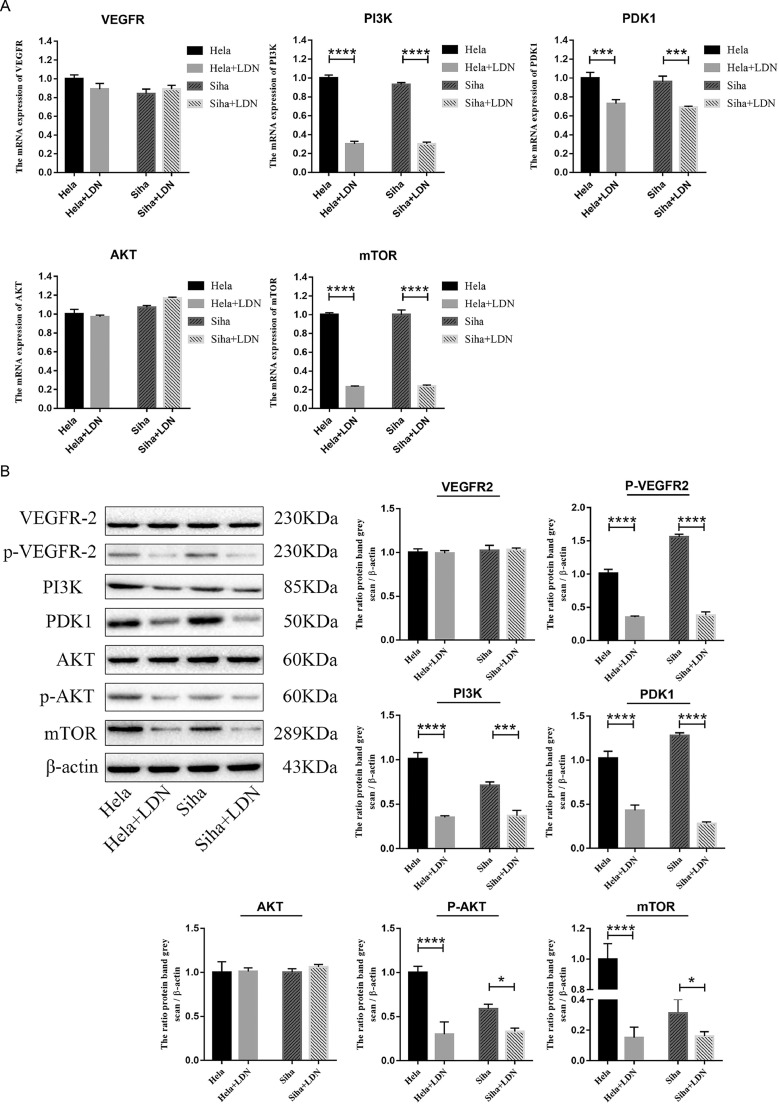
The incidence of cervical cancer is increasing annually worldwide. Low-dose naltrexone (LDN) has been reported to delay tumor progression, but the mechanism remains unclear. Here, we found that low-dose naltrexone could upregulate the expression of OGFr. Additionally, LDN could suppress the abilities of colony formation, migration and invasion in cervical cancer cells. LDN could also inhibit cervical cancer progression in mice model. Moreover, LDN indirectly reduced the expressions of PI3K, pAKT and mTOR in vitro and in vivo. Therefore, LDN may be considered a potential treatment option for cervical cancer.
全球范围内,宫颈癌的发病率逐年上升。据报道,低剂量纳曲酮(LDN)可延缓肿瘤进展,但其机制尚不清楚。在此,我们发现低剂量纳曲酮可上调OGFr的表达。此外,LDN可抑制宫颈癌细胞的集落形成、迁移和侵袭能力。LDN还可抑制小鼠模型中的宫颈癌进展。此外,LDN在体外和体内间接降低了PI3K、pAKT和mTOR的表达。因此,LDN可能被认为是宫颈癌的一种潜在治疗选择。