Programa de Pós-Graduação em Biologia Vegetal, Departamento de Biologia Vegetal, Universidade Estadual de Campinas, Campinas, São Paulo, Brazil.
Department of Botany and Biodiversity Research, University of Vienna, Vienna, Austria.
Plant Biol (Stuttg). 2021 Jul;23(4):556-563. doi: 10.1111/plb.13244. Epub 2021 Mar 14.
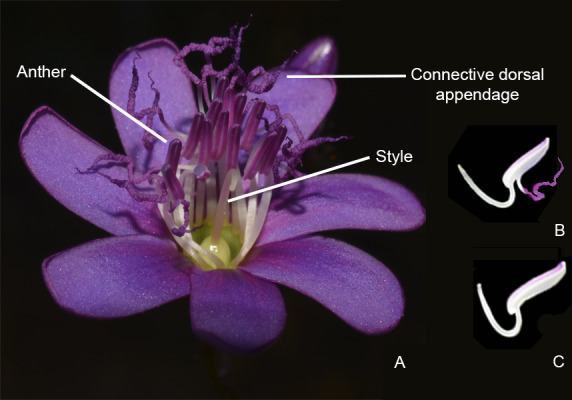
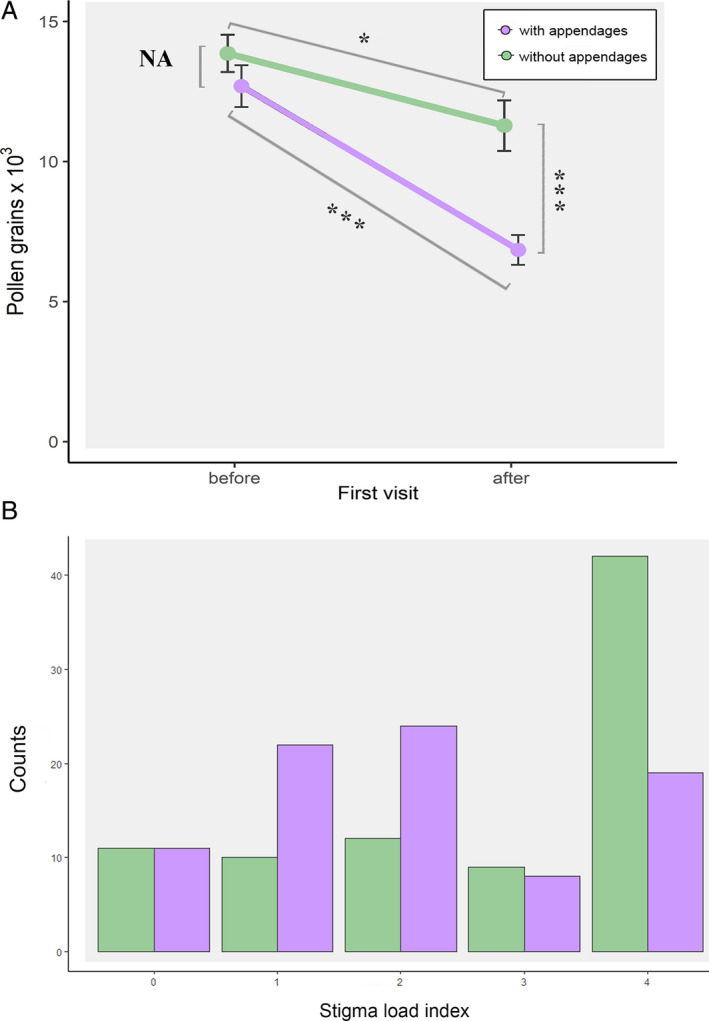
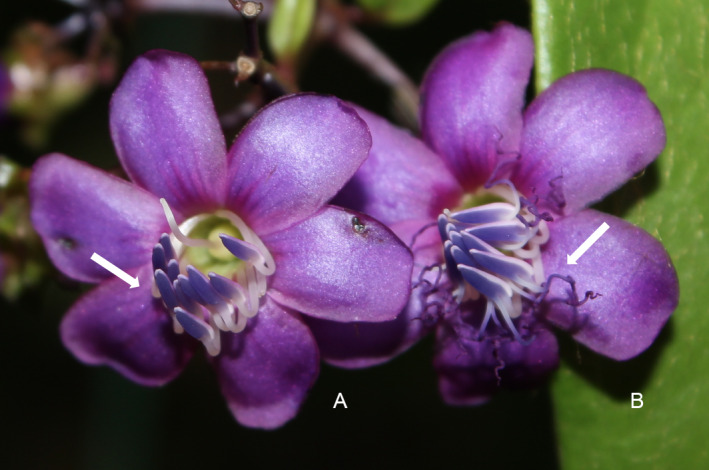
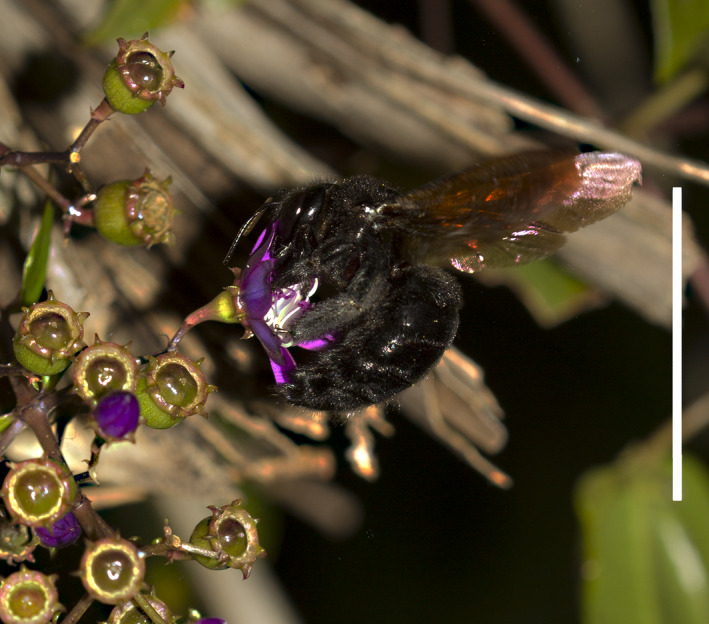
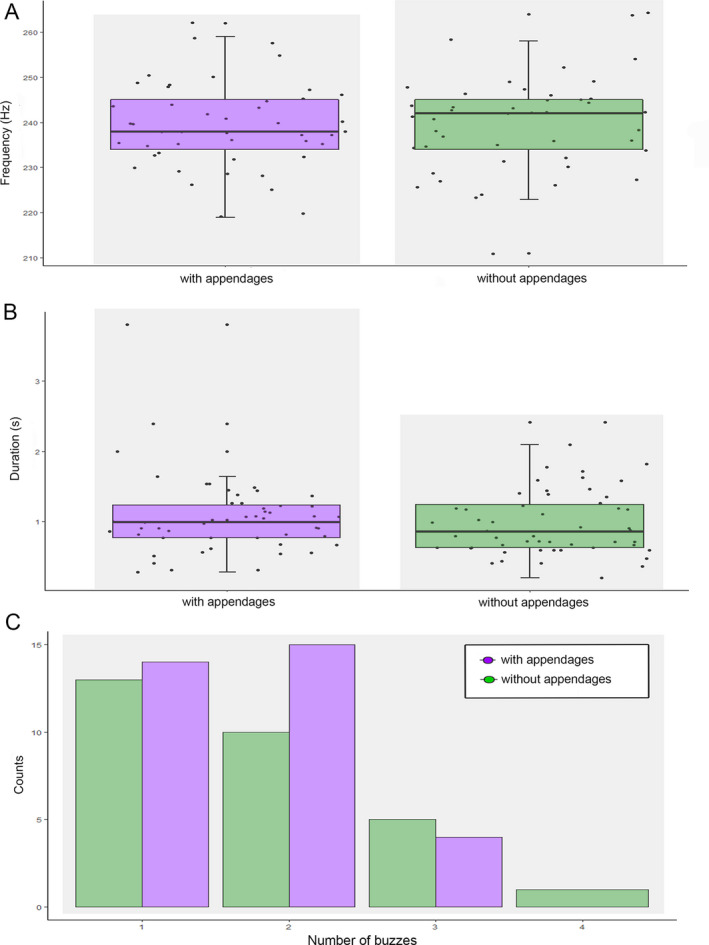
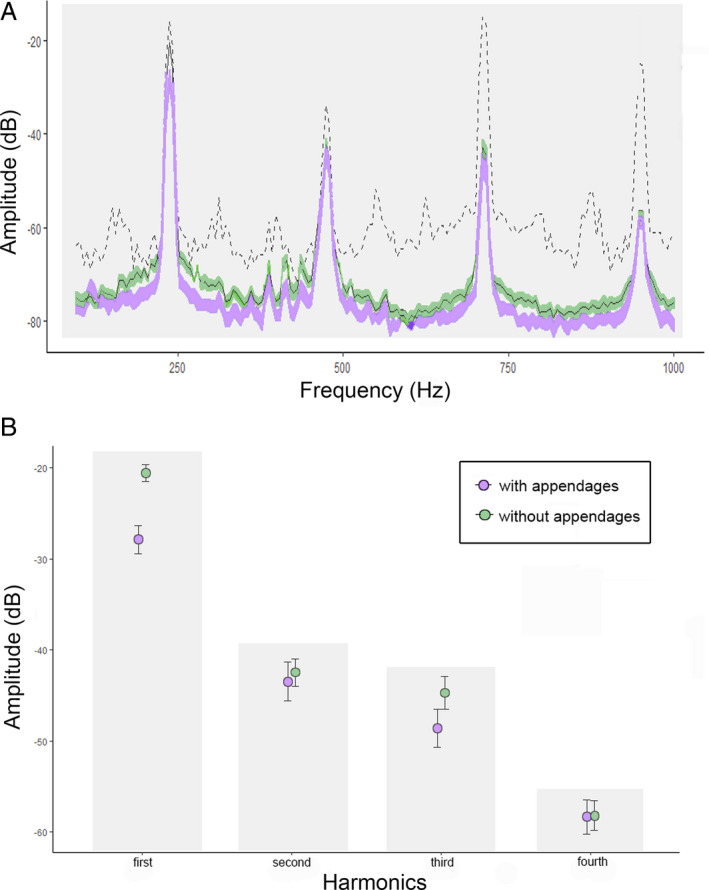
Floral structures, such as stamen appendages, play crucial roles in pollinator attraction, pollen release dynamics and, ultimately, the reproductive success of plants. The pollen-rewarding, bee buzz-pollinated flowers of Melastomataceae often bear conspicuous staminal appendages. Surprisingly, their functional role in the pollination process remains largely unclear. We use Huberia bradeana Bochorny & R. Goldenb. (Melastomataceae) with conspicuously elongated, twisted stamen appendages to investigate their functional role in the pollination process. We studied the effect of stamen appendages on pollinator behaviour and reproductive success by comparing manipulated flowers (appendages removed) with unmanipulated flowers. To assess bee pollinator behaviour, we measured three properties of buzzes (vibrations) produced by bees on Huberia flowers: frequency, duration and number of buzzes per flower visit. We measured male and female reproductive success by monitoring pollen release and deposition after single bee visits. Finally, we used artificial vibrations and laser vibrometry to assess how flower vibrational properties change with the removal of stamen appendages. Our results show that the absence of staminal appendages does not modify bee buzzing behaviour. Pollen release was higher in unmanipulated flowers, but stigmatic pollen loads differ only marginally between the two treatments. We also detected lower vibration amplitudes in intact flowers as compared to manipulated flowers in artificial vibration experiments. The presence of connective appendages are crucial in transmitting vibrations and assuring optimal pollen release. Therefore, we propose that the high diversity of colours, shapes and sizes of connective appendages in buzz-pollinated flowers may have evolved by selection through male fitness.
花部结构,如雄蕊附属物,在传粉者吸引、花粉释放动态以及植物的生殖成功中起着至关重要的作用。具有奖赏花粉、由蜜蜂嗡嗡授粉的Melastomataceae 科的花通常具有显著的雄蕊附属物。令人惊讶的是,它们在授粉过程中的功能作用在很大程度上仍不清楚。我们使用具有显著伸长、扭曲的雄蕊附属物的 Huberia bradeana Bochorny & R. Goldenb.(Melastomataceae)来研究它们在授粉过程中的功能作用。我们通过比较处理过的花(去除附属物)和未处理的花,研究了雄蕊附属物对传粉者行为和生殖成功的影响。为了评估蜜蜂传粉者的行为,我们测量了蜜蜂在 Huberia 花上产生的嗡嗡声(振动)的三个特性:频率、持续时间和每朵花访问的嗡嗡声次数。我们通过监测单只蜜蜂访问后的花粉释放和沉积来衡量雄性和雌性生殖成功。最后,我们使用人工振动和激光测振仪来评估去除雄蕊附属物后花的振动特性如何变化。我们的结果表明,去除雄蕊附属物不会改变蜜蜂的嗡嗡行为。未处理的花中花粉释放量更高,但柱头花粉负荷在两种处理之间仅略有差异。我们还在人工振动实验中检测到完整花朵的振动幅度比处理过的花朵低。连接附属物的存在对于传递振动和确保最佳花粉释放至关重要。因此,我们提出,嗡嗡授粉花朵中连接附属物的高多样性的颜色、形状和大小可能是通过雄性适合度的选择进化而来的。