Atwood Keenan, Shackleford Taylor, Lemons Wesley, Eicher Jennifer L, Lindsey Brock A, Klein Adam E
Department of Orthopaedics, West Virginia University, Morgantown, WV, USA.
School of Medicine, West Virginia University, Morgantown, WV, USA.
Arthroplast Today. 2021 Jan 30;7:126-129. doi: 10.1016/j.artd.2020.12.021. eCollection 2021 Feb.
As America's third highest opioid prescribers, orthopedic surgeons have contributed to the opioid abuse crisis. This study evaluated opioid use after primary total joint replacement. We hypothesized that patients who underwent total hip arthroplasty (THA) use fewer opioids than patients who underwent total knee arthroplasty (TKA) and that both groups use fewer opioids than prescribed.
A prospective study of 110 patients undergoing primary THA or TKA by surgeons at an academic center during 2018 was performed. All were prescribed oxycodone 5 mg, 84 tablets, without refills. Demographics, medical history, and operative details were collected. Pain medication consumption and patient-reported outcomes were collected at 2 and 6 weeks postoperatively. Analysis of variance was performed on patient and surgical variables.
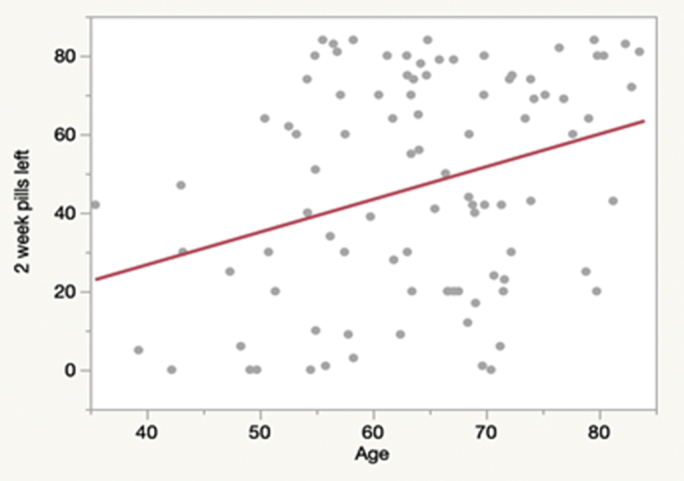
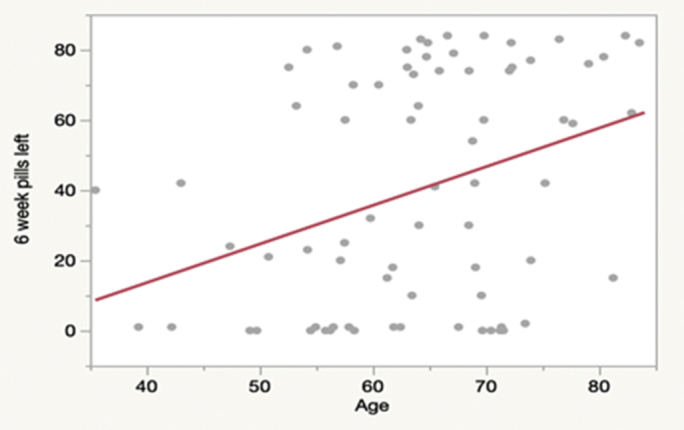
Sixty-one patients scheduled for THA and 49 for TKA were included. THA patients consumed significantly fewer opioids than TKA patients at 2 weeks (28.1 tablets vs 48.4, = .0003) and 6 weeks (33.1 vs 59.3, = .0004). Linear regression showed opioid use decreased with age at both time points ( = .0002). A preoperative mental health disorder was associated with higher usage at 2 weeks (58.3 vs 31.4, < .0001) and 6 weeks (64.7 vs 39.2, = .006). Higher consumption at 2 weeks was correlated with worse outcome scores at all time points.
TKA patients required more pain medication than THA patients, and both groups received more opioids than necessary. In addition, younger patients and those with a preexisting mental health disorder required more pain medication. These data provide guidance on prescribing pain medication to help limit excess opioid distribution.
作为美国第三大阿片类药物处方医生群体,骨科医生加剧了阿片类药物滥用危机。本研究评估了初次全关节置换术后的阿片类药物使用情况。我们假设,接受全髋关节置换术(THA)的患者比接受全膝关节置换术(TKA)的患者使用的阿片类药物更少,且两组患者使用的阿片类药物均少于处方量。
对2018年在某学术中心由外科医生进行初次THA或TKA手术的110例患者进行了一项前瞻性研究。所有患者均被开具5毫克羟考酮,共84片,且无续方。收集了人口统计学、病史和手术细节。术后2周和6周收集了止痛药物的消耗量以及患者报告的结果。对患者和手术变量进行了方差分析。
纳入了61例计划进行THA手术的患者和49例计划进行TKA手术的患者。THA组患者在术后2周(28.1片 vs 48.4片,P = 0.0003)和6周(33.1片 vs 59.3片,P = 0.0004)时消耗的阿片类药物明显少于TKA组患者。线性回归显示,两个时间点的阿片类药物使用量均随年龄增长而减少(P = 0.0002)。术前存在心理健康障碍与术后2周(58.3片 vs 31.4片,P < 0.0001)和6周(64.7片 vs 39.2片,P = 0.006)时较高的药物使用量相关。术后2周较高的药物消耗量与所有时间点较差的结果评分相关。
TKA组患者比THA组患者需要更多的止痛药物,且两组患者接受的阿片类药物均超过必要量。此外,年轻患者和术前存在心理健康障碍的患者需要更多的止痛药物。这些数据为开具止痛药物提供了指导,以帮助限制过量阿片类药物的分发。