Department of Trauma and Orthopaedics, Salford Royal NHS Foundation Trust, Salford, UK.
Faculty of Health, Social Care and Medicine, Edge Hill University, Ormskirk, UK.
Orthop Surg. 2021 Apr;13(2):384-394. doi: 10.1111/os.12875. Epub 2021 Feb 7.
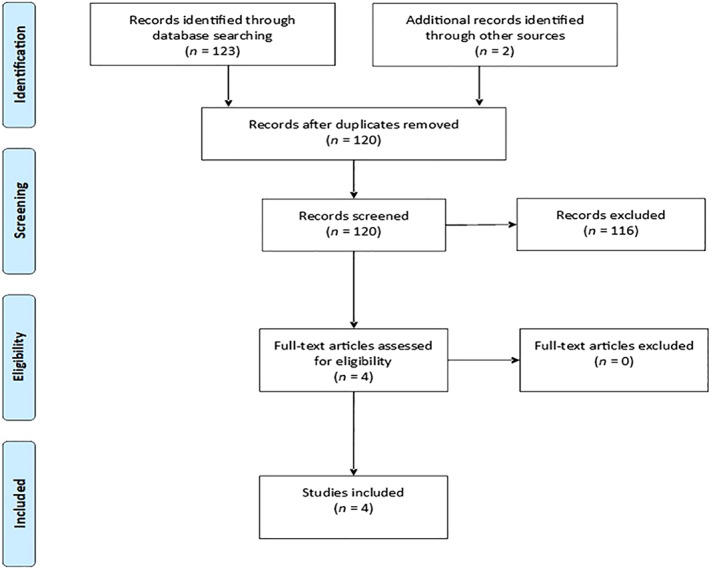
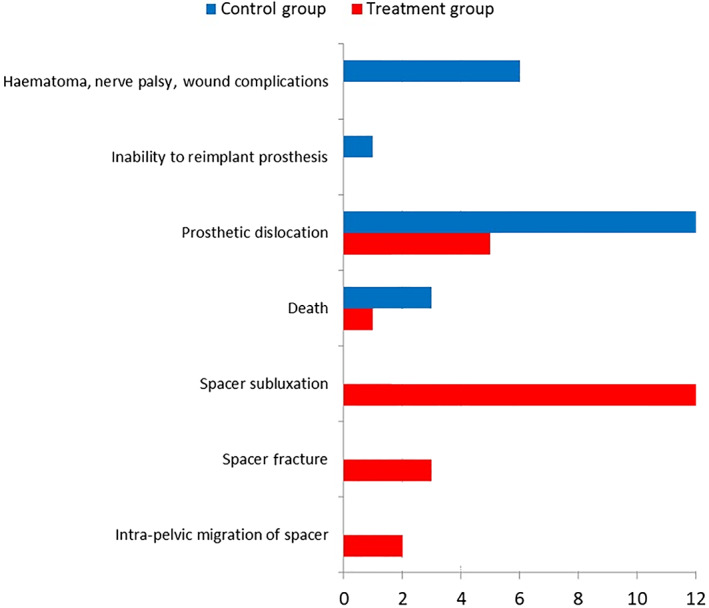
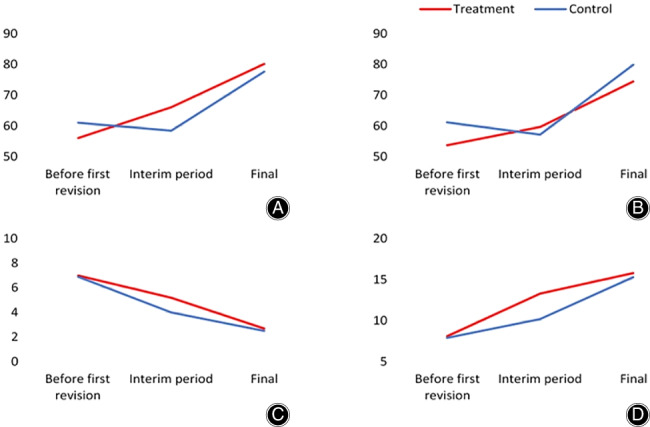
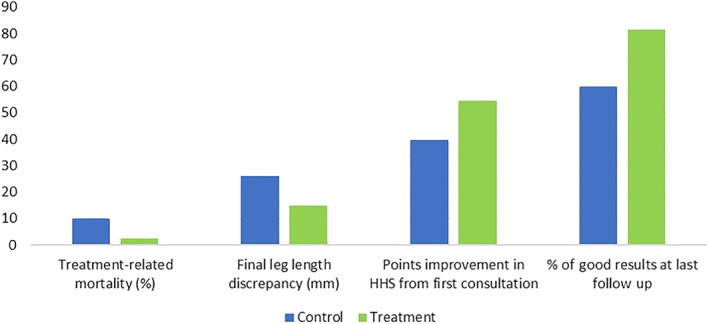
The aim of the present paper was to identify, appraise, and synthesize the available evidence on two-stage revision hip arthroplasty with or without the use of an interim spacer for managing late prosthetic infection. The review methodology was designed by referencing the Preferred Reporting Items for Systematic Reviews and Meta-analyses (PRISMA) checklist and flow diagram, and a Population, Intervention, Comparator, Outcomes and Study (PICOS) design framework was used to search for studies to incorporate within the review. Two independent investigators were involved in searching for relevant articles that fulfilled the inclusion criteria for the study. Critical appraisal of the selected articles was carried out using the relevant Critical Appraisal Skills Programme checklists. From an initial pool of 125 articles, four studies satisfied the inclusion criteria and quality assessment and were included for final review. Two patient groups were identified from within the selected studies: spacer and non-spacer. Both groups were assessed in terms of functional outcome, infection cure rates, and technical difficulties encountered during treatment. Better functional outcome was reported in the spacer group, both in the interim period between the two stages and after completion of treatment. The use of spacers reduced operative difficulty during the second stage and accelerated patient discharge. Reinfection and infection persistence rates were higher in the non-spacer group. Within the spacer group, articulated spacers performed better in all parameters. The results of this review reinforce the available evidence supporting the use of interim hip spacers in revision hip arthroplasty for managing prosthetic infection and also indicate that articulated hip spacers could be an attractive option going forward.
本文旨在识别、评价和综合现有证据,评估在处理晚期假体感染时,采用或不采用临时间隔器的两阶段翻修髋关节置换术的效果。本综述的方法学设计参考了系统评价和荟萃分析的首选报告项目(PRISMA)清单和流程图,并使用了人群、干预、比较、结局和研究(PICOS)设计框架来搜索符合纳入标准的研究。两名独立的调查员参与了搜索符合研究纳入标准的相关文章。使用相关的关键评估技能计划清单对选定文章进行了关键评估。从最初的 125 篇文章中,有 4 篇研究符合纳入标准和质量评估,并被纳入最终综述。从选定的研究中确定了两组患者:间隔器组和非间隔器组。两组均从功能结果、感染治愈率和治疗过程中遇到的技术困难等方面进行了评估。在两个阶段之间的间隔期和治疗完成后,间隔器组的功能结果更好。间隔器的使用减少了第二阶段的手术难度并加速了患者出院。非间隔器组的再感染和感染持续率更高。在间隔器组中,关节式间隔器在所有参数上的表现都更好。本综述的结果进一步证实了现有证据支持在处理假体感染的翻修髋关节置换术中使用临时髋关节间隔器,并表明关节式髋关节间隔器可能是一个有吸引力的选择。