Laboratory of Systems Pharmacology and Department of Systems Biology, Harvard Medical School, Boston, United States.
Elife. 2021 Feb 8;10:e57116. doi: 10.7554/eLife.57116.
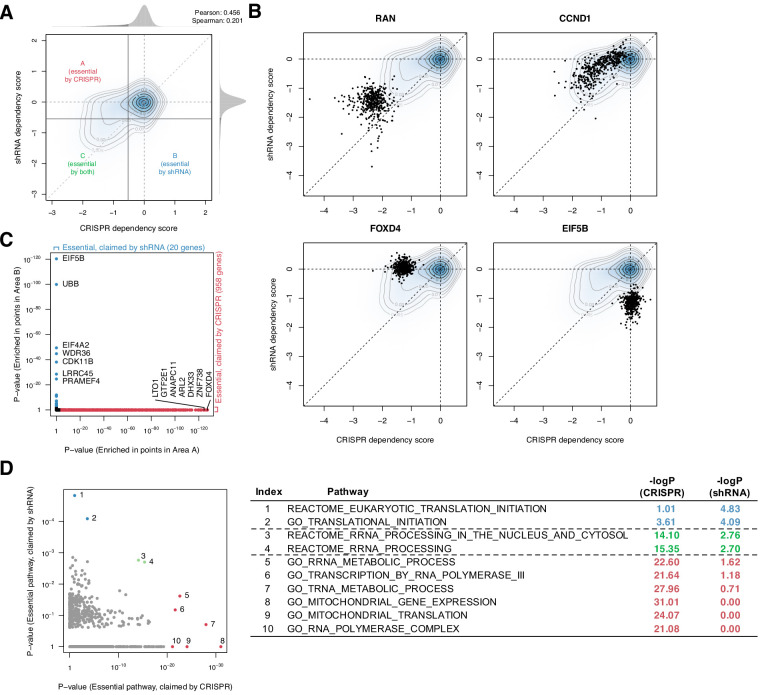
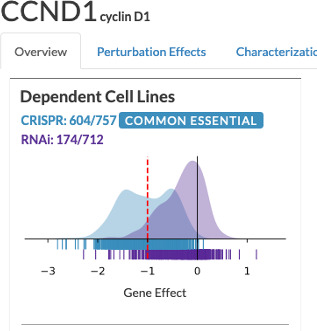
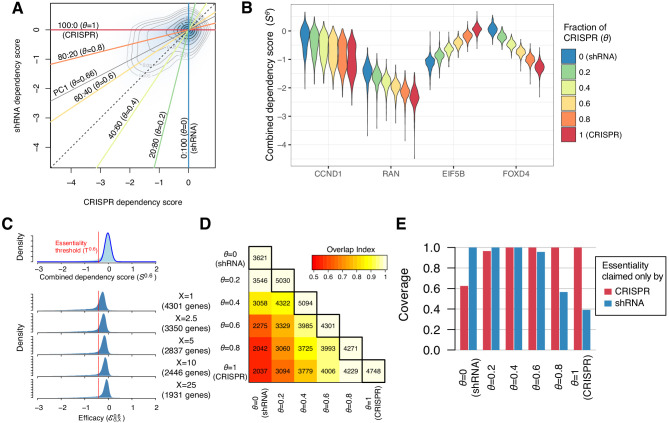
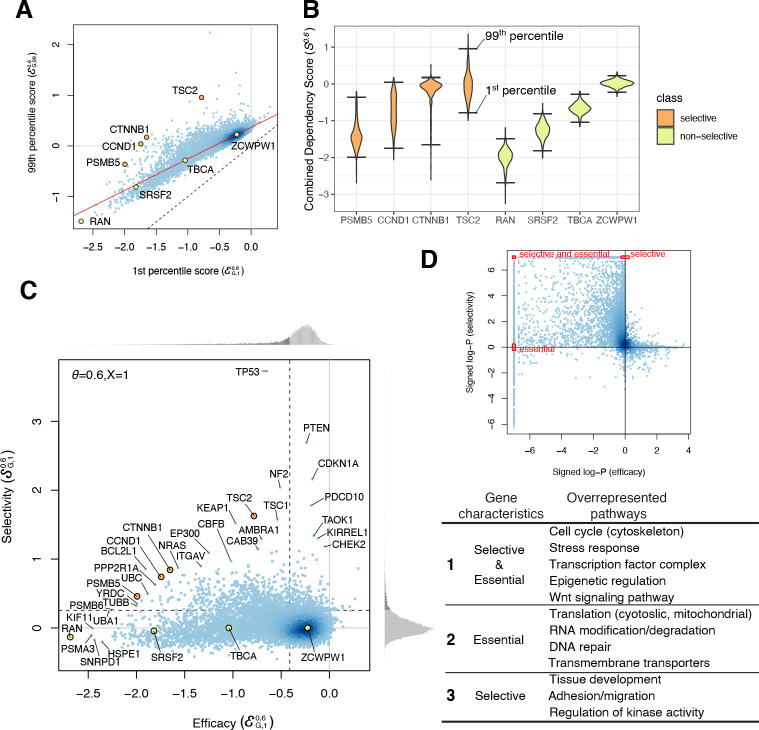
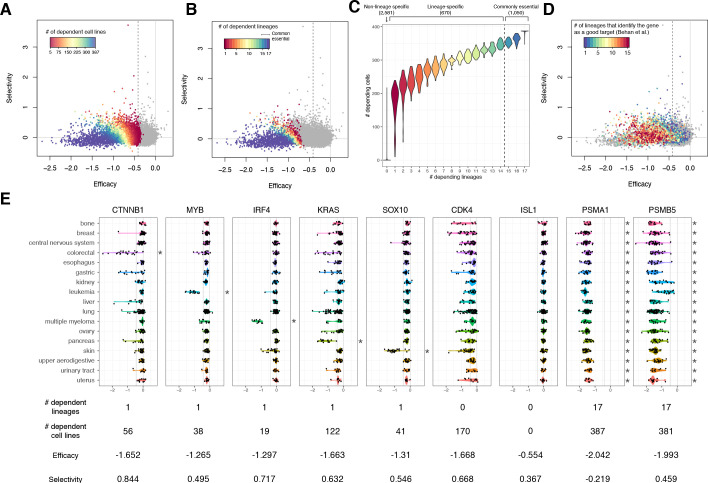
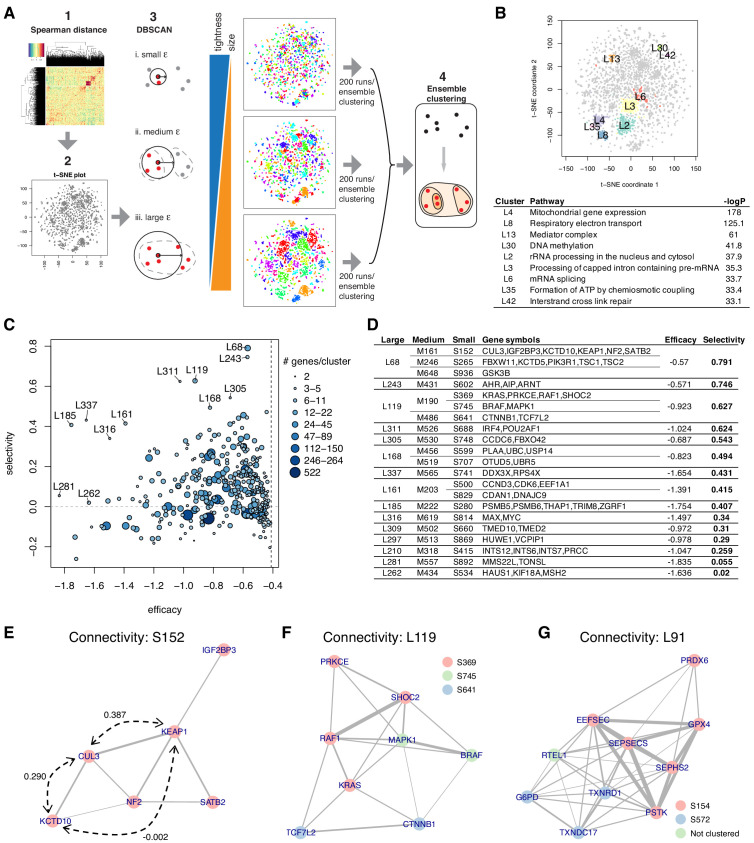
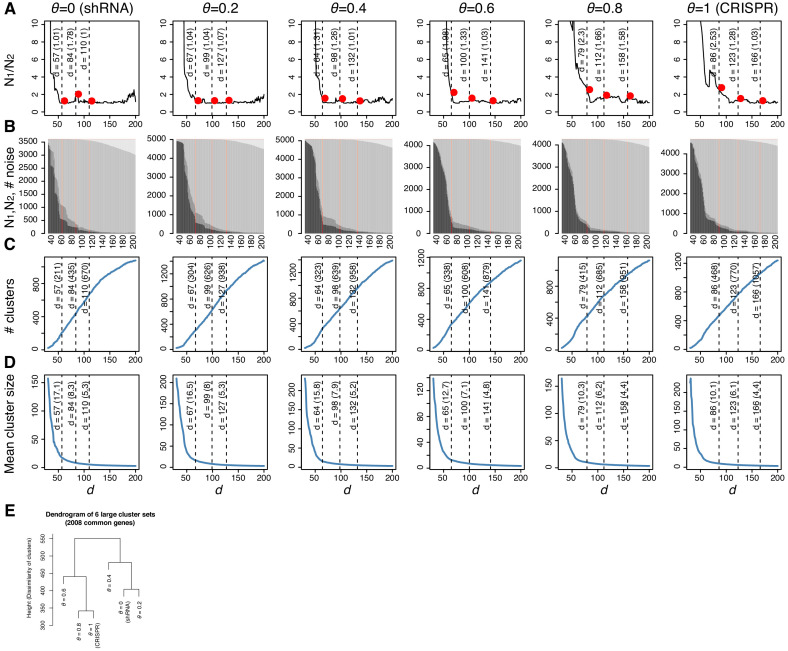
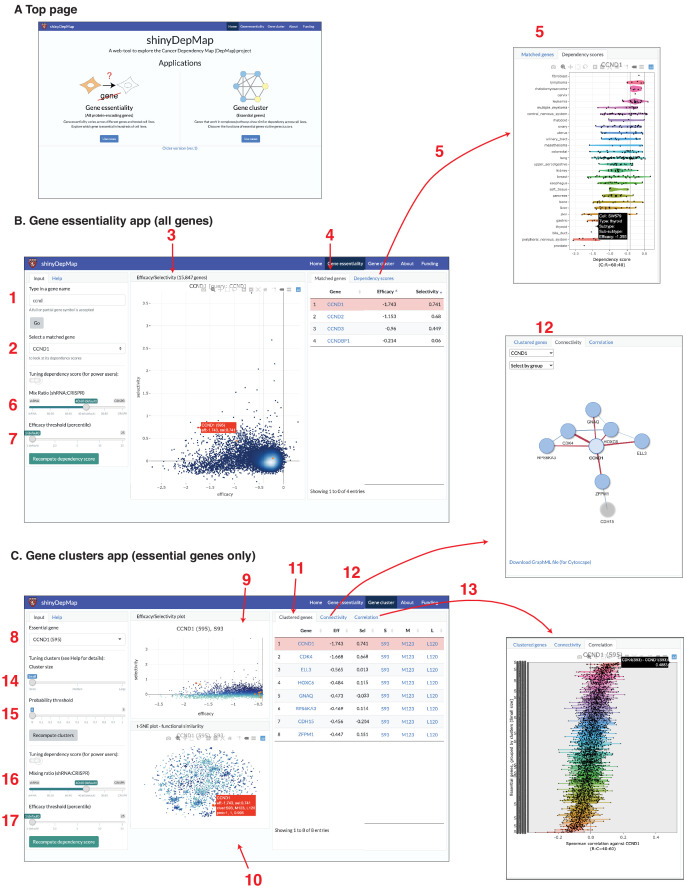
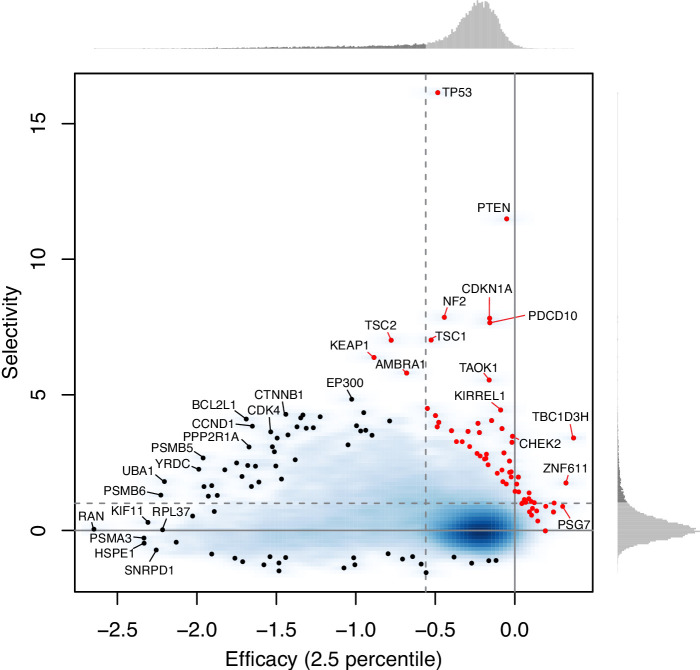
Individual cancers rely on distinct essential genes for their survival. The Cancer Dependency Map (DepMap) is an ongoing project to uncover these gene dependencies in hundreds of cancer cell lines. To make this drug discovery resource more accessible to the scientific community, we built an easy-to-use browser, shinyDepMap (https://labsyspharm.shinyapps.io/depmap). shinyDepMap combines CRISPR and shRNA data to determine, for each gene, the growth reduction caused by knockout/knockdown and the selectivity of this effect across cell lines. The tool also clusters genes with similar dependencies, revealing functional relationships. shinyDepMap can be used to (1) predict the efficacy and selectivity of drugs targeting particular genes; (2) identify maximally sensitive cell lines for testing a drug; (3) target hop, that is, navigate from an undruggable protein with the desired selectivity profile, such as an activated oncogene, to more druggable targets with a similar profile; and (4) identify novel pathways driving cancer cell growth and survival.
个体癌症依赖于独特的必需基因来维持生存。癌症基因依赖性图谱(DepMap)是一个正在进行的项目,旨在揭示数百种癌细胞系中的这些基因依赖性。为了使这个药物发现资源更容易被科学界获取,我们构建了一个易于使用的浏览器,shinyDepMap(https://labsyspharm.shinyapps.io/depmap)。shinyDepMap 将 CRISPR 和 shRNA 数据结合起来,确定每个基因的敲除/敲低导致的生长减少,以及这种效应在细胞系中的选择性。该工具还对具有相似依赖性的基因进行聚类,揭示功能关系。shinyDepMap 可用于:(1)预测针对特定基因的药物的疗效和选择性;(2)识别用于测试药物的最敏感细胞系;(3)靶向 hop,即从具有所需选择性特征的不可成药蛋白(例如激活的致癌基因)导航到具有相似特征的更可成药的靶标;以及(4)鉴定驱动癌细胞生长和存活的新途径。