Certara, Princeton, New Jersey, USA.
Monash Institute of Pharmaceutical Sciences, Monash University, Melbourne, Victoria, Australia.
Clin Pharmacol Ther. 2021 Apr;109(4):867-891. doi: 10.1002/cpt.2198. Epub 2021 Mar 9.
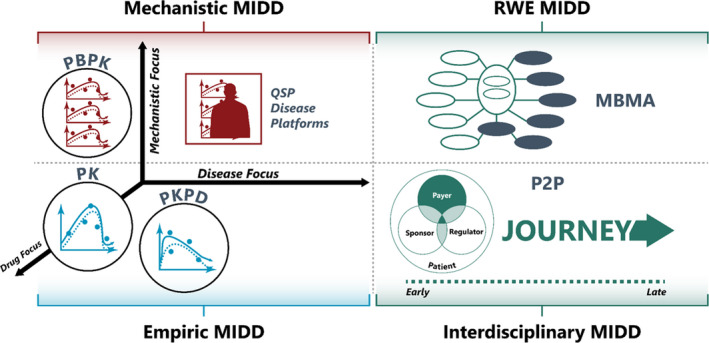
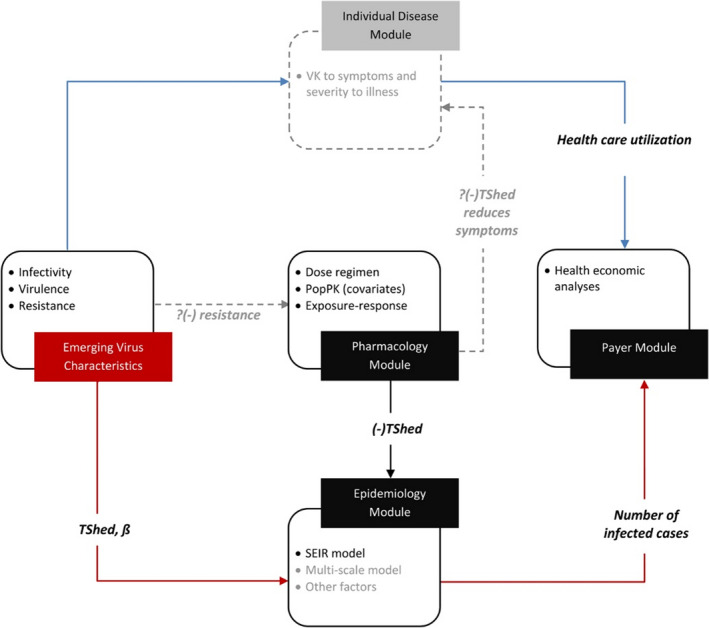
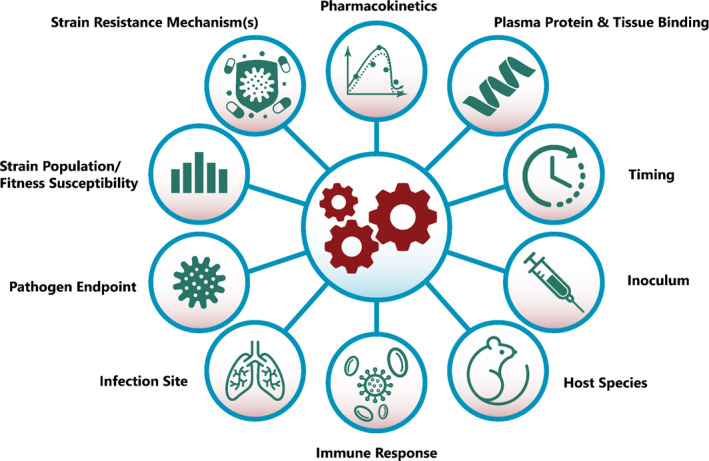
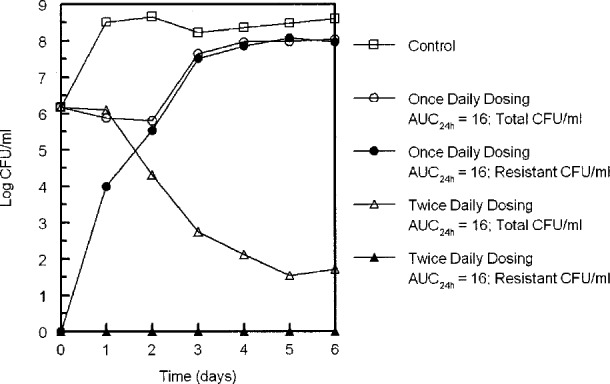
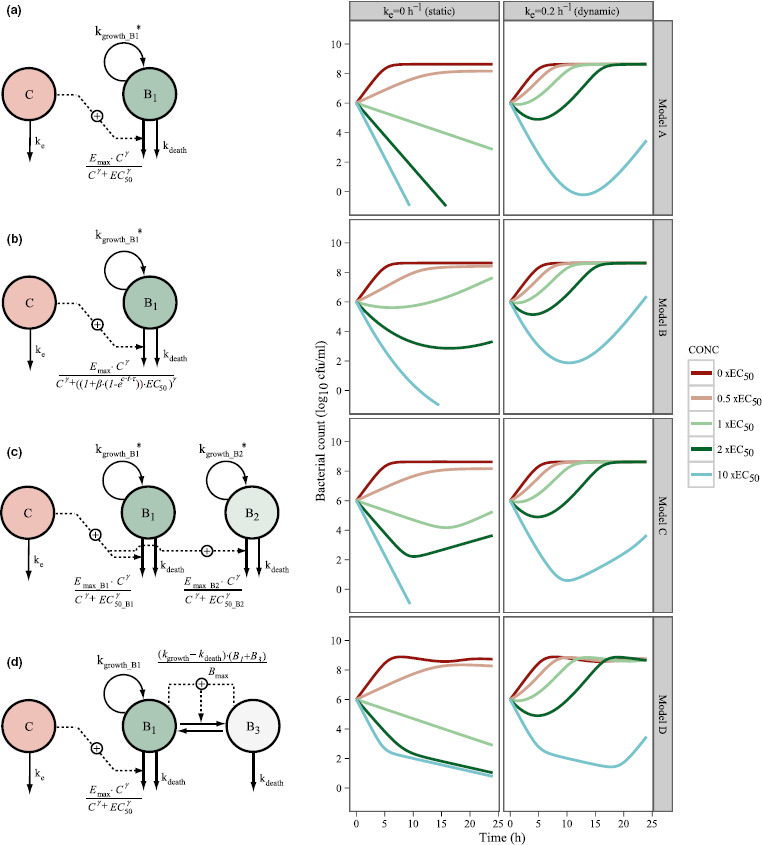
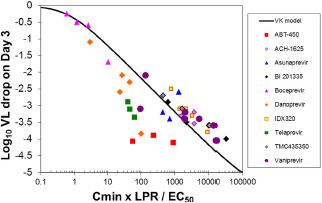
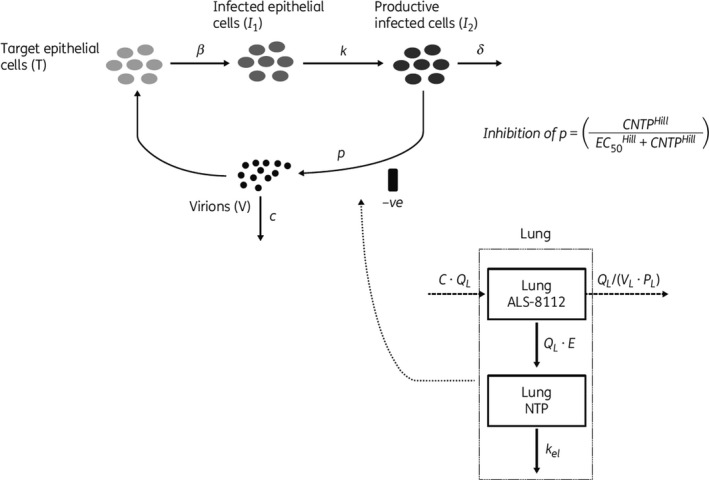
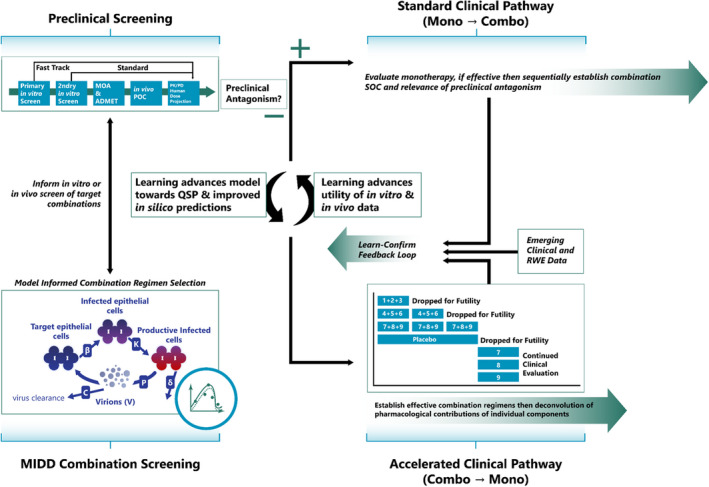
Model-informed drug development (MIDD) has a long and rich history in infectious diseases. This review describes foundational principles of translational anti-infective pharmacology, including choice of appropriate measures of exposure and pharmacodynamic (PD) measures, patient subpopulations, and drug-drug interactions. Examples are presented for state-of-the-art, empiric, mechanistic, interdisciplinary, and real-world evidence MIDD applications in the development of antibacterials (review of minimum inhibitory concentration-based models, mechanism-based pharmacokinetic/PD (PK/PD) models, PK/PD models of resistance, and immune response), antifungals, antivirals, drugs for the treatment of global health infectious diseases, and medical countermeasures. The degree of adoption of MIDD practices across the infectious diseases field is also summarized. The future application of MIDD in infectious diseases will progress along two planes; "depth" and "breadth" of MIDD methods. "MIDD depth" refers to deeper incorporation of the specific pathogen biology and intrinsic and acquired-resistance mechanisms; host factors, such as immunologic response and infection site, to enable deeper interrogation of pharmacological impact on pathogen clearance; clinical outcome and emergence of resistance from a pathogen; and patient and population perspective. In particular, improved early assessment of the emergence of resistance potential will become a greater focus in MIDD, as this is poorly mitigated by current development approaches. "MIDD breadth" refers to greater adoption of model-centered approaches to anti-infective development. Specifically, this means how various MIDD approaches and translational tools can be integrated or connected in a systematic way that supports decision making by key stakeholders (sponsors, regulators, and payers) across the entire development pathway.
基于模型的药物研发(MIDD)在传染病领域有着悠久而丰富的历史。本文描述了转化抗感染药理学的基本原理,包括选择适当的暴露和药效学(PD)测量指标、患者亚群和药物相互作用。本文还介绍了在抗菌药物(基于最小抑菌浓度模型、基于机制的药代动力学/药效学(PK/PD)模型、耐药性 PK/PD 模型和免疫反应的经验性、机制性、跨学科和真实世界证据的 MIDD 应用)、抗真菌药、抗病毒药、治疗全球健康传染病的药物和医疗对策的开发中,最先进的、经验性的、基于机制的、跨学科的和真实世界的证据 MIDD 应用实例。本文还总结了 MIDD 在传染病领域的应用程度。未来 MIDD 在传染病中的应用将沿着两个层面发展;“深度”和“广度”的 MIDD 方法。“MIDD 深度”是指更深入地研究特定病原体的生物学和内在及获得性耐药机制;宿主因素,如免疫反应和感染部位,以更深入地研究药物对病原体清除的影响;病原体临床结果和耐药性的出现;以及患者和人群的角度。特别是,更好地评估耐药潜力的出现将成为 MIDD 的重点,因为目前的开发方法对此无法很好地进行缓解。“MIDD 广度”是指更广泛地采用以模型为中心的方法进行抗感染药物的研发。具体来说,这意味着如何以系统的方式整合或连接各种 MIDD 方法和转化工具,以支持整个开发过程中关键利益相关者(赞助商、监管机构和支付方)的决策。