D'Addazio Gianmaria, Santilli Manlio, Sinjari Bruna, Xhajanka Edit, Rexhepi Imena, Mangifesta Rocco, Caputi Sergio
Department of Innovative Technologies in Medicine and Dentistry, University "G. d'Annunzio" of Chieti-Pescara, 66100 Chieti, Italy.
Department of Dental Medicine, Medical University of Tirana, Rruga e Dibrës, 1001 Tirana, Albania.
Int J Environ Res Public Health. 2021 Feb 6;18(4):1556. doi: 10.3390/ijerph18041556.
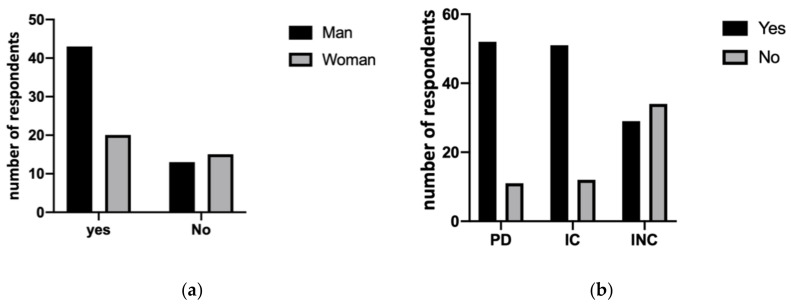
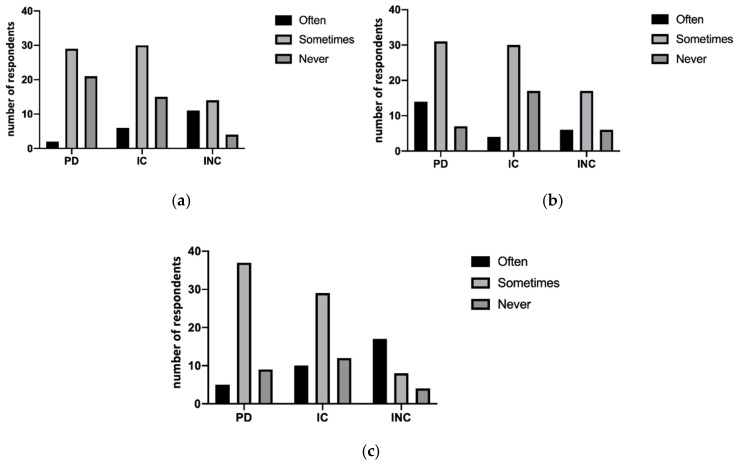
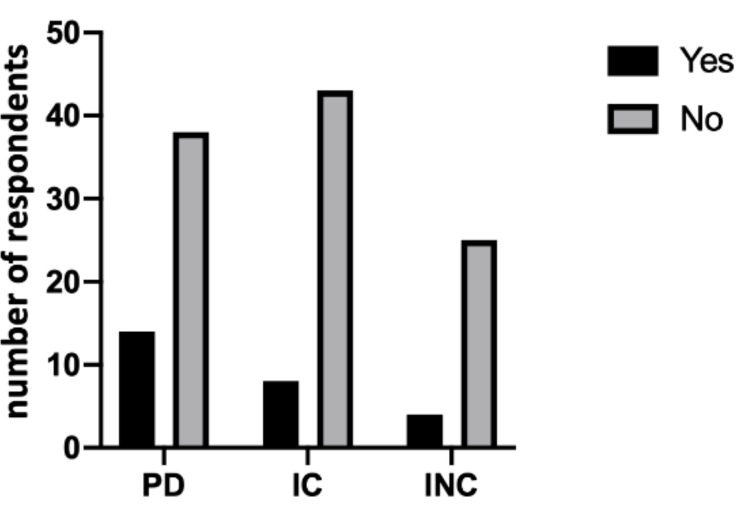
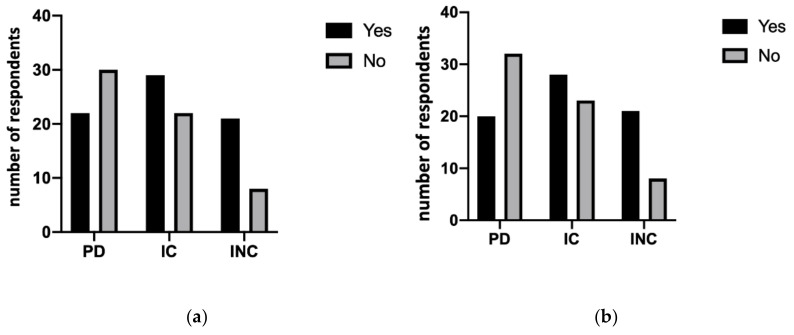
The literature highlights differences in the dental conditions of people with disabilities compared with the general population. The aim of this study was to provide an overview of the dental health of people with disabilities in order to understand if their needs are met and to identify their most critical issues as per dentists. A paper and a Google Form platform were used in conducting a survey in Central Italy (the Abruzzo region), by performing an analysis on different points of view as reported by people with disabilities and dentists. The results showed that only 69.2% of dentists treat persons with disabilities. Of these, 73.5% treat less than 10 patients with physical disabilities per year. However, 54% of dentists do not treat people with cognitive impairment and a poor ability to collaborate during treatment. More than 80% of respondent dentists report that people with disabilities do not have good oral hygiene. On the other hand, 49.1% of people with disabilities (or their caregivers in cases where the patient was unable to answer) report that they rarely or never go to the dental office. Moreover, when they do go, it is mainly for emergencies. Despite this, respondents are well aware of their dental problems. However, they have difficulties in communicating their dental problems to their dentist. The 50% of dentists who treat people with cognitive impairment do not include them in follow-up, while only 20% of these patients reported being regularly recalled. This illustrates the importance of the implementation of follow-up. In addition, training courses could help clinicians to reduce this gap and create barrier-free dental offices.
文献强调了残疾人士与普通人群在牙齿状况上的差异。本研究的目的是概述残疾人士的口腔健康状况,以了解他们的需求是否得到满足,并根据牙医的意见确定他们最关键的问题。通过对残疾人士和牙医报告的不同观点进行分析,在意大利中部(阿布鲁佐地区)使用纸质问卷和谷歌表单平台进行了一项调查。结果显示,只有69.2%的牙医治疗残疾人士。其中,73.5%的牙医每年治疗的身体残疾患者少于10人。然而,54%的牙医不治疗认知障碍且在治疗期间合作能力较差的患者。超过80%的受访牙医报告称残疾人士口腔卫生状况不佳。另一方面,49.1%的残疾人士(或在患者无法回答的情况下其照顾者)报告称他们很少或从不前往牙科诊所。而且,当他们前往时,主要是因为紧急情况。尽管如此,受访者非常清楚自己的牙齿问题。然而,他们在向牙医传达牙齿问题时存在困难。治疗认知障碍患者的牙医中有50%没有将他们纳入随访,而这些患者中只有20%报告称被定期召回。这说明了实施随访的重要性。此外,培训课程可以帮助临床医生缩小这一差距,并创建无障碍牙科诊所。