Lyu Nengchao, Wen Jiaqiang, Wu Chaozhong
Intelligent Transportation Systems Research Center, Wuhan University of Technology, Wuhan 430063, China.
National Engineering Research Center for Water Transport Safety, Wuhan 430063, China.
Int J Environ Res Public Health. 2021 Feb 5;18(4):1520. doi: 10.3390/ijerph18041520.
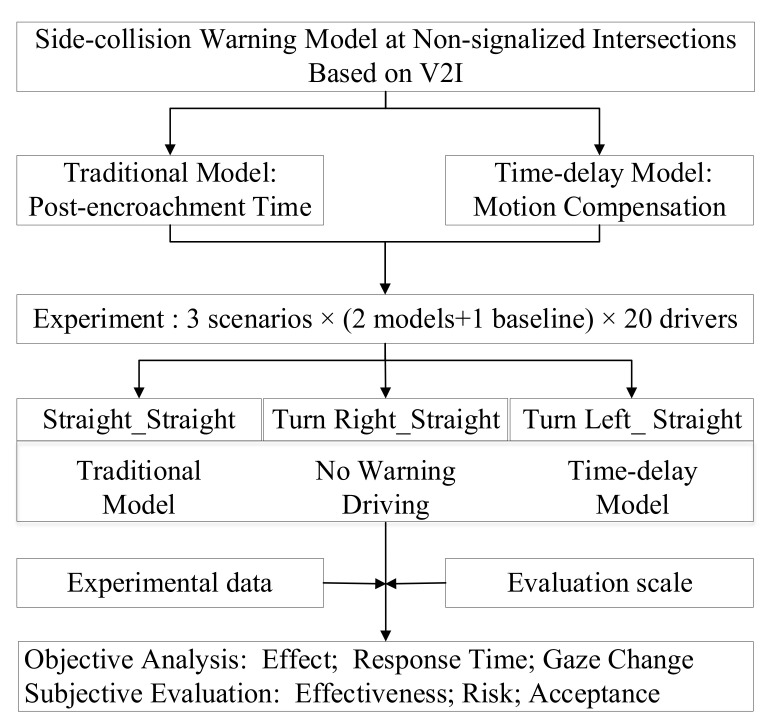
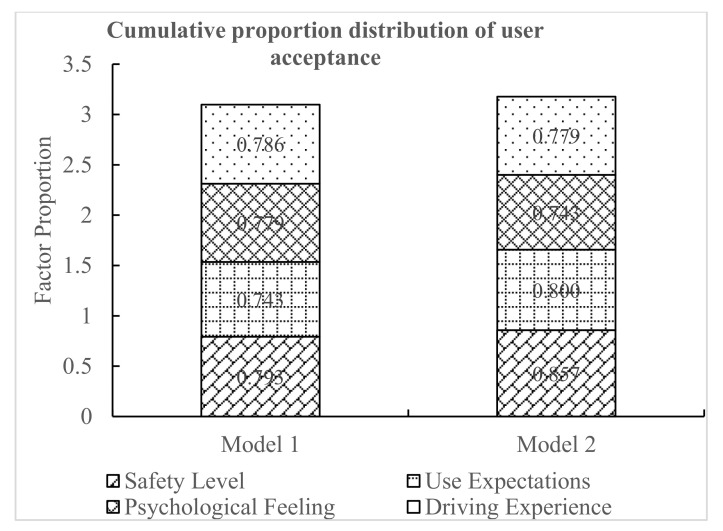
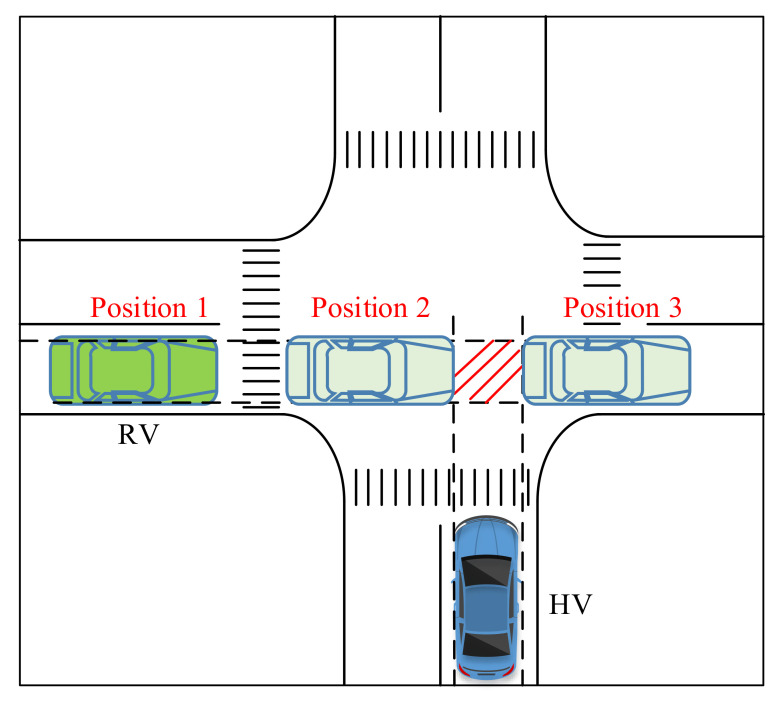
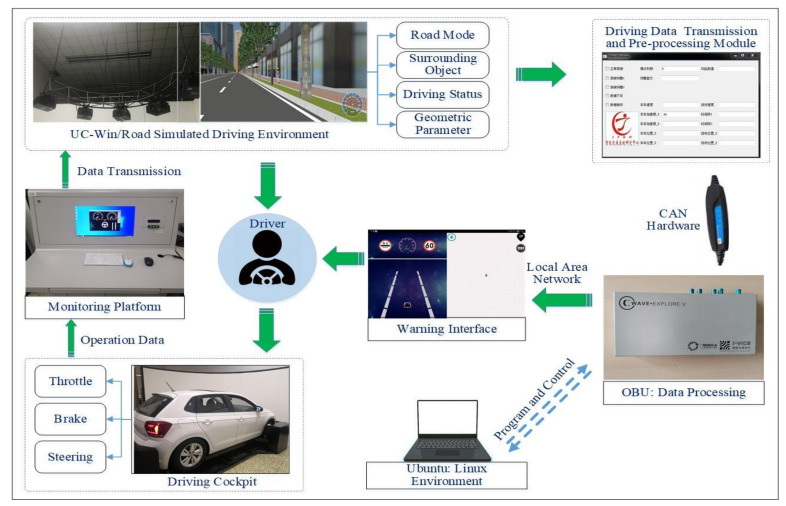
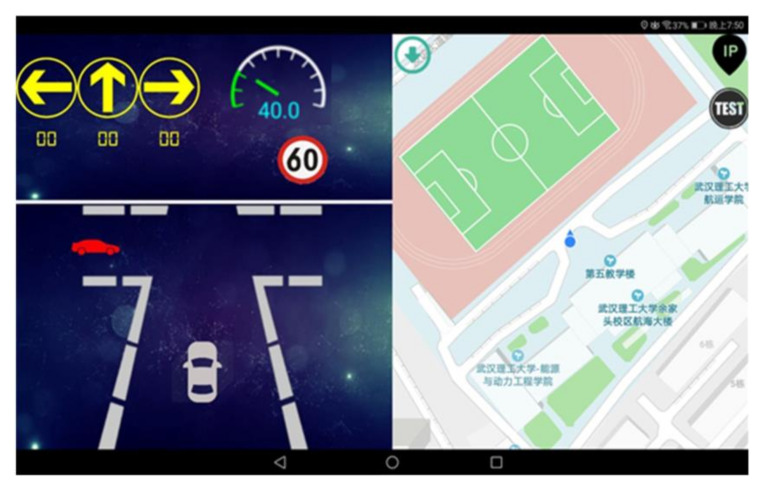
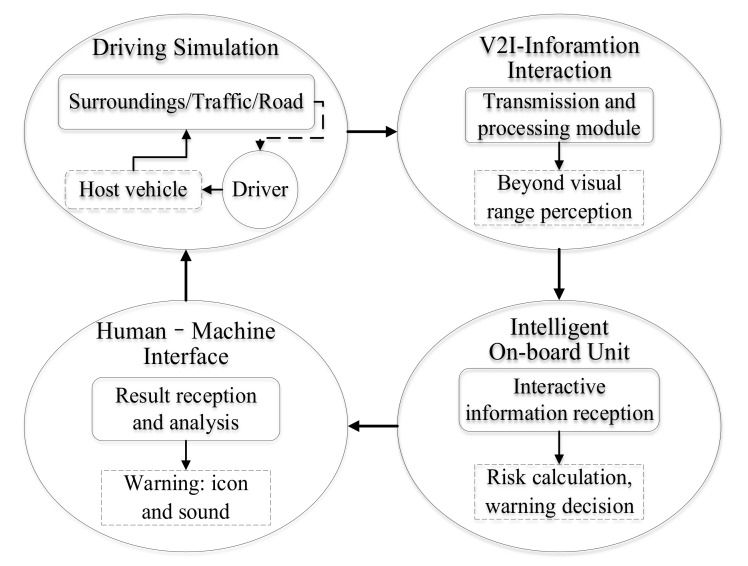
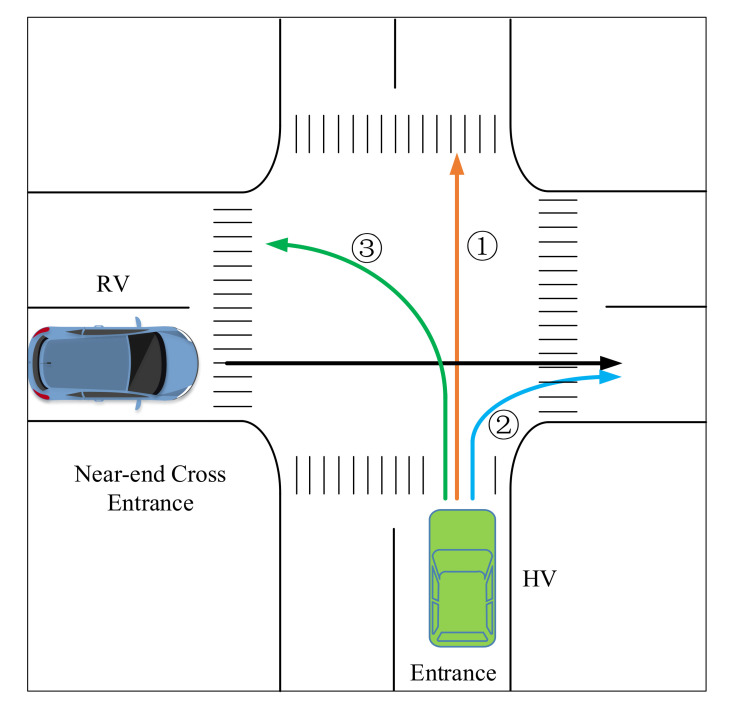
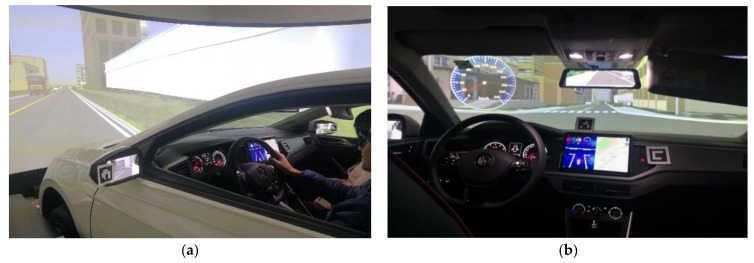
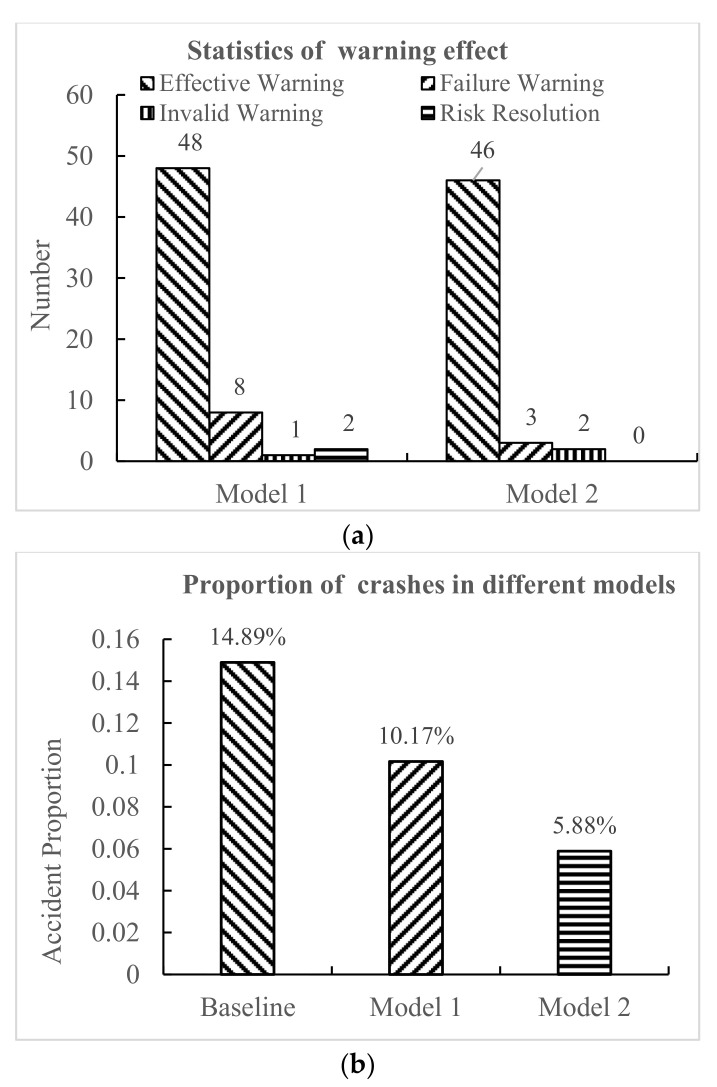
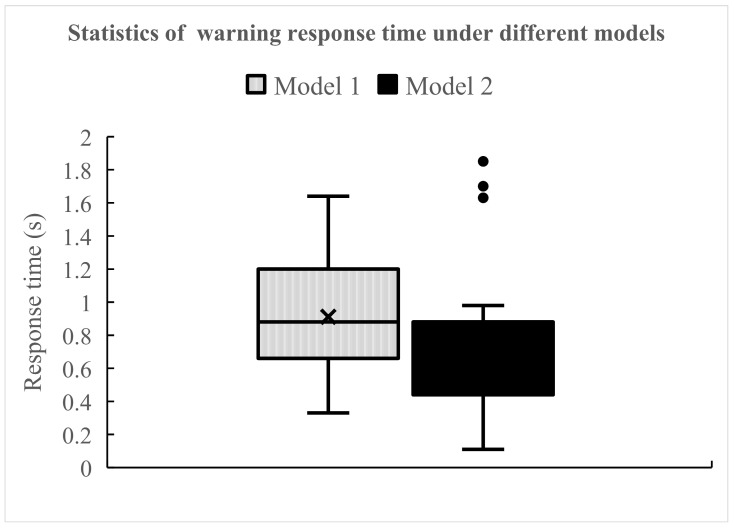
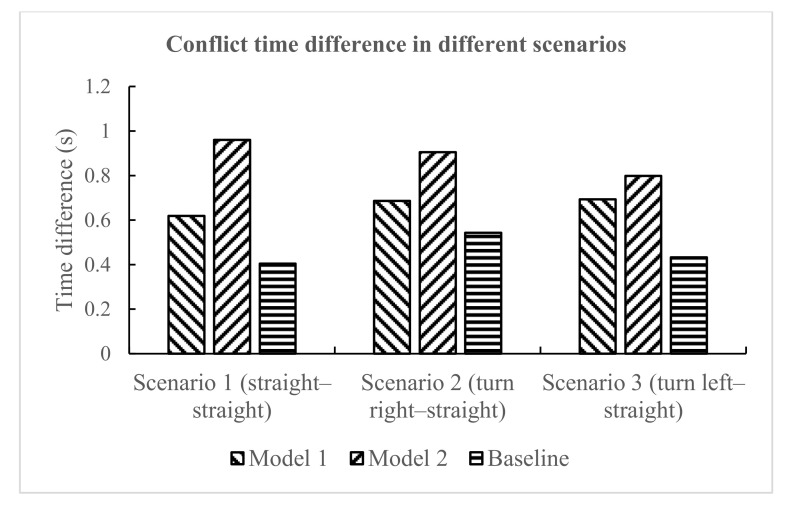
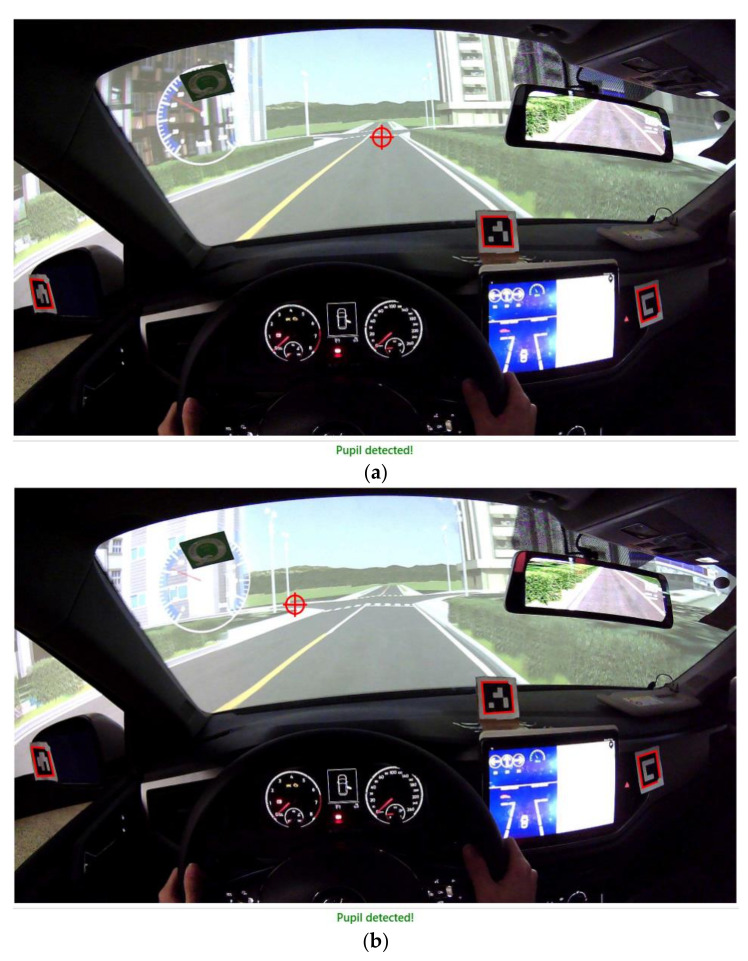
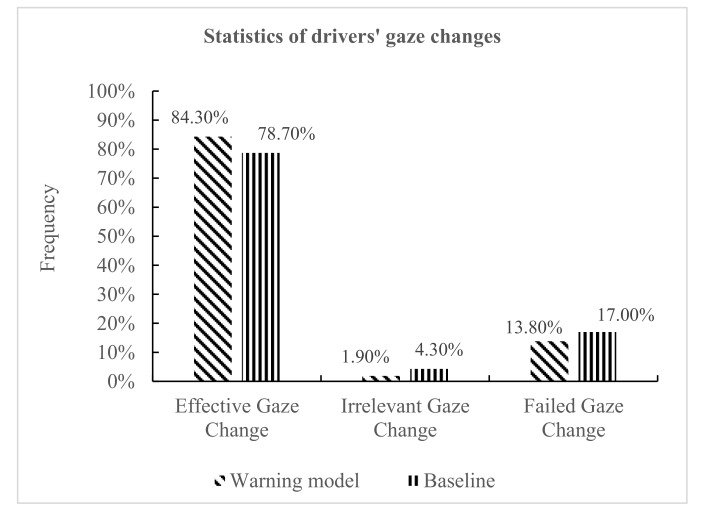
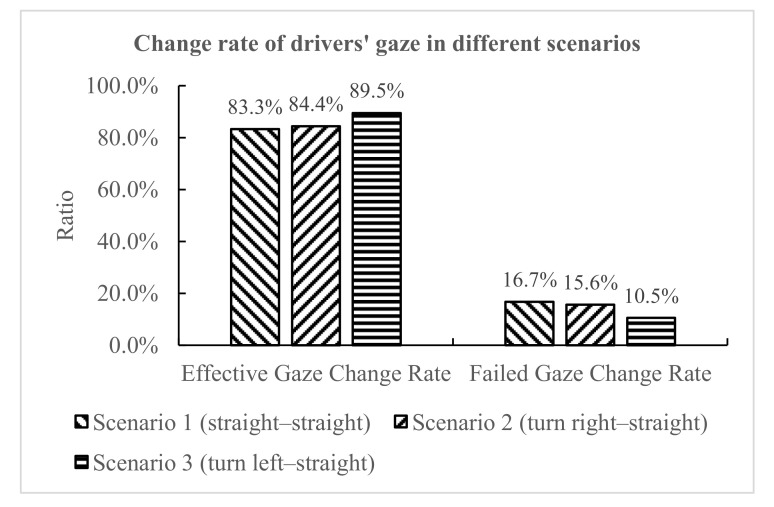
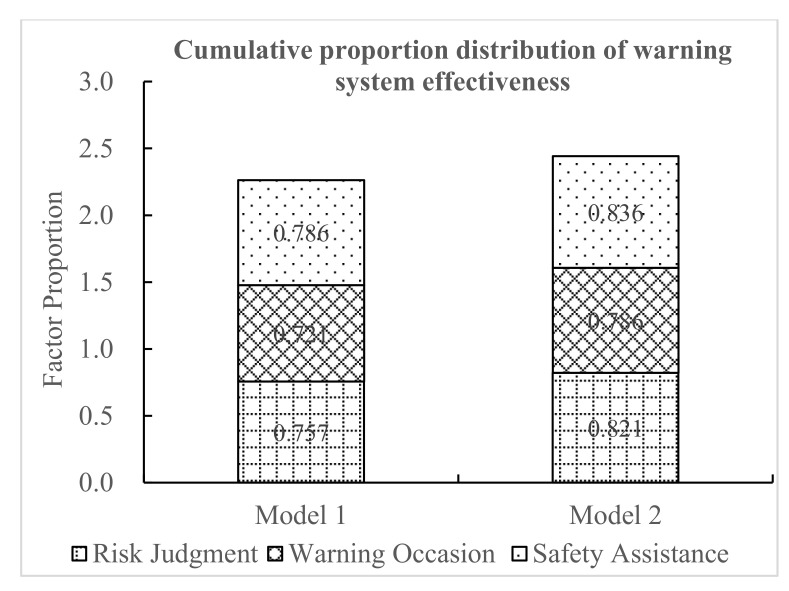
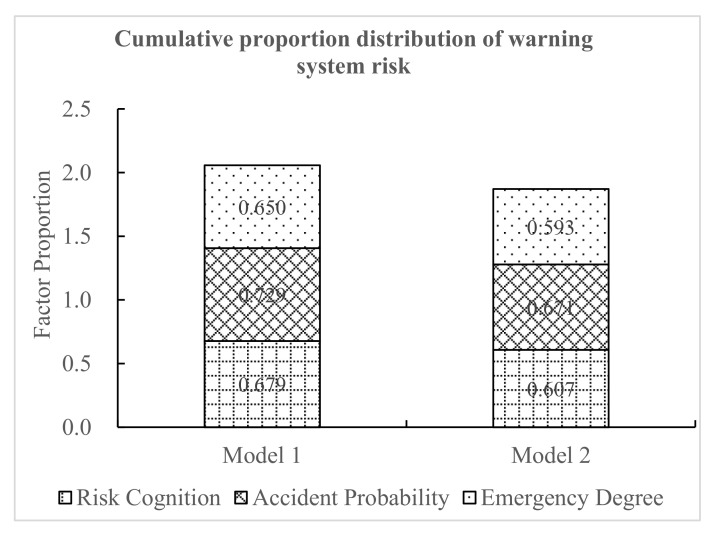
In complex traffic environments, collision warning systems that rely only on in-vehicle sensors are limited in accuracy and range. Vehicle-to-infrastructure (V2I) communication systems, however, offer more robust information exchange, and thus, warnings. In this study, V2I was used to analyze side-collision warning models at non-signalized intersections: A novel time-delay side-collision warning model was developed according to the motion compensation principle. This novel time-delay model was compared with and verified against a traditional side-collision warning model. Using a V2I-oriented simulated driving platform, three vehicle-vehicle collision scenarios were designed at non-signalized intersections. Twenty participants were recruited to conduct simulated driving experiments to test and verify the performance of each collision warning model. The results showed that compared with no warning system, both side-collision warning models reduced the proportion of vehicle collisions. In terms of efficacy, the traditional model generated an effective warning in 84.2% of cases, while the novel time-delay model generated an effective warning in 90.2%. In terms of response time and conflict time difference, the traditional model gave a longer response time of 0.91 s (that of the time-delay model is 0.78 s), but the time-delay model reduced the driving risk with a larger conflict time difference. Based on an analysis of driver gaze change post-warning, the statistical results showed that the proportion of effective gaze changes reached 84.3%. Based on subjective evaluations, drivers reported a higher degree of acceptance of the time-delay model. Therefore, the time-delay side-collision warning model for non-signalized intersections proposed herein can improve the applicability and efficacy of warning systems in such complex traffic environments and provide reference for safety applications in V2I systems.
在复杂的交通环境中,仅依赖车载传感器的碰撞预警系统在准确性和范围上存在局限性。然而,车路通信(V2I)系统提供了更强大的信息交换,从而实现预警。在本研究中,利用V2I分析无信号交叉口的侧面碰撞预警模型:根据运动补偿原理开发了一种新颖的延时侧面碰撞预警模型。将这种新颖的延时模型与传统侧面碰撞预警模型进行比较并验证。使用面向V2I的模拟驾驶平台,在无信号交叉口设计了三种车辆碰撞场景。招募了20名参与者进行模拟驾驶实验,以测试和验证每个碰撞预警模型的性能。结果表明,与无预警系统相比,两种侧面碰撞预警模型都降低了车辆碰撞的比例。在有效性方面,传统模型在84.2%的情况下产生有效预警,而新颖的延时模型在90.2%的情况下产生有效预警。在响应时间和冲突时间差方面,传统模型的响应时间更长,为0.91秒(延时模型为0.78秒),但延时模型通过更大的冲突时间差降低了驾驶风险。基于对预警后驾驶员注视变化的分析,统计结果表明有效注视变化的比例达到84.3%。基于主观评价,驾驶员对延时模型的接受度更高。因此,本文提出的无信号交叉口延时侧面碰撞预警模型可以提高此类复杂交通环境中预警系统的适用性和有效性,并为V2I系统中的安全应用提供参考。