Shenzhen Branch, Guangdong Laboratory for Lingnan Modern Agriculture, Genome Analysis Laboratory of the Ministry of Agriculture, Agricultural Genomics Institute at Shenzhen, Chinese Academy of Agricultural Sciences, Shenzhen, China.
State Key Laboratory of Crop Biology, College of Agriculture, Shandong Agricultural University, Tai'an, 271018, Shandong, China.
BMC Plant Biol. 2021 Feb 9;21(1):85. doi: 10.1186/s12870-021-02857-2.
Rice plants suffer from the rising temperature which is becoming more and more prominent. Mining heat-resistant genes and applying them to rice breeding is a feasible and effective way to solve the problem.
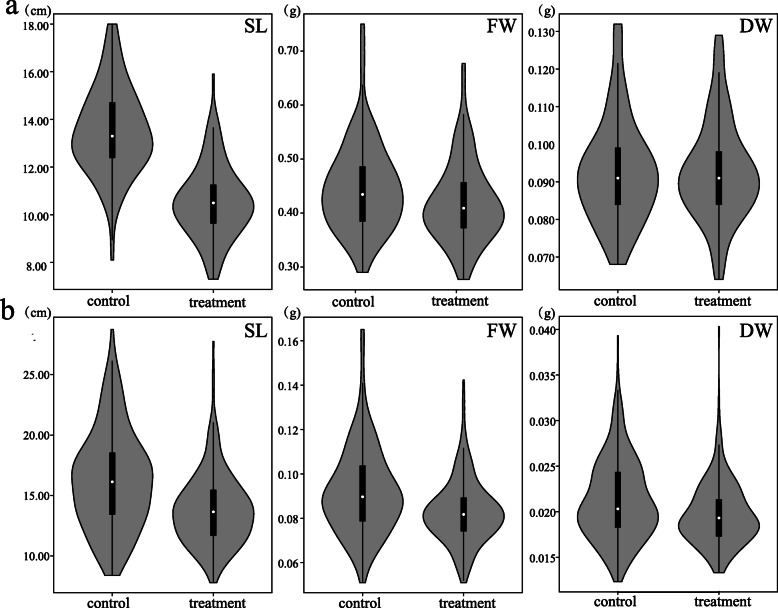
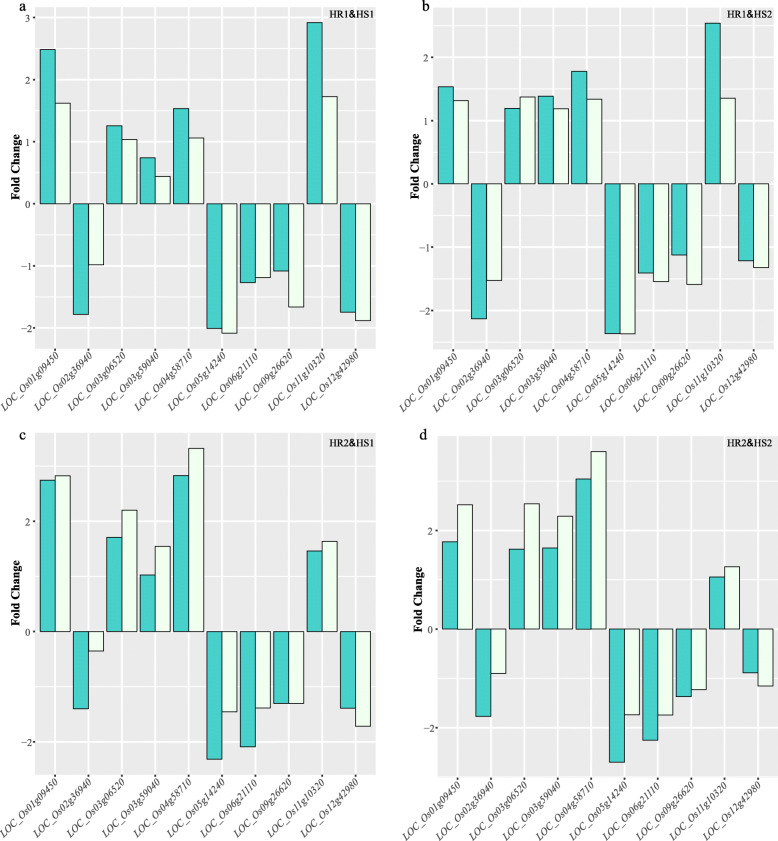
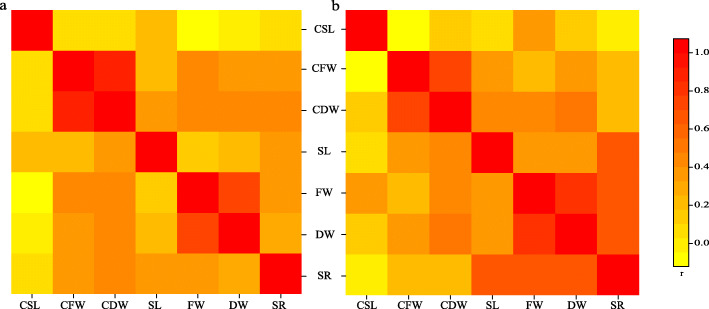
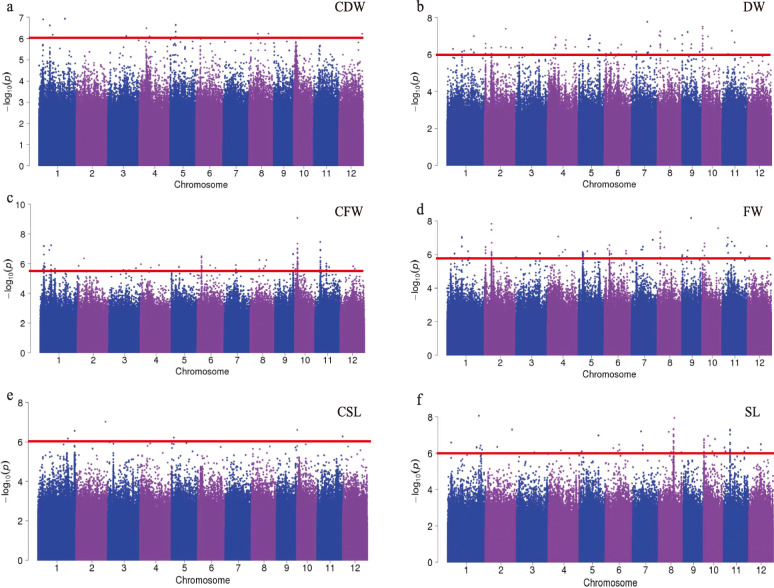
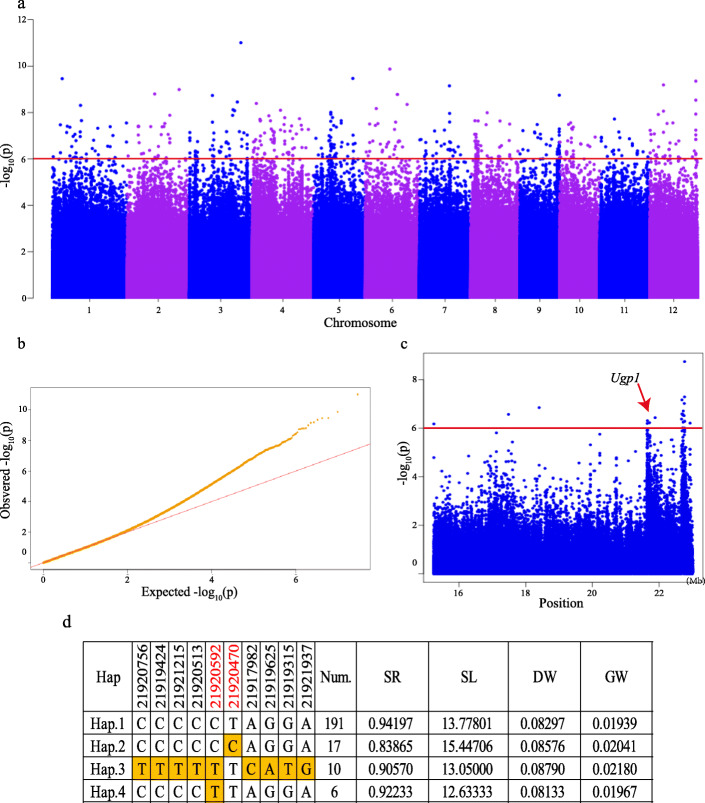
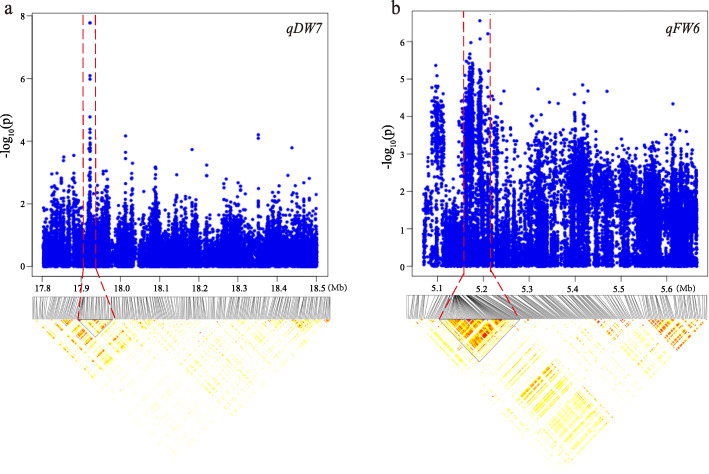
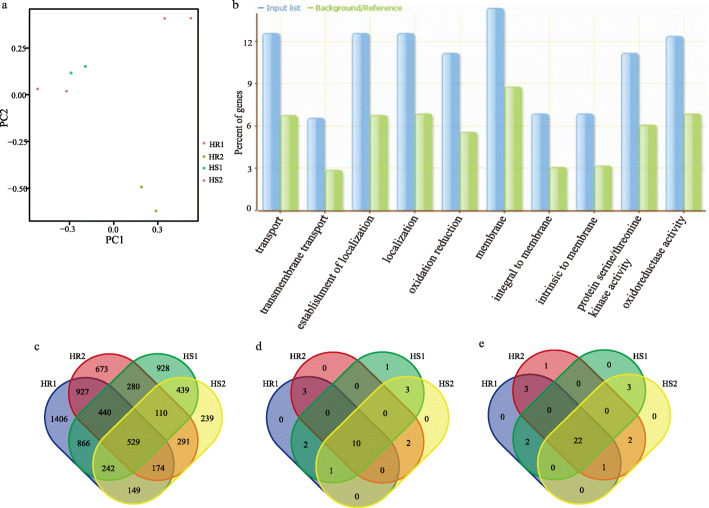
Three main biomass traits, including shoot length, dry weight, and fresh weight, changed after abnormally high-temperature treatment in the rice seedling stage of a recombinant inbred lines and the natural indica germplasm population. Based on a comparison of the results of linkage analysis and genome-wide association analysis, two loci with lengths of 57 kb and 69 kb in qDW7 and qFW6, respectively, were associated with the rice response to abnormally high temperatures at the seedling stage. Meanwhile, based on integrated transcriptome analysis, some genes are considered as important candidate genes. Combining with known genes and analysis of homologous genes, it was found that there are eight genes in candidate intervals that need to be focused on in subsequent research.
The results indicated several relevant loci, which would help researchers to further discover beneficial heat-resistant genes that can be applied to rice heat-resistant breeding.
水稻受到日益显著的升温影响。挖掘耐热基因并将其应用于水稻育种是解决这一问题的可行且有效的方法。
在重组自交系和自然籼稻群体的水稻苗期进行异常高温处理后,三个主要生物量性状(包括株高、干重和鲜重)发生了变化。基于连锁分析和全基因组关联分析结果的比较,在 qDW7 和 qFW6 中分别与水稻对苗期异常高温反应相关的两个长度为 57kb 和 69kb 的位点。同时,基于整合的转录组分析,一些基因被认为是重要的候选基因。结合已知基因和同源基因分析,发现候选区间内有 8 个基因需要在后续研究中重点关注。
这些结果表明了几个相关的基因座,这将有助于研究人员进一步发现可应用于水稻耐热育种的有益耐热基因。