Unit of Immunology and Functional Genomics, Centro Cardiologico Monzino IRCCS, 20138 Milan, Italy.
Unit of Vascular Biology and Regenerative Medicine, Centro Cardiologico Monzino IRCCS, 20138 Milan, Italy.
Int J Mol Sci. 2021 Jan 31;22(3):1423. doi: 10.3390/ijms22031423.
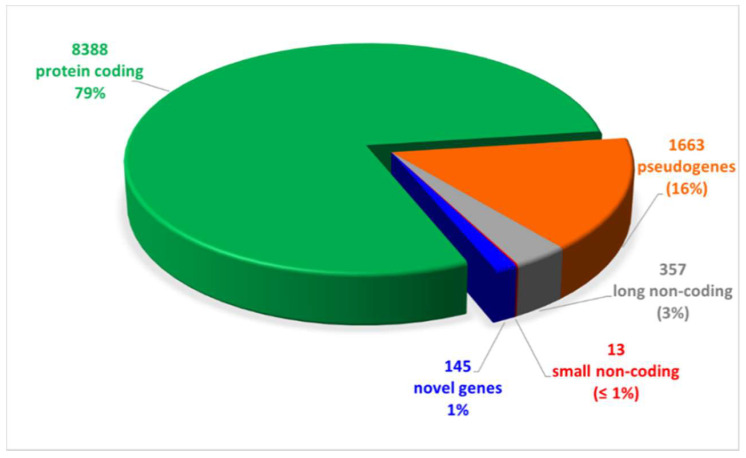
Hematopoietic stem/progenitor cells (HSPCs) participate in cardiovascular (CV) homeostasis and generate different types of blood cells including lymphoid and myeloid cells. Diabetes mellitus (DM) is characterized by chronic increase of pro-inflammatory mediators, which play an important role in the development of CV disease, and increased susceptibility to infections. Here, we aimed to evaluate the impact of DM on the transcriptional profile of HSPCs derived from bone marrow (BM). Total RNA of BM-derived CD34 stem cells purified from sternal biopsies of patients undergoing coronary bypass surgery with or without DM (CAD and CAD-DM patients) was sequenced. The results evidenced 10566 expressed genes whose 79% were protein-coding genes, and 21% non-coding RNA. We identified 139 differentially expressed genes (-value < 0.05 and |log2 FC| > 0.5) between the two comparing groups of CAD and CAD-DM patients. Gene Set Enrichment Analysis (GSEA), based on Gene Ontology biological processes (GO-BP) terms, led to the identification of fourteen overrepresented biological categories in CAD-DM samples. Most of the biological processes were related to lymphocyte activation, chemotaxis, peptidase activity, and innate immune response. Specifically, HSPCs from CAD-DM patients displayed reduced expression of genes coding for proteins regulating antibacterial and antivirus host defense as well as macrophage differentiation and lymphocyte emigration, proliferation, and differentiation. However, within the same biological processes, a consistent number of inflammatory genes coding for chemokines and cytokines were up-regulated. Our findings suggest that DM induces transcriptional alterations in HSPCs, which are potentially responsible of progeny dysfunction.
造血干细胞/祖细胞(HSPCs)参与心血管(CV)稳态,并产生包括淋巴样和髓样细胞在内的不同类型的血细胞。糖尿病(DM)的特征是促炎介质的慢性增加,这些介质在 CV 疾病的发展中起着重要作用,并增加了对感染的易感性。在这里,我们旨在评估 DM 对来源于骨髓(BM)的 HSPCs 转录谱的影响。从接受冠状动脉旁路手术的胸骨活检中纯化的来自患者的 BM 衍生的 CD34 干细胞的总 RNA 进行了测序。结果证明了 10566 个表达基因,其中 79%是编码蛋白的基因,21%是非编码 RNA。我们在 CAD 和 CAD-DM 患者这两个比较组之间鉴定了 139 个差异表达基因(-值<0.05 和 |log2 FC| > 0.5)。基于基因本体论(GO)生物过程(GO-BP)术语的基因集富集分析(GSEA)导致在 CAD-DM 样本中鉴定出 14 个过度代表的生物学类别。大多数生物学过程与淋巴细胞激活、趋化性、肽酶活性和先天免疫反应有关。具体而言,来自 CAD-DM 患者的 HSPCs 显示出调节抗菌和抗病毒宿主防御以及巨噬细胞分化和淋巴细胞迁移、增殖和分化的蛋白质编码基因的表达降低。然而,在相同的生物学过程中,一致数量的编码趋化因子和细胞因子的炎症基因被上调。我们的研究结果表明,DM 诱导 HSPCs 的转录改变,这可能是祖细胞功能障碍的原因。