Versiti Blood Research Institute, Milwaukee, Wisconsin.
Department of Microbial Infection and Immunity, The Ohio State University College of Medicine, Columbus, Ohio.
Cancer Immunol Res. 2021 Apr;9(4):454-469. doi: 10.1158/2326-6066.CIR-20-0433. Epub 2021 Feb 12.
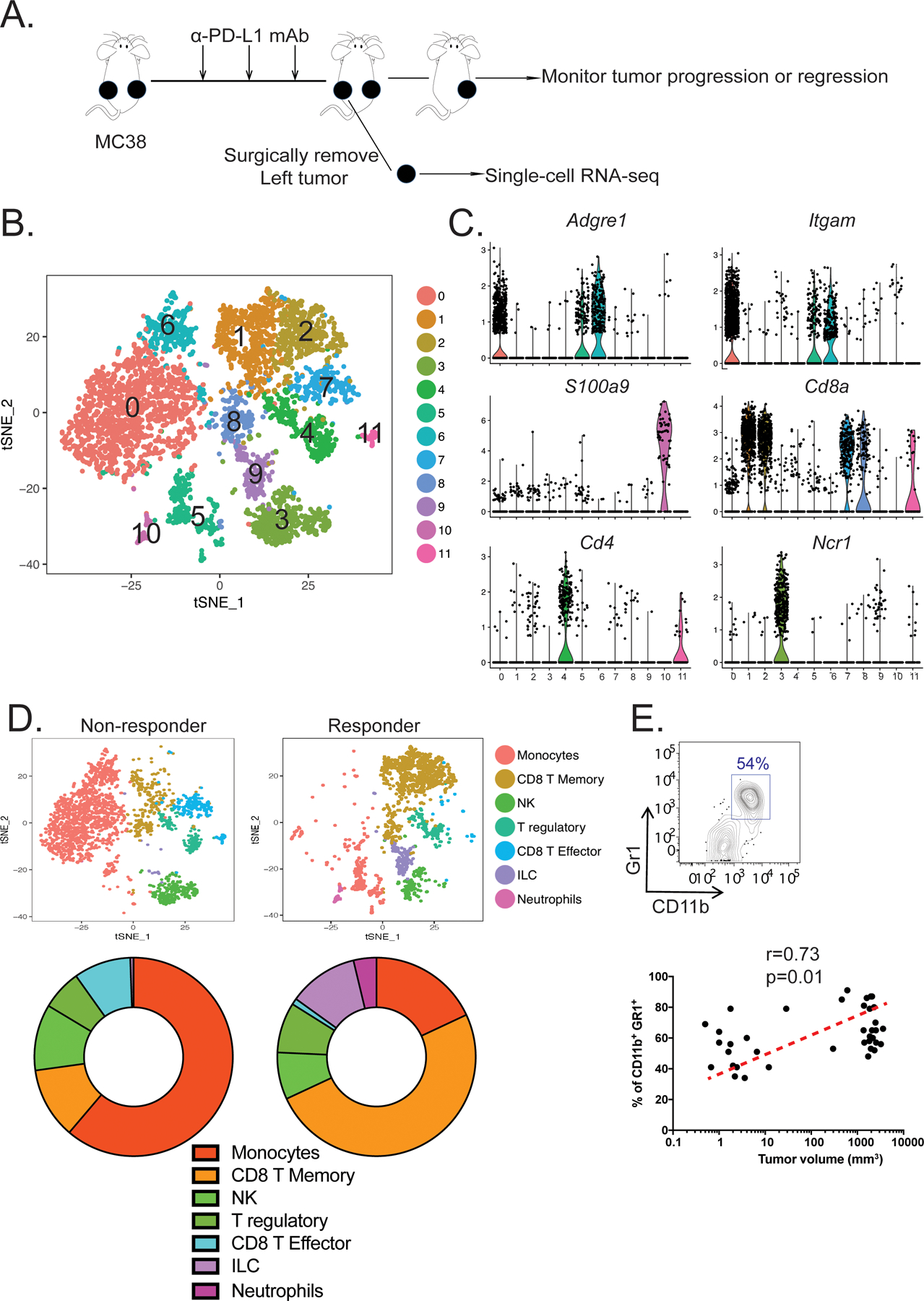
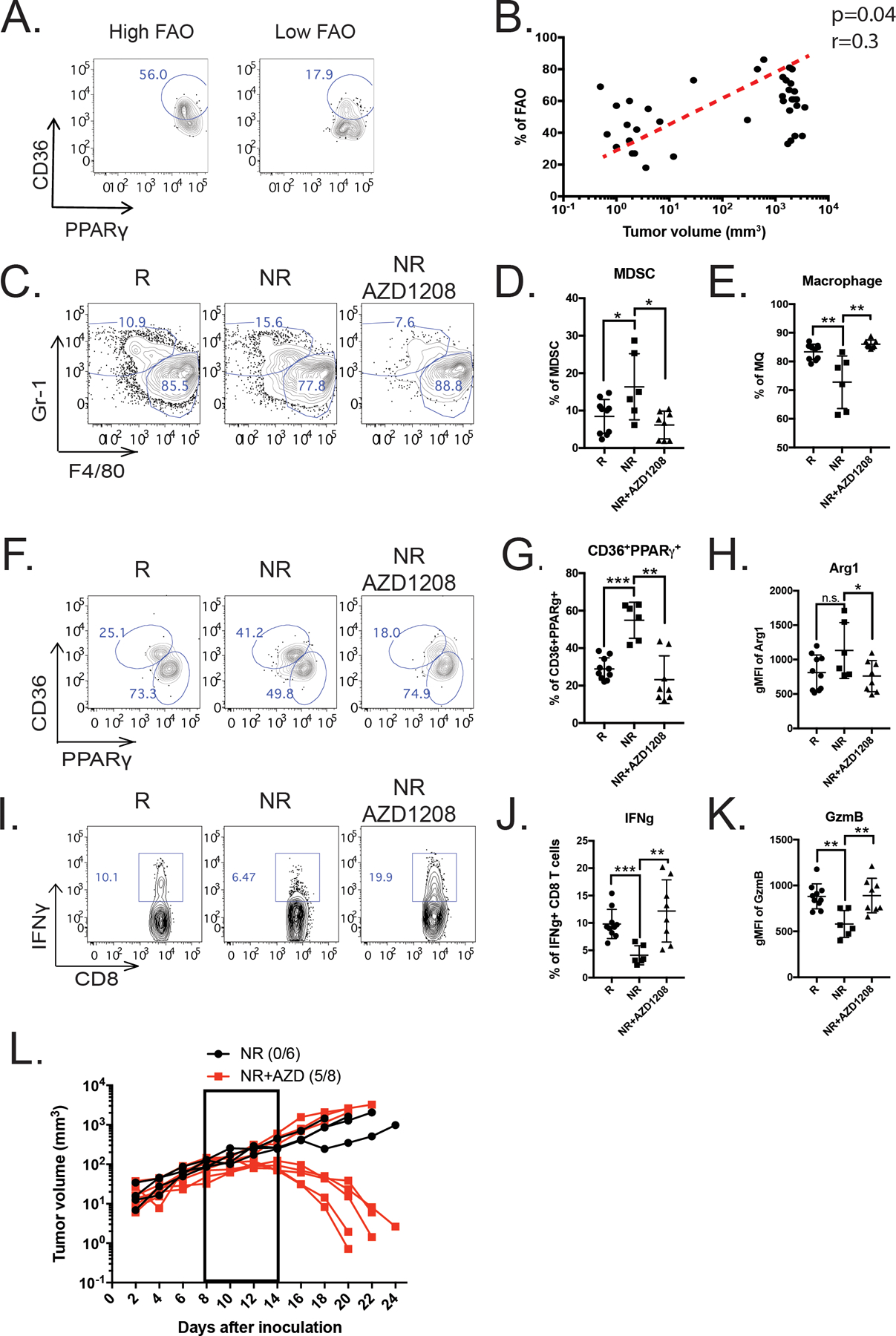
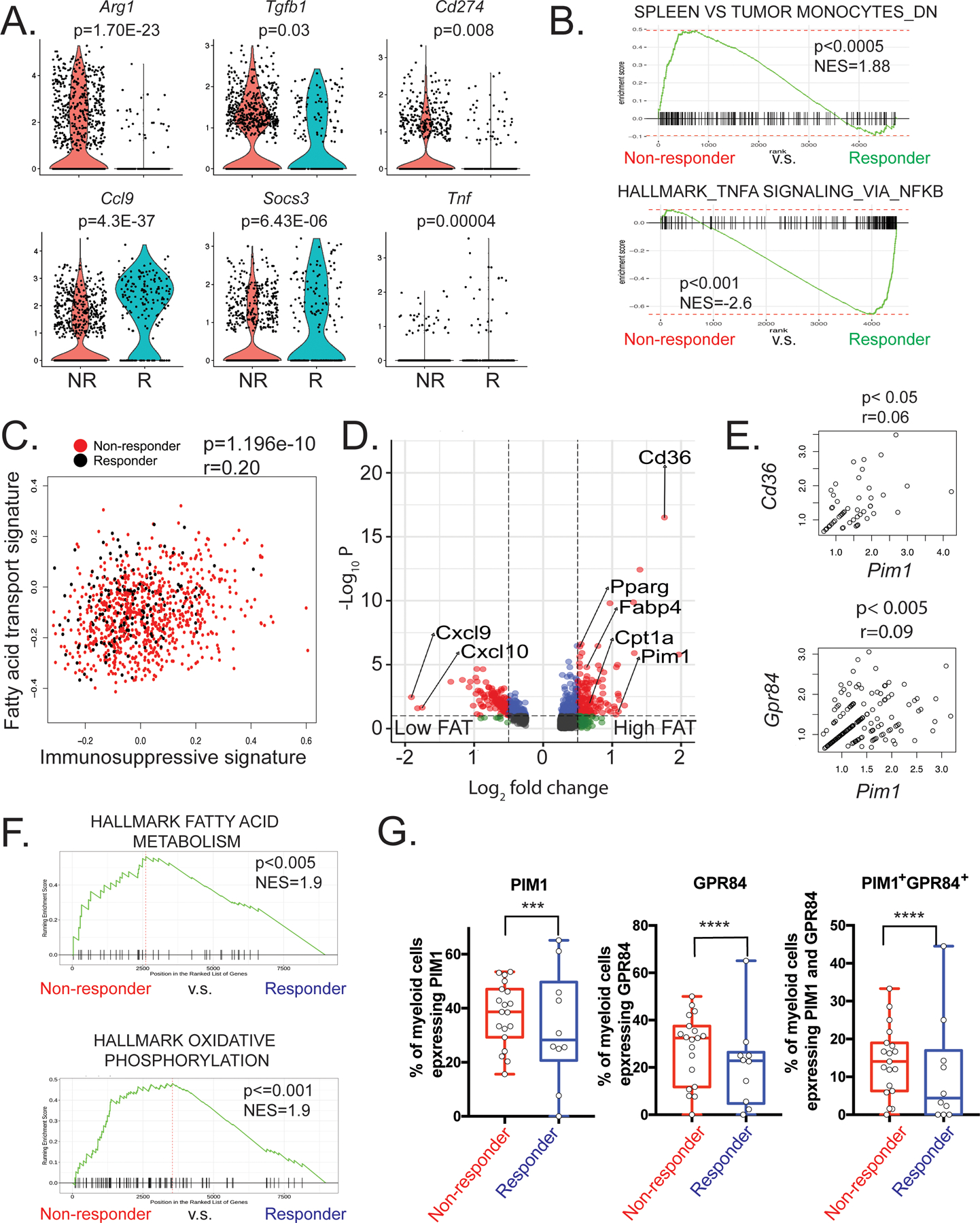
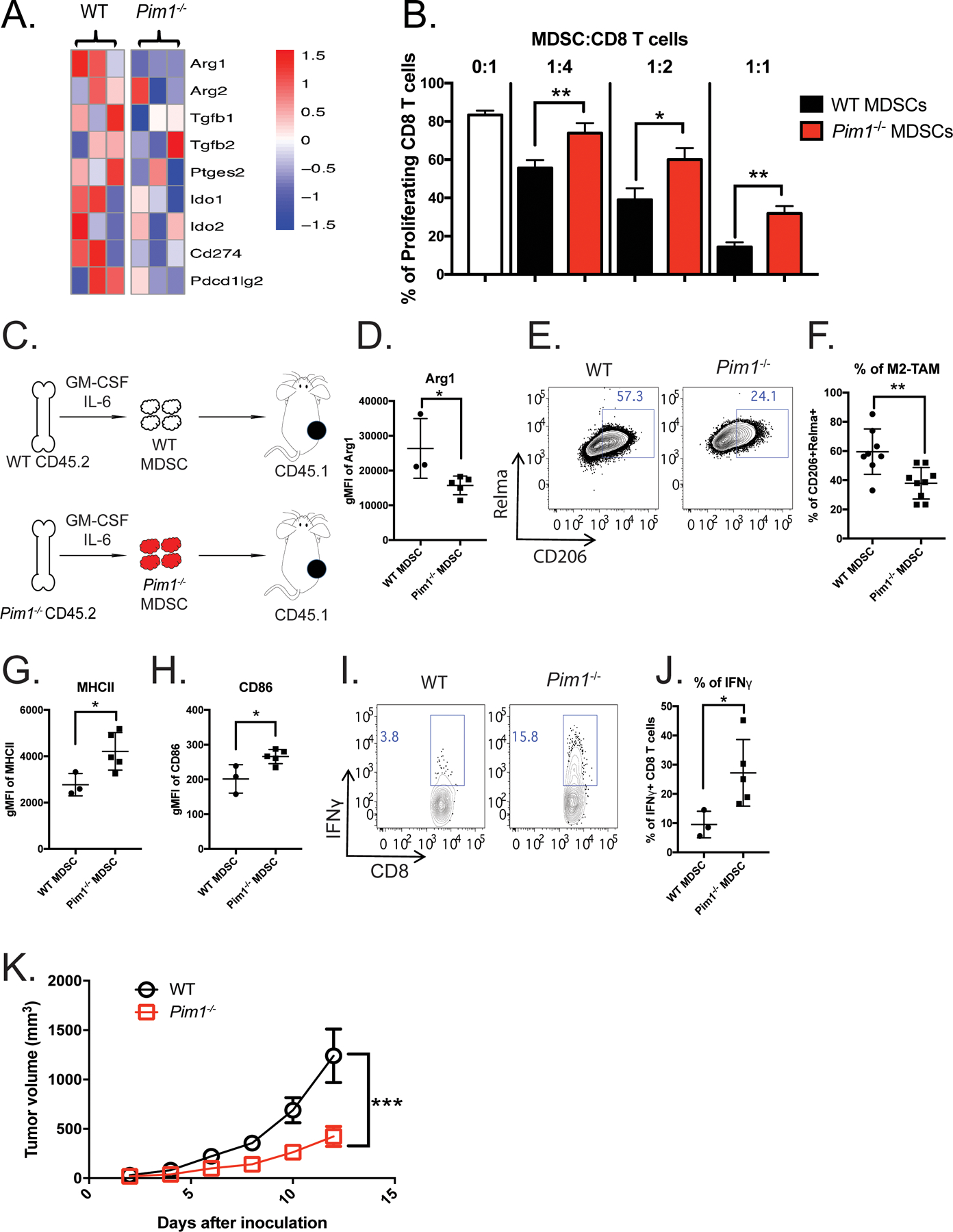
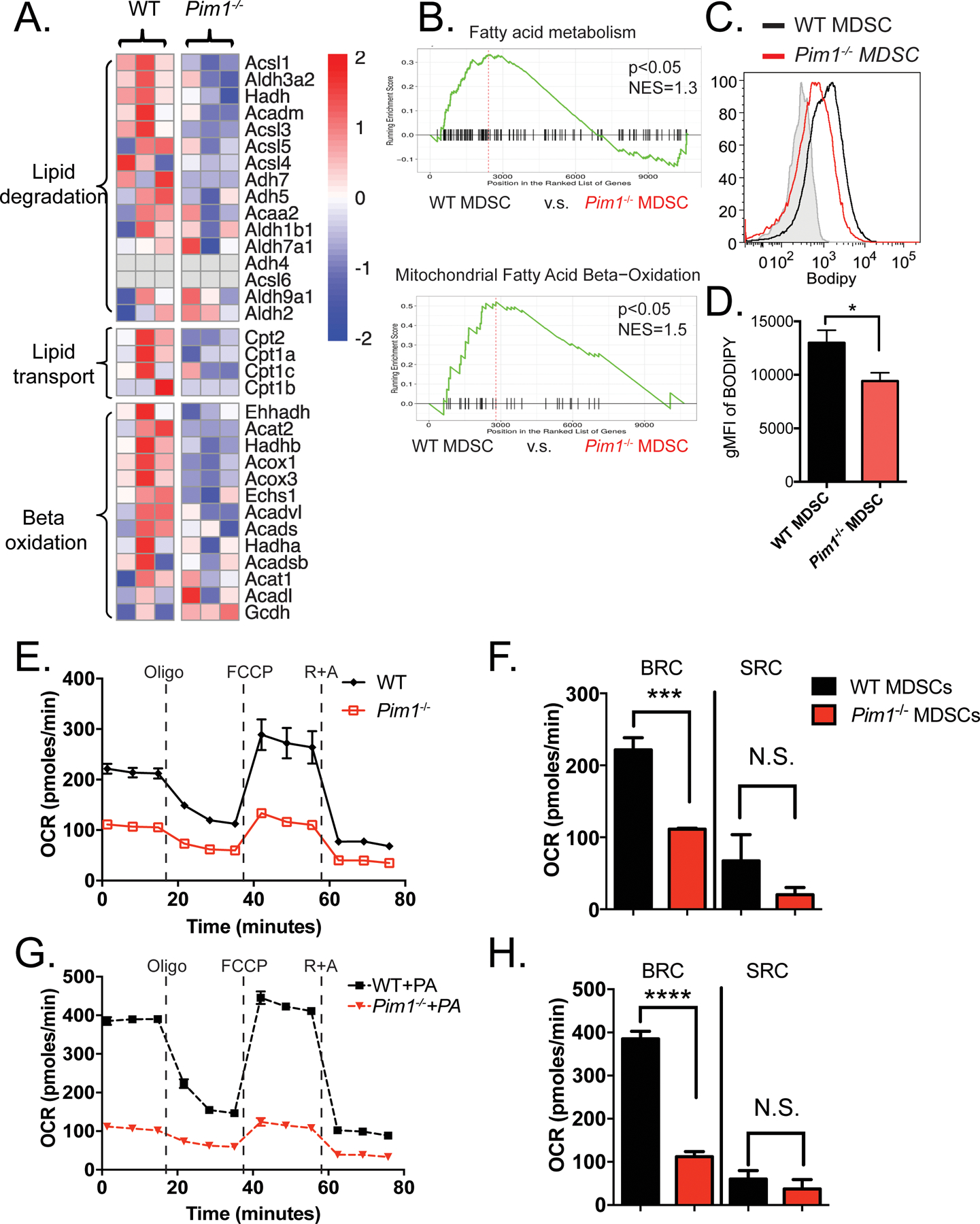
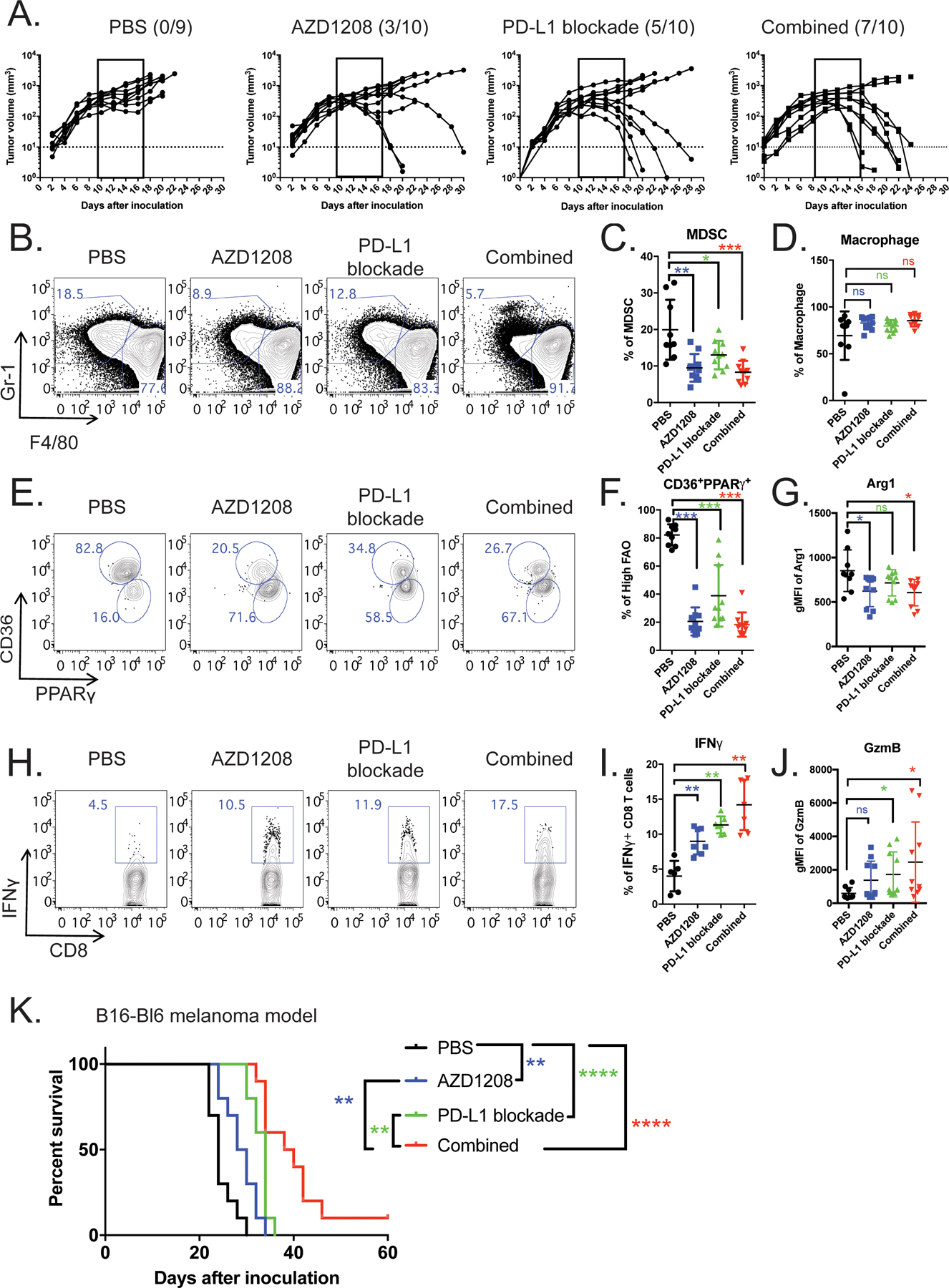
There is a strong correlation between myeloid-derived suppressor cells (MDSC) and resistance to immune checkpoint blockade (ICB), but the detailed mechanisms underlying this correlation are largely unknown. Using single-cell RNA sequencing analysis in a bilateral tumor model, we found that immunosuppressive myeloid cells with characteristics of fatty acid oxidative metabolism dominate the immune-cell landscape in ICB-resistant subjects. In addition, we uncovered a previously underappreciated role of a serine/threonine kinase, PIM1, in regulating lipid oxidative metabolism via PPARγ-mediated activities. Enforced PPARγ expression sufficiently rescued metabolic and functional defects of MDSCs. Consistent with this, pharmacologic inhibition of PIM kinase by AZD1208 treatment significantly disrupted the myeloid cell-mediated immunosuppressive microenvironment and unleashed CD8 T-cell-mediated antitumor immunity, which enhanced PD-L1 blockade in preclinical cancer models. PIM kinase inhibition also sensitized nonresponders to PD-L1 blockade by selectively targeting suppressive myeloid cells. Overall, we have identified PIM1 as a metabolic modulator in MDSCs that is associated with ICB resistance and can be therapeutically targeted to overcome ICB resistance.
髓系来源抑制细胞(MDSC)与免疫检查点阻断(ICB)耐药之间存在很强的相关性,但这种相关性的详细机制在很大程度上尚不清楚。我们在双侧肿瘤模型中使用单细胞 RNA 测序分析发现,具有脂肪酸氧化代谢特征的免疫抑制性髓系细胞在 ICB 耐药患者的免疫细胞景观中占主导地位。此外,我们揭示了丝氨酸/苏氨酸激酶 PIM1 通过 PPARγ 介导的活性调节脂质氧化代谢的先前未被充分认识的作用。强制表达 PPARγ 足以挽救 MDSC 的代谢和功能缺陷。与此一致,用 AZD1208 抑制 PIM 激酶的药物治疗显著破坏了髓系细胞介导的免疫抑制微环境,并释放了 CD8 T 细胞介导的抗肿瘤免疫,从而增强了临床前癌症模型中 PD-L1 阻断的效果。PIM 激酶抑制还通过选择性靶向抑制性髓系细胞使非应答者对 PD-L1 阻断敏感。总的来说,我们已经确定 PIM1 是与 ICB 耐药相关的 MDSC 中的代谢调节剂,可作为治疗靶点以克服 ICB 耐药性。