Gao Xi, Xu Diru, Zhang Xinyue, Zhao Hengguang
Department of Dermato-Venereology, University-Town Hospital of Chongqing Medical University, Chongqing, China.
Front Nutr. 2021 Jan 18;7:606776. doi: 10.3389/fnut.2020.606776. eCollection 2020.
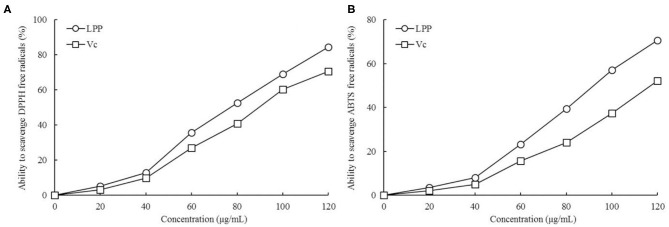
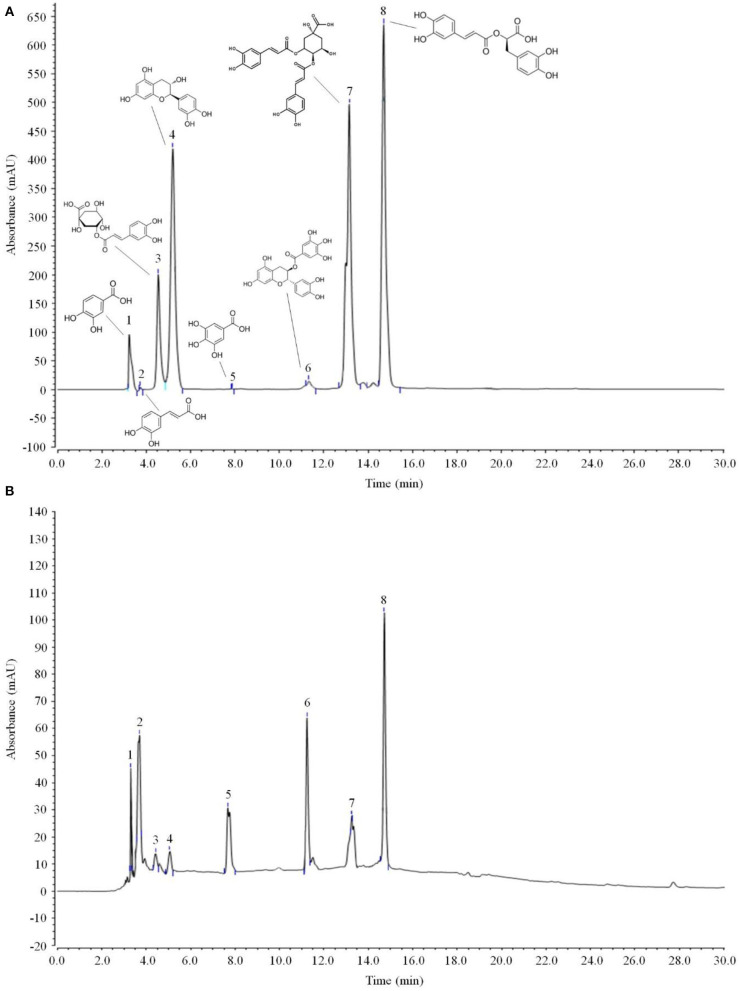
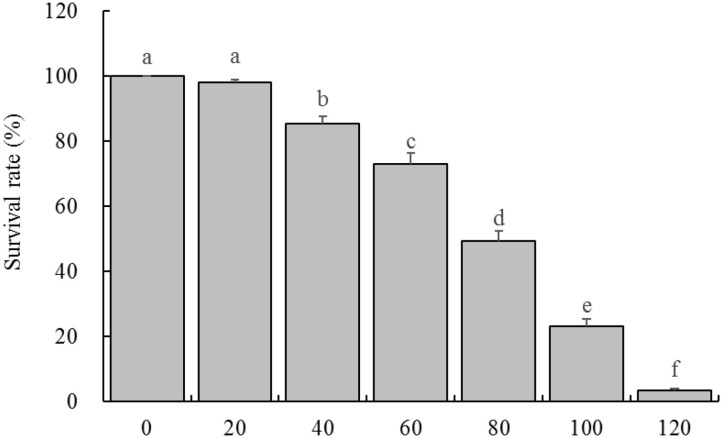
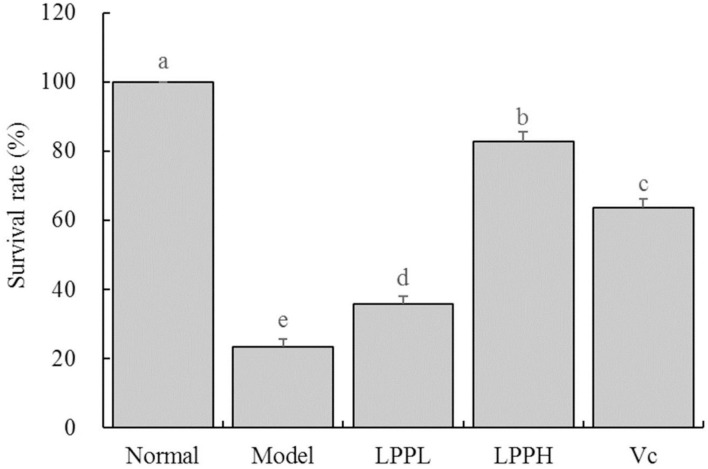
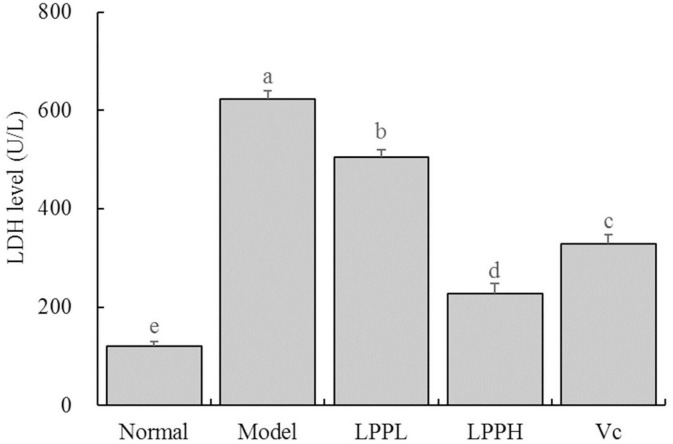
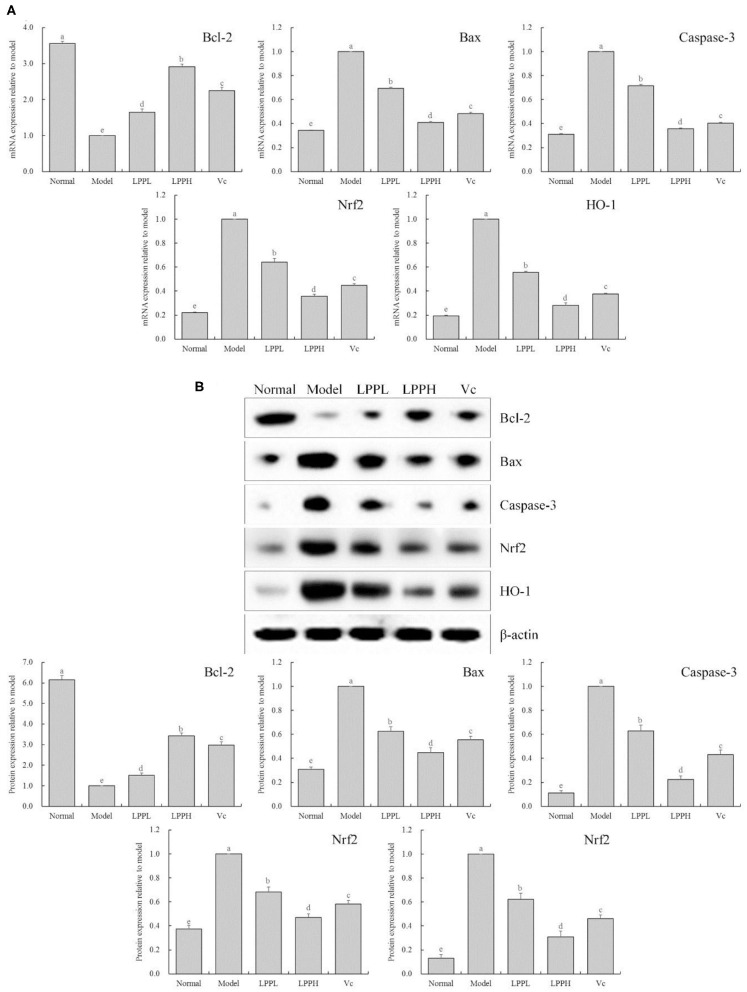
Lemon peel can be used as traditional Chinese medicine. Flavonoids are the most important components in lemon peel, which can be developed as natural medicine without side effects. This study investigated the protective effect of lemon peel polyphenols (LPP) on human keratinocyte HaCaT cells under oxidative stress. The active components of LPP were determined by high performance liquid chromatography. The abilities of LPP to scavenge DPPH and ABTS+ free radicals were studied for detection of antioxidation . Cell survival rates were determined by MTT assay. The antioxidant enzyme activity and antioxidant index of cells were determined using kit. The mRNA and protein expression of cells were determined by qPCR and western blot. The ability of LPP to scavenge DPPH and ABTS free radicals were stronger than those of vitamin C (Vc) at the same concentration. As expected, compared with the normal group of cells, the model group had decreased cell survival, increased lactate dehydrogenase (LDH), decreased levels of superoxide dismutase (SOD), catalase (CAT) and glutathione (GSH), and increased malondialdehyde (MDA) content. qPCR and western blot results indicated that the expression of Bcl-2-related X protein (Bax), caspases-3, erythroid-derived nuclear factor 2-related factor 2 (Nrf2), and heme oxygenase-1 (HO-1) were decreased and the expression of B-cell lymphoma-2 (Bcl-2) was increased in the model group, compared with the normal group. LPP treatment improved cell survival rate, reduced intracellular LDH and MDA levels, increased intracellular SOD, CAT, GSH levels, down-regulated Bax, caspases-3, Nrf2, HO-1 expression, and up-regulated Bcl-2 expression. Component analyses found that LPP contains gallic acid, neochlorogenic acid, (+)-catechin, caffeic acid, (-)-Catechin gallate, isochlorogenic acid A, rosmarinic acid, and protocatechuic acid. LPP was found to regulate the Nrf2/HO-1 signaling pathway through 8 active substances to protect HaCaT cells against oxidative stress .
柠檬皮可作为中药使用。黄酮类化合物是柠檬皮中最重要的成分,可开发为无副作用的天然药物。本研究调查了柠檬皮多酚(LPP)在氧化应激下对人角质形成细胞HaCaT细胞的保护作用。通过高效液相色谱法测定LPP的活性成分。研究了LPP清除DPPH和ABTS+自由基的能力以检测其抗氧化作用。通过MTT法测定细胞存活率。使用试剂盒测定细胞的抗氧化酶活性和抗氧化指标。通过qPCR和蛋白质印迹法测定细胞的mRNA和蛋白质表达。在相同浓度下,LPP清除DPPH和ABTS自由基的能力强于维生素C(Vc)。正如预期的那样,与正常细胞组相比,模型组细胞存活率降低,乳酸脱氢酶(LDH)升高,超氧化物歧化酶(SOD)、过氧化氢酶(CAT)和谷胱甘肽(GSH)水平降低,丙二醛(MDA)含量增加。qPCR和蛋白质印迹结果表明,与正常组相比,模型组中Bcl-2相关X蛋白(Bax)、半胱天冬酶-3、红系衍生核因子2相关因子2(Nrf2)和血红素加氧酶-1(HO-1)的表达降低,而B细胞淋巴瘤-2(Bcl-2)的表达增加。LPP处理提高了细胞存活率,降低了细胞内LDH和MDA水平,增加了细胞内SOD、CAT、GSH水平,下调了Bax、半胱天冬酶-3、Nrf2、HO-1的表达,并上调了Bcl-2的表达。成分分析发现LPP含有没食子酸、新绿原酸、(+)-儿茶素、咖啡酸、(-)-儿茶素没食子酸酯、异绿原酸A、迷迭香酸和原儿茶酸。发现LPP通过8种活性物质调节Nrf2/HO-1信号通路,以保护HaCaT细胞免受氧化应激。