Chan Mei, Gray Melinda, Burns Christine, Owens Louisa, Woolfenden Susan, Lingam Raghu, Jaffe Adam, Homaira Nusrat
Discipline of Paediatrics, School of Women's and Children's Health, Faculty of Medicine, University of New South Wales, Sydney, NSW, 2031, Australia.
Respiratory Department, Sydney Children's Hospital, Randwick, NSW 2031, Australia.
Allergy Asthma Clin Immunol. 2021 Feb 15;17(1):19. doi: 10.1186/s13223-021-00522-9.
We conducted a systematic review and meta-analysis to determine the effectiveness of comprehensive community-based interventions with ≥ 2 components in improving asthma outcomes in children.
A systematic search of Medline, Cumulative Index to Nursing and Allied Health Literature (CINAHL), Excerpta Medica Database (EMBASE), Cochrane Library and hand search of reference collections were conducted to identify any research articles published in English between 2000 and 2019. All studies reporting community-based asthma interventions with ≥ 2 components (e.g., asthma self-management education, home environmental assessment or care coordination etc.) for children aged ≤ 18 years were included. Meta-analyses were performed using random-effects model to estimate pooled odds ratio (OR) with 95% confidence intervals (CIs).
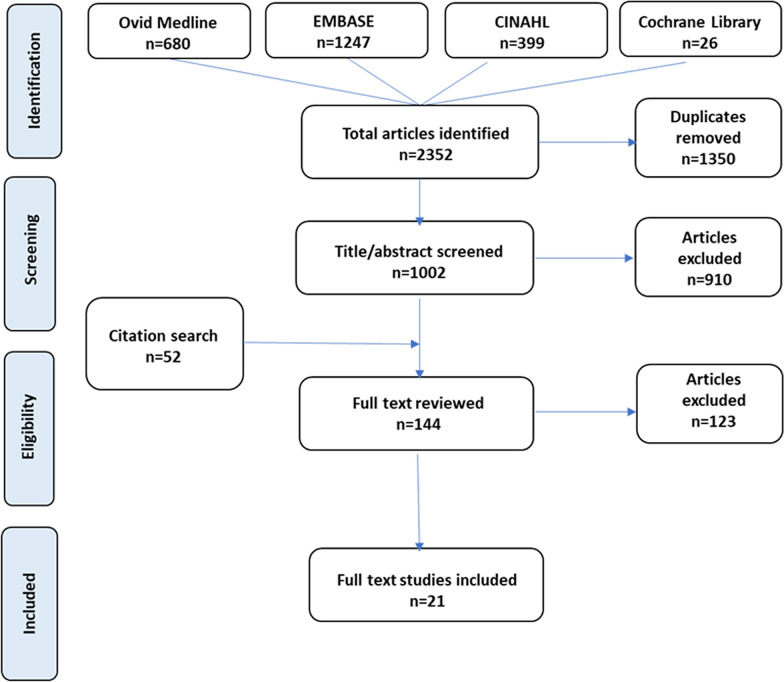
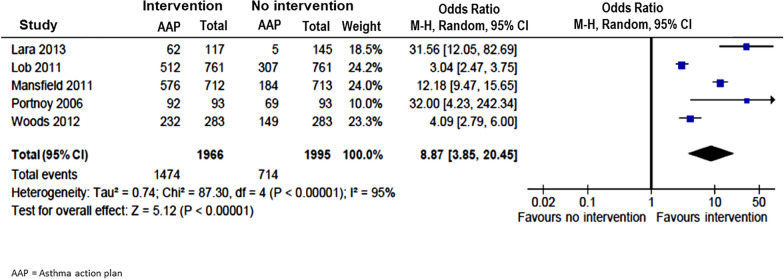
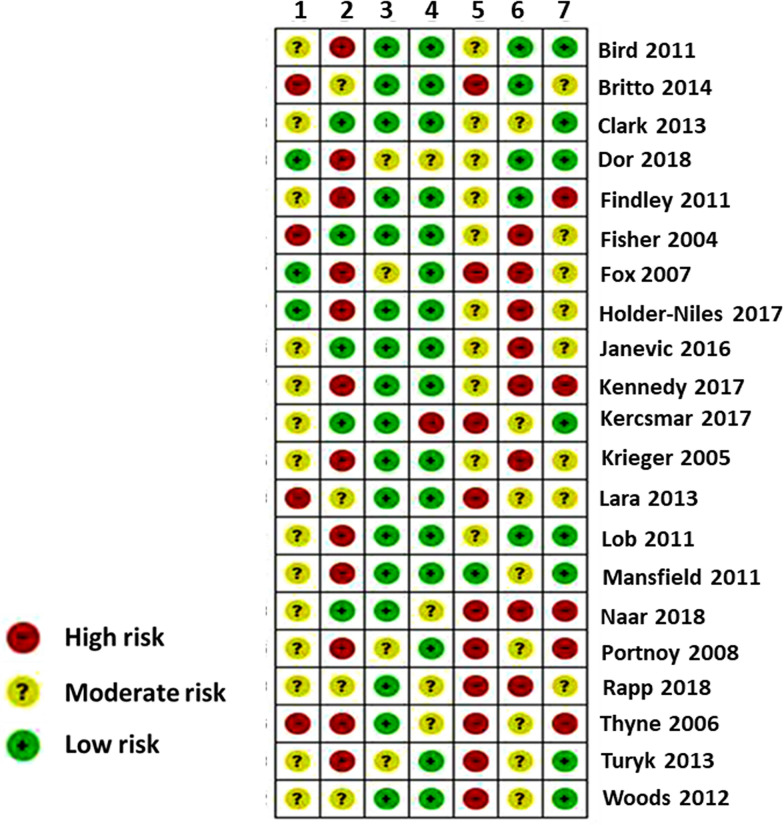
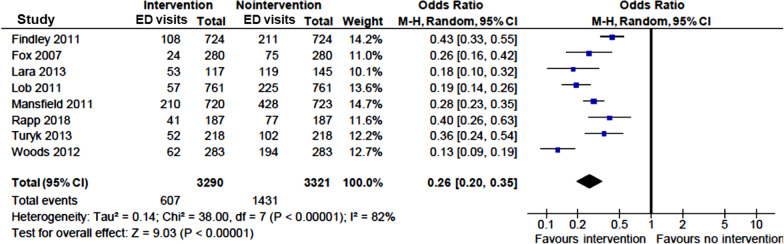
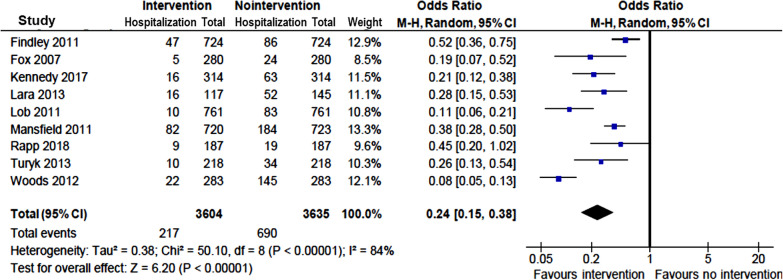
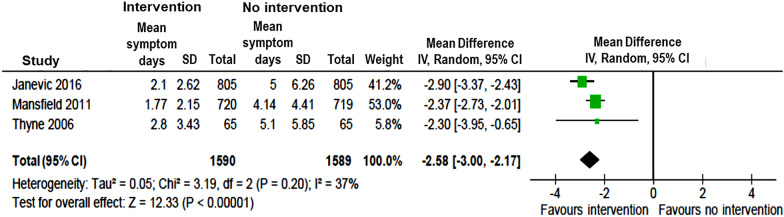
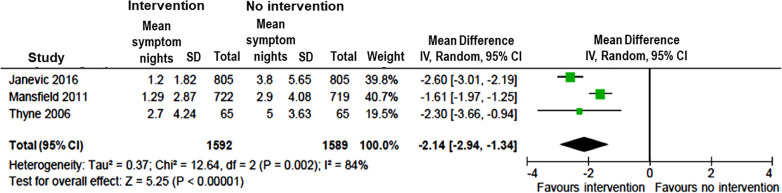
Of the 2352 studies identified, 21 studies were included in the final analysis: 19 pre-post interventions, one randomised controlled trial (RCT) and one retrospective study. Comprehensive asthma programs with multicomponent interventions were associated with significant reduction in asthma-related Emergency Department (ED) visits (OR = 0.26; 95% CI 0.20-0.35), hospitalizations (OR = 0.24; 95% CI 0.15-0.38), number of days (mean difference = - 2.58; 95% CI - 3.00 to - 2.17) and nights with asthma symptoms (mean difference = - 2.14; 95% CI - 2.94 to - 1.34), use of short-acting asthma medications/bronchodilators (BD) (OR = 0.28; 95% CI 0.16-0.51), and increase use of asthma action plan (AAP) (OR = 8.87; 95% CI 3.85-20.45).
Community-based asthma care using more comprehensive approaches may improve childhood asthma management and reduce asthma related health care utilization.
我们进行了一项系统评价和荟萃分析,以确定包含≥2个组成部分的综合性社区干预措施在改善儿童哮喘结局方面的有效性。
对医学文献数据库(Medline)、护理及相关健康文献累积索引(CINAHL)、医学文摘数据库(EMBASE)、考克兰图书馆进行系统检索,并手动检索参考文献集,以识别2000年至2019年间发表的英文研究文章。纳入所有报告针对≤18岁儿童的包含≥2个组成部分(如哮喘自我管理教育、家庭环境评估或护理协调等)的社区哮喘干预措施的研究。采用随机效应模型进行荟萃分析,以估计合并比值比(OR)及95%置信区间(CI)。
在识别出的2352项研究中,21项研究纳入最终分析:19项前后对照干预研究、1项随机对照试验(RCT)和1项回顾性研究。采用多组分干预措施的综合性哮喘项目与哮喘相关急诊就诊次数显著减少(OR = 0.26;95%CI 0.20 - 0.35)、住院次数(OR = 0.24;95%CI 0.15 - 0.38)、哮喘症状天数(平均差值 = -2.58;95%CI -3.00至 -2.17)和哮喘症状夜晚数(平均差值 = -2.14;95%CI -2.94至 -1.34)、短效哮喘药物/支气管扩张剂(BD)使用量(OR = 0.28;95%CI 0.16 - 0.51)减少以及哮喘行动计划(AAP)使用量增加(OR = 8.87;95%CI 3.85 - 20.45)相关。
采用更综合方法的社区哮喘护理可能改善儿童哮喘管理并减少与哮喘相关的医疗保健利用。