Department of Hematology and Oncology, Shenzhen Children's Hospital, Shenzhen, China.
Nanfang-Chunfu Children's Institute of Hematology and Oncology, Taixin Hospital, Dongguan, China.
Cell Transplant. 2021 Jan-Dec;30:963689721994808. doi: 10.1177/0963689721994808.
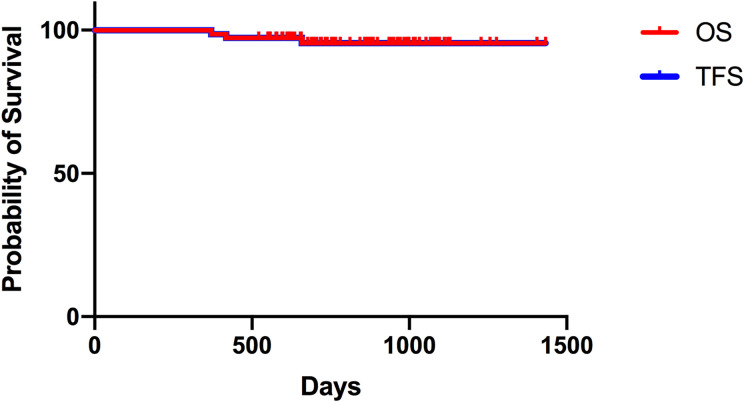
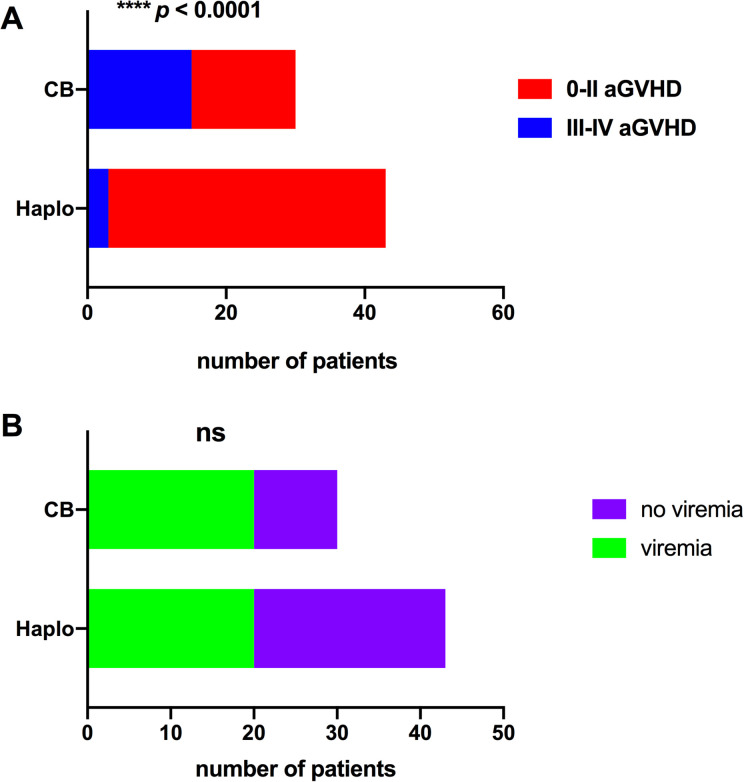
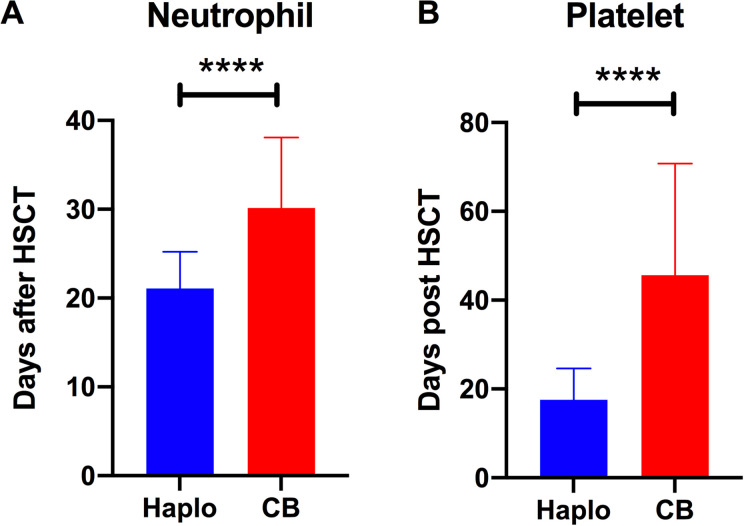
Allogeneic stem cell transplantation is a cure for patients suffering from thalassemia major (TM). Historically, patients were limited by the selection of donors, while the advancement of haploidentical stem cell transplantation (haplo-SCT) has greatly expanded the donor pool. However, the outcomes of haplo-SCT in TM recipients vary between different programs. In this study, we retrospectively studied 73 pediatric TM patients (median age, 7 years; range, 3 to 14 years) who underwent haplo-cord transplantation. Both the estimated overall survival and transfusion-free survival were 95.26% (CI 95.77% to 96.23%). Neither primary nor secondary graft failures were observed. The median follow-up period was 811 days (range, 370 to 1433 days). Median neutrophil and platelet engraftment times were 22 days (range, 8 to 48 days) and 20 days (range, 8 to 99 days), respectively. Acute graft-versus-host disease (aGVHD) was observed in 52% of patients and of these, 25% developed grade III to IV aGVHD. Cord blood engraftment was associated with delayed immune recovery and increased aGVHD severity. Viral DNAemia occurred in a relatively high proportion of patients but only 7% of patients developed CMV disease, while another 7% of patients had post-transplantation lymphoproliferative disorder. Long-term complication outcomes were good. Only one patient developed extensive chronic GVHD. No surviving patients were reliant on blood transfusion by the time this manuscript was submitted. This is one of the largest studies on the outcomes of pediatric TM patients who received stem cell transplantations from alternative donors. The haplo-cord program is safe and practical for TM patients that do not have matched donors.
异基因造血干细胞移植是治疗重型地中海贫血(TM)患者的一种方法。历史上,患者受到供者选择的限制,而单倍体相合造血干细胞移植(haplo-SCT)的进步极大地扩大了供者库。然而,不同方案中天海贫血患者接受haplo-SCT 的结果有所不同。在这项研究中,我们回顾性研究了 73 例接受单倍体脐带血移植的儿科 TM 患者(中位年龄,7 岁;范围,3 至 14 岁)。总体估计生存率和无输血生存率均为 95.26%(CI 95.77%至 96.23%)。未观察到原发性或继发性移植物失败。中位随访时间为 811 天(范围,370 至 1433 天)。中位中性粒细胞和血小板植入时间分别为 22 天(范围,8 至 48 天)和 20 天(范围,8 至 99 天)。52%的患者发生急性移植物抗宿主病(aGVHD),其中 25%发生 3 至 4 级 aGVHD。脐带血植入与免疫恢复延迟和 aGVHD 严重程度增加有关。相当一部分患者发生病毒 DNA 血症,但只有 7%的患者发生 CMV 疾病,另有 7%的患者发生移植后淋巴细胞增生性疾病。长期并发症结果良好。只有 1 例患者发生广泛的慢性移植物抗宿主病。在提交本文时,没有存活的患者依赖输血。这是关于接受替代供者干细胞移植的儿科 TM 患者结果的最大研究之一。haplo-脐带血方案对没有匹配供者的 TM 患者是安全且实用的。