The Shraga Segal Department for Microbiology, Immunology, and Genetics, Faculty of Health Sciences; National Institute for Biotechnology in the Negev, the Ben-Gurion University of the Negev, Beer-Sheva, POB 84105, Israel.
Cell Death Dis. 2021 Feb 18;12(2):193. doi: 10.1038/s41419-021-03477-2.
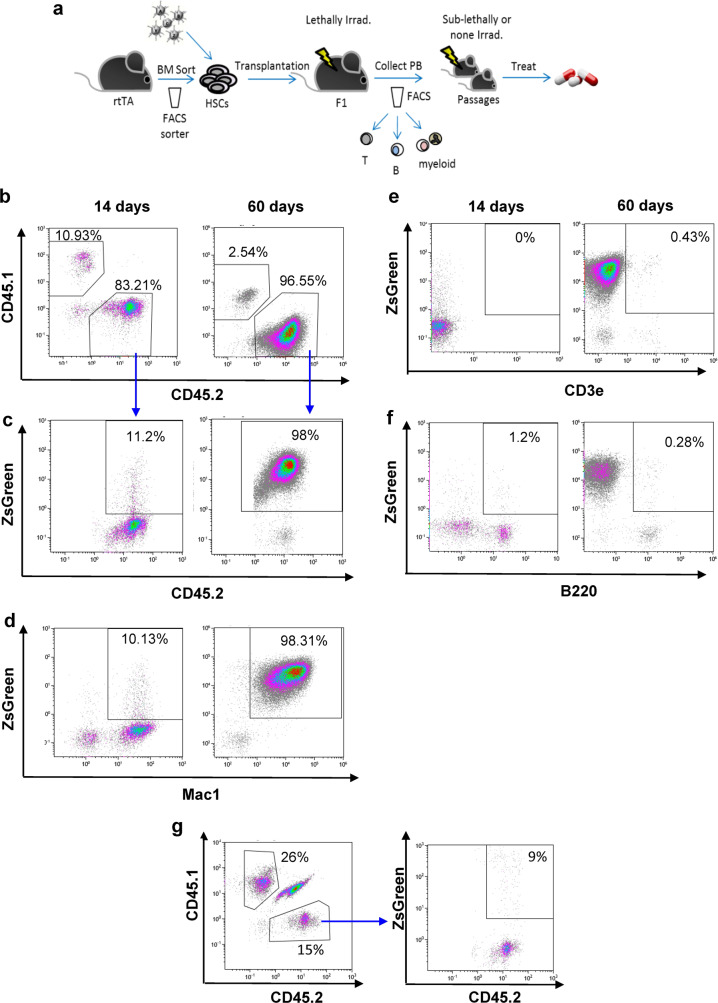
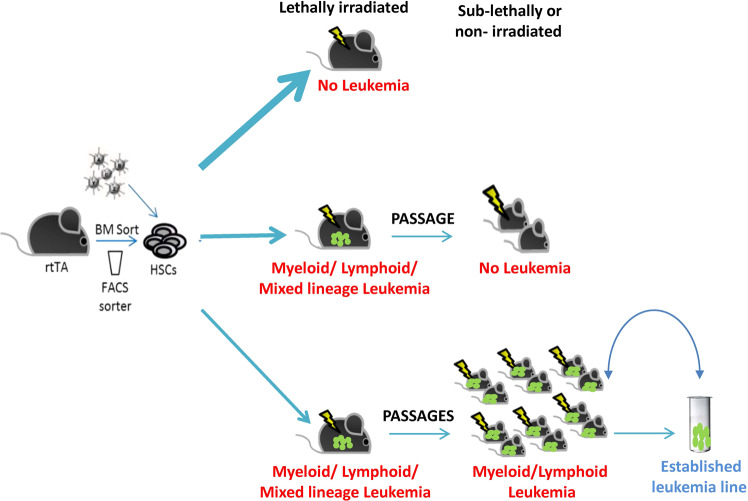
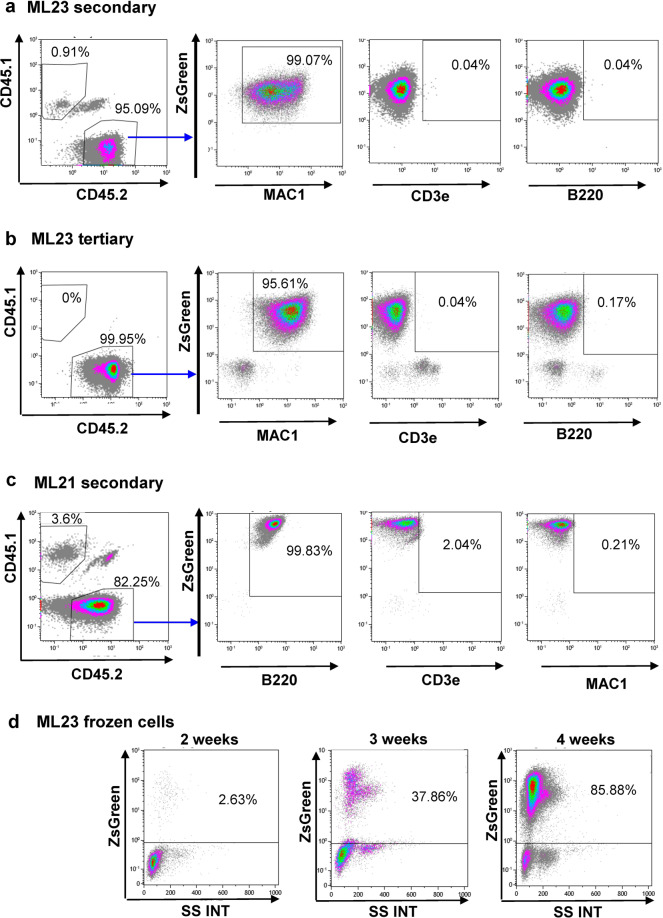
Animal models are necessary to study cancer and develop treatments. After decades of intensive research, effective treatments are available for only a few types of leukemia, while others are currently incurable. Our goal was to generate novel leukemia models in immunocompetent mice. We had achieved abilities for overexpression of multiple driving oncogenes simultaneously in normal primary cells, which can be transplanted and followed in vivo. Our experiments demonstrated the induction of primary malignant growth. Leukemia lines that model various types of leukemia, such as acute myeloid leukemia (AML) or chronic lymphocytic leukemia (CLL), were passaged robustly in congenic wild-type immunocompetent mice. These novel leukemia lines, which may complement previous models, offer the flexibility to generate tailored models of defined oncogenes of interest. The characterization of our leukemia models in immunocompetent animals can uncover the mechanisms of malignancy progression and offer a unique opportunity to stringently test anti-cancer chemotherapies.
动物模型对于癌症研究和治疗开发是必要的。经过几十年的深入研究,只有少数几种白血病有有效的治疗方法,而其他白血病目前还无法治愈。我们的目标是在免疫功能正常的小鼠中生成新型白血病模型。我们已经能够在正常的原代细胞中同时过表达多个驱动致癌基因,这些细胞可以被移植并在体内进行跟踪。我们的实验证明了诱导原发性恶性生长的能力。能够模拟各种类型白血病(如急性髓系白血病[AML]或慢性淋巴细胞白血病[CLL])的白血病系在同基因野生型免疫功能正常的小鼠中稳健地传代。这些新型白血病系可能补充以前的模型,提供生成定制的感兴趣的特定致癌基因模型的灵活性。在免疫功能正常的动物中对我们的白血病模型进行表征,可以揭示恶性进展的机制,并为严格测试抗癌化疗药物提供独特的机会。