Nie Daibang, Zhang Jianying, Zhou Yiqin, Sun Jiuyi, Wang Wang, Wang James H-C
Department of Immunology, College of Basic Medicine, Chongqing Medical University, Chongqing, China.
MechanoBiology Laboratory, Department of Orthopaedic Surgery, University of Pittsburgh School of Medicine, Pittsburgh, PA, USA.
Stem Cells Int. 2021 Feb 1;2021:6638249. doi: 10.1155/2021/6638249. eCollection 2021.
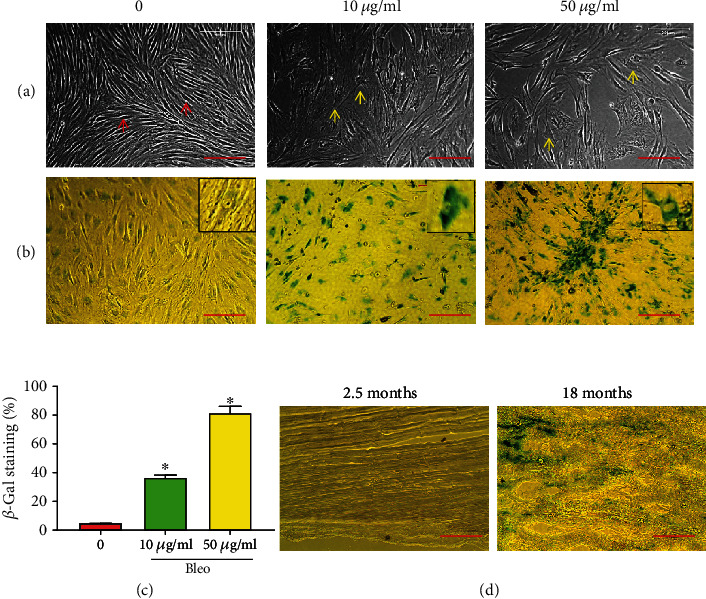
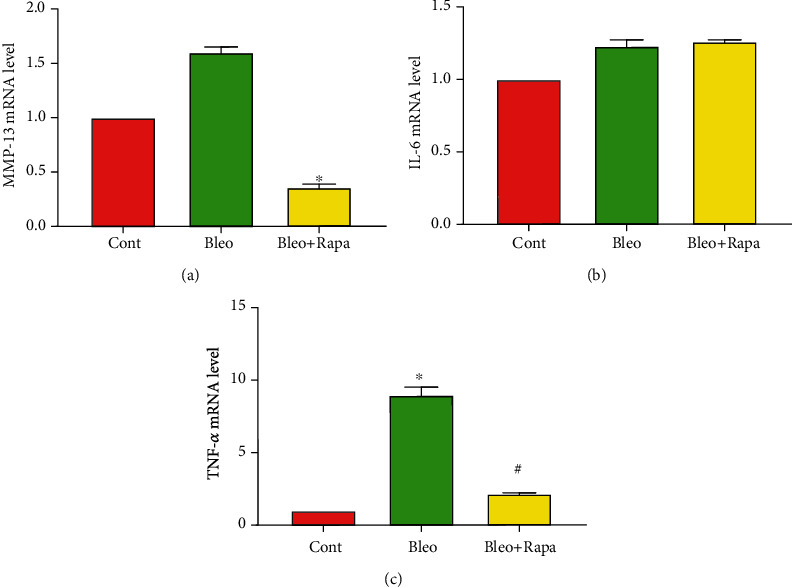
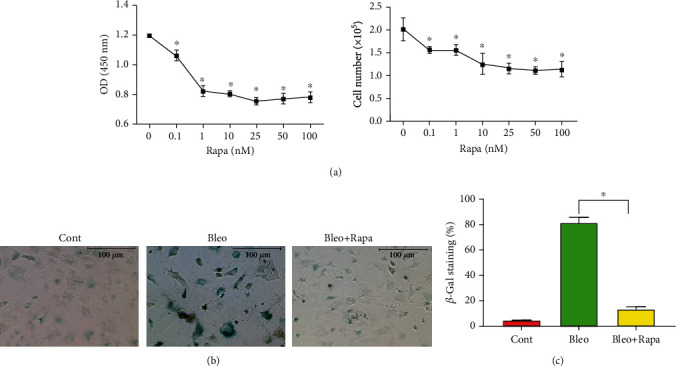
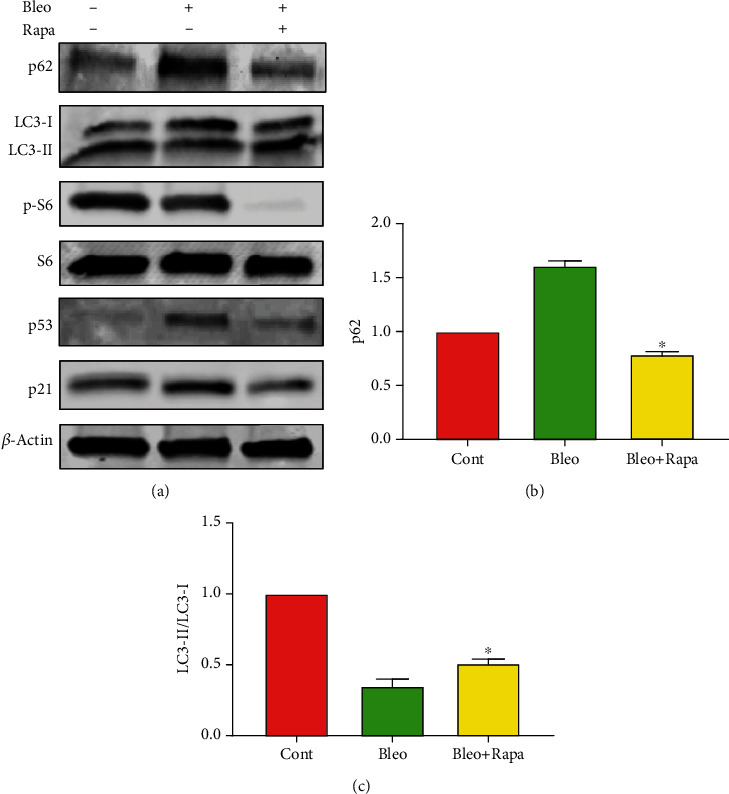
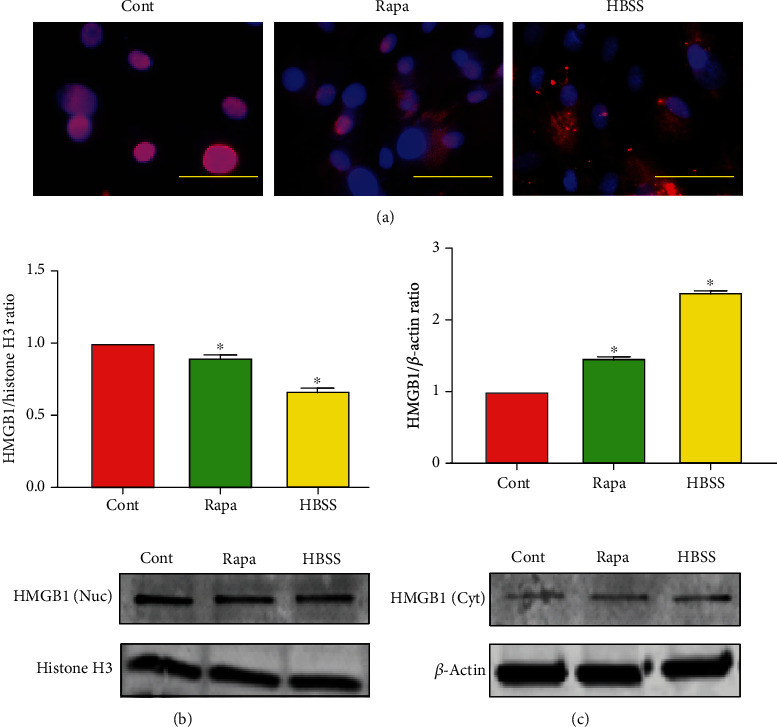
The elderly population is prone to tendinopathy due to aging-related tendon changes such as cellular senescence and a decreased ability to modulate inflammation. Aging can render tendon stem/progenitor cells (TSCs) into premature senescence. We investigated the effects of rapamycin, a specific mTOR inhibitor, on the senescence of TSCs. We first showed that after treatment with bleomycin in vitro, rat patellar TSCs (PTSCs) underwent senescence, characterized by morphological alterations, induction of senescence-associated -galactosidase (SA--gal) activity, and an increase in p53, p21, and p62 protein expression. Senescence of PTSCs was also characterized by the elevated expression of MMP-13 and TNF- genes, both of which are molecular hallmarks of chronic tendinopathy. We then showed that rapamycin treatment was able to reverse the above senescent phenotypes and increase autophagy in the senescent PTSCs. The activation of autophagy and senescence rescue was, at least partly, due to the translocation of HMGB1 from the nucleus to the cytosol that functions as an autophagy promoter. By reducing TSC senescence, rapamycin may be used as a therapeutic to inhibit tendinopathy development in the aging population by promoting autophagy.
由于与衰老相关的肌腱变化,如细胞衰老和调节炎症能力下降,老年人群容易患肌腱病。衰老会使肌腱干/祖细胞(TSCs)过早衰老。我们研究了特异性mTOR抑制剂雷帕霉素对TSCs衰老的影响。我们首先表明,体外经博来霉素处理后,大鼠髌腱干/祖细胞(PTSCs)发生衰老,其特征为形态改变、衰老相关β-半乳糖苷酶(SA-β-gal)活性诱导以及p53、p21和p62蛋白表达增加。PTSCs的衰老还表现为MMP-13和TNF-基因表达升高,这两者都是慢性肌腱病的分子标志。然后我们表明,雷帕霉素处理能够逆转上述衰老表型,并增加衰老PTSCs中的自噬。自噬的激活和衰老挽救至少部分归因于高迁移率族蛋白B1(HMGB1)从细胞核向细胞质的转位,其作为自噬促进剂发挥作用。通过减少TSCs衰老,雷帕霉素可作为一种治疗方法,通过促进自噬来抑制老年人群肌腱病的发展。