Ouyang Mao, Ito Yuka, Tokunaga Tomochika
Department of Environment Systems, The University of Tokyo, Kashiwa, 277-8563, Japan.
Sci Rep. 2021 Feb 19;11(1):4269. doi: 10.1038/s41598-021-83309-7.
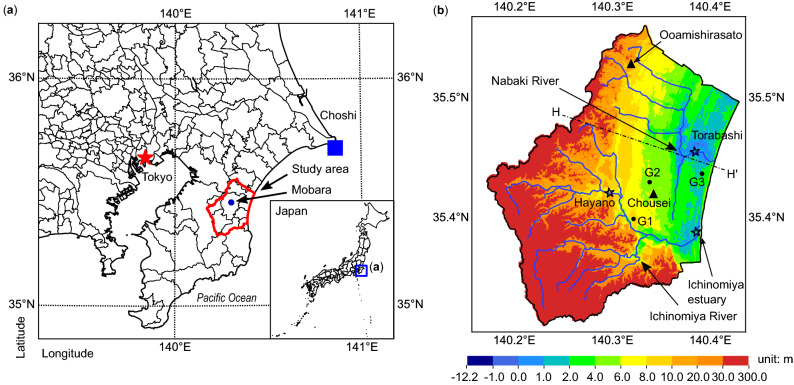
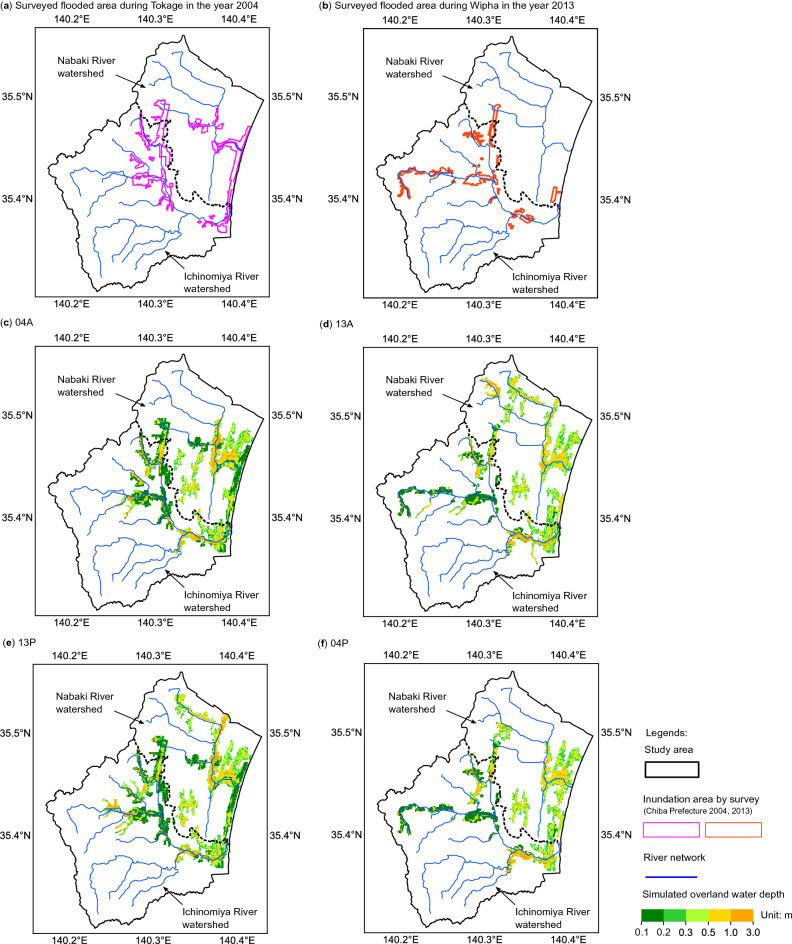
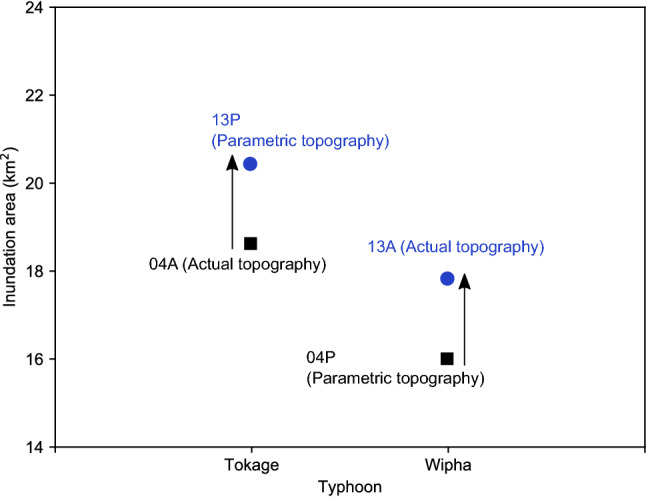
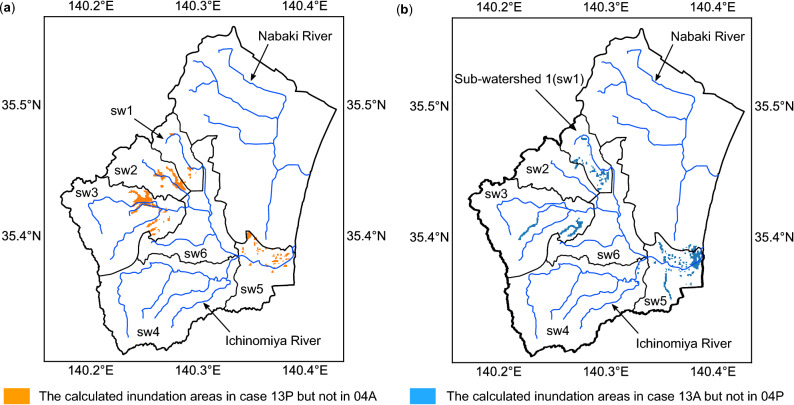
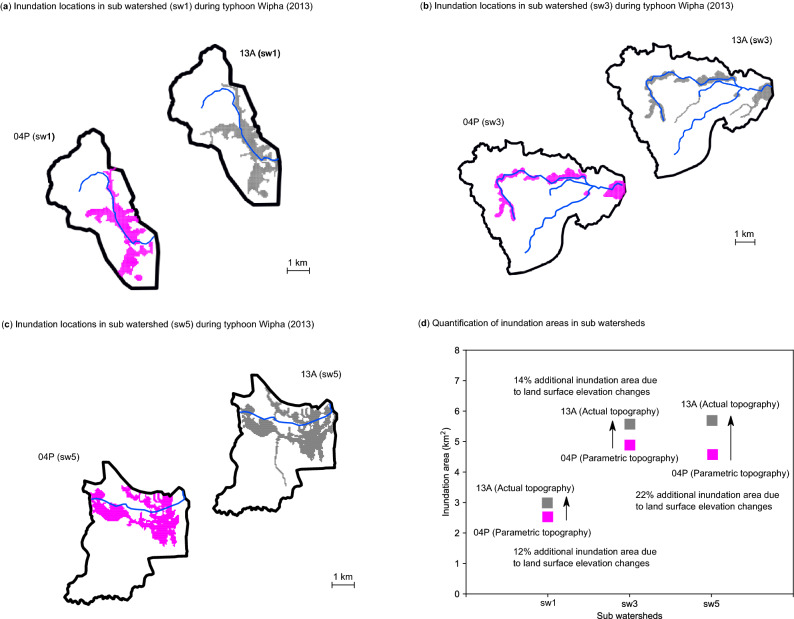
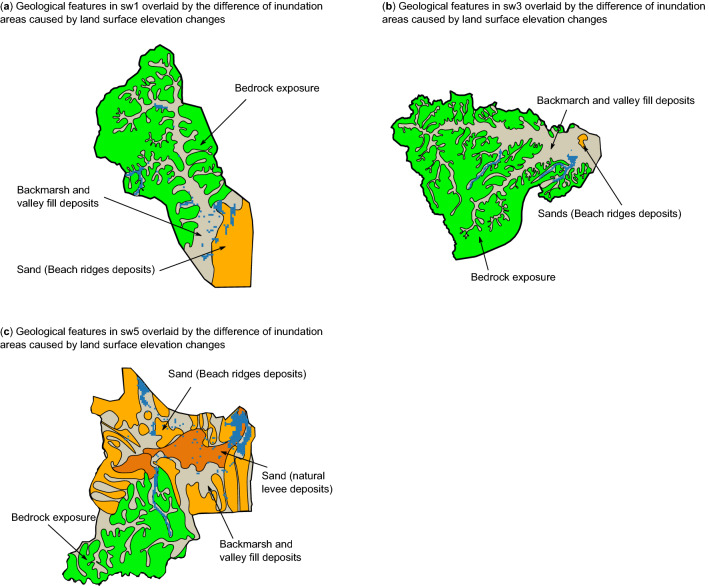
Current estimates of flood hazards are often based on the assumption that topography is static. When tectonic and/or anthropogenic processes change the land surface elevation, the spatial patterns of floods might also change. Here, we employ the hydrological and hydraulic modeling to simulate floods in the Kujukuri Plain, Japan, in the years 2004 and 2013, when two severe floods occurred. In between the two floods, land surface elevations were changed by the 2011 Tohoku-Oki earthquake. The effects of land surface elevation changes on inundation areas were quantified by changing input topographies. Our results showed that, without taking into account land surface elevation changes, around 10% of inundation areas were underestimated at the time of flood events in the year 2013. The spatial distribution of inundation locations varied with local topographical features, for example, the areas with backmarsh and valley fill deposits were sensitive to the extent of inundation by land surface elevation changes. The sub-watershed near the coastal shoreline having below-zero meter elevation areas showed that the earthquake-induced land surface elevation changes exacerbated an additional 22% inundation area. This study suggests that the inundation areas will increase in catchments suffering severe settlements, which highlights the necessity of taking into account the spatio-temporal changes of land surface elevations on the assessment of flood hazards.
目前对洪水灾害的估计通常基于地形是静态的这一假设。当构造和/或人为过程改变陆地表面高程时,洪水的空间格局也可能发生变化。在此,我们利用水文和水力模型来模拟日本九十九里平原在2004年和2013年发生两次严重洪水时的洪水情况。在这两次洪水之间,陆地表面高程因2011年东北地震而发生了变化。通过改变输入地形来量化陆地表面高程变化对淹没区域的影响。我们的结果表明,如果不考虑陆地表面高程变化,在2013年洪水事件发生时,约10%的淹没区域被低估。淹没位置的空间分布随局部地形特征而变化,例如,有河漫滩和谷底沉积物的区域对陆地表面高程变化引起的淹没范围很敏感。沿海岸线附近海拔低于零米区域的子流域表明,地震引起的陆地表面高程变化使淹没面积额外增加了22%。这项研究表明,在遭受严重沉降的集水区,淹没面积将会增加,这突出了在评估洪水灾害时考虑陆地表面高程时空变化的必要性。