Zhao Qianqian, Zhong Jie, Lu Ping, Feng Xiao, Han Ying, Ling Chenqi, Guo Wenke, Zhou Weijin, Yu Fudong
NHC Key Laboratory of Reproduction Regulation (Shanghai Institute of Planned Parenthood Research), Public Health School, Fudan University, Shanghai, China.
Department of Gynecology, Shidong Hospital, Yangpu District, Shanghai, China.
PPAR Res. 2021 Feb 3;2021:6629842. doi: 10.1155/2021/6629842. eCollection 2021.
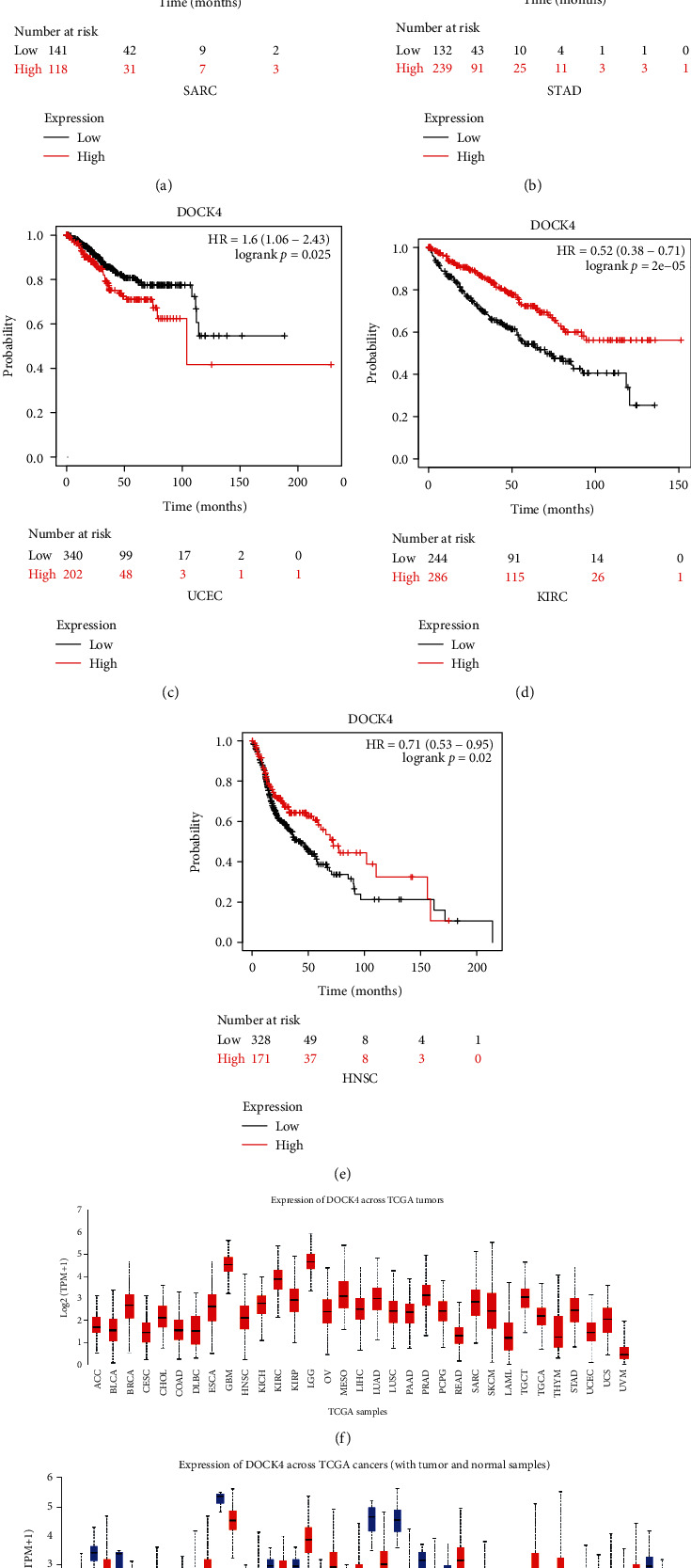
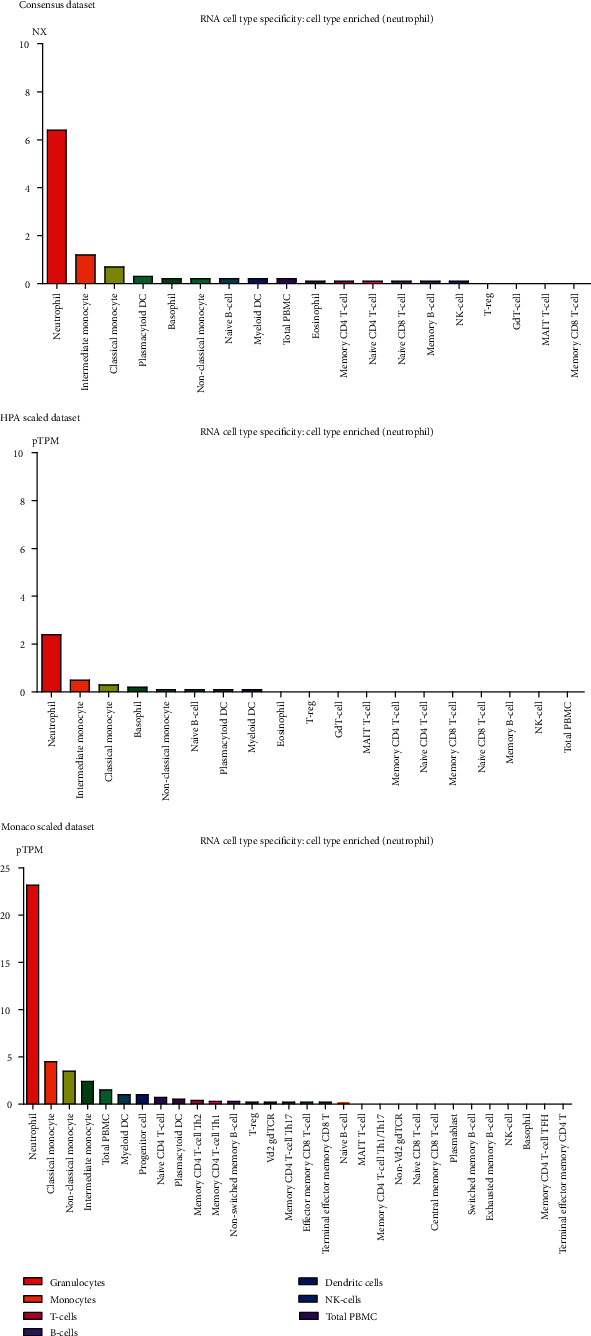
Ovarian carcinoma (OV) is a lethal gynecological malignancy. Most OV patients develop resistance to platinum-based chemotherapy and recurrence. Peroxisome proliferator-activated receptors (PPARs) are the ligand activating transcription factor of the nuclear receptor superfamily. PPARs as important transcriptional regulators regulate important physiological processes such as lipid metabolism, inflammation, and wound healing. Several reports point out that PPARs can also have an effect on the sensitivity of tumor cells to platinum-based chemotherapy drugs. However, the role of PPAR-target related genes (PPAR-TRGs) in chemotherapeutic resistance of OV remains unclear. The present study is aimed at optimizing candidate genes by integrating platinum-chemotherapy expression data and PPAR family genes with their targets. The gene expression profiles were obtained from Gene Expression Omnibus (GEO) and The Cancer Genome Atlas (TCGA) database. A total of 4 genes (, , , and ) were the candidate differentially expressed genes (DEGs) of PPAR-TRGs with platinum chemosensitivity. After conducting numerous survival analyses using different cohorts, we found that only the upexpression of has important significance with the poor prognosis of OV patients. Meanwhile, is detected in plasma and enriched in neutrophil and monocyte cells of the blood. We further found that there were significant correlations between expression and the levels of CD4+ T cell infiltration, dendritic cell infiltration, and neutrophil infiltration in OV. In addition, we verified the expression level of in OV cell lines treated with platinum drugs and found that is potentially responsive to platinum drugs. In conclusion, is potentially associated with immune cell infiltration and represents a valuable prognostic biomarker in ovarian cancer patients.
卵巢癌(OV)是一种致命的妇科恶性肿瘤。大多数OV患者会对铂类化疗产生耐药性并复发。过氧化物酶体增殖物激活受体(PPARs)是核受体超家族的配体激活转录因子。PPARs作为重要的转录调节因子,调控脂质代谢、炎症和伤口愈合等重要生理过程。有几份报告指出,PPARs也可对肿瘤细胞对铂类化疗药物的敏感性产生影响。然而,PPAR靶标相关基因(PPAR-TRGs)在OV化疗耐药中的作用仍不清楚。本研究旨在通过整合铂类化疗表达数据以及PPAR家族基因及其靶标来优化候选基因。基因表达谱来自基因表达综合数据库(GEO)和癌症基因组图谱(TCGA)数据库。共有4个基因(、、、和)是具有铂类化疗敏感性的PPAR-TRGs的候选差异表达基因(DEGs)。在使用不同队列进行多次生存分析后,我们发现只有的上调对OV患者的不良预后具有重要意义。同时,在血浆中检测到,并且在血液的中性粒细胞和单核细胞中富集。我们进一步发现,在OV中,的表达与CD4 + T细胞浸润、树突状细胞浸润和中性粒细胞浸润水平之间存在显著相关性。此外,我们验证了用铂类药物处理的OV细胞系中的表达水平,发现可能对铂类药物有反应。总之,可能与免疫细胞浸润相关,并且是卵巢癌患者中有价值的预后生物标志物。