Ma Kevin K, Yuan Amy, Sharifi Sina, Pineda Roberto
From the Department of Ophthalmology, Massachusetts Eye and Ear, Harvard Medical School, Boston, Massachusetts, USA.
Department of Ophthalmology, University of Washington, Seattle, Washington, USA.
Am J Ophthalmol. 2021 Jul;227:45-52. doi: 10.1016/j.ajo.2021.02.021. Epub 2021 Feb 22.
Flanged intrascleral haptic fixation (FISHF) is a useful method for securing intraocular lenses (IOLs) in eyes without capsular support. Biomechanical studies were conducted to support the use of this technique.
Laboratory investigation.
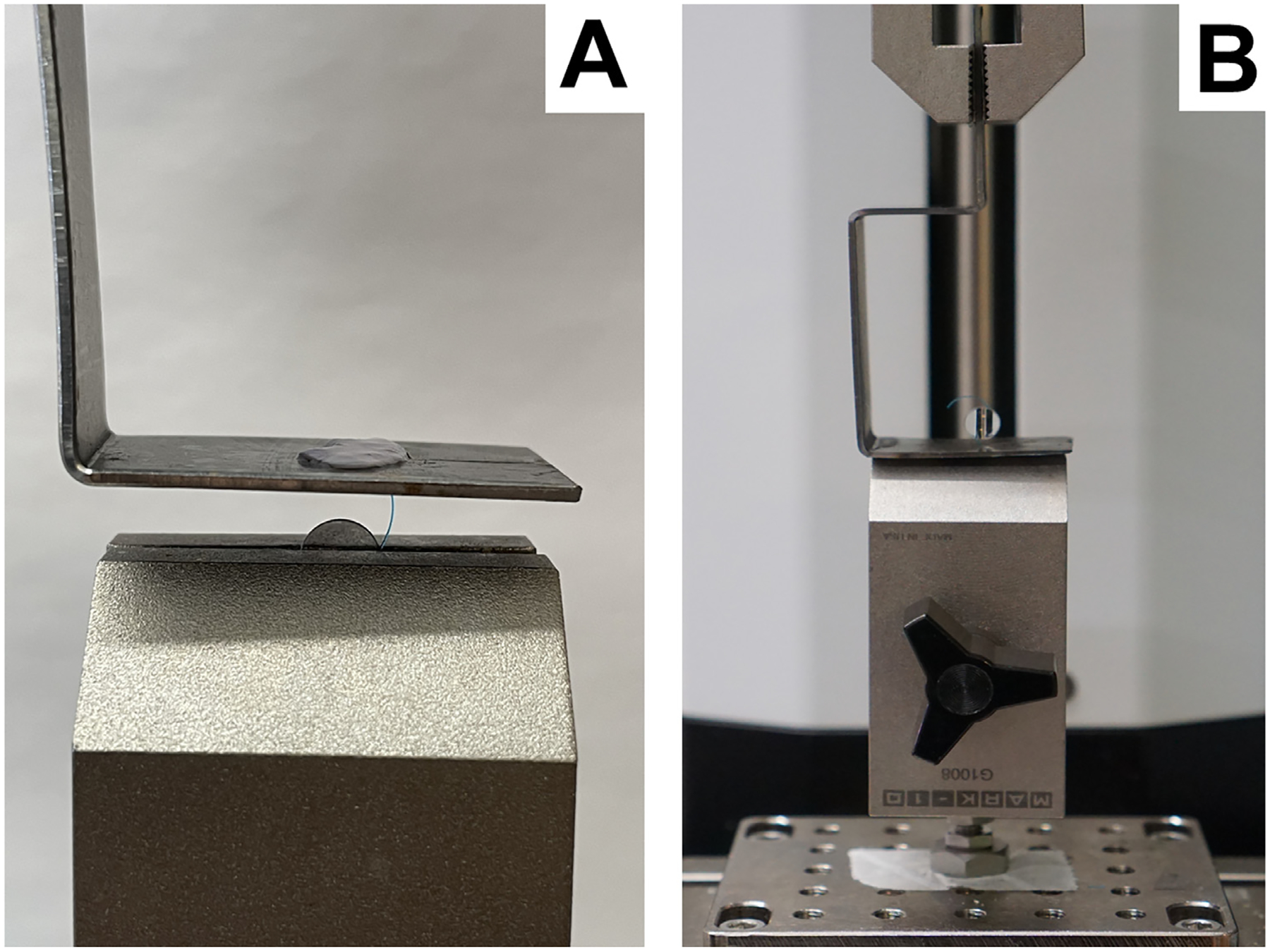
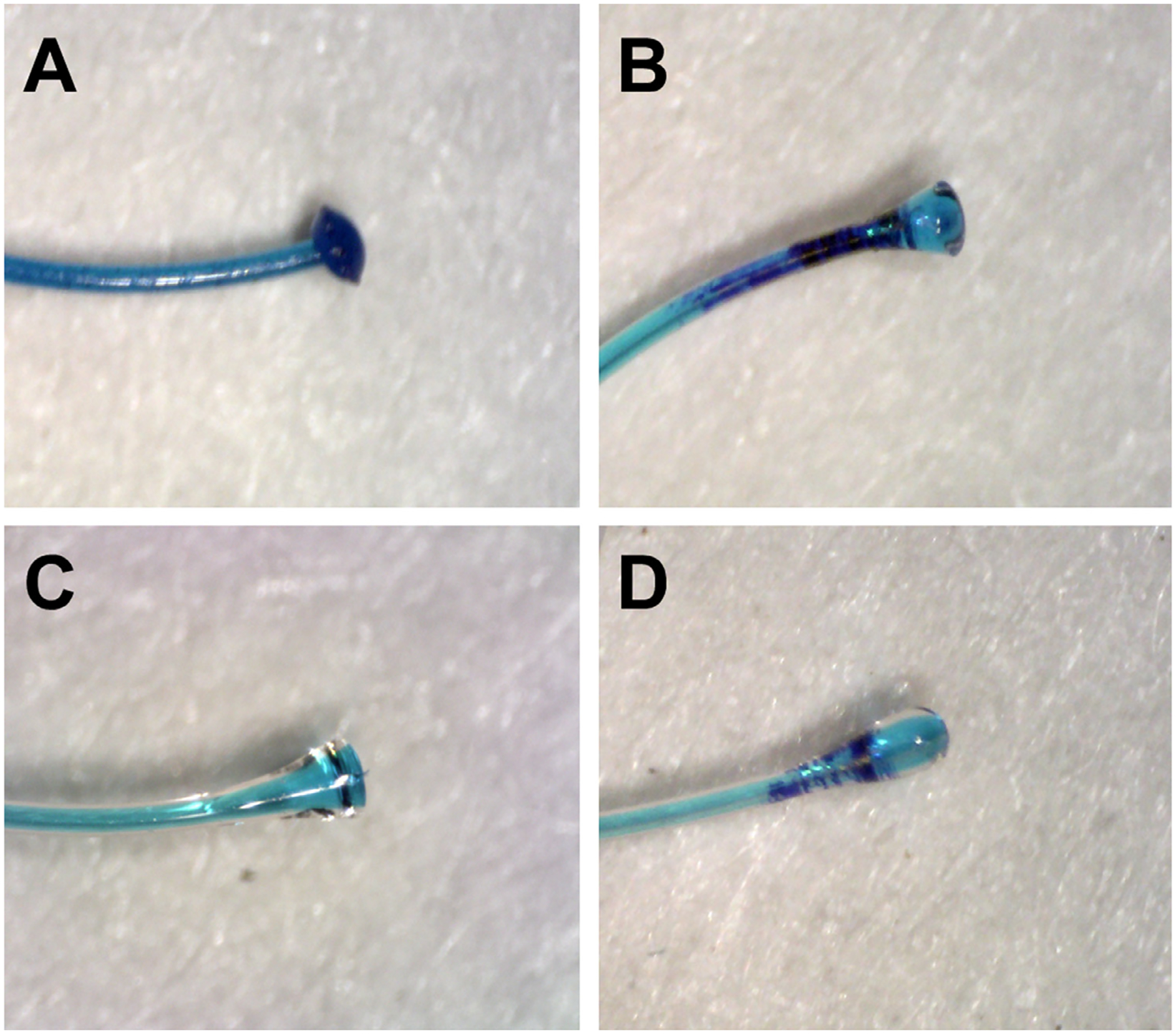
Haptics of 3-piece IOLs were passed through cadaveric human sclera using 30- and 27-gauge needles. Flanges were created by melting 1.0 mm from the haptic ends using cautery. The forces required to remove the flanged haptic from the sclera and disinsert the haptic from the optic were measured using a mechanical tester and a custom-fabricated mount.
The mean FISHF dislocation force using 30-gauge needles was greatest with the CT Lucia 602 (2.04 ± 0.24 newtons [N]) compared to the LI61AO (0.93 ± 0.41 N; P = .001), ZA9003 (0.70 ± 0.34 N; P = <.001), and MA60AC (0.27 ± 0.19 N; P <.001). Using 27-gauge needles with the CT Lucia resulted in a lower dislocation force (0.56 ± 0.36 N; P <.001). The FISHF dislocation force was correlated with the flange-to-needle diameter ratio (r = 0.975). The FISHF dislocation forces of the CT Lucia and LI61AO using 30-gauge needles were not significantly different from their haptic-optic disinsertion forces (P = .79 and .27, respectively). There were no differences in flange diameters between 1.0 mm and 2.0 mm haptic melt lengths across the IOLs (P = .15-.85).
These data strongly support the biomechanical stability of FISHF with the polyvinylidene fluoride haptics of the CT Lucia using small diameter instruments for the creation of an intrascleral tunnel. 1.0 mm of haptic may be the optimal melt length.
带凸缘巩膜内固定襻(FISHF)是在无晶状体囊支持的眼中固定人工晶状体(IOL)的一种有用方法。进行了生物力学研究以支持该技术的应用。
实验室研究。
使用30号和27号针头将三件式IOL的襻穿过尸体人巩膜。通过烧灼从襻末端熔化1.0毫米来制作凸缘。使用机械测试仪和定制安装架测量将带凸缘的襻从巩膜中取出以及将襻从光学部脱位所需的力。
与LI61AO(0.93±0.41牛顿[N];P = 0.001)、ZA9003(0.70±0.34 N;P = <0.001)和MA60AC(0.27±0.19 N;P <0.001)相比,使用30号针头时,CT Lucia 型人工晶状体的平均FISHF脱位力最大(2.04±0.24 N)。使用27号针头时,CT Lucia型人工晶状体的脱位力较低(0.56±0.36 N;P <0.001)。FISHF脱位力与凸缘与针头直径比相关(r = 0.975)。使用30号针头时,CT Lucia型和LI61AO型人工晶状体的FISHF脱位力与其襻 - 光学部脱位力无显著差异(分别为P = 0.79和0.27)。在不同人工晶状体中,襻熔化长度为1.0毫米和2.0毫米时,凸缘直径无差异(P = 0.15 - 0.85)。
这些数据有力地支持了使用小直径器械为CT Lucia型人工晶状体的聚偏二氟乙烯襻创建巩膜内隧道时FISHF的生物力学稳定性。1.0毫米的襻熔化长度可能是最佳长度。