Department of Psychology, University of Cambridge, Cambridge, United Kingdom; Behavioural and Clinical Neuroscience Institute, University of Cambridge, Cambridge, United Kingdom.
Department of Psychology, University of Cambridge, Cambridge, United Kingdom; Behavioural and Clinical Neuroscience Institute, University of Cambridge, Cambridge, United Kingdom; Department of Psychology, Leiden University, Leiden, the Netherlands.
Biol Psychiatry Cogn Neurosci Neuroimaging. 2021 May;6(5):590-598. doi: 10.1016/j.bpsc.2020.12.012. Epub 2021 Jan 12.
Responding emotionally to danger is critical for survival. Normal functioning also requires flexible alteration of emotional responses when a threat becomes safe. Aberrant threat and safety learning occur in many psychiatric disorders, including posttraumatic stress disorder, obsessive-compulsive disorder, and schizophrenia, in which emotional responses can persist pathologically. While there is evidence that threat and safety learning can be modulated by the serotonin systems, there have been few studies in humans. We addressed a critical clinically relevant question: How does lowering serotonin affect memory retention of conditioned threat and safety memory?
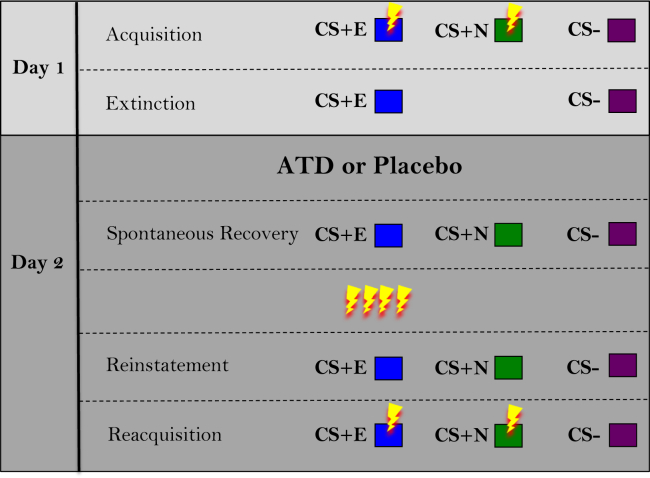
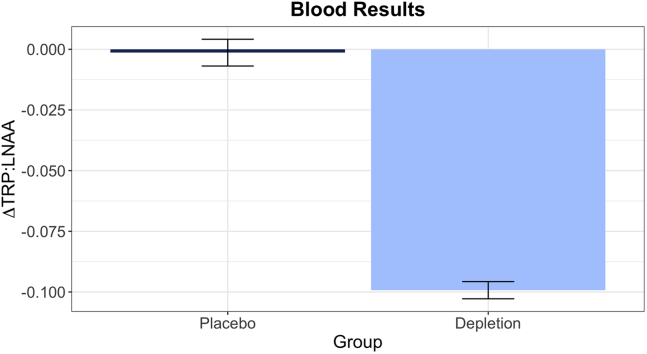
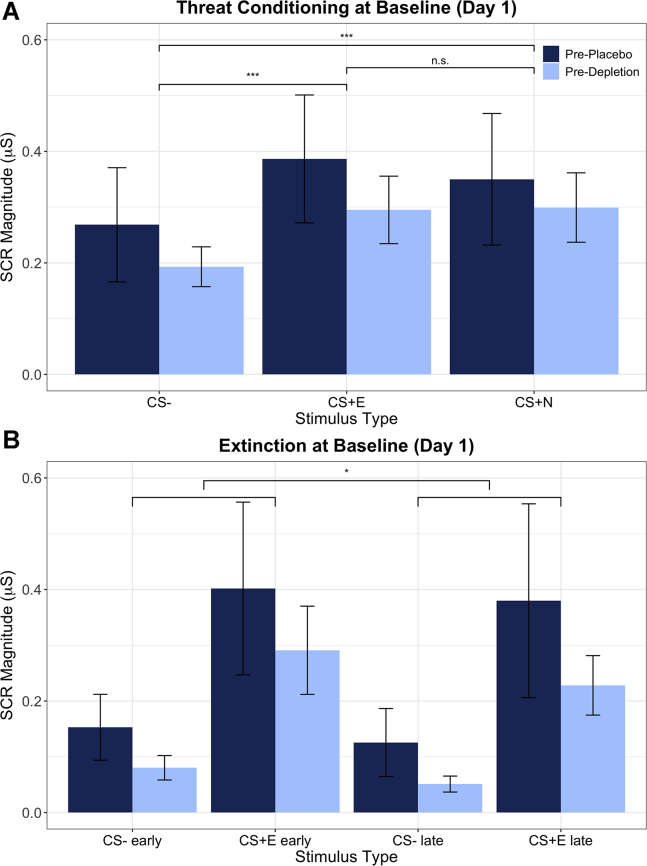
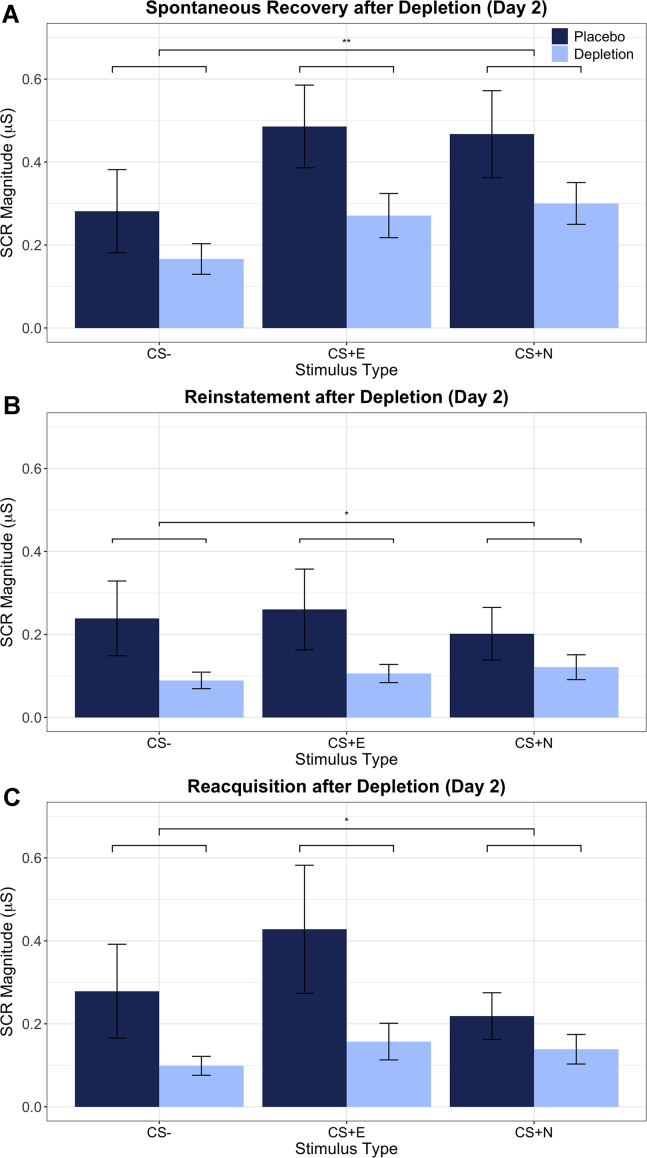
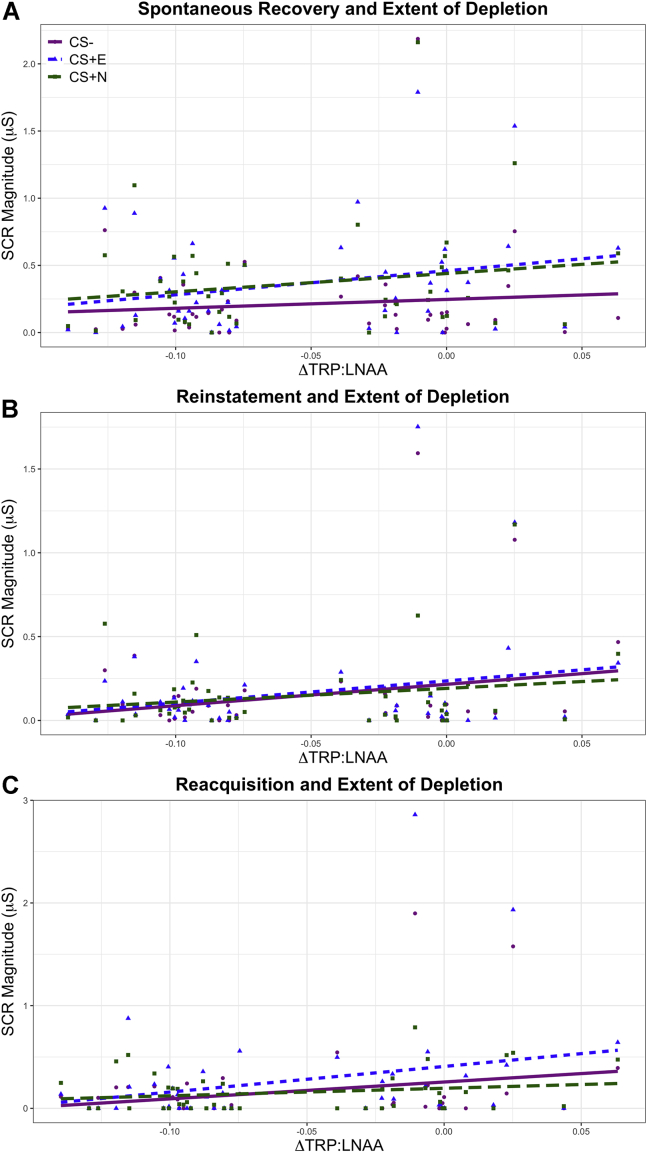
Forty-seven healthy participants underwent conditioning to two stimuli predictive of threat on day 1. One stimulus but not the other was subsequently presented in an extinction session. Emotional responding was assessed by the skin conductance response. On day 2, we employed acute dietary tryptophan depletion to lower serotonin temporarily, in a double-blind, placebo-controlled, randomized between-groups design. We then tested for the retention of conditioned threat and extinction memory. We also measured self-reported intolerance of uncertainty, known to modulate threat memory expression.
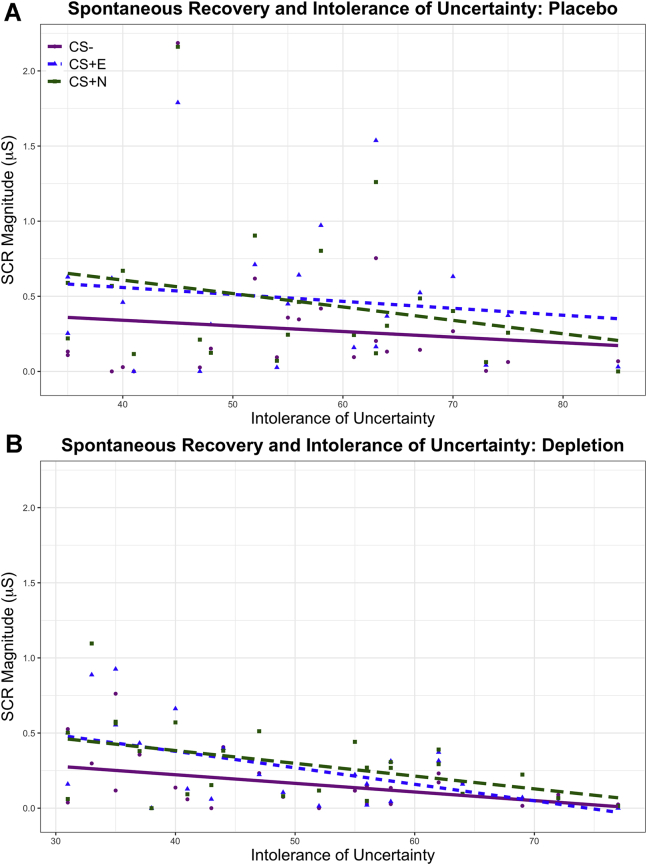
The expression of emotional memory was attenuated in participants who had undergone tryptophan depletion. Individuals who were more intolerant of uncertainty showed even greater attenuation of emotion following depletion.
These results support the view that serotonin is involved in predicting aversive outcomes and refine our understanding of the role of serotonin in the persistence of emotional responsivity, with implications for individual differences in vulnerability to psychopathology.
对危险做出情绪反应对生存至关重要。正常功能还要求在威胁变得安全时,灵活改变情绪反应。许多精神疾病中都会出现异常的威胁和安全学习,包括创伤后应激障碍、强迫症和精神分裂症,其中情绪反应可能会病理性地持续存在。虽然有证据表明,威胁和安全学习可以被 5-羟色胺系统调节,但在人类中很少有研究。我们解决了一个关键的临床相关问题:降低 5-羟色胺如何影响条件性威胁和安全记忆的记忆保留?
47 名健康参与者在第 1 天接受了两种预测威胁的刺激的条件作用。其中一个刺激但不是另一个刺激随后在消退阶段呈现。皮肤电反应评估情绪反应。在第 2 天,我们采用急性饮食色氨酸耗竭在双盲、安慰剂对照、随机分组设计中暂时降低 5-羟色胺。然后,我们测试了条件性威胁和消退记忆的保留情况。我们还测量了已知调节威胁记忆表达的不可容忍不确定性的自我报告。
在经历色氨酸耗竭的参与者中,情绪记忆的表达减弱了。在耗竭后,不可容忍不确定性的个体表现出更大的情绪衰减。
这些结果支持了 5-羟色胺参与预测厌恶结果的观点,并细化了我们对 5-羟色胺在情绪反应持续存在中的作用的理解,这对精神病理学易感性的个体差异具有影响。