State Key Laboratory of Oncogenes and Related Genes, Shanghai Cancer Institute, Renji Hospital, School of Medicine, Shanghai Jiao Tong University, Shanghai, 200032, China.
NHC Key Laboratory of Reproduction Regulation, (Shanghai Institute of Planned Parenthood Research), Fudan University, and Shanghai Engineer and Technology Research Center of Reproductive Health Drug and Devices, Shanghai, 200032, China.
J Nanobiotechnology. 2021 Feb 25;19(1):55. doi: 10.1186/s12951-021-00800-z.
Triple negative breast cancer (TNBC) is one of the most biologically aggressive breast cancers and lacks effective treatment options, resulting in a poor prognosis. Therefore, studies aiming to explore new therapeutic strategies for advanced TNBC are urgently needed. According to recent studies, microRNA-124 (miR124) not only inhibits tumour growth but also increases the sensitivity of TNBC to paclitaxel (PTX), suggesting that a platform combining PTX and miR124 may be an advanced solution for TNBC.
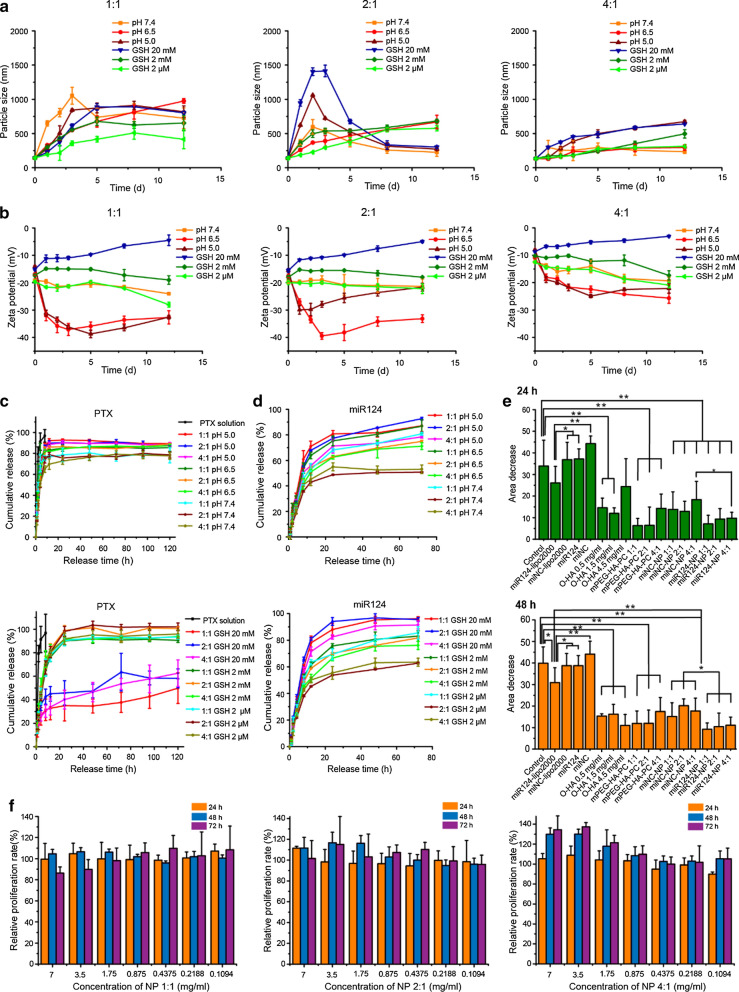
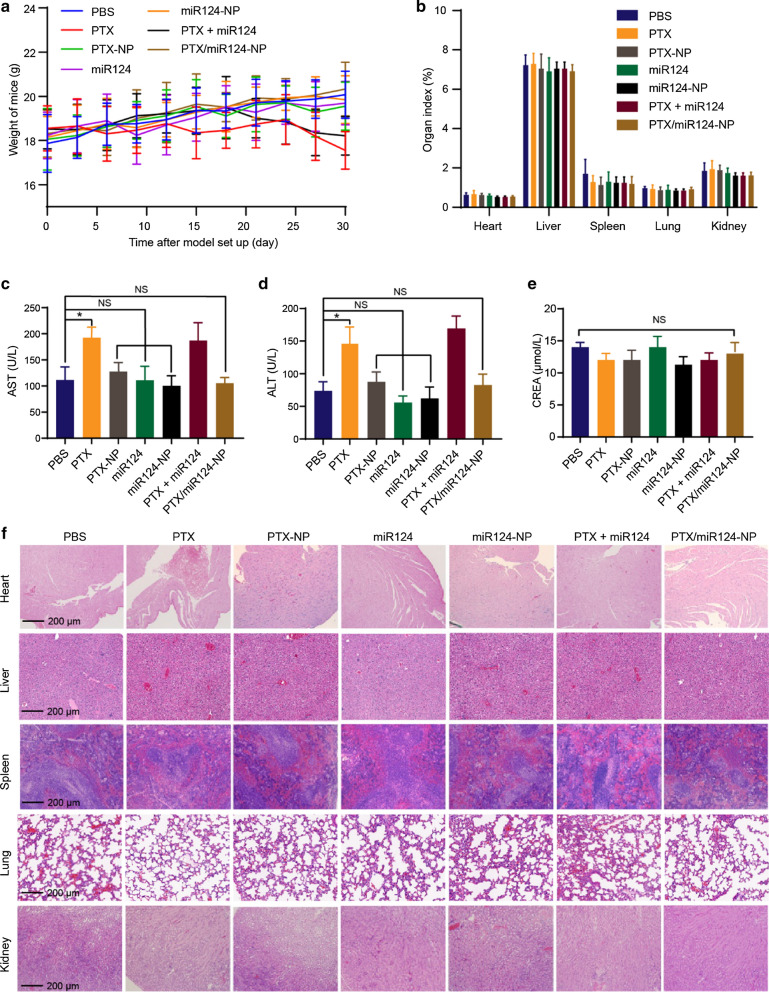
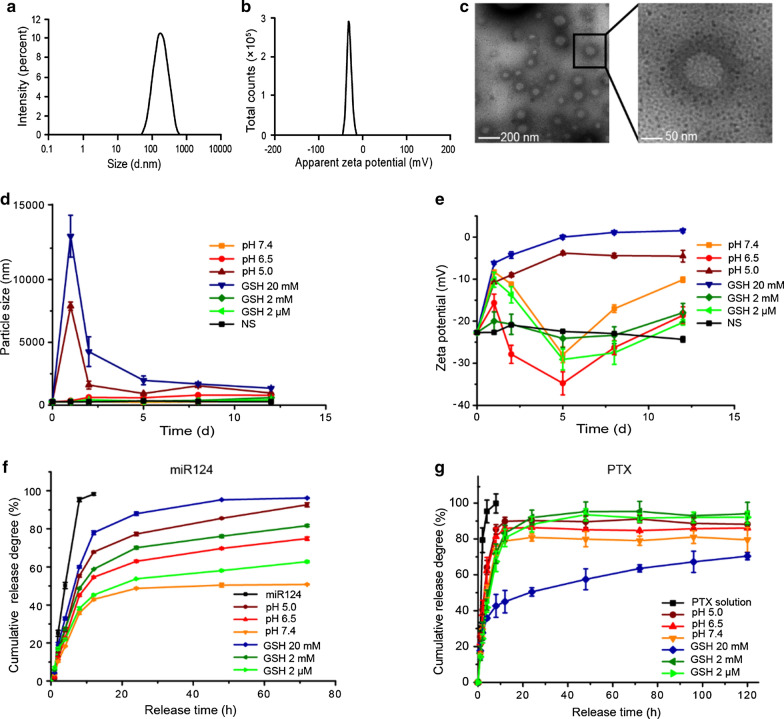
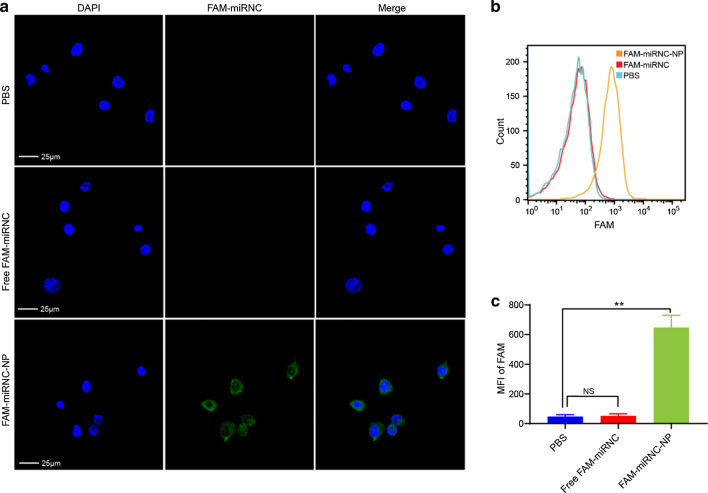
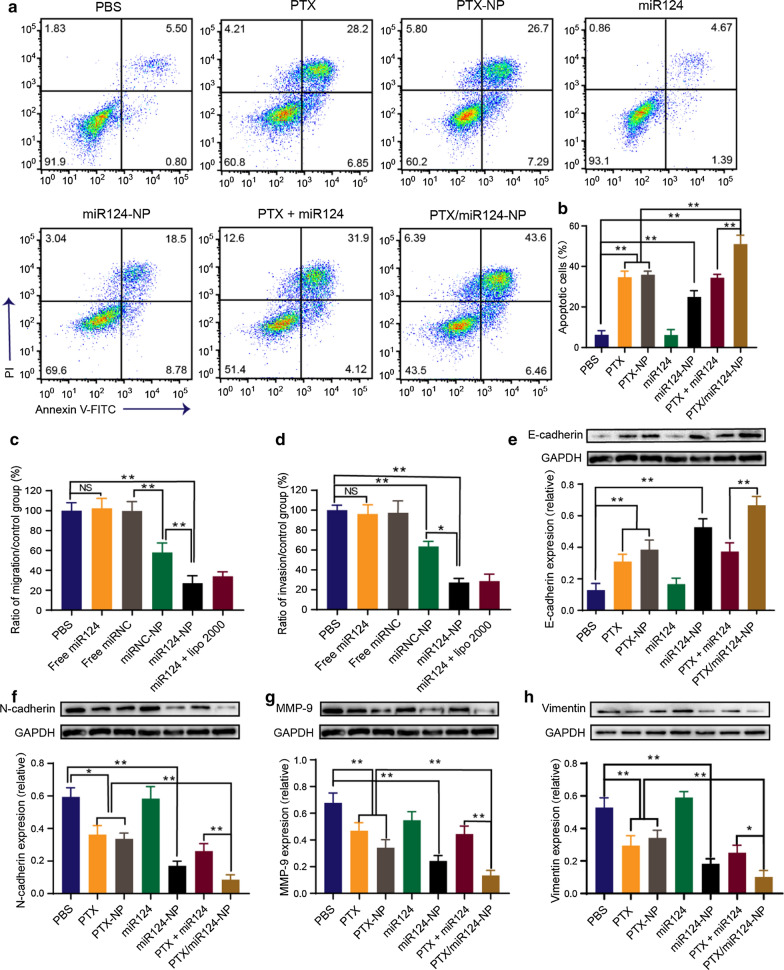
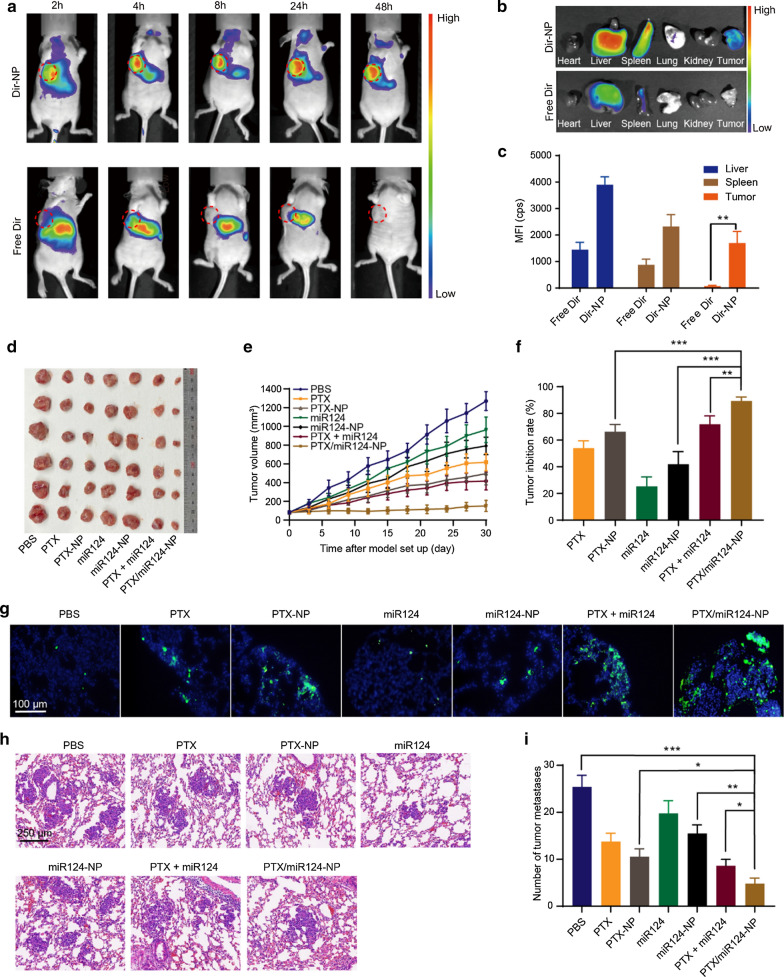
Herein, we constructed a stepped cleavable calcium phosphate composite lipid nanosystem (CaP/LNS) to codeliver PTX and miR124 (PTX/miR124-NP). PTX/miR124-NP exhibited superior tumor microenvironment responsive ability, in which the surface PEG layer was shed in the mildly acidic environment of tumor tissues and exposed oligomeric hyaluronic acid (o-HA) facilitated the cellular uptake of CaP/LNS by targeting the CD44 receptor on the surface of tumor cells. Inside tumour cells, o-HA detached from CaP/LNS due to the reduction of disulfide bonds by glutathione (GSH) and inhibited tumour metastasis. Then, PTX and miR124 were sequentially released from CaP/LNS and exerted synergistic antitumour effects by reversing the Epithelial-Mesenchymal Transition (EMT) process in MDA-MB-231 cells. Moreover, PTX/miR124-NP showed significant antitumour efficiency and excellent safety in mice bearing MDA-MB-231 tumours.
Based on these results, the codelivery of PTX and miR124 by the CaP/LNS nanosystem might be a promising therapeutic strategy for TNBC.
三阴性乳腺癌(TNBC)是生物学侵袭性最强的乳腺癌之一,缺乏有效的治疗选择,导致预后不良。因此,迫切需要研究探索治疗晚期 TNBC 的新治疗策略。根据最近的研究,miR124 不仅抑制肿瘤生长,还增加了 TNBC 对紫杉醇(PTX)的敏感性,这表明结合 PTX 和 miR124 的平台可能是治疗 TNBC 的一种先进方法。
本研究构建了一种阶梯式可裂解的磷酸钙复合脂质纳米系统(CaP/LNS),以共递送 PTX 和 miR124(PTX/miR124-NP)。PTX/miR124-NP 表现出优越的肿瘤微环境响应能力,其中聚乙二醇(PEG)层在肿瘤组织的微酸性环境中脱落,暴露的寡聚透明质酸(o-HA)通过靶向肿瘤细胞表面的 CD44 受体促进 CaP/LNS 的细胞摄取。在肿瘤细胞内,由于谷胱甘肽(GSH)还原二硫键,o-HA 从 CaP/LNS 上脱离,并通过逆转 MDA-MB-231 细胞中的上皮-间充质转化(EMT)过程抑制肿瘤转移。此外,PTX/miR124-NP 在携带 MDA-MB-231 肿瘤的小鼠中表现出显著的抗肿瘤效率和优异的安全性。
基于这些结果,CaP/LNS 纳米系统共递送 PTX 和 miR124 可能是治疗 TNBC 的一种有前途的治疗策略。