Sprague Andrew L, Couppé Christian, Pohlig Ryan T, Snyder-Mackler Lynn, Silbernagel Karin Grävare
Department of Physical Therapy, University of Delaware, Newark, DE, USA.
Department of Biomechanics and Movement Science, University of Delaware, Newark, DE, USA.
Pilot Feasibility Stud. 2021 Feb 25;7(1):58. doi: 10.1186/s40814-021-00792-5.
Activity modification is a key component of patellar tendinopathy treatment but there is a lack of evidence guiding activity modification prescription. Use of activity modification in treatment studies has varied widely and the impact of those recommendations has not been directly investigated or compared. The purpose of this study was to assess (1) the feasibility of using pain-guided activity modification during treatment for patellar tendinopathy and (2) if our outcome measures are responsive to changes in tendon health over the course of treatment.
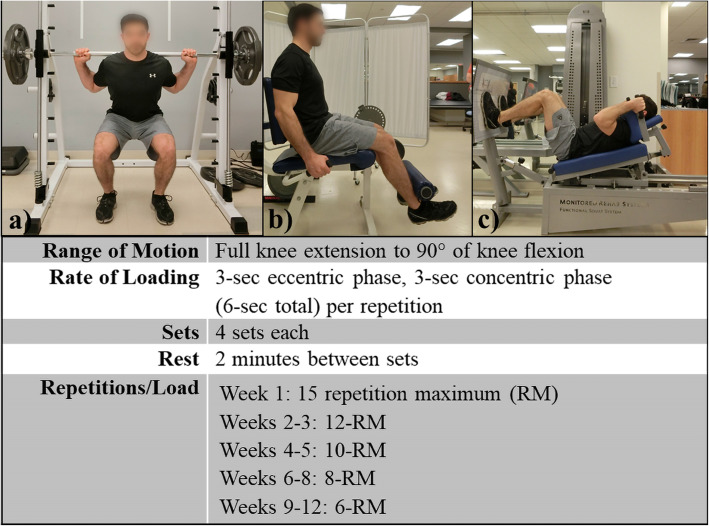
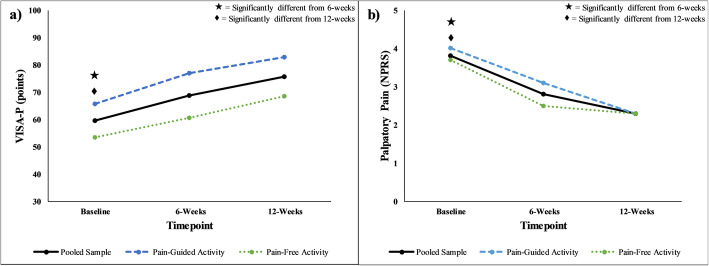
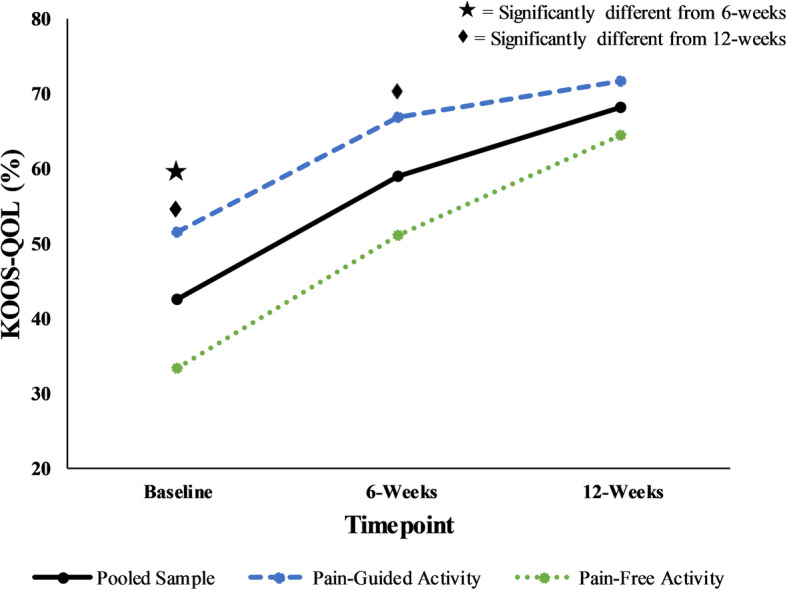
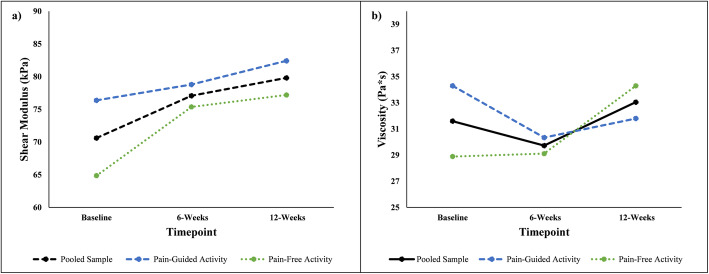
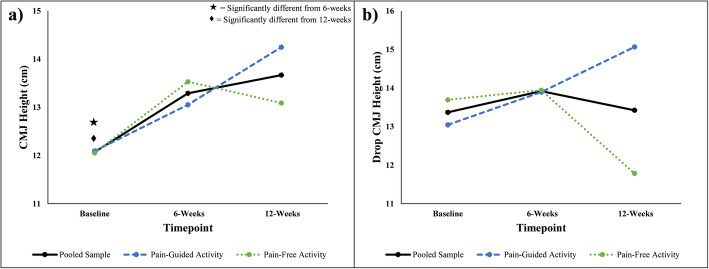
This was an unblinded, randomized two-arm pilot and feasibility study randomized clinical trial with parallel assignment, conducted in Newark, DE. Individuals between the ages of 16 and 40 years old with patellar tendinopathy were included. Participants were randomly assigned to a pain-guided activity (PGA) or pain-free activity (PFA) group using a spreadsheet-based randomization scheme. All participants received standardized treatment using a modified version of the heavy-slow resistance protocol 3×/week for 12 weeks. For the first 6 weeks, the PGA group used the Pain-Monitoring Model to guide activity outside of treatment and the PFA group was restricted from running, jumping, or activities that provoked their patellar tendon pain. Feasibility outcomes included recruitment, enrollment, randomization, compliance, and retention percentages. Clinical evaluations were conducted at baseline, 6, and 12 weeks to assess symptom severity, psychological factors, tendon morphology and mechanical properties, lower extremity function, and quadriceps muscle performance.
In a ~ 13-month period, 108 individuals were screened, 47/108 (43.5%) were eligible for participation, and 15/47 (32.0%) of those were enrolled (9 PGA, 6 PFA). The recruitment rate was 1.15 participants/month. The mean ± SD compliance with treatment was PGA: 86.1 ± 13.0% and PFA: 67.1 ± 30.7%. There was one missed evaluation session and two adverse events, which were not due to study interventions. Changes exceeding the smallest detectable change were observed for at least one outcome in each domain of tendon health.
Use of pain-guided activity modification during exercise therapy for patellar tendinopathy was found to be feasible, and the proposed outcome measures appropriate. Computer-based allocation concealment, blinding of evaluators, and greater recruitment of high-level athletes should be implemented in future trials.
ClinicalTrials.gov identifier: NCT03694730 . Registered 3 of October, 2018.
调整活动是髌腱病治疗的关键组成部分,但缺乏指导活动调整方案的证据。治疗研究中活动调整的使用差异很大,且这些建议的影响尚未得到直接研究或比较。本研究的目的是评估:(1)在髌腱病治疗期间使用疼痛引导的活动调整的可行性;(2)我们的结局指标是否能反映治疗过程中肌腱健康状况的变化。
这是一项在特拉华州纽瓦克进行的非盲、随机双臂试点及可行性研究,为平行分组的随机临床试验。纳入年龄在16至40岁之间的髌腱病患者。使用基于电子表格的随机方案将参与者随机分配至疼痛引导活动(PGA)组或无痛活动(PFA)组。所有参与者接受标准化治疗,采用改良版的重负荷慢速抗阻方案,每周3次,共12周。在最初6周,PGA组使用疼痛监测模型指导治疗外的活动,PFA组被限制跑步、跳跃或进行会引发髌腱疼痛的活动。可行性结局包括招募率、入组率、随机分组率、依从率和保留率。在基线、第6周和第12周进行临床评估,以评估症状严重程度、心理因素、肌腱形态和力学性能、下肢功能以及股四头肌表现。
在约13个月的时间里,筛查了108人,47/108(43.5%)符合参与条件,其中15/47(32.0%)入组(9人在PGA组,6人在PFA组)。招募率为每月1.15名参与者。治疗的平均依从率±标准差为PGA组:86.1±13.0%,PFA组:67.1±30.7%。有一次评估未进行,发生了两起不良事件,均与研究干预无关。在肌腱健康的每个领域中,至少有一项结局指标出现了超过最小可检测变化的改变。
发现在髌腱病运动治疗期间使用疼痛引导的活动调整是可行的,且所提议的结局指标是合适的。未来试验应采用基于计算机的分配隐藏、评估者盲法,并增加高水平运动员的招募。
ClinicalTrials.gov标识符:NCT03694730。于2018年10月3日注册。