Mouat Margaret A, Jackson Kristy L, Coleman James L J, Paterson Madeleine R, Graham Robert M, Head Geoffrey A, Smith Nicola J
Molecular Pharmacology Laboratory, Victor Chang Cardiac Research Institute, Sydney, NSW, Australia.
St Vincent's Clinical School, UNSW Sydney, Sydney, NSW, Australia.
Front Pharmacol. 2021 Feb 9;11:600266. doi: 10.3389/fphar.2020.600266. eCollection 2020.
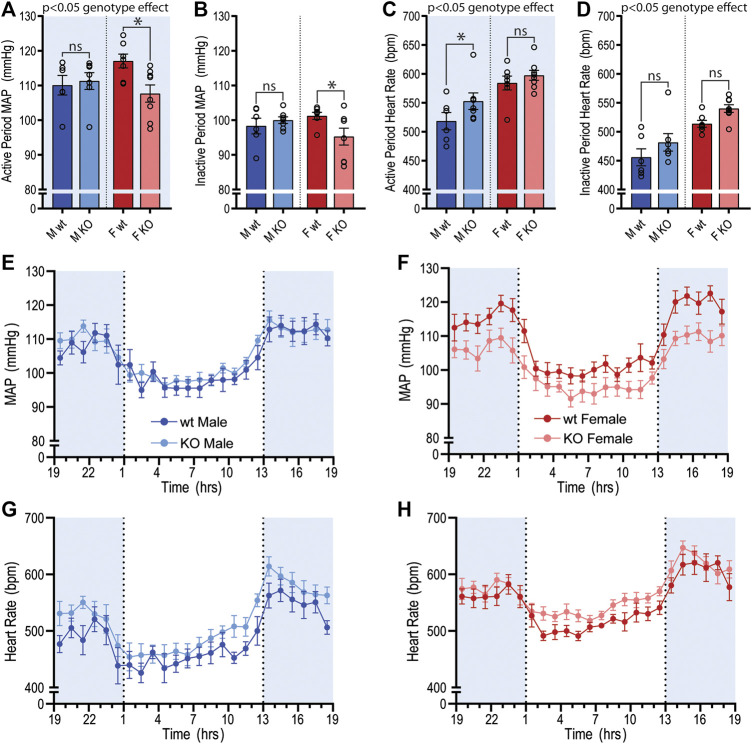
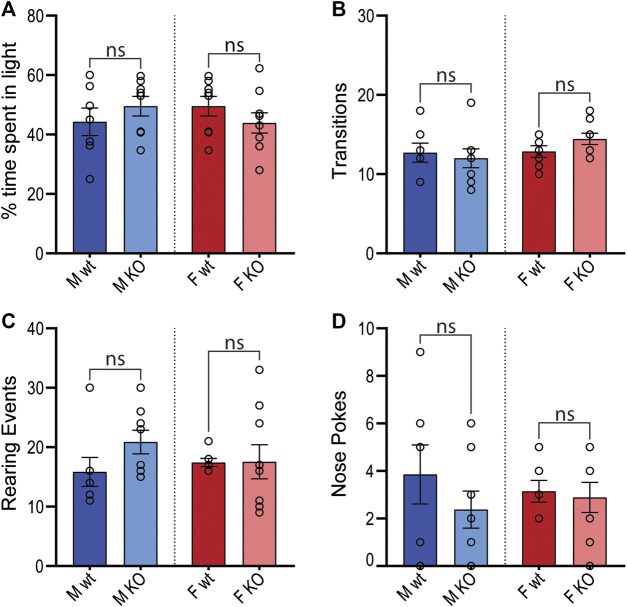
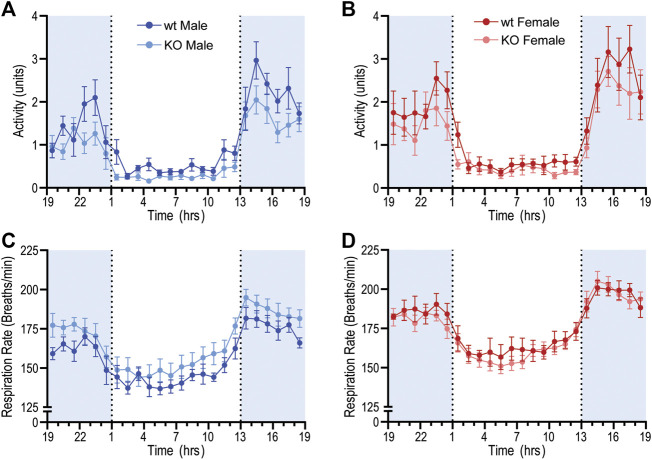
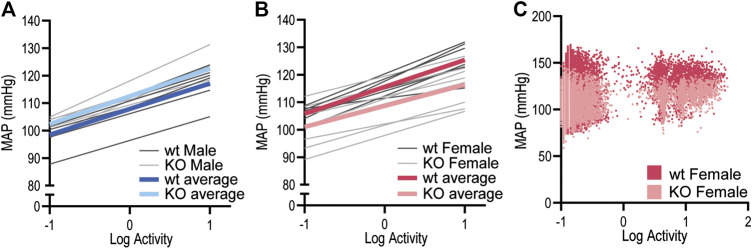
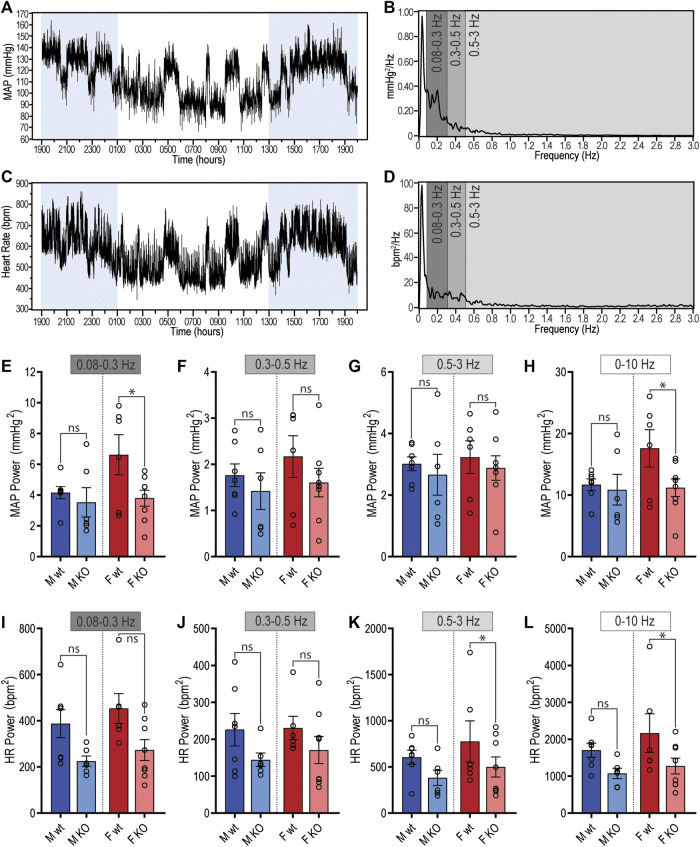
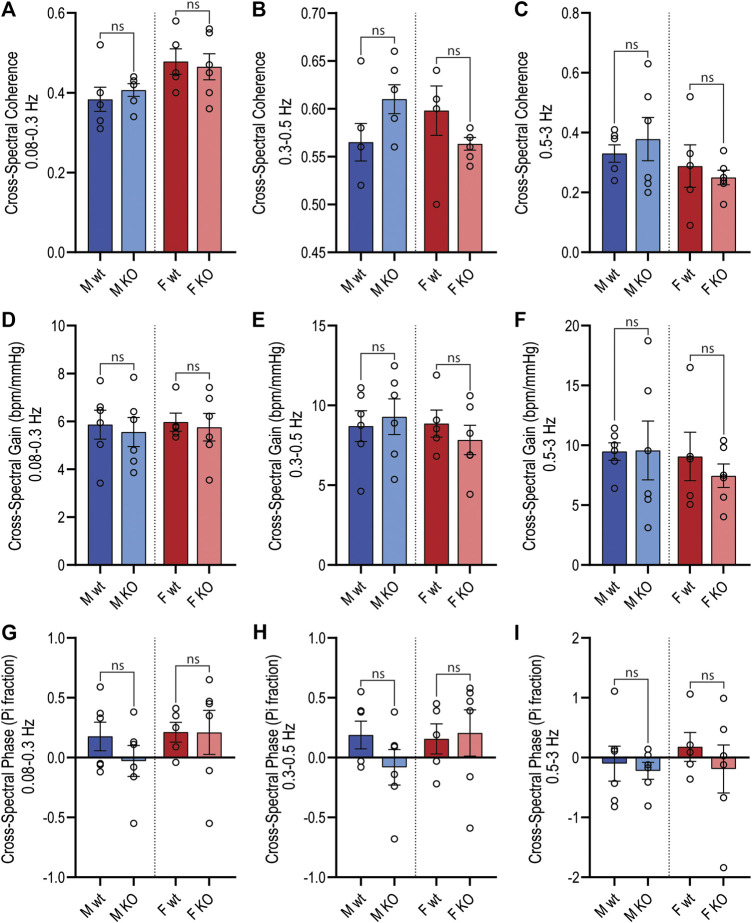
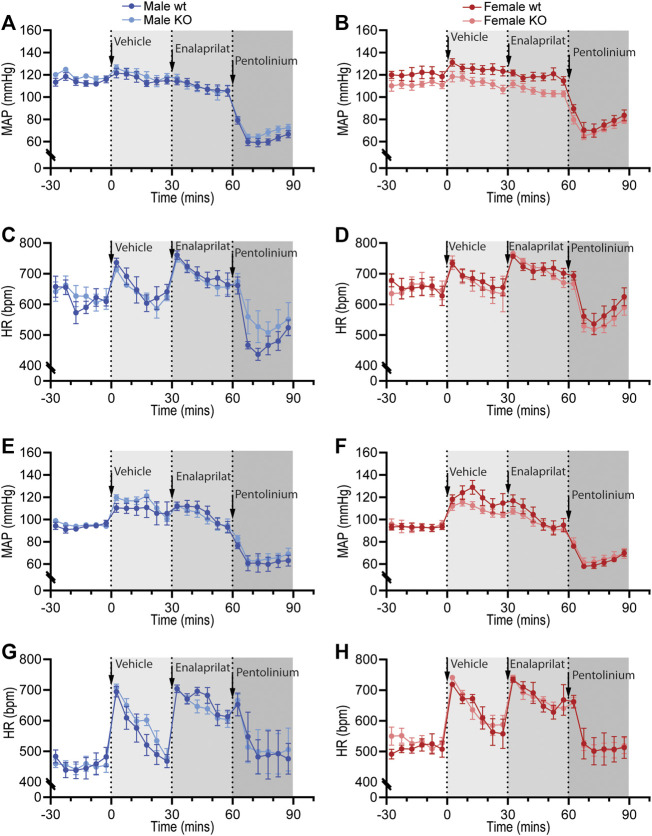
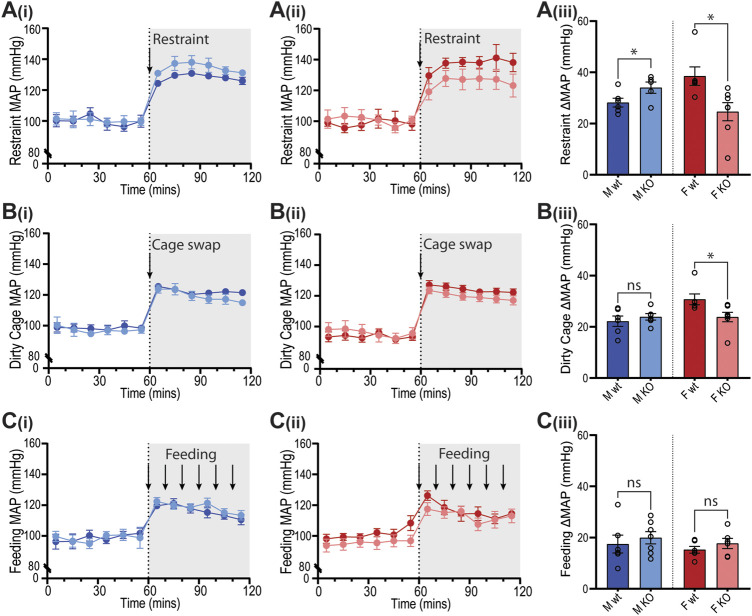
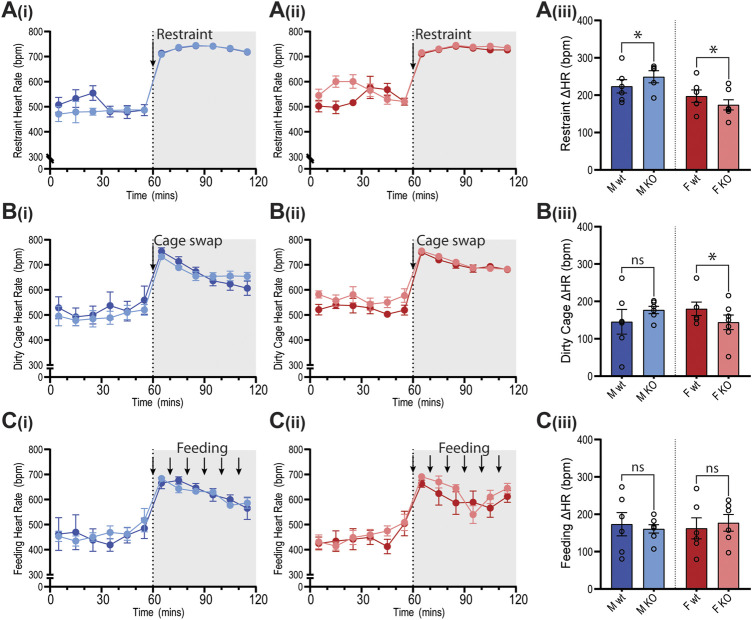
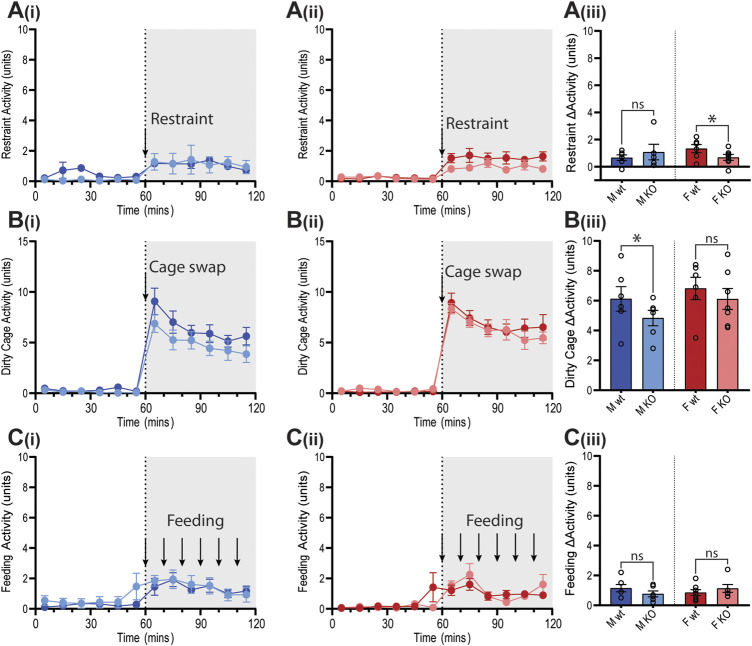
GPR37L1 is a family A orphan G protein-coupled receptor (GPCR) with a putative role in blood pressure regulation and cardioprotection. In mice, genetic ablation of causes sex-dependent effects; female mice lacking (GPR37L1) have a modest but significant elevation in blood pressure, while male GPR37L1 mice are more susceptible to cardiovascular dysfunction following angiotensin II-induced hypertension. Given that this receptor is highly expressed in the brain, we hypothesize that the cardiovascular phenotype of GPR37L1 mice is due to changes in autonomic regulation of blood pressure and heart rate. To investigate this, radiotelemetry was employed to characterize baseline cardiovascular variables in GPR37L1 mice of both sexes compared to wildtype controls, followed by power spectral analysis to quantify short-term fluctuations in blood pressure and heart rate attributable to alterations in autonomic homeostatic mechanisms. Additionally, pharmacological ganglionic blockade was performed to determine vasomotor tone, and environmental stress tests were used to assess whether cardiovascular reactivity was altered in GPR37L1 mice. We observed that mean arterial pressure was significantly lower in female GPR37L1 mice compared to wildtype counterparts, but was unchanged in male GPR37L1 mice. GPR37L1 genotype had a statistically significant positive chronotropic effect on heart rate across both sexes when analyzed by two-way ANOVA. Power spectral analysis of these data revealed a reduction in power in the heart rate spectrum between 0.5 and 3 Hz in female GPR37L1 mice during the diurnal active period, which indicates that GPR37L1 mice may have impaired cardiac vagal drive. GPR37L1 mice of both sexes also exhibited attenuated depressor responses to ganglionic blockade with pentolinium, indicating that GPR37L1 is involved in maintaining sympathetic vasomotor tone. Interestingly, when these mice were subjected to aversive and appetitive behavioral stressors, the female GPR37L1 mice exhibited an attenuation of cardiovascular reactivity to aversive, but not appetitive, environmental stimuli. Together, these results suggest that loss of GPR37L1 affects autonomic maintenance of blood pressure, giving rise to sex-specific cardiovascular changes in GPR37L1 mice.
GPR37L1是A类孤儿G蛋白偶联受体(GPCR),在血压调节和心脏保护中可能发挥作用。在小鼠中,基因敲除会产生性别依赖性效应;缺乏GPR37L1的雌性小鼠血压有适度但显著的升高,而雄性GPR37L1基因敲除小鼠在血管紧张素II诱导的高血压后更容易出现心血管功能障碍。鉴于该受体在大脑中高度表达,我们推测GPR37L1基因敲除小鼠的心血管表型是由于血压和心率的自主调节变化所致。为了对此进行研究,我们采用无线电遥测技术来表征两性GPR37L1基因敲除小鼠与野生型对照小鼠的基线心血管变量,随后进行功率谱分析,以量化自主稳态机制改变导致的血压和心率的短期波动。此外,进行药理学神经节阻断以确定血管运动张力,并使用环境应激试验来评估GPR37L1基因敲除小鼠的心血管反应性是否发生改变。我们观察到,与野生型对照小鼠相比,雌性GPR37L1基因敲除小鼠的平均动脉压显著降低,但雄性GPR37L1基因敲除小鼠的平均动脉压没有变化。通过双向方差分析,GPR37L1基因型对两性的心率具有统计学上显著的正性变时作用。对这些数据的功率谱分析显示,在白天活动期间,雌性GPR37L1基因敲除小鼠心率谱在0.5至3Hz之间的功率降低,这表明GPR37L1基因敲除小鼠可能存在心脏迷走神经驱动受损。两性GPR37L1基因敲除小鼠对喷托铵神经节阻断的降压反应也减弱,表明GPR37L1参与维持交感神经血管运动张力。有趣的是,当这些小鼠受到厌恶和食欲行为应激源刺激时,雌性GPR37L1基因敲除小鼠对厌恶环境刺激的心血管反应性减弱,但对食欲环境刺激的心血管反应性未减弱。总之,这些结果表明GPR37L1的缺失会影响血压的自主维持,导致GPR37L1基因敲除小鼠出现性别特异性的心血管变化。