Lee Hee Seung, Kim Eunyoung, Lee Jinyoung, Park Seung Joon, Hwang Ho Kyoung, Park Chan Hee, Jo Se-Young, Kang Chang Moo, Hong Seung-Mo, Kang Huapyong, Jo Jung Hyun, Cho In Rae, Chung Moon Jae, Park Jeong Youp, Park Seung Woo, Song Si Young, Han Jung Min, Kim Sangwoo, Bang Seungmin
Division of Gastroenterology, Department of Internal Medicine, Yonsei University College of Medicine, 50-1 Yonsei-ro, Seodaemun-gu, Seoul 03722, South Korea.
Department of Biomedical Systems Informatics and Brain Korea 21 PLUS Project for Medical Science, Yonsei University College of Medicine, 50-1 Yonsei-ro, Seodaemun-gu, Seoul 03722, South Korea.
EBioMedicine. 2021 Mar;65:103218. doi: 10.1016/j.ebiom.2021.103218. Epub 2021 Feb 25.
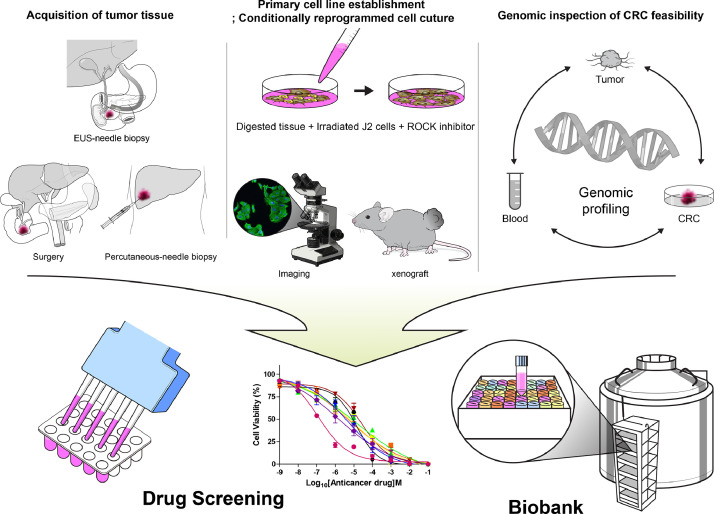
The establishment of patient-derived models for pancreatic ductal adenocarcinoma (PDAC) using conventional methods has been fraught with low success rate, mainly because of the small number of tumour cells and dense fibrotic stroma. Here, we sought to establish patient-derived model of PDAC and perform genetic analysis with responses to anticancer drug by using the conditionally reprogrammed cell (CRC) methodology.
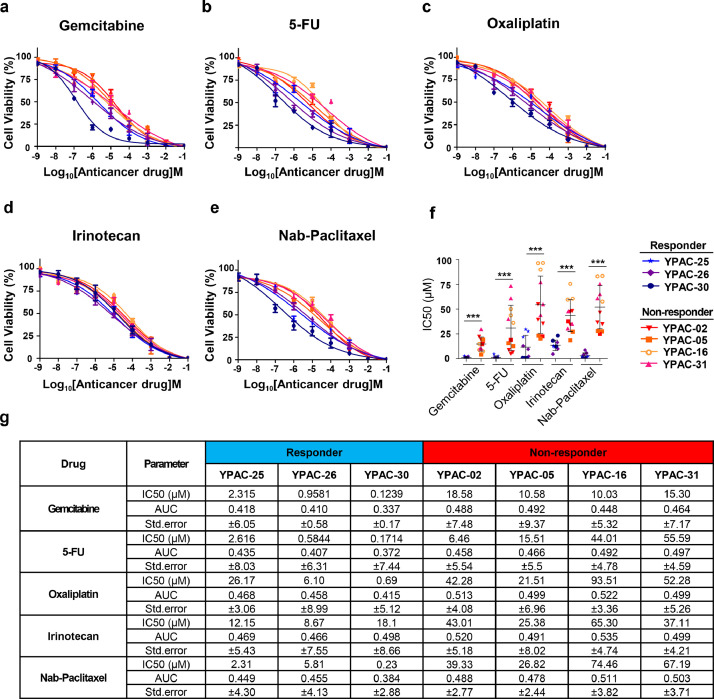
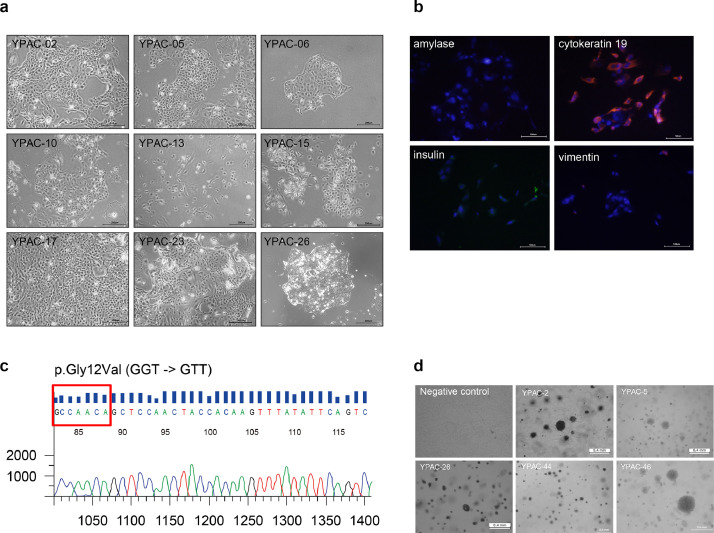
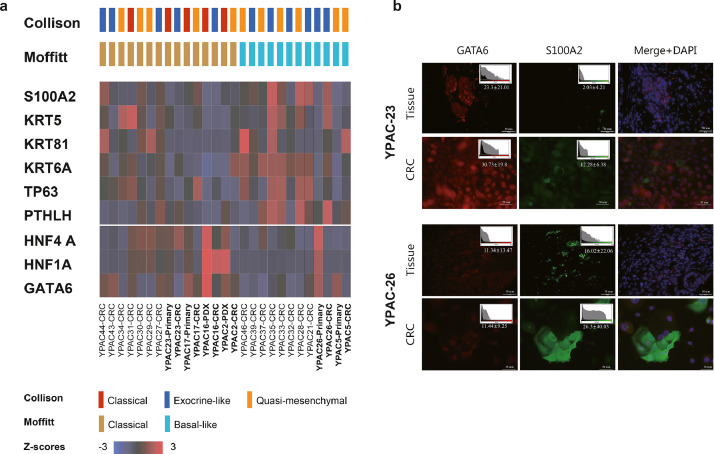
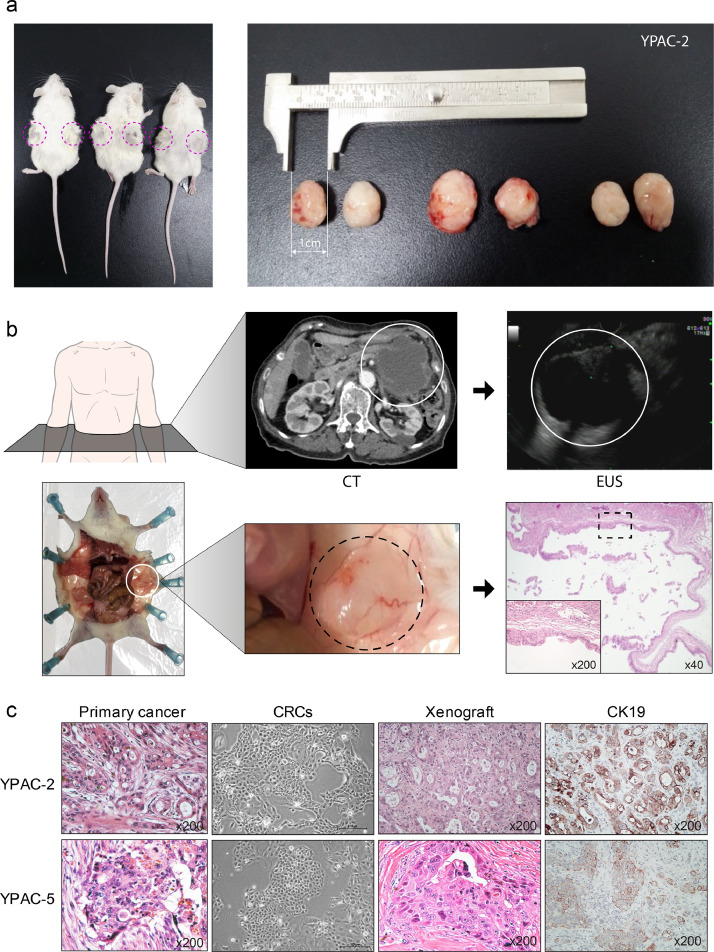
We performed in vitro and in vivo tumourigenicity assays and analysed histological characteristics by immunostaining. We investigated genetic profiles including mutation patterns and copy number variations using targeted deep sequencing and copy-number analyses. We assessed the responses of cultured CRCs to the available clinical anticancer drugs based on patient responsiveness.
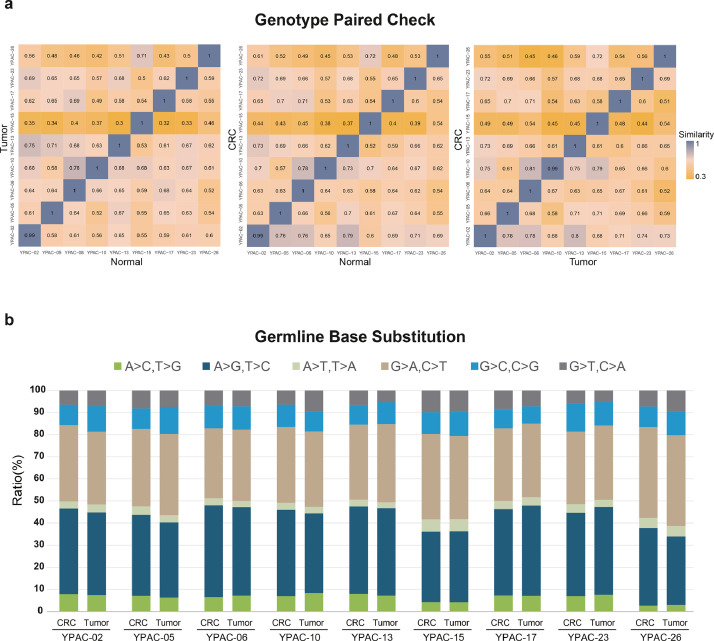
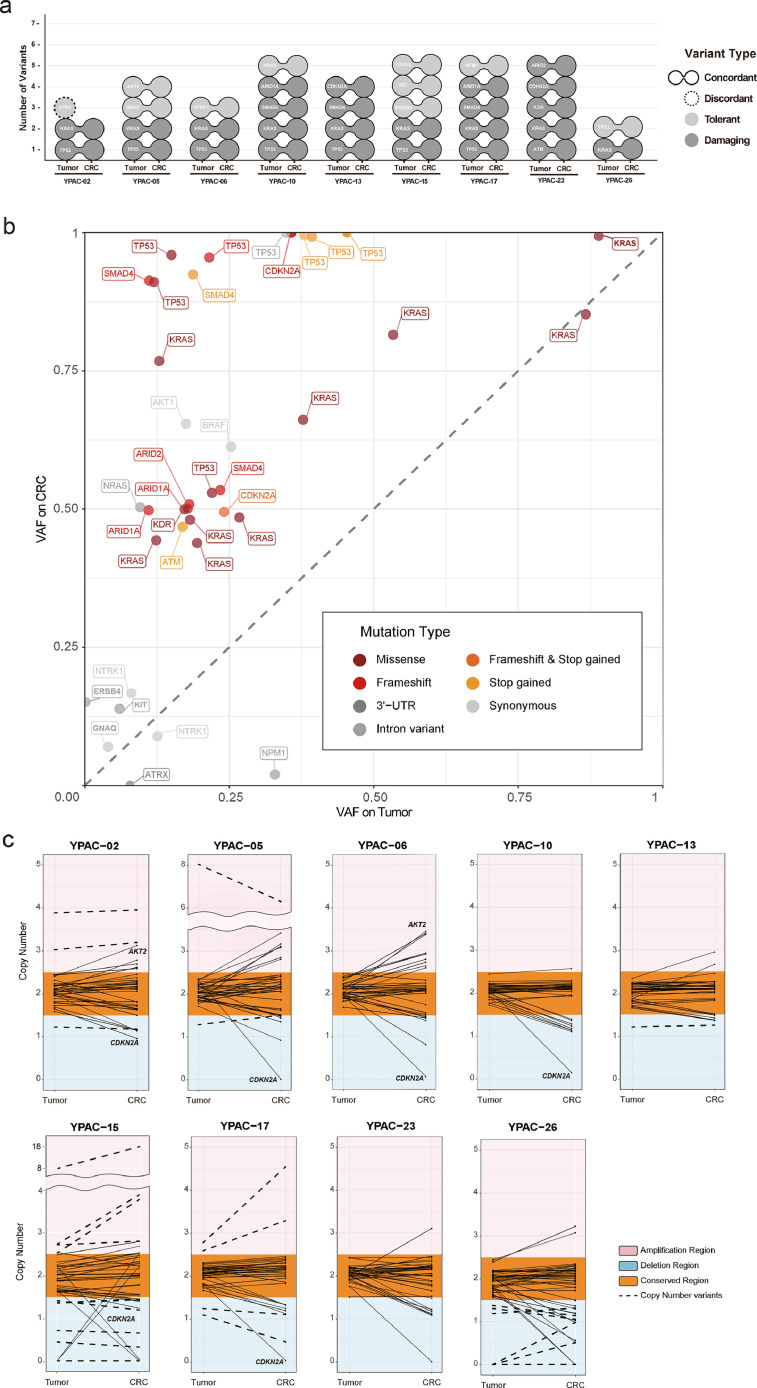
We established a total of 28 CRCs from patients. Of the 28 samples, 27 showed KRAS mutations in codon 12/13 or codon 61. We found that somatic mutations were shared in the primary-CRC pairs and shared mutations included key oncogenic mutations such as KRAS (9 pairs), TP53 (8 pairs), and SMAD4 (3 pairs). Overall, CRCs preserved the genetic characteristics of primary tumours with high concordance, with additional confirmation of low-AF NPM1 mutation in CRC (35 shared mutations out of 36 total, concordance rate=97.2%). CRCs of the responder group were more sensitive to anticancer agents than those of the non-responder group (P < 0.001).
These results show that a pancreatic cancer cell line model can be efficiently established using the CRC methodology, to better support a personalized therapeutic approach for pancreatic cancer patients.
2014R1A1A1006272, HI19C0642-060019, 2019R1A2C2008050, 2020R1A2C209958611, and 2020M3E5E204028211.
使用传统方法建立胰腺导管腺癌(PDAC)患者来源的模型成功率一直很低,主要原因是肿瘤细胞数量少且纤维化基质致密。在此,我们试图通过使用条件重编程细胞(CRC)方法建立PDAC患者来源的模型,并对抗癌药物反应进行基因分析。
我们进行了体外和体内致瘤性试验,并通过免疫染色分析组织学特征。我们使用靶向深度测序和拷贝数分析研究了包括突变模式和拷贝数变异在内的基因图谱。我们根据患者反应评估了培养的CRC对现有临床抗癌药物的反应。
我们从患者中总共建立了28个CRC。在这28个样本中,27个在密码子12/13或密码子61处显示KRAS突变。我们发现原发性CRC对中存在体细胞突变,共享突变包括关键致癌突变,如KRAS(9对)、TP53(8对)和SMAD4(3对)。总体而言,CRC以高度一致性保留了原发性肿瘤的遗传特征,另外证实CRC中低AF NPM1突变(36个总突变中有35个共享突变,一致率=97.2%)。反应组的CRC比无反应组的CRC对抗癌药物更敏感(P<0.001)。
这些结果表明,使用CRC方法可以有效地建立胰腺癌细胞系模型,以更好地支持胰腺癌患者的个性化治疗方法。
2014R1A1A1006272、HI19C0642-060019、2019R1A2C2008050、2020R1A2C209958611和2020M3E5E204028211。