Clinical Psychopharmacology Unit, University College London, London, UK.
Addiction and Mental Health Group (AIM), University of Bath, Bath, UK.
J Psychopharmacol. 2021 Jun;35(6):621-630. doi: 10.1177/0269881121991835. Epub 2021 Mar 1.
Mindfulness-meditation has a variety of benefits on well-being. However, individuals with primary attentional impairments (e.g. attention deficit disorder) or attentional symptoms secondary to anxiety, depression or addiction, may be less likely to benefit, and require additional mindfulness-augmenting strategies.
To determine whether a single dose of the cognitive enhancer, modafinil, acutely increases subjective and behavioural indices of mindfulness, and augments brief mindfulness training.
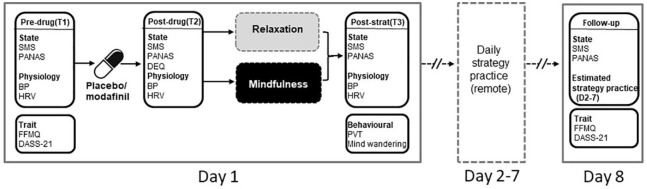
A randomised, double-blind, placebo-controlled, 2 (drug: placebo, modafinil) × 2 (strategy: mindfulness, relaxation control) experiment was conducted. Seventy-nine meditation-naïve participants were assigned to: placebo-relaxation, placebo-mindfulness, modafinil-relaxation or modafinil-mindfulness. Pre-drug, post-drug and post-strategy state mindfulness, affect and autonomic activity, along with post-strategy sustained attention and mind-wandering were assessed within a single lab session. After the session, participants were instructed to practice their assigned behavioural strategy daily for one week, with no further drug administration, after which, follow-up measures were taken.
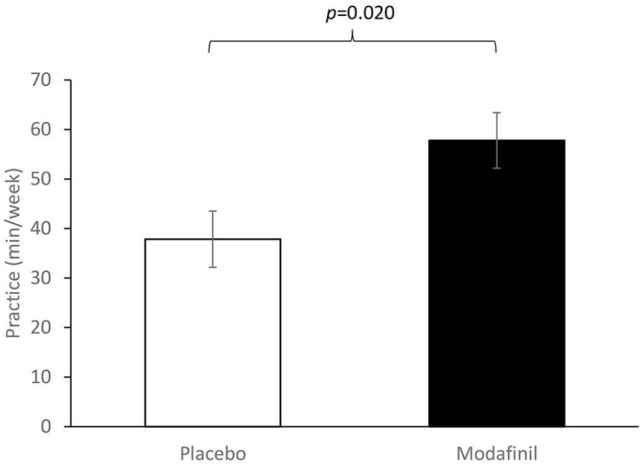
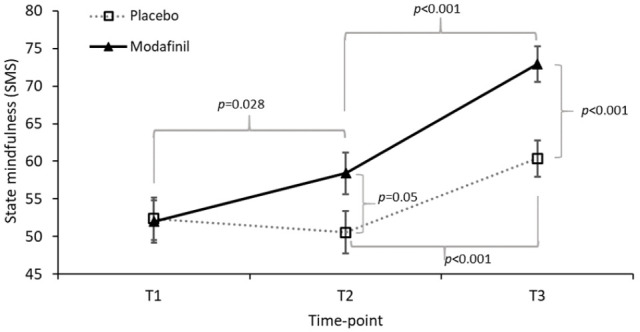
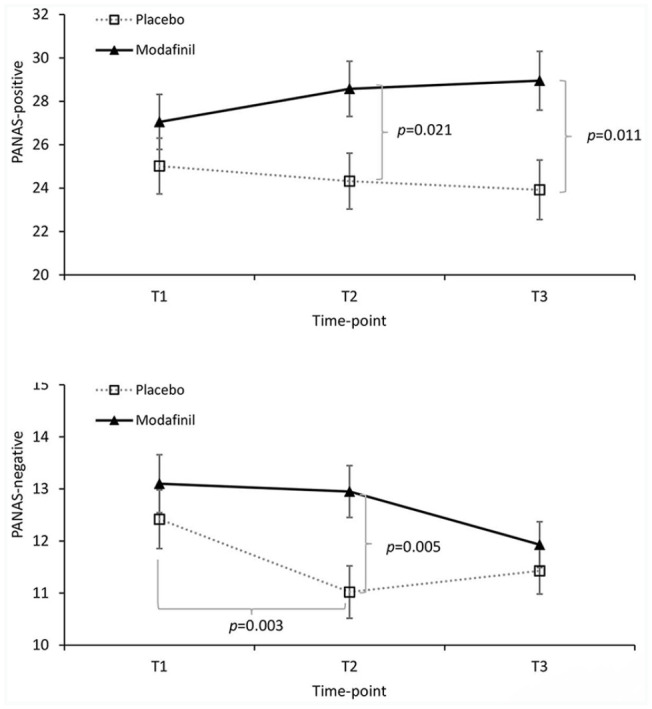
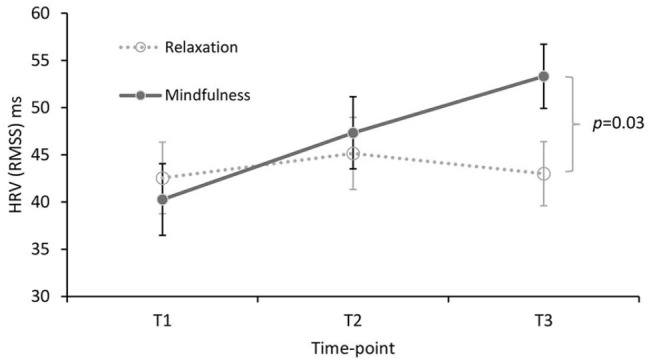
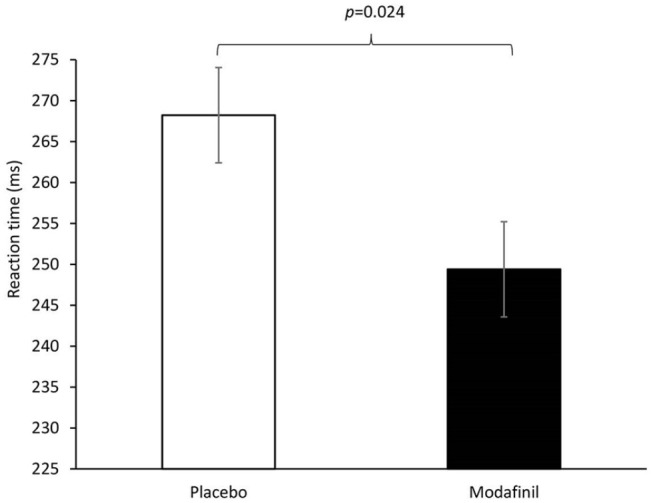
As predicted, modafinil acutely increased state mindfulness and improved sustained attention. Differential acute strategy effects were found following mindfulness on autonomic activity but not state mindfulness. There were no strategy or drug effects on mind-wandering. However, exploratory analyses indicated that participants receiving modafinil engaged in more strategy practice across strategy conditions during follow-up.
Modafinil acutely mimicked the effects of brief mindfulness training on state mindfulness but did not enhance the effects of this training. Limitations of the current study, and recommendations for future research examining modafinil as an adjunct to mindfulness- (or relaxation-) based treatments are discussed.
正念冥想对幸福感有多种益处。然而,注意力存在原发性损伤(例如注意力缺陷障碍)或因焦虑、抑郁或成瘾而出现注意力症状的个体,可能不太容易从中受益,并且需要额外的正念增强策略。
确定单次剂量的认知增强剂莫达非尼是否会急性增加正念的主观和行为指标,并增强简短的正念训练。
进行了一项随机、双盲、安慰剂对照、2(药物:安慰剂、莫达非尼)×2(策略:正念、放松对照)的实验。79 名无冥想经验的参与者被分配到:安慰剂-放松、安慰剂-正念、莫达非尼-放松或莫达非尼-正念。在一个单一的实验室会议中,评估了药物前、药物后和策略后正念、情绪和自主活动状态,以及策略后持续注意力和思维漫游。在会议结束后,参与者被指示在一周内每天练习他们指定的行为策略,不再服用其他药物,然后进行后续测量。
正如预测的那样,莫达非尼急性增加了状态正念并改善了持续注意力。在自主活动方面,正念后出现了不同的急性策略效应,但在状态正念方面没有。在思维漫游方面,没有策略或药物的影响。然而,探索性分析表明,接受莫达非尼的参与者在后续策略条件下进行了更多的策略练习。
莫达非尼急性模拟了简短的正念训练对状态正念的影响,但没有增强这种训练的效果。讨论了当前研究的局限性,以及未来研究将莫达非尼作为正念(或放松)为基础的治疗的辅助手段的建议。