College of Animal Science and Technology, Jilin Agricultural University, Changchun, China.
Key Laboratory of Jilin Province for Zoonosis Prevention and Control, Institute of Military Veterinary, Academy of Military Medical Sciences, Changchun, China.
PLoS Negl Trop Dis. 2021 Mar 1;15(3):e0009227. doi: 10.1371/journal.pntd.0009227. eCollection 2021 Mar.
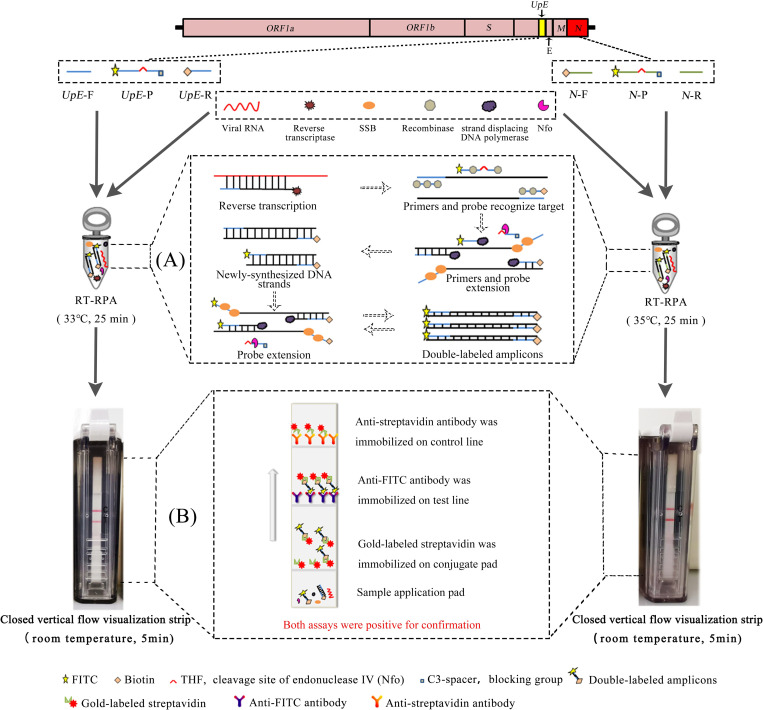
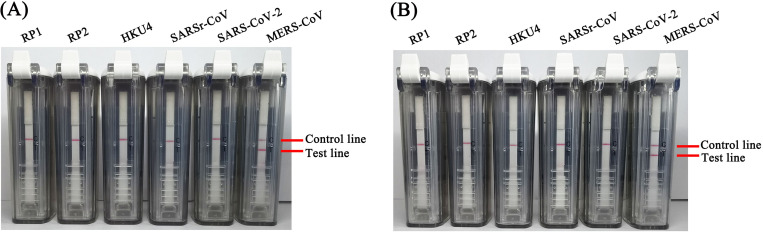
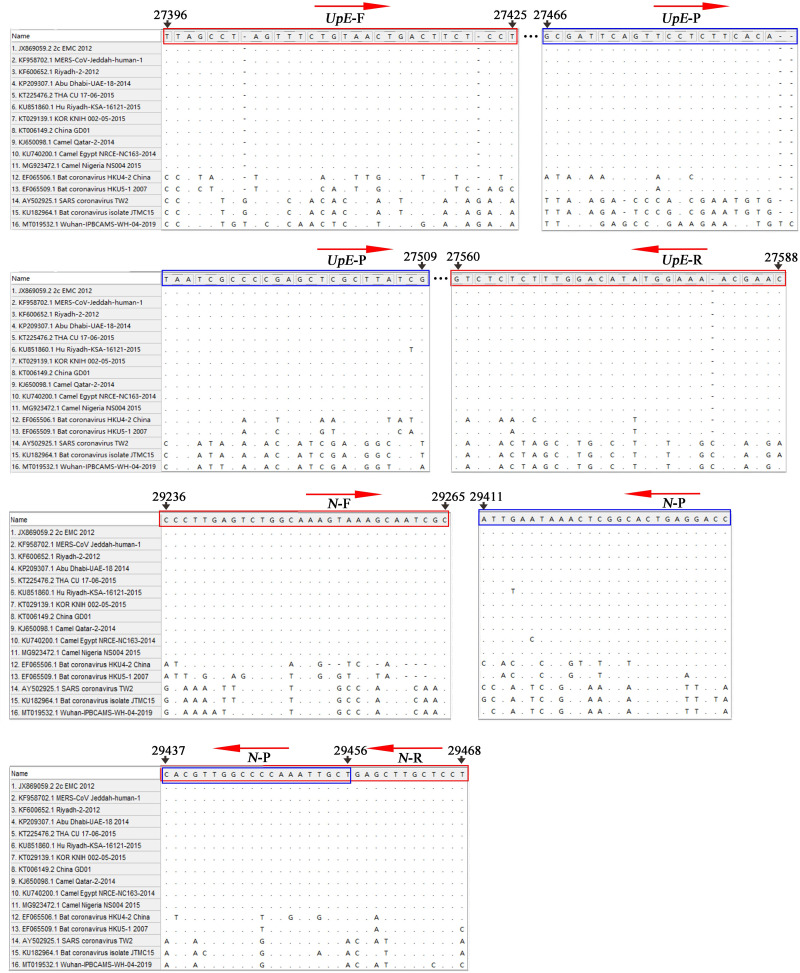
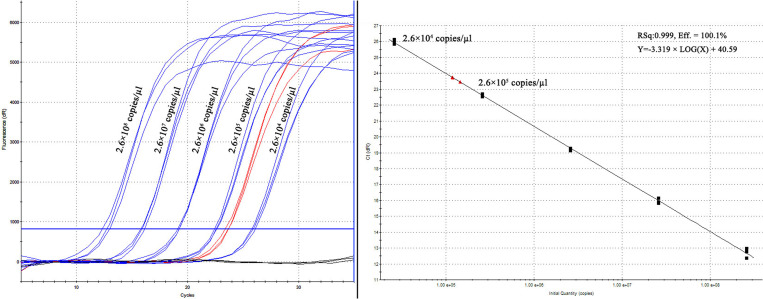
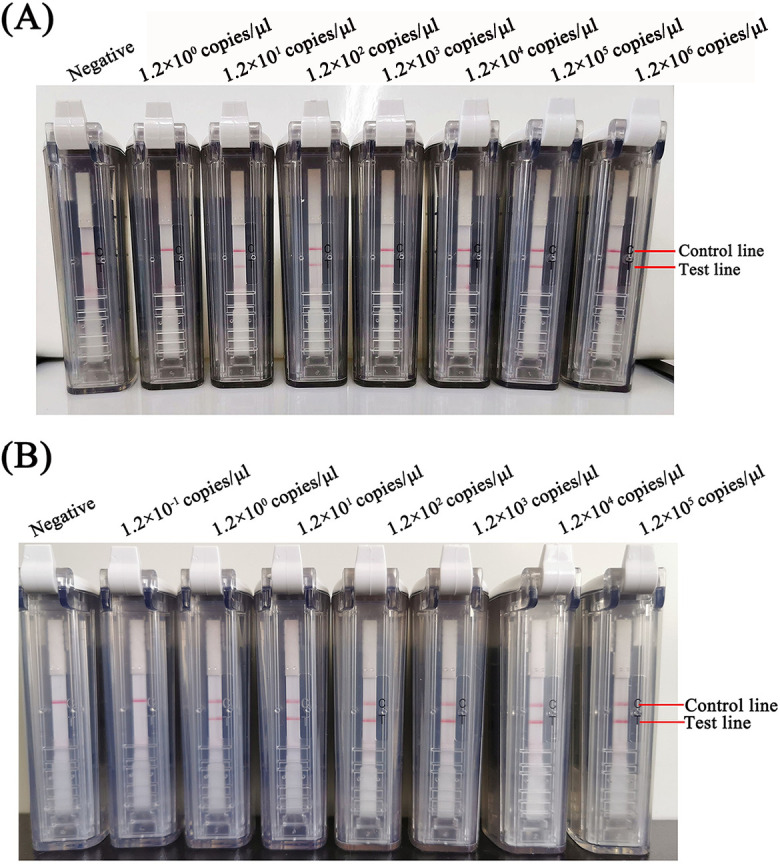
Since its first emergence in 2012, cases of infection with Middle East respiratory syndrome coronavirus (MERS-CoV) have continued to occur. At the end of January 2020, 2519 laboratory confirmed cases with a case-fatality rate of 34.3% have been reported. Approximately 84% of human cases have been reported in the tropical region of Saudi Arabia. The emergence of MERS-CoV has highlighted need for a rapid and accurate assay to triage patients with a suspected infection in a timely manner because of the lack of an approved vaccine or an effective treatment for MERS-CoV to prevent and control potential outbreaks. In this study, we present two rapid and visual nucleic acid assays that target the MERS-CoV UpE and N genes as a panel that combines reverse transcription recombinase polymerase amplification with a closed vertical flow visualization strip (RT-RPA-VF). This test panel was designed to improve the diagnostic accuracy through dual-target screening after referencing laboratory testing guidance for MERS-CoV. The limit of detection was 1.2×101 copies/μl viral RNA for the UpE assay and 1.2 copies/μl viral RNA for the N assay, with almost consistent with the sensitivity of the RT-qPCR assays. The two assays exhibited no cross-reactivity with multiple CoVs, including the bat severe acute respiratory syndrome related coronavirus (SARSr-CoV), the bat coronavirus HKU4, and the human coronaviruses 229E, OC43, HKU1 and severe acute respiratory syndrome coronavirus 2 (SARS-CoV-2). Furthermore, the panel does not require sophisticated equipment and provides rapid detection within 30 min. This panel displays good sensitivity and specificity and may be useful to rapidly detect MERS-CoV early during an outbreak and for disease surveillance.
自 2012 年首次出现以来,中东呼吸综合征冠状病毒(MERS-CoV)感染病例仍在持续发生。截至 2020 年 1 月底,已报告 2519 例实验室确诊病例,病死率为 34.3%。约 84%的人类病例发生在沙特阿拉伯的热带地区。MERS-CoV 的出现凸显了及时对疑似感染患者进行快速准确检测的必要性,因为目前尚无针对 MERS-CoV 的批准疫苗或有效治疗方法来预防和控制潜在的疫情爆发。在这项研究中,我们提出了两种快速、可视化的核酸检测方法,该方法以针对 MERS-CoV UpE 和 N 基因的 RT-RPA-VF 为面板,将逆转录重组酶聚合酶扩增与封闭垂直流动可视化条带相结合。该检测面板通过参考 MERS-CoV 实验室检测指南进行双靶标筛选,旨在提高诊断准确性。UpE 检测的检测限为 1.2×101 拷贝/μl 病毒 RNA,N 检测的检测限为 1.2 拷贝/μl 病毒 RNA,与 RT-qPCR 检测的灵敏度几乎一致。两种检测方法与多种冠状病毒均无交叉反应性,包括蝙蝠严重急性呼吸综合征相关冠状病毒(SARSr-CoV)、蝙蝠冠状病毒 HKU4 和人冠状病毒 229E、OC43、HKU1 和严重急性呼吸综合征冠状病毒 2(SARS-CoV-2)。此外,该面板不需要复杂的设备,并能在 30 分钟内提供快速检测。该面板显示出良好的灵敏度和特异性,可能有助于在疫情爆发早期快速检测 MERS-CoV,并进行疾病监测。