Department of Pathology and Laboratory Medicine, The Lewis Katz School of Medicine at Temple University, 3500 N Broad St, Philadelphia, PA, 19140, USA.
Center for Substance Abuse Research, The Lewis Katz School of Medicine at Temple University, Philadelphia, PA, 19140, USA.
J Neuroinflammation. 2021 Mar 1;18(1):63. doi: 10.1186/s12974-021-02116-z.
Synthetic cathinones are a category of psychostimulants belonging to the growing number of designer drugs also known as "Novel Psychoactive Substances" (NPS). In recent years, NPS have gained popularity in the recreational drug market due to their amphetamine-like stimulant effects, low cost, ease of availability, and lack of detection by conventional toxicology screening. All these factors have led to an increase in NPS substance abuse among the young adults, followed by spike of overdose-related fatalities and adverse effects, severe neurotoxicity, and cerebral vascular complications. Much remains unknown about how synthetic cathinones negatively affect the CNS and the status of the blood-brain barrier (BBB).
We used in vitro models of the BBB and primary human brain microvascular endothelial cells (hBMVEC) to investigate the effects of the synthetic cathinone, 4-methyl methcathinone (mephedrone), on BBB properties.
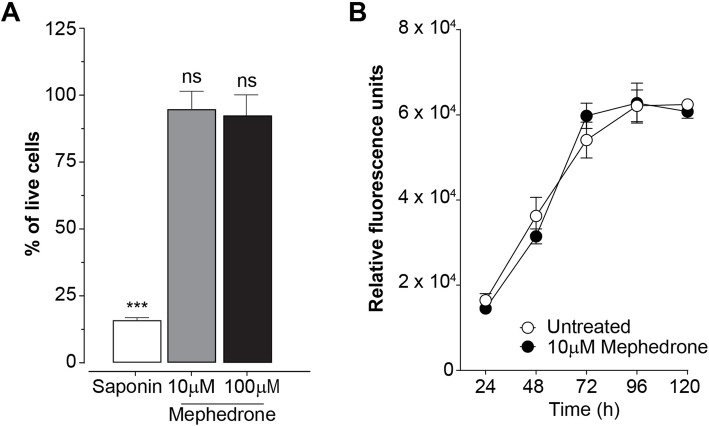
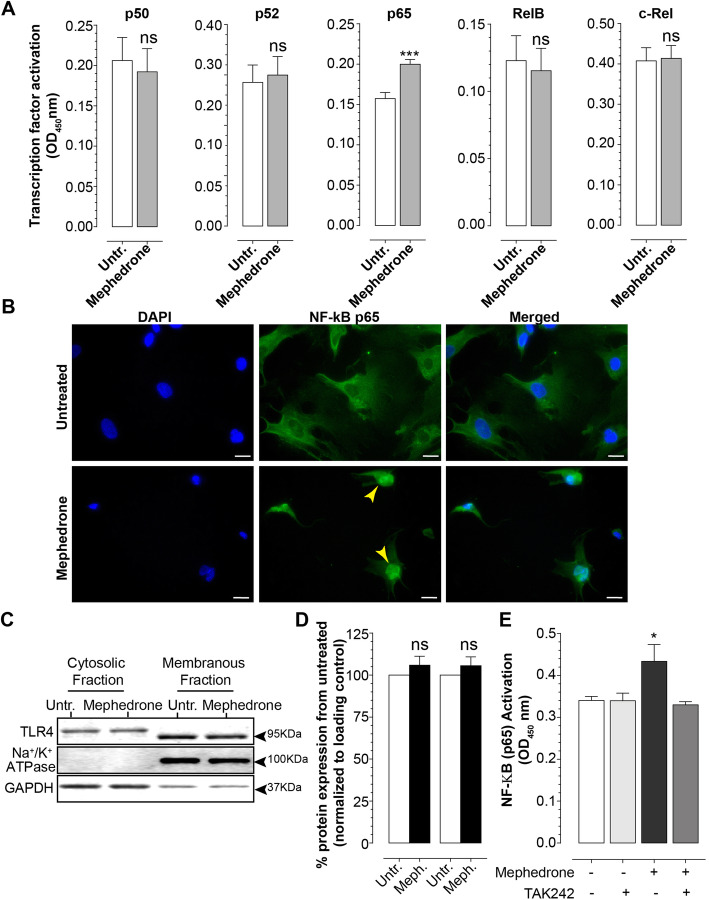
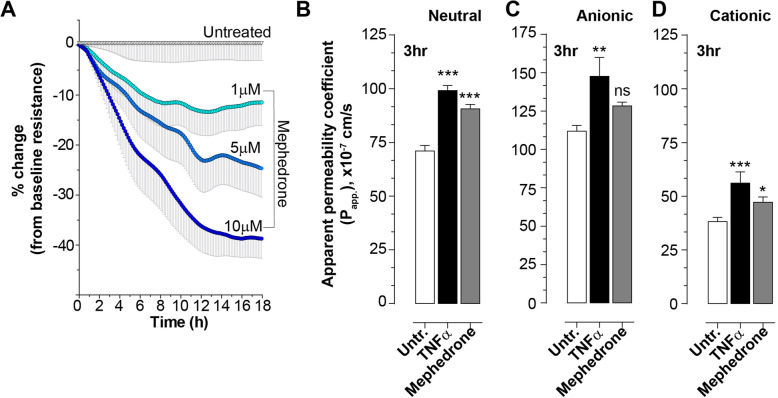
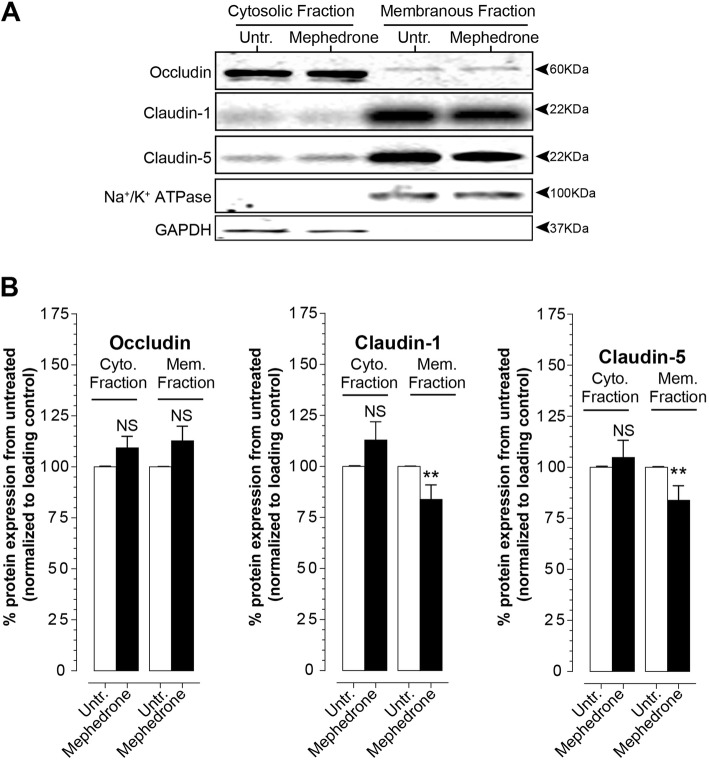
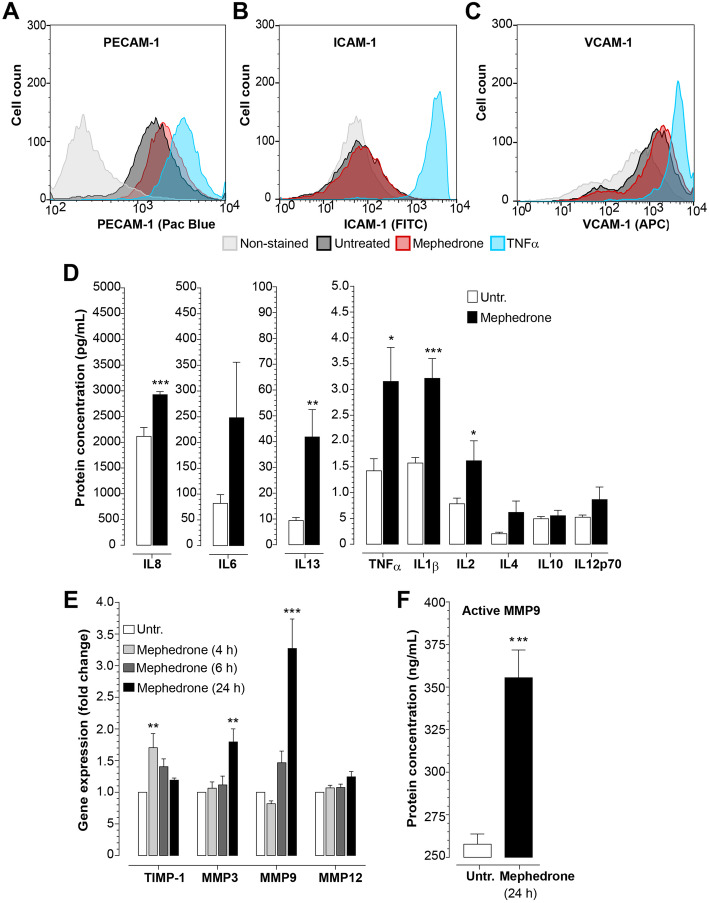
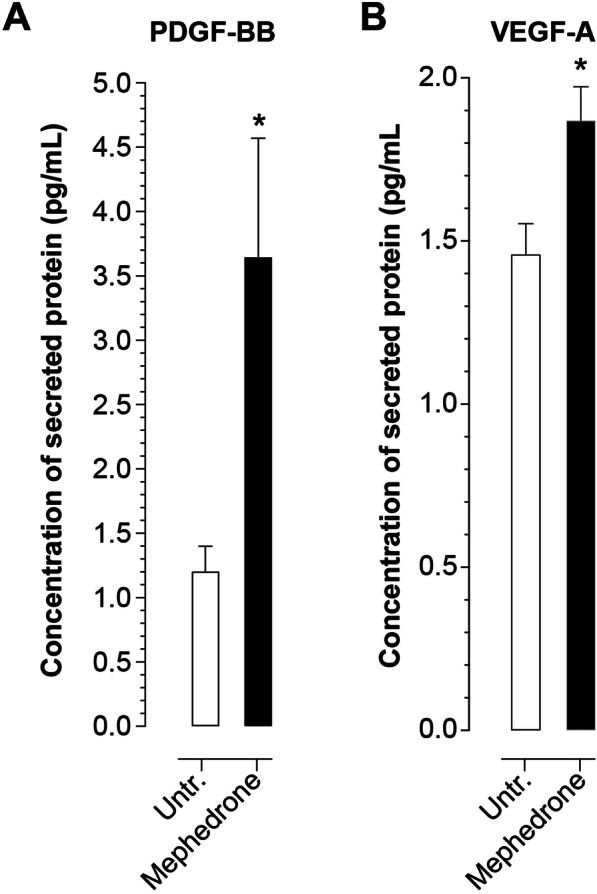
We showed that mephedrone exposure resulted in the loss of barrier properties and endothelial dysfunction of primary hBMVEC. Increased permeability and decreased transendothelial electrical resistance of the endothelial barrier were attributed to changes in key proteins involved in the tight junction formation. Elevated expression of matrix metalloproteinases, angiogenic growth factors, and inflammatory cytokines can be explained by TLR-4-dependent activation of NF-κB signaling.
In this first characterization of the effects of a synthetic cathinone on human brain endothelial cells, it appears clear that mephedrone-induced damage of the BBB is not limited by the disruption of the barrier properties but also include endothelial activation and inflammation. This may especially be important in comorbid situations of mephedrone abuse and HIV-1 infections. In this context, mephedrone could negatively affect HIV-1 neuroinvasion and NeuroAIDS progression.
合成卡西酮是一类属于不断增加的“新型精神活性物质”(NPS)的苯丙胺类兴奋剂。近年来,由于其类似安非他命的兴奋剂作用、低成本、易于获得以及常规毒理学筛查无法检测到,NPS 在娱乐性毒品市场中越来越受欢迎。所有这些因素都导致年轻人中 NPS 物质滥用的增加,随之而来的是与过量相关的死亡和不良反应、严重的神经毒性和脑血管并发症的激增。关于合成卡西酮如何对中枢神经系统产生负面影响以及血脑屏障(BBB)的状态,我们知之甚少。
我们使用 BBB 的体外模型和原代人脑微血管内皮细胞(hBMVEC)来研究合成卡西酮 4-甲基甲卡西酮(mephedrone)对 BBB 特性的影响。
我们表明,mephedrone 暴露会导致原代 hBMVEC 的屏障特性丧失和内皮功能障碍。内皮屏障的通透性增加和跨内皮电阻降低归因于参与紧密连接形成的关键蛋白的变化。基质金属蛋白酶、血管生成生长因子和炎症细胞因子的表达升高可以通过 TLR-4 依赖性 NF-κB 信号转导激活来解释。
在对合成卡西酮对人脑血管内皮细胞影响的首次特征描述中,很明显,mephedrone 诱导的 BBB 损伤不仅限于屏障特性的破坏,还包括内皮激活和炎症。在合并使用 mephedrone 滥用和 HIV-1 感染的情况下,这可能尤其重要。在这种情况下,mephedrone 可能会对 HIV-1 神经入侵和神经艾滋病的进展产生负面影响。